













Recipe Catalog
No recipes contain all the words, showing recipes that match some of them

Meatless borscht with thyme and anise is a fragrant and rich dish of Ukrainian cuisine that captivates with its combination of simple ingredients and deep flavor nuances. This version of borscht is meat-free but compensates with a rich palette of spices and herbs. Thyme gives the soup a slight bitterness and herbal notes, while anise adds a subtle sweetness. Bright beets provide the borscht with a rich ruby color, and lemon juice balances the taste with a light acidity. Potatoes, carrots, onions, and tomatoes create a harmonious texture, while turmeric adds gentle warmth. This dish is not only nutritious but also refined, making it perfect for a meatless diet; it warms and satisfies. Borscht becomes even tastier as it steeps, revealing new flavor dimensions with each passing hour.
10
8
30
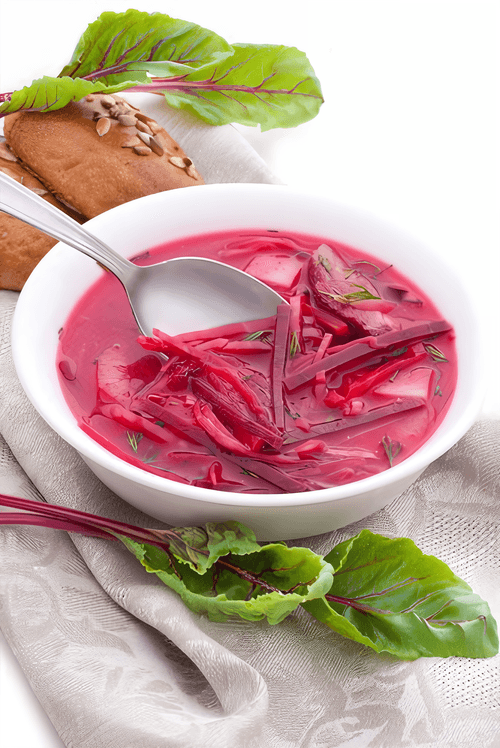
Many will consider this borscht to be wrong - too light, too transparent and generally similar to beetroot soup. But it has an important thing that is characteristic of borscht: the presence of acid. It is this that directs the frankly earthy and slightly cloying taste of beets into the right soup channel.
12
4
60
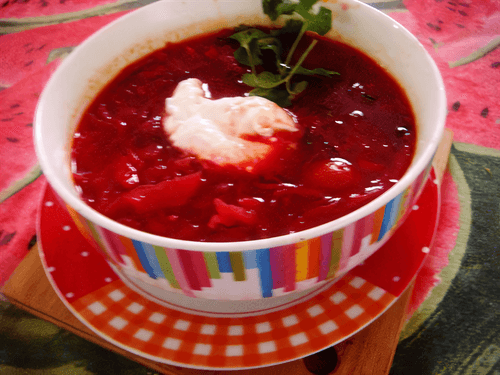
Lean borscht with cognac is an original recipe that combines the rich flavor of traditional borscht with subtle aromatic notes of cognac. This borscht contains no meat ingredients, but thanks to roasted beets, sautéed vegetables, and the addition of sour apple, it acquires a rich flavor palette. Cognac adds depth and a slight spiciness to the dish, complementing the sweetness of beets and the acidity of lemon juice. This borscht is perfect for a cozy home dinner or a festive lean feast. It warms, satisfies, and surprises with a delicate balance of flavor nuances. Served hot with herbs and your favorite bread.
13
12
45
Lenten borscht with white beans is a traditional Russian dish filled with rich flavors and the warmth of home comfort. Its roots go back centuries when borscht was an integral part of the peasant diet. This meatless version is a true delight for those observing Lent or simply appreciating light yet nutritious dishes. White beans add richness and softness to the borscht, beets provide a sweet depth, and cabbage adds freshness. The stewed vegetables release their aromas, making the taste truly rich. Served with herbs and optionally rye bread, this borscht warms the soul and fills the home with the aroma of traditions. It is perfect as a standalone dish or paired with garlic croutons.
10
4
60
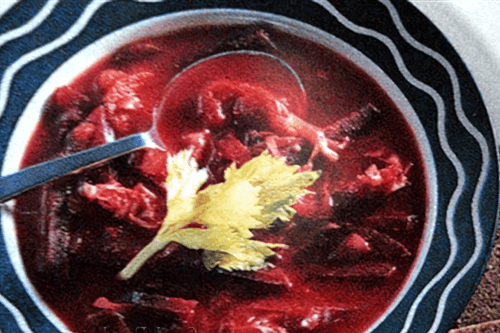
Lean borscht with beans in vegetable broth is a true embodiment of Ukrainian cuisine, combining rich flavor, nutrition, and traditions. Borscht, known since ancient times, has always been a symbol of home comfort and hospitality. This meatless version with beans adds a special texture and depth of flavor to the dish. The slight acidity of beets and tomato paste harmoniously complements the aroma of bay leaves and fresh herbs. Rich in vitamins, it is perfect for fasting days, warms in cold weather, and brings joy to anyone who appreciates real cuisine. Served hot, garnished with delicate beet strips and beans, it creates not only gastronomic but also aesthetic pleasure.
15
4
60
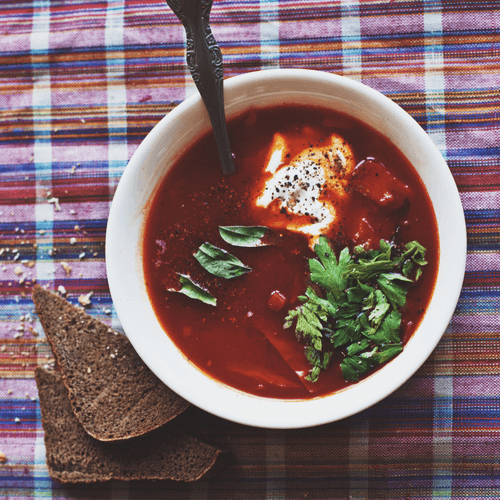
Lenten borscht with potatoes is a soulful dish of Russian cuisine that warms and provides a sense of home comfort. Its roots go back to the traditions of Lenten eating, where meat was replaced by a wealth of vegetables, giving the borscht brightness, richness, and a unique taste. The base is beetroot, which gives the borscht a ruby hue and light sweetness balanced by the acidity of tomato paste and lemon juice. Potatoes and cabbage enrich the texture while garlic adds spiciness. Thanks to steeping after boiling, the dish's flavor unfolds in its entirety. This borscht pairs wonderfully with fresh bread or garlic croutons, and its aroma and taste evoke memories of warm family lunches.
12
6
60
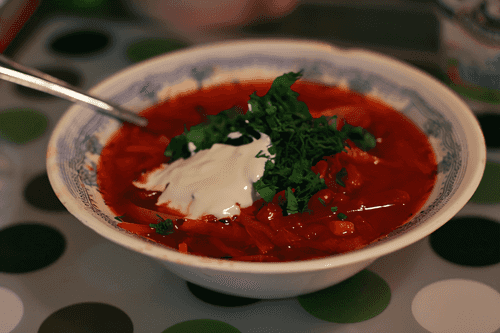
Lenten borscht with beets and beans is a bright and aromatic dish of Russian cuisine that has won love for its rich flavor and nutritional properties. Its roots go back to the traditions of fasting food, where the absence of meat is compensated by the abundance of vegetables and legumes. Borscht has a pleasant balance of beet sweetness, slight acidity from tomatoes, and soft bean texture, creating a harmony of flavors. It reflects the depth of traditions—from the slow soaking of beans to the delicate frying of vegetables that preserves their color and aroma. This dish warms in cold weather and refreshes in summer when chilled. Lenten borscht is not only a gastronomic delight but also a symbol of care, as its flavor unfolds even more brightly after steeping, like a good conversation at the family table.
14
6
60
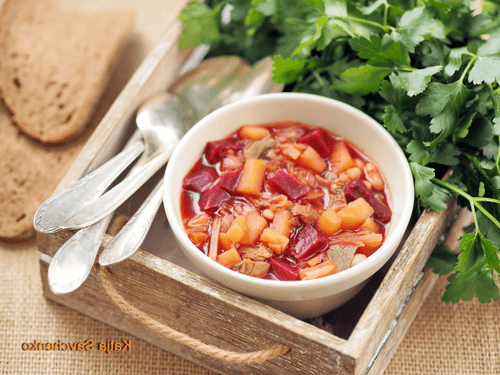
Lean borscht with mushrooms and beans is an embodiment of Russian culinary tradition in its light and hearty form. This borscht stands out with its rich flavor thanks to the harmonious combination of sweet beets, tender mushrooms, and nutritious beans. Its roots trace back to the history of lean cuisine when during fasting periods housewives sought ways to prepare tasty and filling dishes without meat. Vegetable broth, cabbage, and aromatic herbs make it warming and satisfying. An ideal option for those who appreciate rich flavors without heavy ingredients. Served hot with rye bread or greens, it pleasantly warms and fills while remaining light and healthy.
12
4
85
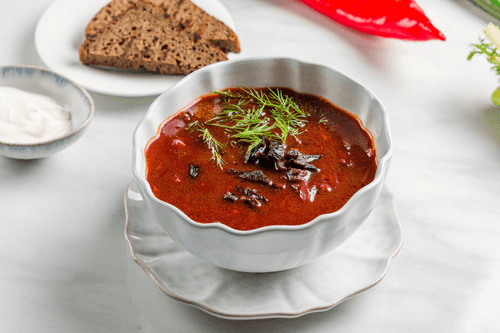
The recipe was shared with us by Takhir Tsakoev, brand chef of the Kislovsky Taste & Place restaurant.
17
8
60
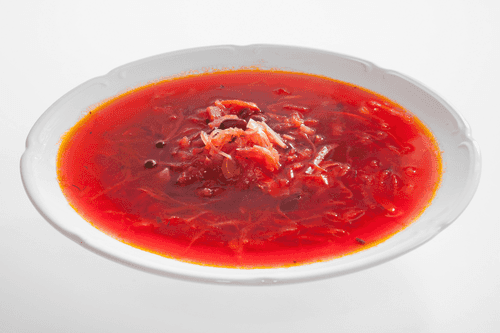
Lenten borscht is a hearty and aromatic dish of Russian cuisine, distinguished by its rich flavor and appetizing color. Its history dates back to times when Lenten dishes were an important part of the diet, especially during religious restrictions. The main ingredients—beetroot, cabbage, beans, and potatoes—create a harmony of sweetness, acidity, and tender texture. Lemon juice enhances the flavor of beetroot while allspice and bay leaves add refined spiciness. This dish wonderfully satisfies hunger, warms you up, and fills you with energy, especially on cold days. The longer the borscht infuses, the richer its taste becomes. It is served hot with fresh herbs and garlic to enhance the aroma—a great choice for those seeking a nutritious and healthy meatless dish.
18
12
45
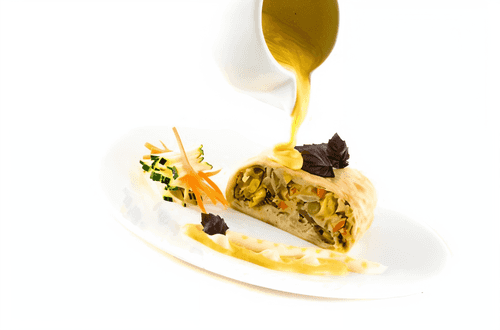
Pineapple and anise dressing is a vibrant combination of exotic fruits and spices from European cuisine, where the balance of sweet and savory flavors is valued. Anise, known for its warm, slightly licorice aroma, perfectly complements the juiciness of pineapple and the tenderness of peaches. Olive oil adds smoothness while sea salt enhances the natural tones of the ingredients. This dressing is ideal for fresh salads, especially with greens and seafood, and can also be used as a savory sauce for meat or even desserts. Its rich flavor and creamy texture make any dish refined and multifaceted.
5
4
15
Clementines in ginger-anise syrup are an exquisite dessert inspired by the aromas of Arab cuisine. It combines the sweetness of clementines, the spiciness of fresh ginger, and warm, spicy notes of cardamom and star anise. This dessert is enveloped in a tender, rich syrup that reveals subtle hints of citrus and Eastern spices. Historically similar combinations are found in traditional Eastern sweets where fruits are often marinated in spiced syrups to enhance their flavor and aroma. The dish is perfect for concluding a meal, highlighting its sophistication. Added pomegranate seeds provide freshness and a slight tartness, making the flavor more complex. This dessert can be served as a standalone dish or used as an elegant addition to pies and creams.
7
4
210
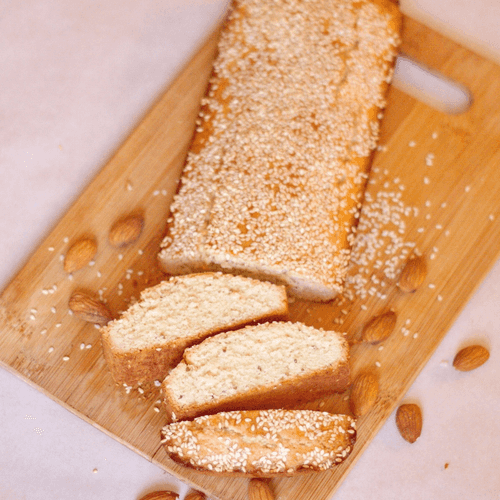
Almond biscuits with anise and sesame are a refined treat of Moroccan cuisine, infused with the aromas of the Mediterranean. Their origin is rooted in Maghreb baking traditions where spices play a key role. Crispy and slightly crumbly, they combine the warm nutty flavor of almonds, the sweet spice of anise, and the delicate aroma of vanilla. Sesame gives the biscuits a thin crunchy crust, making them a perfect complement to a cup of mint tea. These biscuits can be served as a standalone dessert or paired with fruits and light creams. Thanks to the harmonious blend of ingredients, they become an exquisite decoration for any table, embodying the charm of Eastern sweetness and the warmth of traditional home treats.
13
10
150
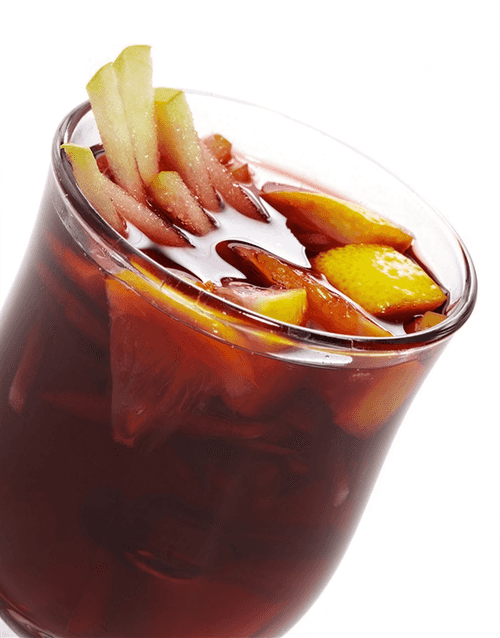
Apple mulled wine with Cointreau, anise, cranberry, and cinnamon is a refined hot drink born in the cozy corners of French cuisine. It combines the softness of apple juice, the tartness of red wine, and the spicy warmth of cinnamon and star anise to create a harmony of flavors. The light citrus acidity of lemon and the fresh berry note of cranberry add sophistication to the drink, while Cointreau liqueur adds exquisite sweetness and depth. This mulled wine is perfect for winter evenings, warming the soul and filling the space with festive aromas. It is served hot with fruits and berries, creating an atmosphere of comfort and enjoyment. Such a drink pairs wonderfully with desserts, cheeses or simply good company, turning an ordinary evening into something magical.
9
12
20
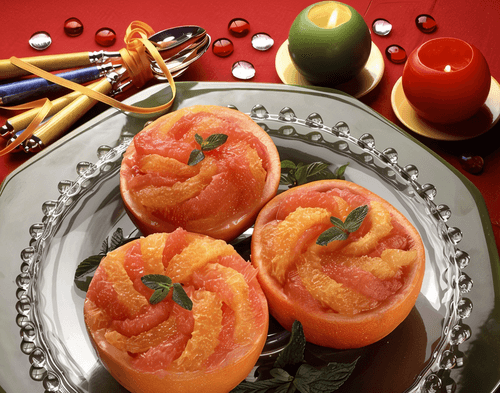
Citrus salad with anise syrup is a true embodiment of freshness and refined taste. Based on European culinary traditions, it combines the sweetness of blood oranges and the tartness of grapefruits, highlighting their aroma with exquisite anise syrup. This dessert can transport you to the sunny gardens of the Mediterranean, where the freshness of citrus fills the air. Light and refreshing with a soft spicy note of star anise, it is perfect for finishing a meal or as a standalone dish to enjoy on a summer day. The clear syrup gently envelops the fruits, creating a harmonious balance of sweetness and acidity. Serve it chilled, adding mint or nuts to enhance the flavor. This salad is not just a dish—it's an art of enjoying nature's natural and elegant flavors.
5
8
45




















