











Recipe Catalog
Recipes with all the words: 1. Next come recipes that match some of the words

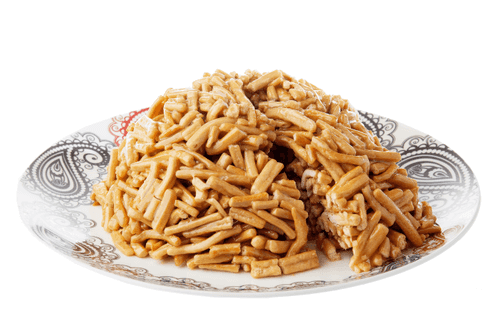
A recipe that got its name thanks to Zimin's powerful myth-making abilities. These are not syrniki at all and not Kuban at all - these are Moscow-Armenian khachapuriki, introduced into the editorial board by Irina Meglinskaya. The recipe quickly went to the people, and now you can even find a video on YouTube of how this original Cossack dish is prepared by the owner of Moscow Armenian recipes Gayane Breiova.
7
6
30

Kuban-style tomatoes are a bright and aromatic dish of Russian cuisine that reflects the color and generosity of Kuban. Its roots go back to the traditions of vegetable pickling widely practiced among Cossacks. Lightly salted tomatoes stuffed with a spicy mixture of garlic, pepper, carrots, and celery acquire a rich flavor with a slight spiciness. Additional herbs like dill and horseradish add fresh notes, while sugar and salt provide a balanced harmony of sweetness and saltiness. The dish is perfect as an independent appetizer or as an accompaniment to meat and fish dishes.
8
7
600

Pickled grapes in the Kuban style is a traditional Russian preparation that gives the berries a tangy-sweet flavor with spicy notes. This recipe has roots in folk methods of preserving harvests, where fermentation was used for natural food preservation. Grapes infused with the aroma of dill, bay leaves, and pepper acquire an unusual rich taste, while mustard creates a natural protective film that aids fermentation. This treat perfectly complements meat dishes, homemade snacks, and even cheese platters, revealing new shades when paired with different products. In Russia, pickled berries are especially popular in rural areas where pickling traditions are passed down through generations.
6
12
10

Grilled salmon Kuban style is a refined dish inspired by Russian culinary traditions and southern aromas. Kuban cuisine is famous for its combination of fresh natural ingredients and fragrant herbs, making this recipe special. Salmon fillet marinated in a refreshing mix of olive and sesame oils with lime juice absorbs rich flavors of spices and citrus notes. The grill gives the fish a crispy crust and tender, juicy texture. Basting with orange juice every 10 minutes adds caramel notes to the flavor. Serving on lettuce leaves with soy sauce, cherry tomatoes, and sesame completes the picture, creating a harmonious balance of sweetness, acidity, and spice. This dish is perfect for festive dinners as well as cozy family gatherings.
17
2
40
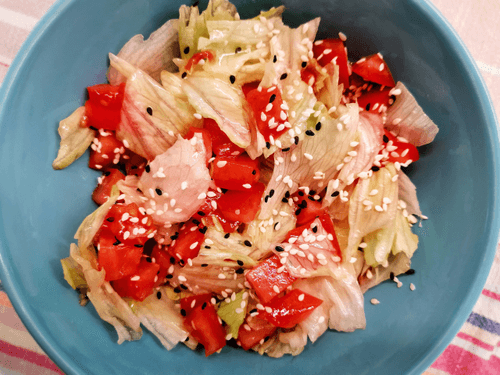
Light Kuban salad is an ode to simplicity and freshness, embodying the spirit of warm summer days in Kuban. This salad, with crispy iceberg lettuce, ripe Kuban tomatoes, and a subtle sesame aroma, is perfectly complemented by delicate sunflower oil. Its taste is a harmony of freshness, light sweetness of tomatoes, and nutty notes of sesame. Historically, Kuban is famous for its abundance of vegetables and greens, and the local cuisine values natural flavors. This salad is great as a standalone dish or as a side to meat and fish dishes. It’s best served immediately after preparation while the ingredients retain their freshness and crunch.
5
1
5

Hearty Kuban-style scrambled eggs are a true symphony of flavors born in the fertile lands of Kuban. It combines the freshness of vegetables, the tenderness of eggs, and the richness of spices to create a nutritious and aromatic dish. Young zucchini, juicy tomatoes, and vibrant ramiro peppers add freshness and lightness to the eggs, while sausages provide heartiness. Sumac and dry adjika highlight the richness of flavor nuances, while melted caciotta cheese completes the harmony of textures. This dish is perfect for a family breakfast or a leisurely dinner when you crave something cozy and delicious. The scrambled eggs can be served with crispy bread or fresh herbs, enjoying its warming taste. Kuban scrambled eggs are not just food but a warm memory of a village hearth and the hospitality of southern regions of Russia.
10
2
15
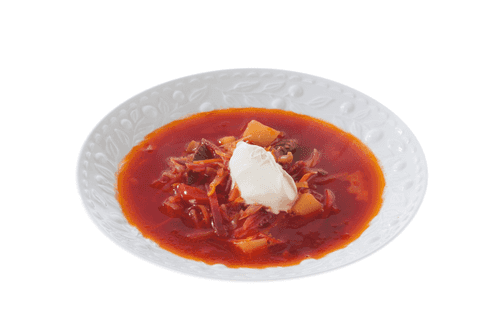
Kuban borscht is a very wintery variety of borscht: it is dense, rich and very filling. To achieve this effect, the broth is cooked on the meat on the bone, and the frying is fried in lard.
15
10
180
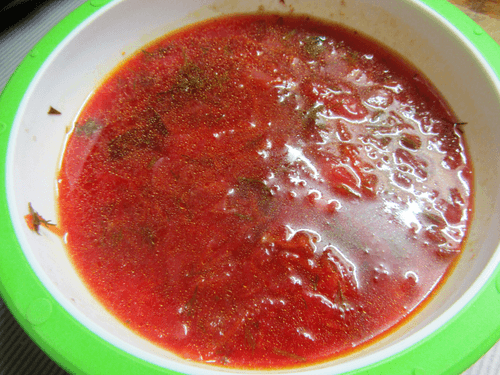
Kuban borscht is a bright and rich dish of Russian cuisine, distinguished by its rich flavor and thick consistency. Its roots go back to Cossack traditions where housewives prepared this borscht with meat on the bone to give the broth a deep aroma. The combination of beets, tomatoes, and sweet peppers gives the borscht a pleasant sweet-sour note, while adding cabbage and greens makes it fresh and light. A special technique for frying vegetables imparts a rich taste and appetizing color to the dish. Kuban borscht is served hot, complemented with sour cream and hot pepper that enhances its complexity. It is not just a soup but a true art of flavor that warms the soul and brings the family together at the table.
15
8
90
Kuban soup made from oxtails is a deep, rich broth born from the traditions of southern Russian lands. Its roots trace back to peasant cuisine where every part of the animal was utilized. Long simmering over fire reveals the incredible flavor of oxtail, making the broth thick and aromatic. Port wine and wine vinegar add subtle notes of sweetness and acidity, while paprika and dried tomatoes provide a warm, slightly spicy touch. The finishing touch is egg yolks poured in a spiral, creating a delicate texture and appetizing appearance. This soup not only warms but also satisfies, making it perfect for cozy family lunches or leisurely evenings with friends.
13
4
30

Great borscht, which everyone who has ever been to Krasnodar knows about. This is how borscht is prepared in the restaurant "Skotina" of Takhir Kholikberdiev.
17
4
240
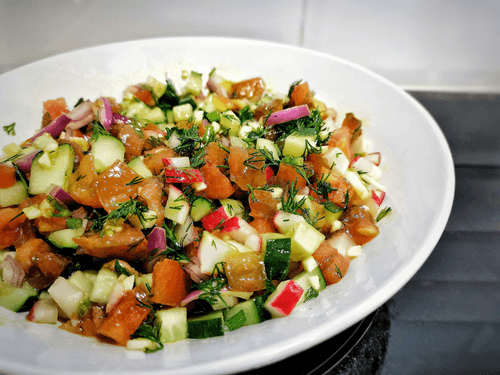
Kuban vegetable salad with garlic is a bright and aromatic dish reflecting the traditions of Russian cuisine. Its roots go back to the fertile lands of Kuban, where fresh vegetables have always been a staple. This salad combines juicy tomatoes, crunchy cucumbers, spicy radishes, and the rich flavor of garlic, creating a harmonious balance of freshness and spiciness. Dressed with mustard oil, it gains a subtle sharpness and pleasant aroma. The Kuban salad perfectly complements meat and fish dishes and can also serve as a light snack on its own. It is easy to prepare but has a rich taste that is especially good in summer when vegetables reach their peak ripeness.
8
1
10
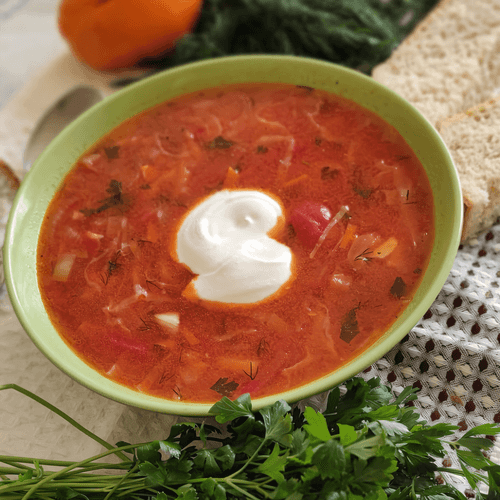
Kuban borscht is a bright and aromatic dish of Russian cuisine infused with the warmth of southern regions. Its base is a hearty beef broth combined with a rich bouquet of vegetables: sweet beets, tender cabbage, and fragrant herbs. The slight acidity of tomatoes and a hint of garlic spice give the borscht a rich and balanced flavor. The sautéed carrots, onions, and beets make the broth thick and deep in color. Kuban borscht is distinguished by its rich composition and delicate, slightly sweet taste. It is served hot, always with a spoonful of sour cream that softens the richness of the broth. This dish is not only nourishing but also warming, making it perfect for family lunches and festive gatherings while reminding one of the traditions of Russian hospitality.
12
8
120

Lviv syrniki is a symbol of Lviv and as iconic a Ukrainian dessert as the Kyiv cake. These are not the usual syrniki, but rather a casserole. In the classic version, raisins and lemon zest are added to the Lviv syrniki, but there are versions with fresh berries, cocoa and even potatoes. The finished syrniki is covered with glaze and left to stand in the refrigerator for 4-5 hours before serving.
9
8
60

Syrniki - a story about the perfect breakfast. The story is even somewhat religious: to fry or to bake? With flour or without? These disputes easily bring to a white heat - except perhaps for those who prefer scrambled eggs. This recipe calls for adding flour, frying, and baking. And these syrniki are also sprinkled with pepper, so that they awaken the appetite even in those who do not eat fermented milk products at all
13
2
15

In the book by Vlad Piskunov "Russian cuisine. The best in 500 years" this recipe is called "Syrniki knizhkoyu". The name is taken from the classic book on housekeeping by Pelageya Aleksandrova-Ipatyeva and is explained very simply: in the old days, any pancakes made with milk and its derivatives were often called syrniki (and what we all thought of were cheese pancakes), and why a book - apparently, the pancakes folded into a triangle resembled stitched together notebooks. In fact, a very convenient recipe: buy 2 liters of milk, ferment for a couple of days - and now both the whey for the dough and the cottage cheese for the filling are ready.
9
6
60