











Recipe Catalog
No recipes contain all the words, showing recipes that match some of them
Khinkali with pumpkin and adjika is a bright representative of Georgian cuisine, combining the gentle sweetness of pumpkin with the spiciness of adjika. Historically, khinkali were made with meat filling, but this variation gives the dish a special lightness and exquisite taste. The hand-kneaded dough becomes elastic and soft, perfectly holding the juicy filling. Baked pumpkin acquires caramel notes, while cilantro adds freshness. Onions sautéed to a golden color bring depth of flavor, and adjika adds sharpness and richness. These khinkali are perfect for a cozy family dinner or a festive table where you want to surprise guests with an unusual combination of ingredients. It is recommended to serve with traditional Georgian sauce or sour cream to highlight the richness of flavors.
6
3
60
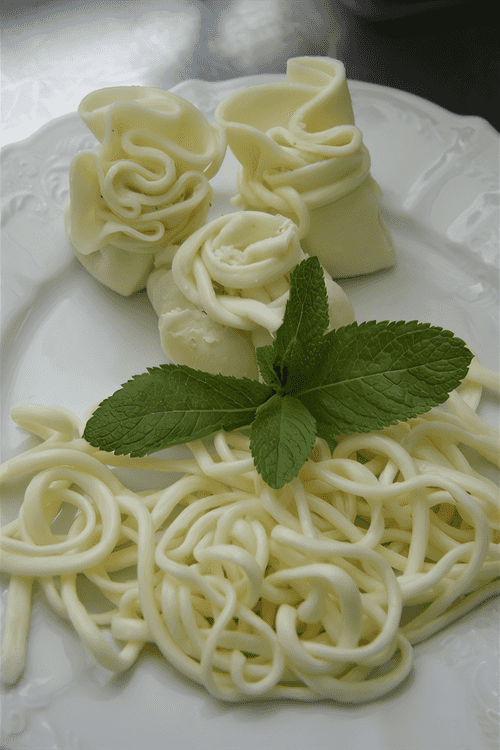
Lazurad is an amazing Georgian dish where traditional cooking techniques blend with exquisite flavor. Khinkali, but not ordinary ones; they are made from pliable sulguni that wraps a delicate filling of cheese seasoned with fresh mint and spicy green adjika. This version of khinkali has a bright, fresh taste where creamy and spicy notes intertwine harmoniously. The sulguni transformed into noodles gives the dish a unique density and elasticity, while the mint adjika adds a refined spiciness. This dish is served with sulguni noodles complemented by fresh herbs, making it not only delicious but also aesthetically appealing. Lazurad is perfect for festive gatherings as well as for culinary experiment enthusiasts, allowing one to enjoy the depth of Georgian cuisine.
3
1
30
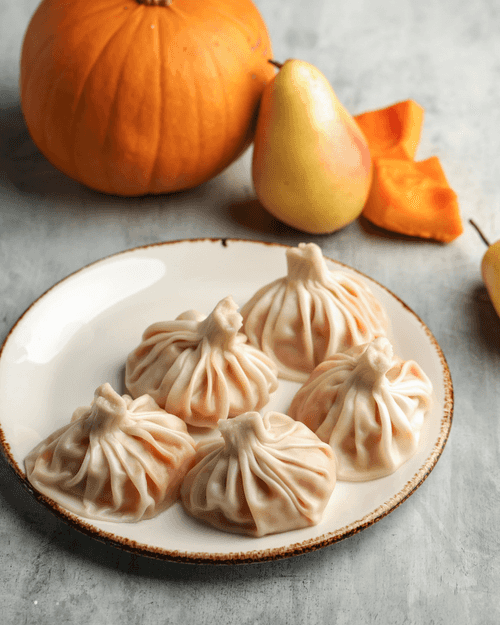
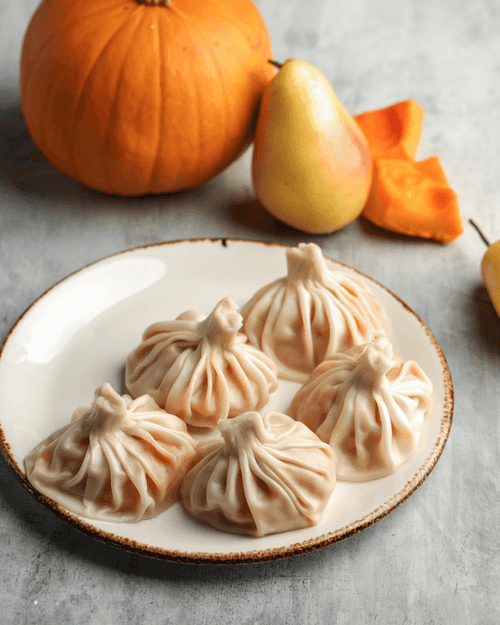
Sweet khinkali with pumpkin and pear is an unusual interpretation of the traditional Georgian dish, where the classic meat filling gives way to a delicate fruit-pumpkin puree. This recipe combines the aroma of baked pumpkin and the juiciness of ripe pears, creating a harmony of sweet flavor with subtle caramel notes. The light dough envelops the filling, ensuring the softness and airiness of the khinkali, while a hint of sweetness makes them perfect for dessert or an original breakfast. They can be served with honey or nut sauce to highlight the dish's natural sweetness. This recipe is a wonderful way to present khinkali in a new light, adding refined sweetness to Georgian cuisine while preserving its warm soul and traditions.
6
2
60
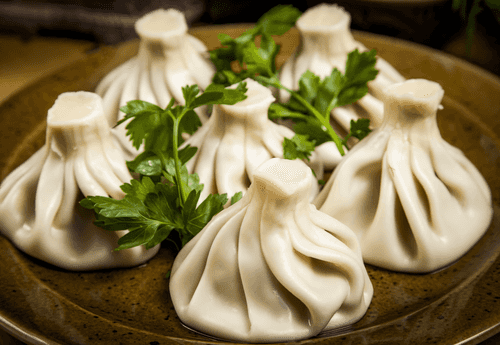
Tbilisi's city khinkali by Nana Chechelashvili is a refined embodiment of Georgian culinary tradition. Unlike rural versions, these khinkali have an elegant shape with neat folds and tender, juicy filling. The mixture of beef and pork, complemented by spicy 'Georgian pesto', gives the filling a deep aroma, while the dough rolled in a special way becomes elastic and soft. During cooking, they fill with meat juice, creating unforgettable taste sensations. The recipe's history traces back to Tbilisi's kitchen traditions where each housewife perfected her skill in making khinkali. These exquisite dumplings are served hot sprinkled with black pepper and eaten by carefully biting into them to enjoy the broth inside. Tbilisi khinkali is not just food but an art form symbolizing hospitality and culinary mastery.
13
12
40
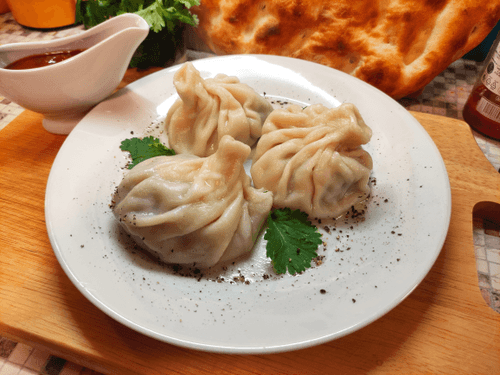
Khinkali is the pride of Georgian cuisine, a juicy and aromatic dish reflecting the soul of Caucasian traditions. Their history traces back to mountainous regions where shepherds prepared them with meat while preserving juiciness inside. The taste of these khinkali is rich and spicy, with a tender blend of beef and pork complemented by cilantro and spices. The uniqueness of the dish lies in its way of consumption: khinkali are held by the tail, bitten into to first enjoy the broth and then the meat filling. They are perfect for family gatherings and friendly meetings, and their aroma transports you straight to the heart of Georgia where warmth, hospitality, and rich flavors create a festive atmosphere.
11
6
120
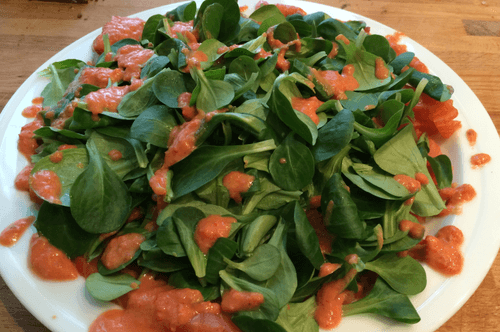
Salmon carpaccio with lightly salted salmon, adjika, and horseradish is an exquisite dish inspired by Italian traditions. The lightness and tenderness of the salmon harmoniously combine with the bright spiciness of adjika and the sharpness of horseradish, creating a delightful contrast of flavors. The origins of carpaccio trace back to Venice, where it was first made from beef, but over time variations with fish became equally popular. This salmon version is a great choice for gourmets who appreciate freshness and sophistication. Corn salad adds a textural play, while the tomato-pepper sauce with garlic gives the dish richness and a slight sweetness. Such carpaccio would make an excellent appetizer for a festive table or an elegant option for a romantic dinner, highlighting the richness of Mediterranean cuisine.
10
6
10
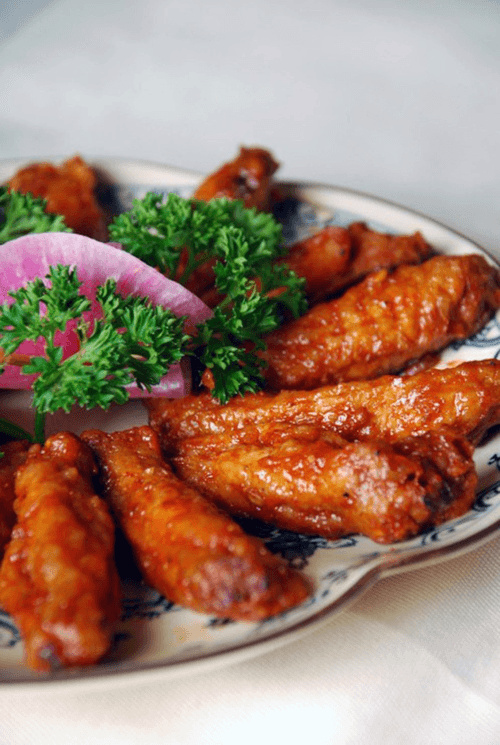
Chicken wings with adjika and garlic are a bright and aromatic dish from the rich traditions of Caucasian cuisine. Wings marinated in a spicy mix of mayonnaise, hot adjika, garlic, and black pepper acquire a rich flavor with pleasant spiciness and slight sourness. They are baked until golden brown while remaining juicy inside. This dish is perfect for friendly gatherings or family dinners and pairs well with fresh vegetables, herbs, and light sauces. The finished wings can be served as a standalone treat or as part of a meat feast, highlighting the hosts' hospitality and culinary skills.
5
4
30
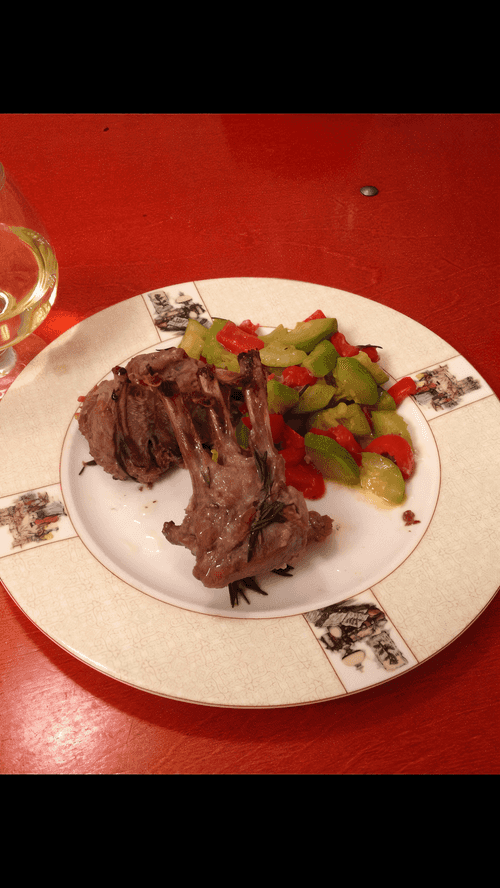
Lamb rack with homemade adjika and vegetable ratatouille is a masterpiece of French cuisine, combining tender meat with the richness of aromatic spices and vegetables. The origins of this dish trace back to Provence, where ratatouille is a traditional side dish highlighting the freshness of local produce. Juicy lamb rack infused with garlic-rosemary oil gains a rich flavor with subtle herbal notes. The slowly cooked vegetable ratatouille reveals the sweetness of peppers, zucchini, and eggplants, while homemade adjika adds a spicy kick and tomato tanginess. This dish is perfect for a festive dinner, blending rustic simplicity with the sophistication of haute cuisine.
13
3
20

Kharcho with adjika and tomato paste is a rich, spicy Georgian soup filled with the aromas of Eastern spices and fresh herbs. Its history roots in the traditional cuisine of Georgia, where kharcho symbolizes home comfort and generous feasting. The dish is based on beef that simmers for a long time in broth, revealing its depth of flavor. Nuts add tenderness to the soup, while the combination of adjika and tomato paste brings spiciness with a slight tang. Spices like khmeli-suneli, saffron, and coriander fill the dish with warmth and spice. Kharcho pairs perfectly with aromatic bread or lavash, and its thick consistency makes it hearty and warming on cool evenings. This dish is a gastronomic journey to the heart of the Caucasus, filled with passion and traditions.
18
4
60
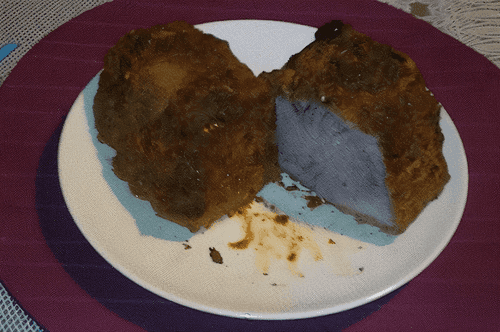
This dish reflects the richness of Georgian cuisine, combining the aromas of spicy herbs and the heat of adjika. The roasted meat, thoroughly soaked in a marinade of basil, dill, and white balsamic vinegar, acquires a deep flavor and tender texture. Garlic adds spiciness while sour cream softens the heat of adjika, creating a harmonious balance. Onions roasted with the meat add a light sweetness, and cooking in a bag preserves the juiciness of each piece. This dish is perfect for festive gatherings, revealing the wealth of Georgian traditions. It pairs wonderfully with red wine and fresh vegetables, highlighting vibrant flavor nuances. From the first bite, it transports you to the heart of Georgia where food is more than just a meal; it's an art that brings people together at one table.
9
4
180
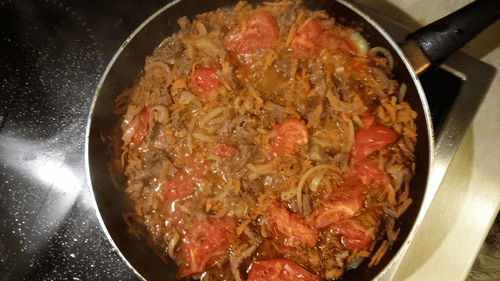
Beef with adjika and tomatoes is a dish that combines rich meat flavor and the spiciness of traditional adjika. This recipe is inspired by Italian cuisine, where fresh tomatoes and aromatic spices play a key role. The tenderness of the stewed meat is achieved through the proper cooking process: first it releases its own juice, then absorbs the spicy sauce, while vegetables add freshness and sweetness to the dish. Onions, carrots, and tomatoes create a pleasant balance of flavors, while herbs finish the composition with a delicate aroma. This dish pairs wonderfully with side dishes like mashed potatoes or pasta. It is suitable for both family dinners and festive tables, delighting with its rich taste and appetizing appearance.
7
4
40
Homemade adjika with apples is a fragrant and spicy condiment inspired by European culinary traditions. Its history traces back to ancient recipes of hot sauces that complemented dishes, giving them a rich flavor. In this interpretation, the tartness of apples, juiciness of tomatoes, and spiciness of horseradish harmoniously combine to create a perfect balance of flavors. Its delicate texture and rich bouquet of aromas make adjika a versatile addition to meat, fish dishes, and appetizers. It can be used as a sauce, marinade, or spicy addition to side dishes. Made at home, it retains freshness and natural taste qualities, giving each dish a special character. The spiciness is adjusted with salt and sugar, allowing for the creation of the perfect flavor tailored to one's gastronomic preferences.
7
4
35
Homemade plum adjika is a vibrant embodiment of Georgian cuisine, combining the sweetness of fruits with the spiciness of spices. The history of this dish is rooted in the traditions of the Caucasus region, where spices and fresh vegetables are the basis for many sauces. Aromatic plums give adjika a rich, slightly sweet-and-sour taste that harmoniously complements the heat of chili peppers and the intense aroma of garlic. This adjika pairs perfectly with meat dishes as well as cheeses, enhancing the flavors of familiar foods. It can be used as a marinade for kebabs or a zesty addition to hot dishes. With its natural ingredients and simple preparation, homemade plum adjika will become an essential element in the kitchen for those who love rich and expressive flavors.
7
10
20
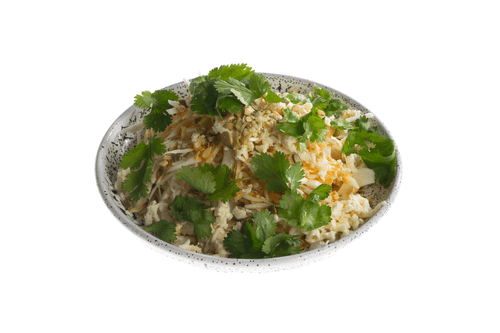
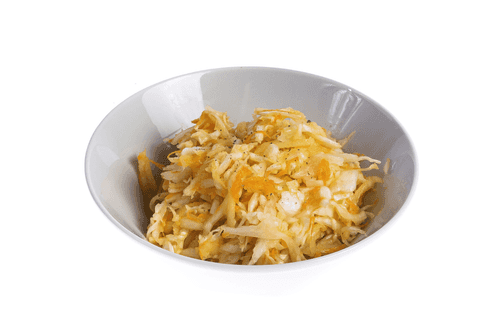
The recipe was prepared in our kitchen by chef Dmitry Pogorelov. Our Russian white cabbage goes well with spicy southern sauces. The leitmotif of this very simple salad is the dressing : adjika, sunflower oil, soy sauce.
9
6
30
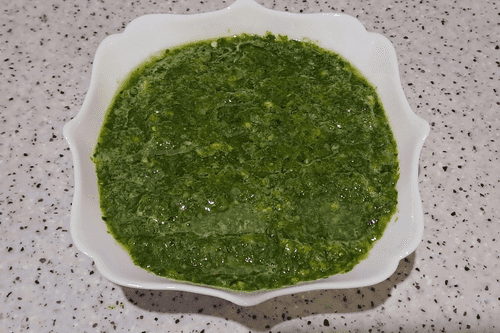
Raw green ajika is a bright and aromatic sauce from Georgian cuisine, filled with the freshness of herbs and spicy zest. Unlike classic ajika, this version does not require cooking, preserving the richness of flavors. Sweet and hot peppers, garlic, basil, and parsley create a harmonious blend of spice and freshness, while the addition of vinegar and oil gives the sauce a delicate texture. This ajika perfectly complements meat dishes, vegetables, and even fresh bread with a special touch of spiciness. The recipe's origins delve deep into Georgian traditions where every meal is rich in flavors. This sauce not only decorates the table but also awakens the appetite with its rich aroma and vibrant taste.
9
12
60