












Recipe Catalog
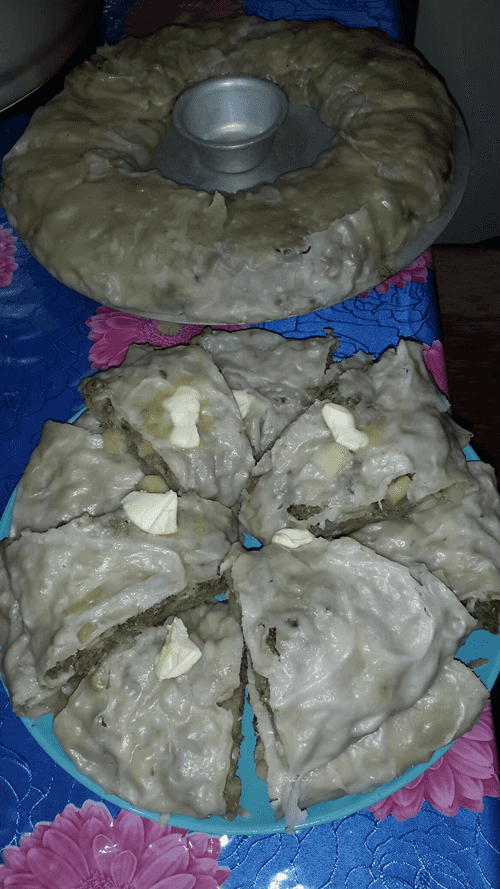
Khanuma is a dish that embodies the coziness of home cooking and the richness of Eastern traditions. Its origin is linked to Turkey but it is also popular in Central Asia. This version of manti is distinguished by its simplicity in preparation; instead of individual dumplings, the dough is rolled into a large circle and wrapped into a roll. The filling—juicy lamb with onions, potatoes, and aromatic spices—makes the dish hearty and rich. The addition of tail fat gives it special softness and depth of flavor. Khanuma is steamed, which preserves the natural juices of the meat and makes the dough tender. The dish pairs wonderfully with garlic sauce, fresh vegetables or yogurt dressings, creating a true feast of flavors. Perfect for cozy family evenings or gatherings with loved ones.
10
4
30
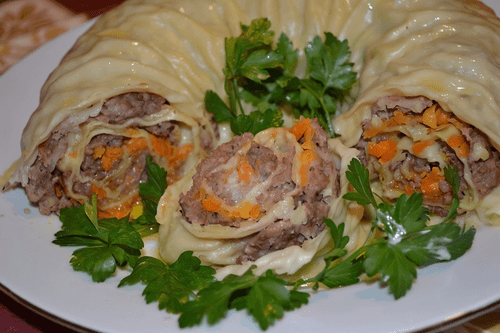
Hanum is a traditional Uzbek dish that resembles manti but is prepared in the form of a roll. Its origin is closely linked to Central Asian cuisine, where dough dishes with meat filling are particularly popular. The thin, tender dough soaked with the juices of minced meat and aromatic onions makes hanum incredibly juicy and rich. It is steamed, giving it a special softness and depth of flavor. Unlike classic manti, hanum is rolled out into a single sheet, filled with stuffing and rolled up, which helps retain all the juices inside. It is served with sour milk sauces or vegetable dressings that perfectly complement its tenderness. This dish is great for family dinners as well as festive gatherings, showcasing the richness of Uzbek cuisine.
9
4
75




















