

















Recipe Catalog
Recipes with all the words: 2. Next come recipes that match some of the words

Tonkatsu is a crispy and juicy pork cutlet fried in a golden breading. Originating in Japan in the late 19th century under the influence of Western cuisine, it has become one of the most popular dishes. Classic tonkatsu is made from pork that is breaded in panko crumbs, giving it an airy and crunchy texture. Fried in oil until golden brown, it turns out incredibly juicy inside. It is usually served with cabbage and a tangy tonkatsu sauce that adds a rich sweet-spicy flavor to the dish. This perfect combination of crunch, tenderness, and vibrant flavor nuances makes tonkatsu a beloved dish not only in Japan but also far beyond its borders.
7
4
60
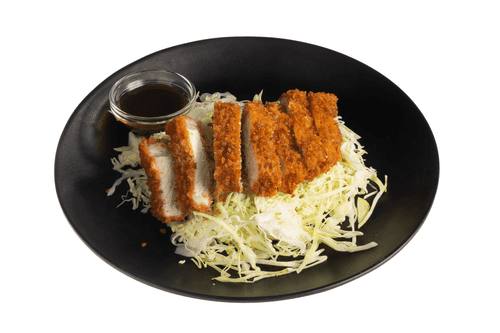
Thickly breaded cutlets that are believed to have come to Japanese cuisine from France: the French word côtelette became read as katsuretsu, or simply "katsu", in Japan. Essentially, these are deep-fried pork chops, an everyday food that is even sold frozen in supermarkets. But homemade tonkatsu is, of course, tastier: a crispy crust of airy panko breadcrumbs and a juicy core. Before serving, tonkatsu is cut into strips and complemented with fresh cabbage salad and sauce. The recipe is very simple, try to cook it and see for yourself.
7
2
30

Tonkatsu is one of the most popular dishes in Japanese cuisine, introduced to Japan in the late 19th century under the influence of Western culinary traditions. It consists of tender, crispy pork cutlets breaded and traditionally served with tonkatsu sauce and fresh vegetables. The fried meat has a rich flavor and appetizing texture, while the light crunch of the breading contrasts beautifully with the juiciness of the pork. This dish is loved not only in restaurants but also at home, where it is prepared with a minimal set of ingredients. It can be served with rice or cabbage salad, creating a harmonious balance of flavors. Tonkatsu is not just food; it is part of Japanese gastronomic culture that combines European and Eastern traditions.
6
2
60

Tonkatsu is a popular Japanese dish that emerged under the influence of Western cuisine in the late 19th century. It consists of a crispy and golden cutlet made from tender pork meat, fried in breadcrumbs. Juicy on the inside and crunchy on the outside, tonkatsu captivates gourmets with its simple yet rich flavor. It is usually served with thick tonkatsu sauce that adds savory and sweet notes, along with fresh cabbage and rice, creating a balanced and hearty meal. This dish is perfect for both everyday dinners and cozy gastronomic evenings.
4
1
30

Recipe from Chef Kobayashi Katsuhiko for the Izumi Restaurant.
8
3
25
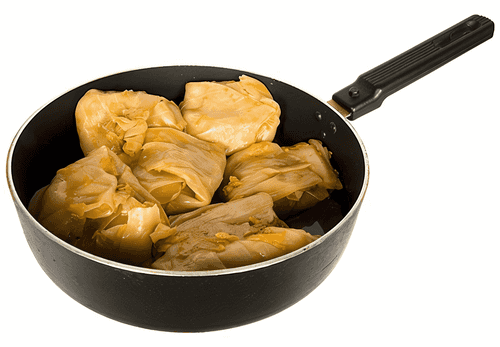
Cabbage rolls with beef, pork, green onions, and chili are a refined dish of Japanese cuisine that combines the tenderness of stewed cabbage with the rich flavor of minced meat. The origins of this recipe trace back to traditional Japanese cooking techniques where ingredients are carefully balanced for harmony of flavors. The delicate combination of beef and pork with the spiciness of chili reveals the dish's complexity, while the aromatic dashi broth adds depth to the taste. Mirin and sake bring a light sweetness, making the texture of the rolls even softer. This dish is perfect for a cozy family dinner or as an elegant treat for guests, showcasing the art of Japanese gastronomy.
13
2
35

Tondziru is a soulful and warming Japanese soup traditionally made in cold months. Its roots trace back to rural Japan where pork and vegetables combine into a nourishing dish filled with deep flavors. Fresh vegetables like daikon, carrots, and potatoes add richness to the soup while tender pork complements its softness. The miso paste base with dashi broth creates a rich umami flavor highlighted by notes of sake and soy sauce. This soup is not only nutritious but also versatile—it can be served as a standalone dish or alongside rice. A garnish of green onions and a pinch of red pepper adds freshness and a hint of spiciness. The perfect blend of flavors makes Tondziru a beloved Japanese comfort food that warms the soul any time of year.
12
5
15

Tonkatsu with chili, daikon, and green peas is a bold interpretation of the classic Japanese dish. Tonkatsu, a traditional breaded and fried pork cutlet, takes on fresh and spicy notes in this version thanks to the vegetables and hot chili. The dish's history dates back to the mid-20th century when Japan adapted Western cooking methods to create signature combinations. The crispy crust of tonkatsu pairs with tender, juicy meat while fresh vegetables add lightness and balance of flavors. Served with lettuce leaves and a sauce based on ketchup and Worcestershire sauce makes it rich and appetizing. This is not just a meat dish but a gastronomic journey that connects traditional Japanese methods with modern flavor accents.
14
4
50
Tonkatsu sauce is one of the symbols of Japanese cuisine, created to accompany crispy tonkatsu cutlets. Its flavor is a harmony of sweetness, tanginess, and mild bitterness from tomato paste, soy sauce, sake, and rice vinegar. The delicate spice of ginger and garlic adds depth while sugar balances the notes. The sauce's history dates back to the Meiji era when Japan adapted Western culinary traditions to create unique interpretations. This thick, velvety sauce is used not only for tonkatsu but also for other dishes: from omurice to French fries, adding richness and expressiveness. Its preparation is a slow reduction process that allows flavors to merge into a perfect symphony. Tonkatsu sauce is not just an accompaniment but the final chord of Japanese gastronomic melody.
7
8
30

Japanese-style oven-fried potato sticks are a crispy and aromatic dish that combines the simplicity and sophistication of Japanese cuisine. Potatoes baked to a golden color acquire an airy texture inside and an appetizing crust outside. Light olive oil and a blend of seven spices add depth of flavor, giving the dish a spiciness and delicate Eastern touch. This treat pairs perfectly with various sauces and can be a wonderful addition to a meal or enjoyed as a standalone snack. The simplicity of preparation makes it accessible even for beginners, while the rich taste impresses culinary experiment enthusiasts. The origins of the recipe trace back to traditions using minimalist ingredients that allow for the natural flavors of the products to shine, characteristic of Japanese gastronomy.
5
6
60

A snack of aromatic shrimp with Japanese mayonnaise is an exquisite dish brought from the depths of Japanese gastronomy, where the freshness of ingredients and harmony of flavors play a key role. The combination of tender royal shrimp infused with lime aroma and a hint of chili creates incredible taste pleasure. This composition is complemented by Japanese mayonnaise with wasabi, rice vinegar, and green onions, adding a refined spiciness to the dish. Perfect for a light aperitif that refreshes and stimulates the appetite. Thanks to its balance of sweet-sour and spicy notes, this dish pairs wonderfully with chilled white wine or sake. Simple to prepare yet impressive in flavor, this recipe will be a great addition to any table where delicacy and originality of taste are valued.
7
4
20

Marinated wild garlic in Japanese-Korean spices is a vibrant blend of Eastern flavors and European cuisine. Wild garlic, known for its light garlic aroma, becomes particularly piquant thanks to a mix of seven spices and Korean red pepper. Rice vinegar adds a gentle tanginess while sugar balances the taste, creating a rich and harmonious marinade. This recipe, inspired by Asian traditions, works well as an appetizer or side dish for meat and fish dishes. Left overnight in the fridge, wild garlic absorbs the aromas of the spices, acquiring a complex and rich flavor. This dish not only delights with its aroma but also offers health benefits due to the high nutritional properties of wild garlic. Enjoy this amazing combination of cultures and flavors in every crunchy, spicy bite!
7
4
30

Oyakodon is a variation of the traditional Japanese dish donburi, which is a round bowl of rice topped with various ingredients, from a piece of pork or beef to eel. According to sources, oyakodon was invented in Osaka around 1900 by throwing chicken pieces with spring onions onto rice and pouring an egg over them. The name of the dish, by the way, literally means "mother and child" in Japanese. By the way, oyakodon can be cooked not only with chicken, it is also delicious with beef. And it is not only a breakfast - it can be a lunch or dinner.
7
2
30

Yaki udon is one of the most popular dishes in Japanese cuisine, known for its rich flavor palette and appetizing texture. Originating from regional Japanese restaurants, yaki udon features aromatic noodles stir-fried with seafood and vegetables. The sweet soy sauce adds a delicate umami to the dish, while bonito flakes contribute subtle smoky notes. The combination of scallops and shrimp creates a marine touch, perfectly complemented by shiitake mushrooms and crunchy bean sprouts. This dish not only delights the palate but is also nutritious due to its harmonious balance of proteins and complex carbohydrates.
12
4
20

Steamed dorado with ginger oil and cilantro in Japanese style is a harmony of flavors and textures characteristic of Japanese cuisine. The tender, soft meat of the steamed fish retains its natural juiciness, while the aroma of fresh ginger and cilantro adds lightness and freshness to the dish. Drizzling with hot ginger oil gives a subtle crispy note, softening the vegetables, while drops of soy sauce reveal the umami component. This dish is not only elegant in presentation but also nutritious, as steaming preserves maximum nutrients. This method of cooking fish is popular in Japanese culture, where balance of flavors and minimalism in ingredient processing are valued. Dorado enhanced with ginger oil becomes a refined gastronomic delight that pairs perfectly with a light side dish and a cup of green tea.
7
2
25




















