

















Recipe Catalog
No recipes contain all the words, showing recipes that match some of them

Oyakodon is a variation of the traditional Japanese dish donburi, which is a round bowl of rice topped with various ingredients, from a piece of pork or beef to eel. According to sources, oyakodon was invented in Osaka around 1900 by throwing chicken pieces with spring onions onto rice and pouring an egg over them. The name of the dish, by the way, literally means "mother and child" in Japanese. By the way, oyakodon can be cooked not only with chicken, it is also delicious with beef. And it is not only a breakfast - it can be a lunch or dinner.
7
2
30

Oyakodon is a traditional Japanese dish that combines tender chicken fillet, aromatic soy sauce, and fluffy omelet. Its name translates to 'parent-and-child bowl,' symbolizing the combination of chicken and eggs. This recipe is easy to prepare but surprises with its rich umami flavor. The slightly sweet soy sauce adds depth to the dish while the eggs create a delicate, creamy texture. Oyakodon is served over warm rice that absorbs the rich aroma of the ingredients, making each bite a perfect balance of flavors. This versatile dish is suitable for a quick dinner or a cozy home lunch. Garnished with fresh green onions, it not only pleases the eye but also adds a hint of spiciness. The secret to perfect oyakodon is not to stir the eggs during cooking, allowing them to remain soft and soak up the sauce.
6
4
25

Japanese rice balls with chicken and celery combine traditional rice cooking methods with tender chicken filling, complemented by the freshness of cucumber and a light spiciness of celery. This dish has its roots in Japanese onigiri, which have served as convenient snacks for travelers and workers for centuries. Their taste is soft and harmonious, with subtle hints of sesame oil, while nori adds a light crunch. These balls not only satisfy hunger but also create a sense of home comfort. They are easy to take along, and serving them with soy sauce enhances the flavor even more. They are perfect for a light snack or a full meal, offering a balance of nutritious ingredients in every bite.
9
12
60

This recipe is a true symphony of flavors from Chinese cuisine, combining tender chicken fillet, rich soy sauce, and aromatic ginger. The light acidity of lemon juice highlights the natural taste of the meat, while carrots and onions add a sweet note. The omelet enveloping the chicken gives the dish a delicate texture, and rice serves as a soft backdrop for the rich aroma. Asparagus adds freshness and a slight crunch, creating a wonderful balance. This dish is an ideal option for those who want to enjoy the exoticism of the East at home, impressing guests with its rich flavor nuances and exquisite presentation.
11
4
35

Japanese omelet tamago-yaki is a refined dish that combines the softness and tenderness of eggs with the light aromas of soy sauce and greens. Historically, tamago-yaki emerged as part of the traditional Japanese breakfast and is used in sushi, bento lunches, and even as a standalone dish. This omelet is prepared in layers, creating an airy texture, and the addition of tofu gives it a light creaminess. The flavor is balanced: the subtle sweetness of the eggs pairs with the savoriness of soy sauce and the freshness of greens. It can be conveniently sliced and served as small rolls, making it an ideal addition to a Japanese table. The simplicity of preparation allows anyone to try their hand at being a master of Japanese cuisine by creating delicate, harmonious flavor combinations right at home.
5
2
45

Japanese tamago omelet is a true embodiment of the refinement and balance of flavors characteristic of Japanese cuisine. Its history roots back to ancient traditions where sweetness harmoniously intertwines with tenderness. Known as tamagoyaki in Japan, it is a layered omelet with caramel notes created by sugar and soy sauce. This omelet delights with its softness and slight moisture inside, while its texture becomes perfectly smooth due to the careful straining of the mixture. Tamagoyaki is often served as part of sushi, bento lunches, or as a standalone dish. Its sweet flavor makes it an excellent accompaniment to rice and pickled vegetables. It is not just a dish but a true art embodied in simple ingredients and cooking mastery.
5
4
30
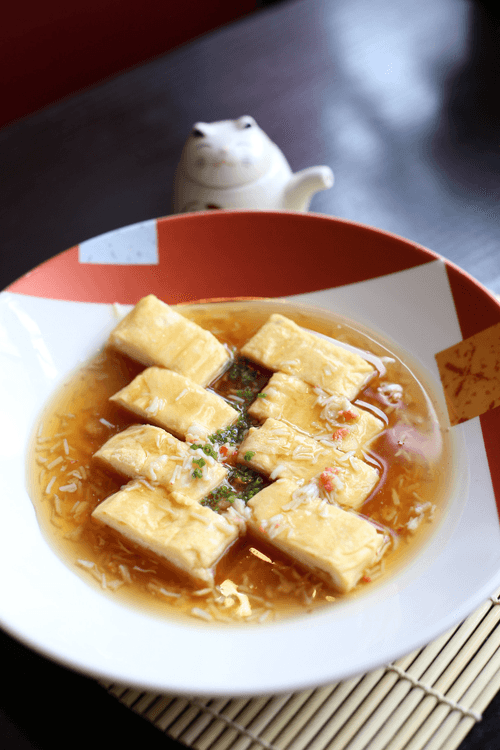
Dasimaki tamago is a delicate Japanese omelet soaked in flavorful dashi broth, giving it a refined taste with light umami notes. This omelet is an integral part of traditional Japanese cuisine, often served as a side dish to sushi or as a standalone dish. Its history dates back to the Edo period when chefs began experimenting with eggs and dashi to achieve a soft texture and rich flavor. The main feature of dasimaki tamago is its layered structure obtained by gradually rolling the omelet in a hot pan. This cooking method keeps it juicy and airy. This refined dish reveals the true essence of Japanese culinary mastery—simplicity, harmony, and deep flavor in every bite.
4
4
60
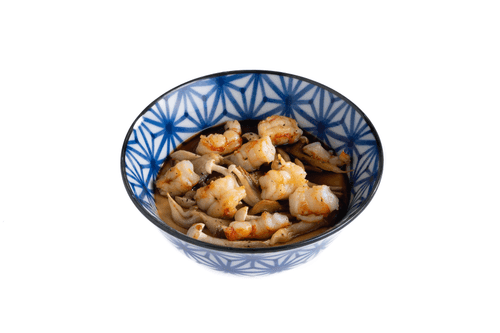
Chawanmushi is an exquisite dish of Japanese cuisine that embodies the harmony of flavors and textures. Its history roots in traditional Japanese culinary techniques where steaming enhances the natural taste of ingredients. The delicate egg base infused with aromatic dashi becomes velvety and airy. The addition of shrimp and mushrooms like enoki and shimeji adds depth to the seafood and mushroom flavors, creating a refined combination. Soy sauce and mirin complement the composition with subtle sweetness and umami. Chawanmushi is served hot, its softness and richness making it popular as an appetizer or light dish, perfect for leisurely tasting of Japanese gastronomy.
12
4
45

Rice balls with filling 'Japanese Raffaello' are an original dish inspired by Japanese cuisine but with a unique approach. They resemble classic rolls but differ in shape and presentation. Sticky rice soaked in rice vinegar gently wraps a filling of lightly salted red fish, fresh cucumber, and cream cheese. The final touch is rolling in white sesame seeds for a light nutty note. The taste is balanced—the soft texture of the cheese complements the freshness of the cucumber while the fish adds richness. These balls are perfect for festive gatherings as well as cozy home evenings. They are served with soy sauce, wasabi, and ginger to enhance traditional Japanese flavors. Elegant presentation and surprising simplicity of preparation make them an ideal choice for gourmets and lovers of Japanese cuisine.
8
5
45
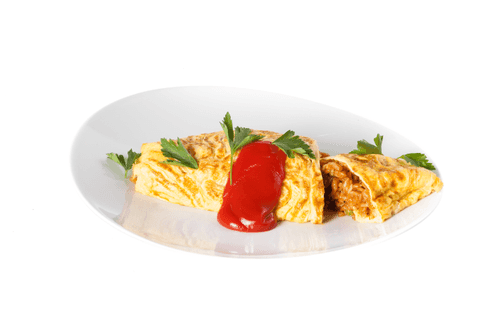
No anime can do without omuraisu, but wrapping rice with chicken in an omelette is more of a British invention that came to Japan along with curry. The recipe is simple, like all ingenious things: onions, chicken and rice are fried, and then wrapped in an omelette. It is important that the omelette is very airy, and the filling is rich: for this, peas, ketchup and soy sauce are added to the rice with chicken. The best way to eat omuraisu is to pour sweet ketchup on top and lightly season it with soy sauce. The effect of omuraisu is absolutely hypnotic - having eaten it once, it is almost impossible not to make a second portion.
11
4
25

Japanese omelet, known as tamagoyaki, is a delicate, slightly sweet dish that has long been part of traditional Japanese cuisine. This omelet is made by layering and baking, creating an airy, multi-layered texture. The combination of soy sauce and rice vinegar gives the eggs a subtle umami flavor, while light caramelization makes it even more appetizing. Tamagoyaki is traditionally served for breakfast, in bento lunches or as a side to sushi, adding warmth with its golden color. It pairs well with rice, fresh vegetables and soy sauce.
3
2
30

Japanese omelet is a refined dish that combines the softness of eggs with the delicate creaminess of mayonnaise. Its cooking technique resembles art: thin layers of omelet are carefully rolled to create an airy texture and exquisite flavor. Although the recipe is simple, its execution requires patience and precision. The dish's origins can be found in Japanese omelet variations like tamagoyaki, but its adaptation with mayonnaise gives it a richer and creamier taste. The omelet pairs excellently with vegetables and meat, creating a harmonious dish for breakfast or a light dinner. The secret to its success lies in the smoothness of movements and attention to detail that transforms an ordinary omelet into a gastronomic delight.
2
1
20
Japanese-style rice salad is a light and fragrant dish that perfectly combines healthy ingredients and traditional Japanese flavors. The base of the salad is fiber-rich brown rice, harmoniously complemented by fresh vegetables, tofu, and a spicy miso dressing. Key elements are nori and black sesame, which give the dish its characteristic umami taste. The recipe's origins trace back to Japanese cuisine, where the balance of flavors and health benefits are always in focus. This salad works well as a standalone dish or as an accompaniment to a main meal. It can be served at room temperature, enjoying the rich texture and exquisite combination of sweet honey, tangy vinegar, and spicy miso paste. Such a dish embodies the Japanese principle of harmony in food.
15
6
40
The recipe is taken from the magazine "Culinary Workshop.
11
4
60
Cloud omelet with rice flour in the microwave is a delicate and airy dish that captivates with its simplicity and unusual texture. The origins of this recipe trace back to European cuisine, where traditional omelets are often modified to add new flavor nuances. Adding rice flour makes the structure lighter, while the microwave turns the cooking process into a quick and convenient ritual. The taste of this omelet is soft and creamy, with a barely noticeable nutty note from the rice flour. It is ideal as a light breakfast or snack, especially when complemented with fresh vegetables or herbs. An important feature is the speed of preparation and minimal set of ingredients that allows creating a delicious dish in just minutes.
4
1
5




















