














Recipe Catalog
No recipes contain all the words, showing recipes that match some of them

Hummus is an ancient dish with roots in the Middle East and Jewish cuisine. Its velvety texture and rich flavor make it an ideal snack or complement to main dishes. Chickpeas, the main base of hummus, give it a creamy tenderness, while tahini enhances the nutty notes. Cumin and garlic add spiciness, and lemon juice brings a refreshing tang. Olive oil completes the composition, adding smoothness and depth of flavor to the dish. Hummus can be served with flatbreads, fresh vegetables, or used as a dip. It’s not just food — it’s a tradition that brings generations together at one table.
6
8
120

Hummus is an iconic dish of Middle Eastern cuisine rooted in Jewish traditions. Its origins date back to ancient times when chickpeas were an accessible and nutritious food. Hummus with tahini is a delicate paste with a nutty aroma balanced by spices and fresh herbs. Coriander and cumin add zest, while cilantro refreshes the taste. This versatile dish can be spread on bread, used as a dip for vegetables, or served with meat. The thick consistency is adjusted with the cooking water from the chickpeas to achieve the perfect texture. Healthy and rich in protein and vitamins, hummus fits perfectly into a healthy diet. With its rich flavor and soft creamy structure, it becomes an integral part of festive and everyday tables.
7
4
70

Hummus with cumin and sesame seeds is a traditional Jewish dish known for its rich flavor and creamy texture. This recipe embodies ancient culinary traditions where chickpeas soaked for several days become particularly tender. Toasted sesame seeds add a nutty depth, while cumin provides a light spiciness that enhances the natural taste of the ingredients. Lemon juice and garlic create a refreshing contrast, making hummus an ideal complement to pita or baguette. The dish gets even better after a day in the fridge when all the flavors meld together. It can be used as a dip, spread, or standalone snack and fits perfectly into the atmosphere of friendly gatherings and cozy family lunches.
9
12
210
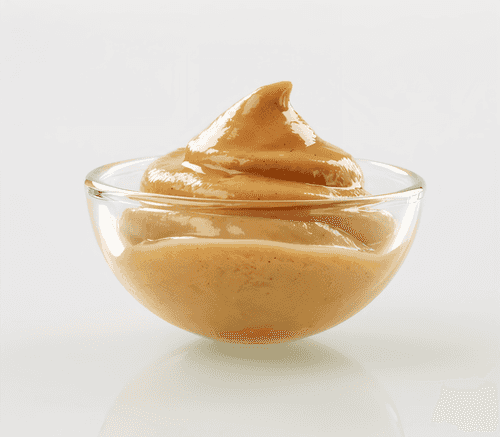
This sauce made from mustard and sesame oil is a magnificent blend of Japanese flavors with a spicy kick. Sesame oil adds richness and nutty notes to the sauce, English mustard provides sharpness, while sweet chili sauce and ketchup create a harmonious balance of sweetness and heat. A pinch of sugar smooths out the flavor nuances, making the sauce milder. This sauce can be used as a marinade for meat or as a zesty dressing for salads, especially pairing well with Japanese dishes. Its origin is linked to traditional Japanese cooking techniques where sesame oil is used to enhance flavor. Due to its simplicity in preparation, this sauce can become an indispensable ingredient in your culinary collection, adding Eastern notes to any dish.
5
4
30
Sea bass with noodles, pak choi, sesame oil, and coriander is a harmony of Japanese cuisine that combines tender fish, aromatic herbs, and balanced Eastern flavors. Soba noodles soaked in teriyaki and yellow bean sauce acquire a rich, slightly sweet taste, while pak choi and sprouts add freshness and texture. The sea bass, fried to a crispy golden crust, remains juicy inside, and the sesame oil and cilantro impart subtle nutty-spicy notes to the dish. This dish embodies the Japanese philosophy of balance and simplicity, making it perfect for a light yet rich dinner. Serving with lime enhances the citrus notes, making the flavor even more pronounced.
17
2
75
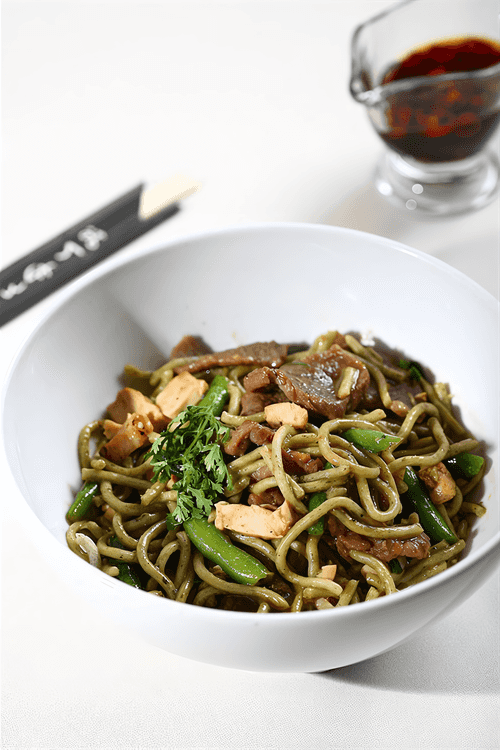
Fried vegetables with mushrooms, sesame oil, and soy sauce are a true embodiment of Japanese culinary philosophy, where simplicity harmoniously blends with rich aromas. The dish originated from the tradition of wok cooking, where fresh vegetables and mushrooms are quickly stir-fried to retain their crunchiness and natural sweetness. Sesame oil adds a subtle nutty note while light soy sauce provides a savory depth of flavor. Perfectly balanced, it serves as a standalone dish or as an accompaniment to ramen noodles. The aroma of garlic, the tenderness of tofu, and the light freshness of green onions make this recipe a vivid example of Eastern gastronomy, where each ingredient plays its unique role in creating an amazing flavor ensemble.
15
2
45
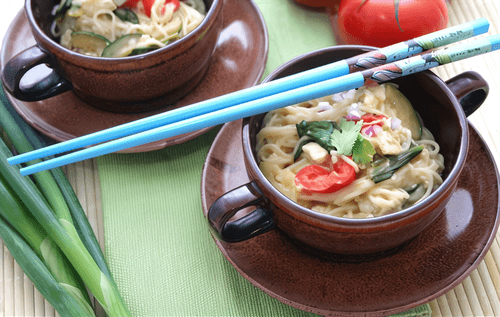
Fried vegetables and tofu with ginger, sesame oil, and miso is a harmonious blend of flavors from Japanese cuisine. The dish combines tender tofu, aromatic ginger, and rich umami notes of miso. Udon adds softness while fresh vegetables provide a crunchy texture and juiciness. The recipe's uniqueness lies in the balance of sweetness, saltiness, and mild spiciness highlighted by sesame oil. It's a nourishing and warming meal perfect for both a weekday dinner and a cozy evening. Miso soup completes the flavor composition infusing the dish with traditional Japanese spirit. Historically, such dishes arose from the philosophy of using fresh seasonal ingredients and the Japanese love for minimalist yet rich flavors. This recipe exemplifies simple yet exquisite Japanese gastronomy that offers warmth and comfort in every bite.
17
6
30
Spaghetti in sesame oil sauce is a delightful blend of Italian classic with Eastern notes. The thin strands of al dente pasta absorb the aromatic sauce made from tahini, soy sauce, and Chinese hot sauce, creating a rich flavor with spicy undertones. Sherry adds a light sweetness to the dish, while garlic and ginger reveal its spicy character. A garnish of fresh cucumbers and cilantro adds freshness and balance. This dish is perfect for those who appreciate bold flavor combinations and want to diversify traditional pasta.
12
4
35
This simple yet elegant recipe pays homage to Japanese cuisine, where minimalism meets rich flavor. Crispy soybeans sautéed with spicy red chili and fragrant sesame oil gain a piquant and deep nutty note. This snack is popular in Japanese bars (izakaya) – perfect for leisurely conversations over a glass of sake or beer. A light touch of salt enhances the natural sweetness of the beans, while roasting makes their texture even more appetizing. Serving in small bowls with a separate container for shells is a classic way to enjoy this dish in traditional style. It beautifully complements an evening meal, adding a touch of Asian charm.
4
4
60
Fried chicken with canned vegetables, oyster sauce, and sesame oil is a vibrant dish of Japanese cuisine that combines the rich flavor of chicken, the tenderness of pickled vegetables, and the richness of oyster sauce. The roots of this dish lie in Japanese gastronomic traditions where the balance of sweet, salty, and umami is key. Shiitake adds depth to the flavor while cabbage provides a light tanginess. Sesame oil completes the composition with a subtle nutty aroma that highlights the harmony of ingredients. Served on fluffy rice makes the dish nutritious and filling, while chili sauce adds spiciness. It's an ideal choice for those who want to enjoy the refined yet rich taste of Japanese cuisine.
18
2
45
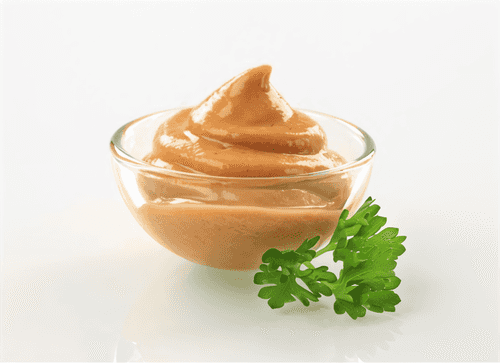
This Japanese sauce with mustard and sesame oil is a harmonious blend of savory and sweet notes, embodying the traditional balance of flavors in Japanese cuisine. It draws inspiration from umami by combining fragrant sesame oil with sharp English mustard, sweet chili sauce, and a gentle tang from ketchup. The flavor of the sauce is multifaceted: it starts with a soft sweetness, then reveals a light spiciness from the mustard and a rich nutty undertone from the sesame. This sauce is perfect as a dip for vegetables and seafood, a marinade for meat, or an original addition to sushi and rolls. Easy to prepare yet surprisingly complex in taste sensations, it will be the highlight of any dish.
5
4
25
This refreshing salad with cucumbers, cilantro, onions, and sesame oil is a vibrant embodiment of Chinese cuisine, where the simplicity of ingredients combines with exquisite flavor. Crunchy and juicy cucumbers are perfectly complemented by spicy cilantro, zesty red onions, and fiery chili peppers. The dressing made from sesame oil, soy sauce, lemon juice, and garlic adds depth and an Eastern touch to the dish. Toasted sesame seeds provide a nutty hint and a light crunchy texture. This salad is perfect as an appetizer or side dish for meat and fish dishes; its fresh and rich taste refreshes wonderfully in hot weather. The simplicity of preparation makes it a favorite in home kitchens, while its harmony of flavors offers true culinary delight.
10
2
10
Spicy orange vinaigrette with sesame oil is a true flavor fiesta where the freshness of citrus meets the depth of Eastern notes. This sauce, inspired by European cuisine with Asian hints, adds brightness and richness to dishes. Orange juice brings a refreshing tanginess, rice vinegar adds mild spiciness, while soy sauce and sesame oil contribute a characteristic umami note. The light sweetness of honey softens the flavor contrasts, and grated ginger adds spicy warmth. This vinaigrette is perfect for dressing fresh salads, marinating meat or fish, and adding zest to vegetable dishes. It can be stored in the refrigerator to allow the flavors to develop even further. This recipe is a harmony of simplicity and sophistication that creates unforgettable gastronomic experiences.
6
4
10
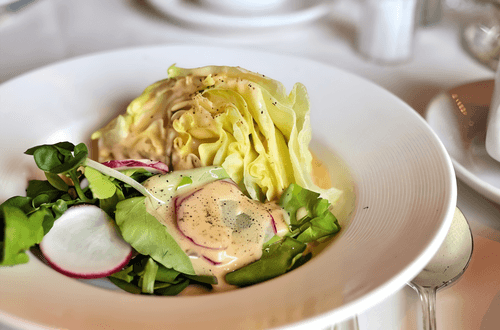
Yogurt dressing with sesame oil is a refined sauce inspired by Mediterranean cuisine. Its origin is linked to the tradition of using natural ingredients to create light and healthy dressings. The creamy texture of yogurt perfectly complements the softness of light mayonnaise, while wine vinegar adds a subtle tang that awakens the taste buds. Sesame oil imparts nutty notes to the dressing, making the flavor rich and multifaceted. This sauce pairs wonderfully with fresh salads and is suitable for fish, seafood, and even meat dishes. The convenience of preparation allows for a quick creation of an aromatic dressing by simply mixing the ingredients and shaking the container. It’s an ideal choice for those looking to add gastronomic elegance to their dishes.
4
4
30
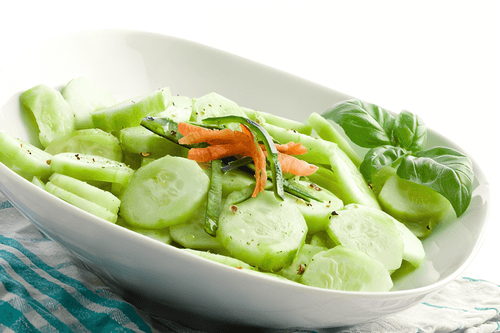
Cucumber salad with sesame oil is a refreshing and tangy dish of Pan-Asian cuisine. Its simplicity combines with a richness of flavor nuances: crunchy cucumbers harmoniously complement the nutty aroma of dark sesame oil, the sour note of rice vinegar, and the mild spiciness of red pepper. This salad fits perfectly into summer menus, serving as either a standalone dish or a side to main Asian delicacies. In Asian countries, such recipes are often used as appetizers, emphasizing the balance of flavors. The simplicity of preparation makes this salad ideal for a quick dinner or picnic. It provides a sense of freshness and lightness, while sesame oil adds special depth to it. A perfect choice for those wanting to try something new and refined!
5
4
30




















