













Recipe Catalog
No recipes contain all the words, showing recipes that match some of them
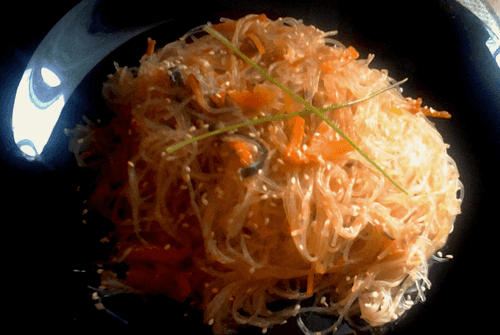
Funchosa with seasonal vegetables is a vibrant dish of Korean cuisine that embodies the harmony of flavors and textures. The transparent rice noodles gently absorb the aromas of fresh vegetables and gain a rich taste from soy sauce and light frying. Eggplants, sweet peppers, and tomatoes add juiciness while garlic and chili provide spiciness. Sesame seeds complete the composition with nutty notes. This dish is versatile: it works as a light dinner or side dish and can serve as a base for ingredient experimentation. Funchosa with vegetables is not only tasty but also healthy, providing a balance of proteins, fiber, and essential vitamins. Its traditional preparation is an art of combining simple ingredients to create a rich gastronomic impression.
11
4
30
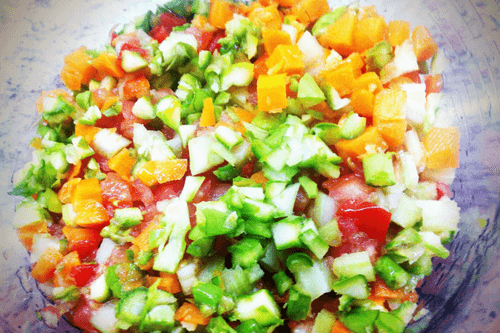
This recipe embodies the freshness and lightness of European cuisine. Zucchini stuffed with seasonal vegetables acquires a special texture: the softness of its interior contrasts with the delicate crunch of asparagus and carrots. Celery adds a subtle spicy note, while sweet cherry tomatoes provide juiciness. The finishing touch is parmesan, which forms a golden crust with a rich aroma after baking. This dish is perfect for a light lunch or dinner; it is nutritious but not heavy on the body. Vegetarian stuffed zucchini is a great example of how simple ingredients can create an exquisite flavor combination.
7
2
30
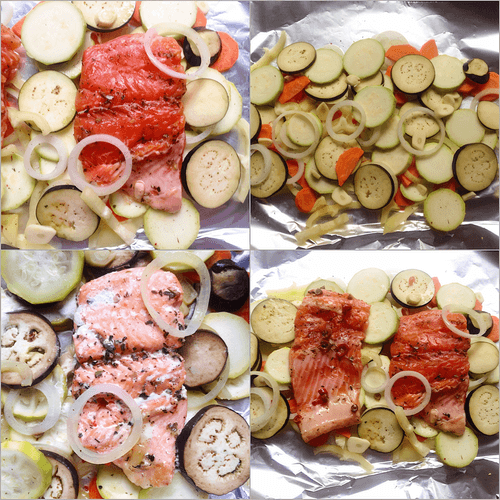
Trout baked in foil with seasonal vegetables is the embodiment of harmony between fresh ingredients and simplicity of preparation. This recipe originates from Russian cuisine, where natural and nutritious dishes are valued. Trout, with its delicate flavor and subtle nutty notes, pairs perfectly with the sweetness of roasted vegetables and the aroma of Italian herbs. The foil retains all the juiciness and richness of the product, allowing each piece to melt in your mouth. This dish is suitable for a cozy family dinner as well as a festive table, highlighting the natural beauty and sophistication of Russian gastronomy.
9
2
40
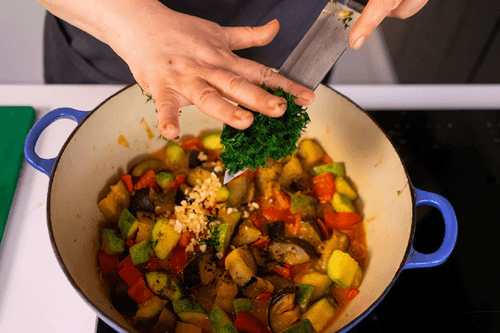
Vegetable stew with seasonal vegetables is a dish infused with the spirit of traditional European cuisine. It offers an aromatic abundance of fresh vegetables combined into a harmonious ensemble of flavors. The light sweetness of bell peppers, the tenderness of zucchini, and the richness of eggplants create a balanced and vibrant taste, complemented by subtle notes of dill and garlic. Tomatoes add a pleasant tang and rich color to the dish, while a touch of sugar deepens the flavor further. This recipe is perfect for a summer table when vegetables are at their peak freshness. The stew can be served as a standalone dish or used as a side for meat or fish. It warms on cool evenings and refreshes on hot days while remaining light, nutritious, and incredibly tasty.
11
4
40
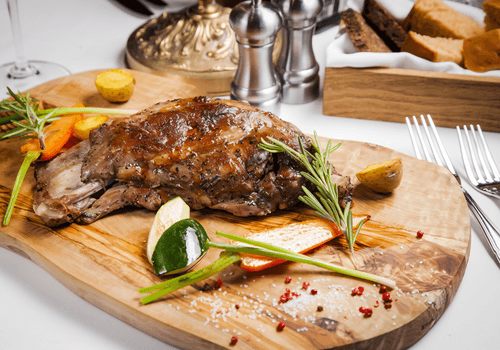
Recipe from Giuseppe Davi, chef of the Butler restaurant.
16
6
600
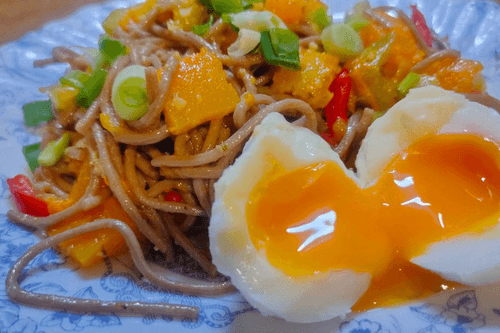
Buckwheat noodles (soba) with seasonal vegetables is the embodiment of simplicity and harmony in Pan-Asian cuisine. Soba noodles made from buckwheat flour have a light nutty flavor and pair wonderfully with vibrant, fresh vegetables. This recipe uses pumpkin, zucchini, and bell peppers that add juiciness and rich aroma to the dish. A light stir-fry in a wok with vegetable oil and spices enhances the natural flavors of the vegetables, while dried garlic and green onions add zest. This dish is perfect for a light dinner or lunch, especially in warm weather when vegetables reach their peak flavor potential. It can be complemented with soy sauce or sesame seeds for depth of flavor, and serving it hot will preserve the texture and richness of the ingredients.
9
6
150
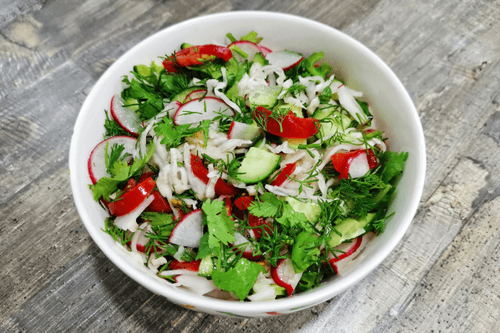
The salad of fermented cabbage and seasonal vegetables is a harmony of freshness and light sourness, born from the combination of fermented and crunchy ingredients. Fermented cabbage, one of the oldest methods of preserving vegetables, enriches the dish with pleasant spiciness, while fresh tomatoes, radishes, and cucumbers add brightness and juiciness. Herbs like cilantro and dill bring aromatic freshness, while garlic adds a hint of spice. Dressed with sunflower oil, this salad is not only tasty but also healthy due to its richness in vitamins and probiotics. It can be served as a standalone dish or as a refreshing side to meat and fish, as well as used as a light appetizer that awakens the appetite. A great choice for those who appreciate natural and balanced flavors!
8
2
15
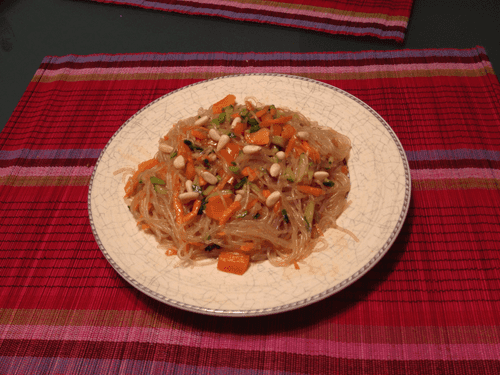
Funchosa with vegetables in Korean style is a light, refreshing dish that combines the tender texture of transparent noodles with crunchy, aromatic vegetables. This recipe comes from Korean cuisine, where the balance of flavors and harmony of ingredients are valued. The noodles, prepared by quickly pouring boiling water over them, retain their elasticity, while carrots, sweet peppers, and cucumbers add freshness and a hint of sweetness. Sautéing the vegetables in vegetable oil makes them softer and enriches their flavor, while garlic adds spiciness. The dressing made from vinegar and soy sauce gives the dish a characteristic sour-salty note. Funchosa with vegetables is perfect as a standalone dish or as a side to meat or fish. It is especially good in hot weather when you crave something light and refreshing.
9
3
15
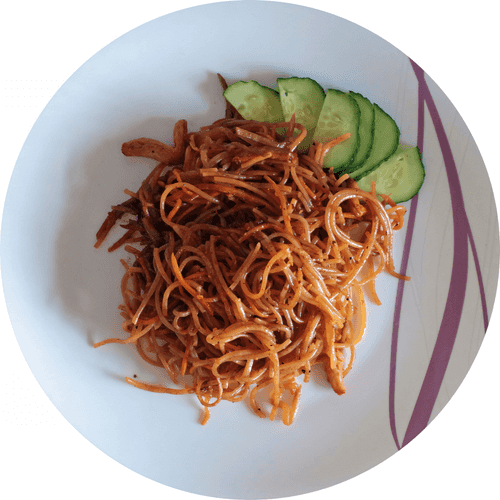
Korean-style vegetable funchoza is a dish that embodies all the best traits of Asian cuisine. The light, tender, and slightly elastic glass noodles pair perfectly with crunchy vegetables and aromatic spices. In Korea, such dishes are prepared in hot weather when one craves something fresh and nutritious but not heavy. The vegetables retain their juiciness and vibrant flavor while the soy meat adds interesting texture and nutrition. Dressed with soy sauce infused with hints of lemon and paprika, funchoza acquires a rich yet balanced taste – sweet, spicy, and savory at the same time. It is an ideal dish for both a weekday dinner and a festive table. It is especially good when chilled as all the aromas fully unfold to create a harmony of flavors.
7
6
20
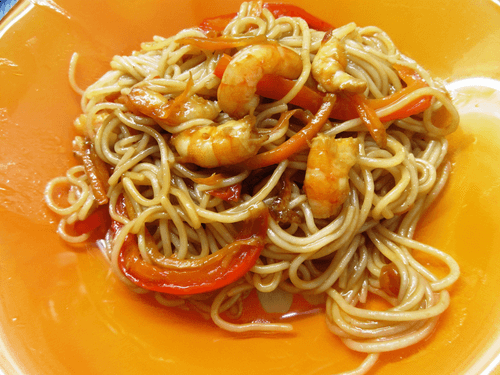
Funchosa with vegetables, shrimp, and sesame is a refined dish of Korean cuisine where delicate transparent noodles combine with juicy seafood and aromatic vegetables. Korean culinary tradition is renowned for its balance of flavors achieved here through the light sweetness of carrots, the freshness of green onions, and the spiciness of garlic. Sesame oil adds a subtle nutty note while soy sauce harmoniously complements the dish. Funchosa is often served as a warm salad or a light main course, perfect for dinner. Shrimp makes it hearty while sesame seeds add pleasant texture. This dish is not only tasty but also healthy as it combines proteins, vitamins, and healthy fats—ideal for those who appreciate light yet rich Asian-inspired meals.
11
4
20
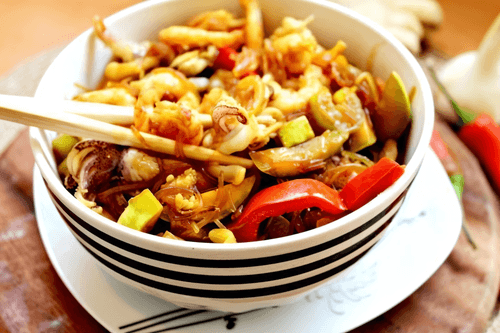
Funchosa with vegetables and seafood is a refined dish that combines the tenderness of seafood, the freshness of vegetables, and the delicacy of rice noodles. Although funchosa comes from Asian cuisine, this version fits perfectly into European gastronomic preferences. The taste of the dish is harmonious: sweet shrimp and seafood cocktail are excellently complemented by crunchy paprika, tender green peas, and aromatic garlic. The noodles soaked in soy sauce absorb all flavor nuances, making each forkful rich. This dish not only delights the palate but also serves as a light and nutritious option for dinner or lunch. It is perfect for both festive tables and cozy home gatherings.
10
4
20
Funchosa with vegetables and chicken is a refined dish of Chinese cuisine that embodies the harmony of flavors and textures. The thin glass noodles, tender chicken fillet, and fresh vegetables create lightness and nutrition at the same time. Ginger and garlic add aromatic spiciness, while herbs provide freshness. The dish is perfect for both a light dinner and a festive table. Funchosa, popular in Asia, absorbs the flavors of sauces and spices due to its neutrality, turning into a true gastronomic delight. The brightness of the vegetables makes it not only tasty but also visually appealing. It is served hot with soy sauce or sesame oil to enhance the flavor nuances.
12
4
40
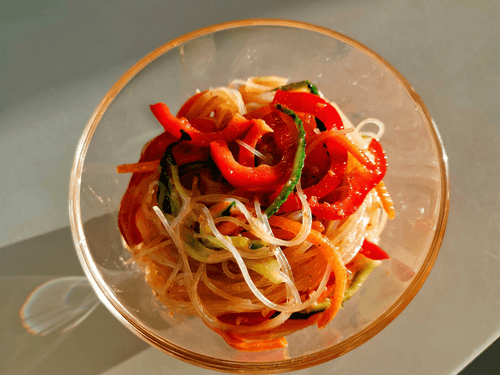
Funchosa with vegetables and Korean-style carrots is a bright, light, and aromatic dish of Korean cuisine. Its base is funchosa, a transparent and elastic noodle that absorbs spicy sauces well. Fresh cucumbers and sweet ramiro peppers add crunch, while Korean carrots bring spicy notes and mild heat. This dish is often prepared for holidays or friendly gatherings.
5
6
10
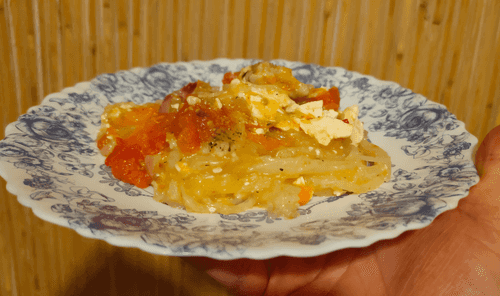
Funchosa with vegetables, cheese, and bacon is a harmonious blend of the lightness of Eastern cuisine and the rich flavors of European gastronomy. The history of funchosa has roots in Asian tradition but adapts easily to new culinary experiments due to its versatility. In this recipe, delicate glass noodles meet baked brinza, aromatic tomatoes, spicy bacon, and piquant Provencal herbs. The moderate sharpness of garlic adds depth to the flavor while the softness of cheese smooths its intensity. The dish impresses with its texture: funchosa absorbs the juices and aromas of the ingredients, creating a harmonious combination of softness and richness. It is an ideal option for a cozy home dinner or an exquisite treat for guests. It can be served warm or slightly chilled, complemented with herbs and a drizzle of olive oil to complete the flavor composition.
9
4
60
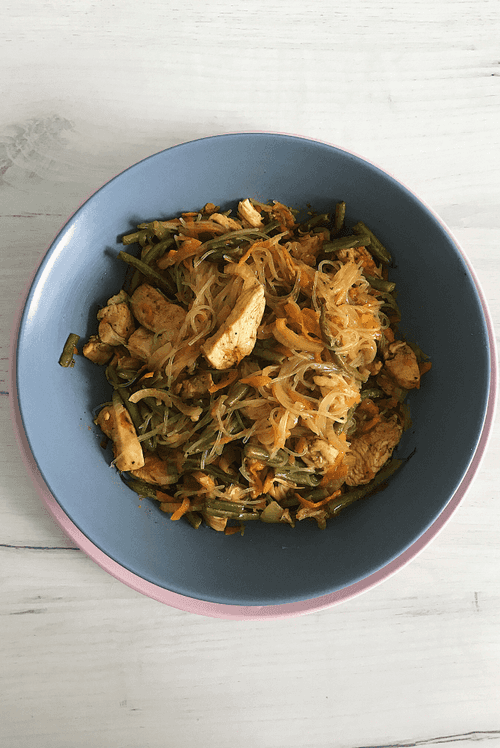
Funchoza with chicken and vegetables is a traditional Asian dish made from glass bean noodles. Rice noodles are easy to prepare: pour boiling water over them for five minutes, then rinse under cold running water. Vegetables, roots, and meat for the filling are chopped into thin strips and fried in hot oil. The prepared ingredients are mixed and left to infuse. The dressing is very important in funchose: rice vinegar adds a slight sourness, and soy sauce colors the noodles an appetizing brown color. Funchose is a healthy alternative to classic pasta, as it does not contain gluten.
11
4
40




















