








Recipe Catalog

Herring forshmak is a classic dish of Jewish cuisine that captivates with its rich texture and flavor. Its roots go back to the distant past when poor Jewish families in Eastern Europe tried to use available ingredients to create tasty and hearty dishes. Salted herring mixed with onions, breadcrumbs, eggs, and aromatic spices turns into a delicate and airy paste. The light spiciness of pepper and the silky texture of oil make it an ideal complement to crispy bread or toast. Forshmak can be served as an independent appetizer or used as a base for appetizing sandwiches. Its rich, salty-sweet taste unfolds gradually, leaving a pleasant aftertaste and a desire for more.
7
4
30

Mackerel forshmak is a traditional Jewish dish rich in flavor and history. Originally made from herring, variations like Ella Olkha's recipe have emerged over time. Mackerel adds softness and richness to it. Boiled potatoes and eggs complement the delicate texture, while fried onions with oil add sweet, caramelized notes. The dish is hearty, slightly salty, with a creamy taste. It can be served as a cold appetizer on slices of bread, at festive tables, or simply as a homemade delicacy. Forshmak keeps well in the fridge and becomes even tastier when it sits for a while, revealing depth of flavor. This dish is part of cultural heritage that unites generations around cozy meals.
7
4
30

Sandwiches with forshmak and apple are a harmony of flavors and textures wrapped in crispy bread. Forshmak, a traditional Jewish dish, combines the tenderness of herring, butter, and eggs with the refreshing tartness of green apple. Such a sandwich is not just a snack but a small gastronomic adventure: rich, spicy, with a light fruity note. Perfect for a cozy breakfast or an original treat at a buffet. The taste unfolds gradually, starting with the delicate pâté and finishing with the refreshing hint of apple. White bread toasted to a light crunch adds textural harmony, making each bite rich and balanced. This sandwich exemplifies how simple ingredients can create complex and multifaceted flavors, leaving a pleasant aftertaste and a desire for more.
6
4
15

Recipe from the Moscow restaurant "Babel".
12
4
30
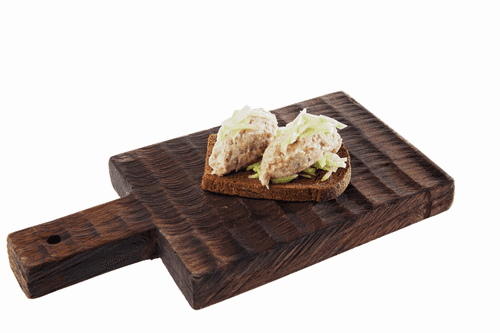
Forshmak, which does not contain a single piece of apple or egg, but does have a Sverdlovsk bun and lemon juice. The editors got to know this recipe by Lara Katsova rather late - but now they make forshmak only this way. This is, in fact, a herring tartare with a rich, meaty taste. From our "Golden Thousand"!
8
4
15

Meat forshmak is a harmony of German cuisine that combines rich meat notes with the delicate texture of a baked dish. Historically, forshmak traces back to the culinary traditions of Eastern Europe, where it was a nutritious fish appetizer. However, the meat version gives it heartiness and depth of flavor, turning it into a full-fledged dish. The baked mixture of beef, potatoes, sautéed onions, and butter enriched with herring aroma and cheese topping creates an exquisite combination. The slight acidity of the sour cream sauce with tomato emphasizes the multilayered taste, making forshmak an ideal dish for cozy family evenings or festive gatherings. Its velvety consistency and rich flavor unfold with each bite, leaving a pleasant aftertaste of home comfort.
11
6
60
Potato forshmak is an interpretation of a classic Jewish dish that combines the spiciness of herring, the tenderness of potatoes, and the freshness of apples. Historically, forshmak was a symbol of hospitality in Jewish homes, and its variations reflect the traditions of different regions. In this recipe, fried potatoes and onions acquire a rich flavor, while the addition of apples gives a slight tanginess that highlights the aroma of fish. The dish is served chilled, making it ideal for appetizers or festive tables. Garnished with boiled eggs and herbs, potato forshmak delights not only with its taste but also with its appetizing appearance. It is a true culinary harmony that reveals the richness of traditional Jewish cuisine.
8
4
50

Forshmak with matzo is a classic dish of Jewish cuisine, rooted in the traditions of Ashkenazi Jews from Eastern Europe. This appetizer pâté made from herring, onions, apples, and boiled eggs has a bright, rich flavor where the saltiness of the fish harmonizes with the sweetness of the apples and the spiciness of the onions. The texture of forshmak can vary from paste-like to coarser if ingredients are chopped by hand. Serving it on matzo adds a crispy base that perfectly highlights the creamy consistency of forshmak. Vinegar gives a slight tanginess while parsley adds freshness. This dish is great for festive gatherings as well as cozy family dinners, remaining an important part of Jewish culinary traditions.
8
5
15

Forshmak with green apples is a refined appetizer of Jewish cuisine that combines the tenderness of herring, the softness of white bread, and the refreshing tartness of green apples. Historically, forshmak originated in Jewish communities of Eastern Europe and became an integral part of traditional feasts. The addition of apples gives the dish a subtle fruity freshness that softens the saltiness of the herring. Thanks to matzo and original presentation, forshmak transforms into an elegant portioned appetizer perfect for festive tables. Serving with parsley adds a light herbal note, making the flavor even more expressive. This dish not only delights gourmets with its rich taste but also preserves the spirit of authentic Jewish cuisine, passing down traditions through generations.
8
6
15
Quick forshmak is a classic dish of Jewish cuisine, easy to prepare and rich in flavor. Its history traces back to Eastern European Jewish communities where herring was an accessible and beloved product. Forshmak has a surprisingly balanced taste: the spiciness of salted herring harmonizes with the sweet tang of apple and the sharpness of onion. It is made in just a few steps: the fish is deboned, ground together with apple and onion, then seasoned and thoroughly mixed. The result is a delicate, aromatic appetizer perfect for serving on rye bread or crackers. This dish beautifully showcases the traditions of Jewish cuisine while remaining relevant and loved even today.
4
4
15

Eggs stuffed with forshmak are an exquisite appetizer of Jewish cuisine that combines the tenderness of eggs with the rich flavor of herring. Forshmak, a traditional dish of Ashkenazi Jews, is known for its spiciness and harmonious balance of salty, sweet, and creamy. Here it transforms into a delicate filling that combines herring fillet, onion, apple, and butter. The egg halves filled with this aromatic mixture are covered with mayonnaise and garnished with fresh herbs. The dish not only pleases the eye but also impresses with its layered flavors – from the softness of the egg to the rich salty-sweet forshmak. Perfect for festive tables and as an appetizer for strong drinks, it carries warmth and traditions that connect generations at the table.
8
4
30

Forshmak 'Friendship of Peoples' is a gastronomic union of cultures, symbolizing simplicity and warmth. The classic forshmak from Jewish cuisine here takes on an unexpected hue with the addition of carrots and processed cheese. The taste of this dish is a harmony of salty herring, creamy cheese, and a light sweetness from the carrots. Its delicate texture is perfect for spreading on fresh bread, while its rich aroma awakens the appetite. This appetizer creates an atmosphere of warm gatherings and friendly feasts, especially when accompanied by a traditional drink. Forshmak does not require complex cooking techniques, but its flavor is full of character and history.
3
8
20
Forshmak with potatoes is a refined dish of European cuisine, rooted in traditional Jewish gastronomy. Historically, forshmak was prepared as an appetizer, combining the tenderness of mashed potatoes with the spiciness of salted herring. The aromatic casserole, enhanced with apple, onion, and sour cream, acquires a soft yet expressive taste with a slight tang and rich texture. During baking, the dish becomes appetizingly golden brown, and breadcrumbs add a crispy crust. Forshmak is perfect for cozy home dinners as well as festive gatherings.
11
4
60
Forshmak with potatoes and apple is a traditional Jewish dish that combines the tenderness of herring, the softness of potatoes, and the light acidity of apple. This pâté-like appetizer originated in Eastern Europe and became a symbol of cozy family gatherings. The taste of forshmak is multifaceted: it combines the saltiness of herring, the velvety texture of potatoes and butter, the spiciness of onions, and the pleasant freshness of apples. Served chilled on toast or crispy bread and garnished with lemon, it creates a harmony of flavors. This dish is perfect for festive tables or light snacks, delighting with its rich texture and flavor. The simplicity of preparation and availability of ingredients make it a favorite recipe for many cooks.
6
10
30

Forshmak is a traditional Jewish dish rooted in Eastern European cuisine. Its history began in poor Jewish communities where every part of food was valued and herring served as the main ingredient. The taste of forshmak is a harmony of salty herring, sweet carrots, sharp onions, and tender eggs. After whipping, it gains an airy texture, and steeping allows the flavors to fully develop. Forshmak is traditionally served on black bread, highlighting its richness but also pairs well with pancakes or fresh cucumber rolls. This appetizer awakens the appetite and is perfect for festive tables or cozy home dinners.
4
8
10