
















Recipe Catalog
Recipes with all the words: 3. Next come recipes that match some of the words

A classic recipe to start mastering the kulich business with. The recipe is not simple, it has many steps, it will require time and patience, but the kulich will turn out perfect - airy, but dense, sweet, but with a citrus note, ruddy and sunny. The main thing is to find good saffron - remember, it should not be cheap. Look for Iranian saffron. The kulich is complex, but very tasty.
17
12
60

Easter powder for kulich is an essential element of traditional Russian Easter bread. This delicate sugar powder with added potato starch makes the baked goods airy and gives them a special velvety texture. Its origins date back centuries when housewives sought to give kulich a festive lightness and exquisite appearance. Its taste is pure, sweet, with a subtle creamy note thanks to the starch that also helps it spread evenly over the kulich's surface. Easter powder beautifully adheres to icing, creating a snow-covered effect and is also used for decorating other types of sweet pastries. This simple yet important ingredient emphasizes the solemnity of Easter and evokes cozy memories of home traditions.
2
4
30

Easter kulich is not just a pastry but a symbol of the bright holiday of Easter. This airy, delicate, and slightly sweet bread with subtle vanilla notes and cognac-soaked raisins captivates hearts with its rich texture and exquisite aroma. Its origins trace back to European traditions where kulich has served not only as a treat but also as a ritual element for centuries. Patience is key in the preparation process: the dough rises twice, enriching with flavors and becoming fluffy. Baked to a golden crust, it fills the home with warmth and coziness. Kulich is served as a festive dish, often adorned with icing and decorations, accompanying family tea gatherings and symbolizing abundance and joy.
9
8
120

Kulich with raisins and lemon zest is a traditional Easter pastry rooted in Russian cuisine. It embodies celebration and joy, symbolizing prosperity and the warmth of home. The tender dough infused with lemon aroma and rich in raisin sweetness offers a harmony of flavors. Added rum gives the pastry a subtle spiciness, while toasted almonds add a light crunch. Kulich not only serves as the main decoration of the Easter table but also pairs wonderfully with tea or coffee, making any morning cozier. Its moderate sweetness and lightness make this dessert a favorite treat for the whole family. The exquisite taste of lemon zest completes the composition, adding freshness to each bite.
10
5
120

Plant-based kulich is an elegant interpretation of the traditional Russian Easter treat. Its history roots in the search for alternatives to classic baking, making it suitable for vegans and healthy eating advocates. This kulich combines rich nutty notes of almonds and walnuts, sweetness of dates and dried apricots, light citrus freshness of orange, and spicy warmth of cinnamon, nutmeg, and cardamom. The taste is deep and rich with a pleasant texture where the crunchy nut base blends with soft fruit inclusions. Ideal for those seeking a festive dish without flour and sugar while preserving the traditional spirit. Served chilled with decorative elements made from poppy seeds or almonds, turning it into a culinary masterpiece.
12
6
120

The raisin kulich on a sponge is a symbol of the bright holiday of Easter that comes from the depths of Russian traditional cuisine. Its preparation requires patience and skill: the sponge rises several times, creating airy dough, while raisins add sweetness and a delicate tartness. The taste of the kulich is rich, soft, slightly creamy due to the yolks and margarine, with subtle vanilla notes. This kulich not only decorates the festive table but also serves as a sacred symbol of abundance and well-being. It is delightful on its own or with a cup of fragrant tea, and its texture is so airy that each piece seems to melt in your mouth. It is baked to a golden crust and can be decorated with icing, nuts or sprinkles after cooling — making it a true decoration for the holiday.
9
6
180

Kulich with dates is an exquisite blend of traditional European baking with Eastern notes of sweet dates. Historically, kulich is a symbol of celebration, spring, and renewal; its aroma fills homes with warmth and coziness. In this recipe, the classic yeast dough becomes especially tender thanks to butter and egg whites, while the acidity of lemon juice perfectly complements the natural sweetness of the dates. During baking, the dough transforms into an airy, soft structure with a golden crust, and the dates infuse it with a natural caramel flavor. This kulich is perfect for festive tea gatherings or as a morning dessert, offering a unique harmony of flavors that delights and inspires.
8
12
600
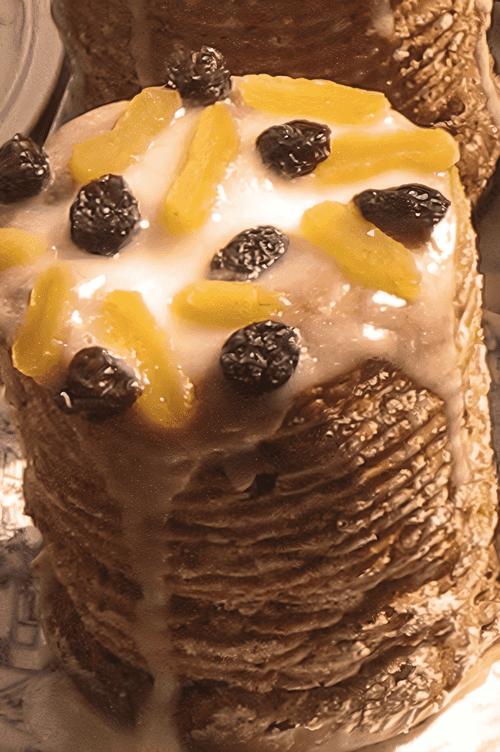
The glazed Easter cake with raisins is a traditional Russian pastry symbolizing the holiday, family warmth, and spring renewal. Its history traces back to ancient Slavic rituals where baking played an important role in celebrating Easter. The dough is tender and airy, enriched with butter, cream, and eggs, giving the cake a rich flavor and softness. Raisins add sweet notes while the glaze creates an appetizing shiny crust. This cake is not just a treat but an essential part of the festive meal that decorates the table and creates a celebratory atmosphere. Its taste is a harmony of sweetness and tenderness that pairs perfectly with tea or milk. The cake is served whole and cut into portions so that the whole family can enjoy its rich flavor and symbolic meaning.
10
10
360

Kulich with walnuts and raisins is a traditional Ukrainian pastry that is an integral part of Easter celebrations. Its rich flavor is achieved through the combination of tender yeast dough, butter, sweet raisins, and nutty notes. This kulich symbolizes festivity and home comfort, while its aroma fills the kitchen with warmth. The fluffy texture of the dough, airy glaze, and crunchy nuts make it a true decoration for the festive table. It is perfect as a standalone treat or paired with hot tea. Kulich highlights the age-old traditions of family celebrations, bringing generations together at one table.
13
10
360

Kulich with orange candied fruits is an exquisite version of traditional Easter pastry rooted in ancient Slavic traditions. This aromatic dessert combines airy yeast dough with a rich creamy flavor, sweetness from raisins, and a refreshing citrus note from the candied fruits. Its delicate structure and rich taste make it an ideal addition to the festive table. Kulich is served decorated with protein glaze, adding a light sweetness and tenderness to each piece. Traditionally prepared for Easter, it also pairs wonderfully for a cozy tea time. The light citrus hint refines and makes the flavor memorable, while the aroma of fresh baking with notes of vanilla and butter fills the home with warm coziness.
12
12
360

Cottage cheese and orange zest kulich-cake is an exquisite blend of traditional Russian Easter kulich and a soft cake with a rich citrus aroma. Its roots go back to Russian culinary tradition, where baked goods play an important role in festive feasts. The delicate cottage cheese flavor gives the pastry an airy texture, while the orange zest and raisins create a harmony of sweetness and freshness. Walnuts add a light crunch, making the kulich-cake even more interesting. It is perfect for family tea gatherings, especially during Easter. Decorated with sugar glaze, it pleases the eye and brings warmth to a cozy home celebration. The taste of this kulich is a combination of creamy softness, nutty aroma, and fruity freshness that creates an unforgettable culinary delight.
10
15
90

Yeast-free kulich is a refined version of traditional Russian Easter bread, distinguished by its delicate texture and rich flavor. Historically, kulich was made with yeast, but this recipe offers an alternative for those who prefer lighter and airier doughs. Using baking powder instead of yeast makes the baking process less labor-intensive, while the addition of saffron and vanilla imparts a sophisticated aroma. Dried fruits like raisins and apricots bring sweet notes and softness, while the lemon juice glaze adds a refreshing touch. Kulich is perfect for festive tea gatherings and can be a centerpiece on the Easter table. Its tender structure, rich taste, and appetizing appearance make it not only delicious but also aesthetically pleasing.
13
6
60

This aromatic kulich, infused with traditions and tenderness, is a true decoration for the festive table. Its base is airy dough enriched with sour cream that gives it special softness, while raisins add sweet notes. Bright orange zest fills the pastry with freshness and a light citrus tang. This recipe combines classic techniques with exquisite ingredients to create a harmony of flavors. Kulich, as a symbol of the bright holiday, is perfect for cozy family tea gatherings. It can be decorated with sugar glaze, nuts, and candied fruits to add individuality. With each piece, one feels the warmth of home and the joy of communication.
12
6
300

The recipe is taken from Anna Kirillova's book "Red Easter".
12
8
180

Cottage cheese-filled kulich is a festive pastry rooted in Russian Easter traditions. Its delicate, airy dough infused with creamy and vanilla notes harmonizes with the rich cottage cheese filling complemented by the sweetness of raisins. The kulich is braided to create a unique texture and elegant appearance, while the golden crust adds an appetizing crunch. The taste of this kulich is a balance of softness, sweetness, and a slight tang from the cottage cheese that makes it special among Easter pastries. It pairs wonderfully with warm tea or aromatic coffee, creating coziness and festive spirit in every bite.
11
6
240




















