







Recipe Catalog
Recipes with all the words: 1. Next come recipes that match some of the words
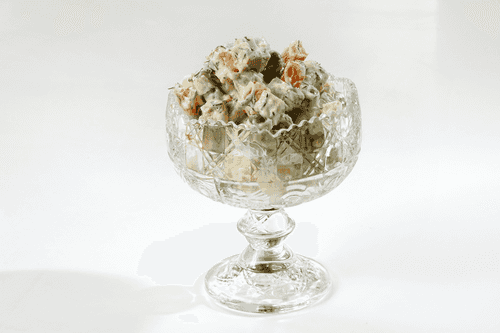
The fastest Olivier salad in the history of the editorial staff. You won't even notice how you cook it. The whole secret is that the vegetables for the salad are first chopped and then boiled in one pot. No extra containers - that means less cleaning and more time for pleasant holiday chores.
11
6
30
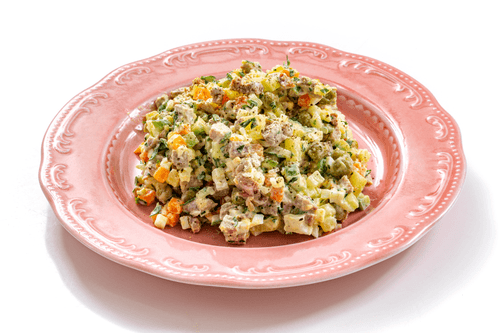
A great salad in its most classic interpretation. Of course, in this case, the classic recipe is not the pre-revolutionary one from the Hermitage restaurant with lanspik, hazel grouse and crayfish necks, but the Soviet one - with boiled meat and mayonnaise. This is the salad that our grandmothers and mothers prepared for the New Year, and our goal is to reproduce that same taste from childhood.
12
8
30
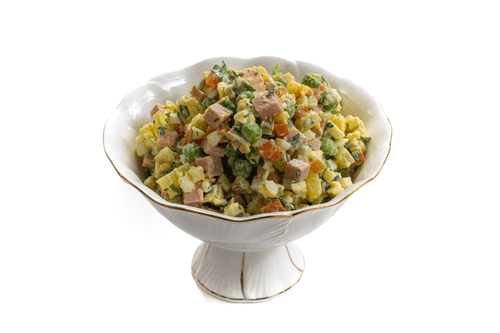
The classic 'Olivier' salad with sausage is not just a dish but a true gastronomic legend of Russian cuisine. Its history dates back to the 19th century when French chef Lucien Olivier created his famous salad with exquisite ingredients. Over time, the recipe underwent changes to adapt to available products. The delicate combination of boiled vegetables, pickles, boiled eggs, and doctor sausage gives the salad a balanced taste – soft yet with spicy notes of pickled cucumbers. Mayonnaise makes it juicy and rich. Olivier is a traditional decoration for festive tables, especially during New Year’s celebrations, symbolizing comfort, joy, and warm family evenings. Elegant yet simple at the same time, this salad remains an unchanged favorite across generations.
11
8
30
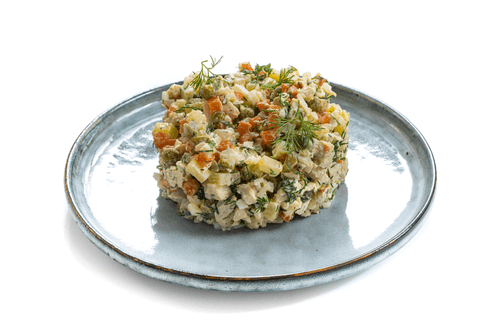
Classic Olivier with chicken is a symbol of holidays and family gatherings, born in Russian cuisine. Its history begins in the 19th century when French chef Lucien Olivier created an exquisite salad that became a popular favorite. Today it has transformed into a cozy and familiar dish where tender pieces of chicken are complemented by the softness of potatoes, the sweetness of carrots, and the slight tanginess of pickles. Green peas add freshness, while mayonnaise unites the flavors into a harmonious whole. Olivier is served chilled; it pairs perfectly with hot dishes and creates an atmosphere of warmth and comfort. It is not just a salad — it is part of cultural traditions passed down through generations, consistently bringing loved ones together at the festive table.
11
8
30
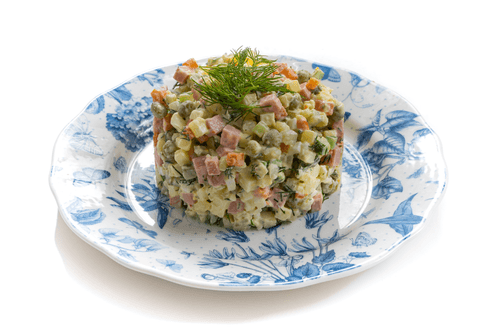
Olivier is a classic of Russian cuisine and a signature dish for festive gatherings. Originally created by French chef Lucien Olivier, the recipe has evolved over time, substituting expensive ingredients with more accessible ones. In this version of the salad, the tenderness of doctor sausage harmonizes with crunchy pickles, while apple adds a light tanginess that refreshes the taste. Boiled vegetables and eggs provide softness and richness to the dish, while the dressing of mayonnaise and sour cream makes it even juicier. This salad is versatile – suitable for both family dinners and formal receptions. Served chilled and garnished with fresh herbs, it creates an appetizing and festive appearance. A true embodiment of traditions and flavor contrasts!
14
10
30
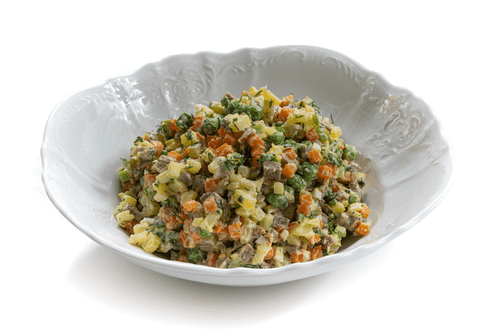
Classic Olivier with tongue is an elegant version of the famous Russian salad that originated in the 19th century thanks to French chef Lucien Olivier. Here, traditional components are complemented by tender boiled beef tongue, giving the dish a refined taste and unique texture. Olivier is renowned for its harmony of fresh vegetables, richness of eggs, and light tanginess from pickles, while mayonnaise with mustard makes its flavor rich and balanced. This salad is perfect for festive gatherings as well as cozy family dinners. It can be served in portioned molds or beautifully arranged on a plate garnished with greens. Thanks to the combination of tender tongue and classic ingredients, Olivier remains a beloved and recognizable dish of Russian cuisine.
13
8
30
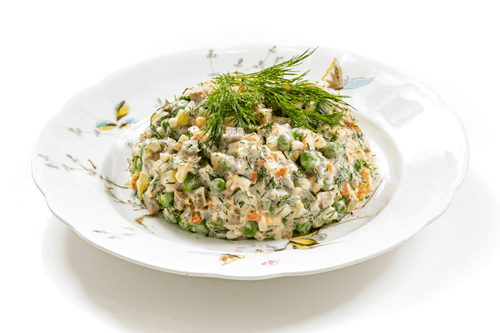
Classic Olivier salad is a true gem of Russian cuisine and a symbol of festive gatherings. Its history dates back to the 19th century when French chef Lucien Olivier first prepared it at the Hermitage restaurant in Moscow. This version of the salad includes tender boiled beef, giving the dish a rich flavor. Crunchy pickled cucumbers, sweet carrots, and green peas create a perfect balance of textures, while creamy mayonnaise unites all ingredients into a harmonious blend. Olivier is served chilled and garnished with fresh herbs, making it not only delicious but also aesthetically pleasing. This salad embodies the essence of home comfort and festive spirit.
11
8
30
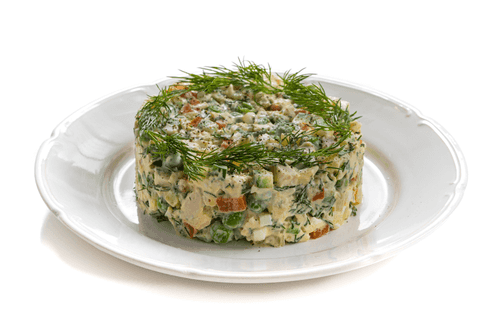
Classic Olivier with chicken and fresh cucumbers is the embodiment of Russian culinary traditions, combining tender chicken, crunchy vegetables, and aromatic herbs. The history of this salad dates back to the 19th century when French chef Lucien Olivier created an exquisite dish that later took on a more democratic form. The taste of this version is soft, balanced, with a refreshing note of cucumber and juicy texture of chicken fillet. Olivier is an unchanging guest at festive tables, accompanying family celebrations and cozy gatherings. It can be served as a standalone dish or as an addition to main treats and pairs perfectly with meat and fish appetizers. Mayonnaise with sour cream gives the salad lightness while herbs add exquisite freshness. A classic that never ages!
12
8
30
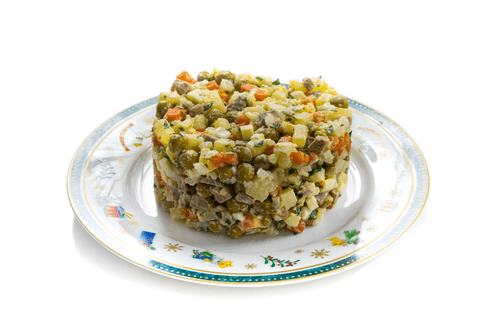
Classic Olivier with tongue and apple is an exquisite version of the famous Russian salad, rooted in the 19th century when French chef Lucien Olivier created it at the Hermitage restaurant in Moscow. In this recipe, the tenderness of beef tongue harmoniously combines with crunchy apple pieces, adding a light freshness and sweet note to the dish. Potatoes and carrots provide a traditional base, while pickles add zest. Canned peas soften the taste, and aromatic herbs complete the composition. Dressed with mayonnaise and mustard, the salad acquires a rich and balanced texture. This version of Olivier is perfect for festive gatherings, highlighting the richness of flavors in traditional Russian cuisine.
13
8
30
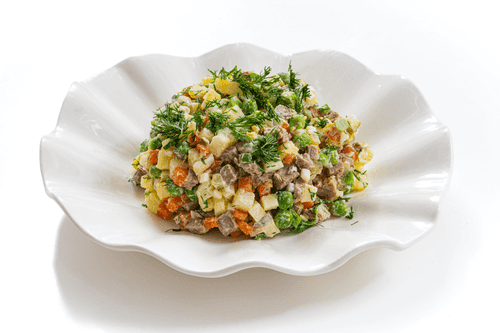
Classic Olivier salad is a symbol of festive gatherings, cozy family meetings, and Russian culinary traditions. Its history begins in the 19th century when French chef Lucien Olivier presented his exquisite version of the dish, which later adapted to available ingredients. This meat and apple variant adds spiciness and freshness to the familiar taste. Tender beef, juicy apple, fragrant dill, and creamy mayonnaise create a harmonious combination of textures and flavors: softness, crunchiness, and a slight tanginess. Olivier is perfect for celebrations as well as everyday meals, especially in cold weather when something hearty and warming is desired. Serve it with greens and enjoy the classic that connects generations.
12
8
30
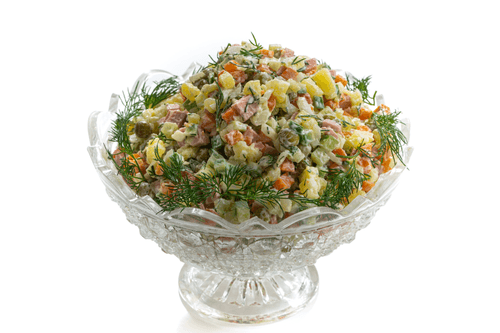
Classic Olivier salad is a symbol of Russian cuisine, embodying the coziness of family evenings and festive gatherings. Its history dates back to the 19th century when French chef Lucien Olivier created the original version of the dish at the Moscow restaurant 'Hermitage.' The modern version includes doctor sausage, fresh cucumbers, and apple, giving it a balance of softness and light acidity. Boiled vegetables, eggs, and green peas combine into a single texture, while mayonnaise and sour cream create a delicate dressing. Olivier is a versatile salad suitable for both festive dinners and everyday meals. It is especially tasty when allowed to sit in the refrigerator for a while, allowing the ingredients to meld better. This salad evokes nostalgia and brings generations together at one table.
13
8
30
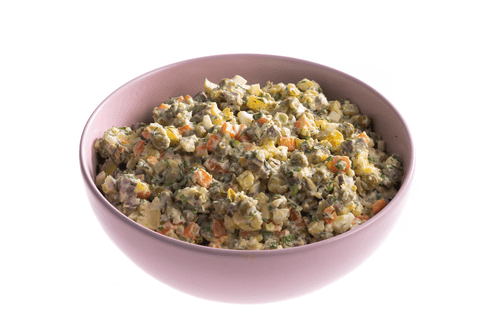
It's even a bit awkward to talk about which recipe is classic and which is not, in the case of Olivier. Because the salad that the Frenchman (or Belgian - there are even discrepancies here) Lucien Olivier invented for the Moscow restaurant " Hermitage" is not archived anywhere for sure. Well, the author did not write it down on a napkin, or in a notebook - nowhere. Someone saw something, someone seemed to be standing behind him while Olivier was cutting vegetables. But there is no exact data. Therefore, in this case, the classic can be considered not the pre-revolutionary recipe with lanspik, hazel grouse and crayfish necks, but the Soviet one - with boiled meat and mayonnaise. This is the salad that our grandmothers and mothers prepared for the New Year, and our goal is to reproduce that same taste from childhood. Here is the most canonical of the existing recipes, with all the details and without later additions like a green apple, fresh cucumber or sour cream dressing.
12
8
180

Olivier salad is a symbol of Russian cuisine and a celebration of taste, rooted in tradition since the 19th century. Its recipe was originally developed by French chef Lucien Olivier at the Hermitage restaurant in Moscow but has adapted over time to available ingredients. Classic Olivier is a harmony of tender potatoes, sweet carrots, tangy pickles, and juicy doctor sausage. Eggs add creaminess while green peas provide freshness. Dressed with thick mayonnaise and aromatic spices, this salad pairs perfectly with festive dishes. It is recommended to serve it chilled for full flavor release. Olivier is essential on New Year's tables and remains a favorite across generations.
11
4
90
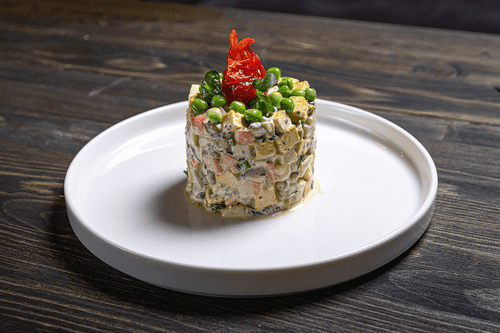
Almost everything is the same, only instead of eggs - tofu with the same neutral taste, and instead of regular mayonnaise - vegan mayonnaise, which you don't have to make yourself, but buy in specialized supermarkets. The recipe was shared by the brand chef of the Gayane's restaurant Gayane Breiova.
11
8
50
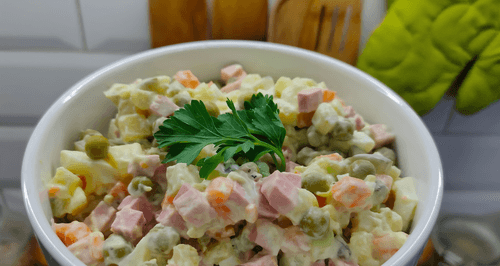
Olivier salad is a legendary dish of Soviet cuisine that is hard to imagine a festive table without. Its history dates back to the 19th century when French chef Lucien Olivier created the original recipe. This quick version of Olivier retains the spirit of the classic recipe while simplifying preparation. The combination of tender potatoes, sweet carrots, salty cucumbers, and fresh green peas creates a harmonious flavor. Sausage adds heartiness, while mayonnaise and sour cream provide tenderness and a slight tanginess. Lemon pepper adds spiciness, making the dish even more expressive. This salad is perfect as a standalone dish or as a side to meat, and its simplicity makes it indispensable for quick and tasty home meals.
10
10
30