







Recipe Catalog
Recipes with all the words: 1. Next come recipes that match some of the words
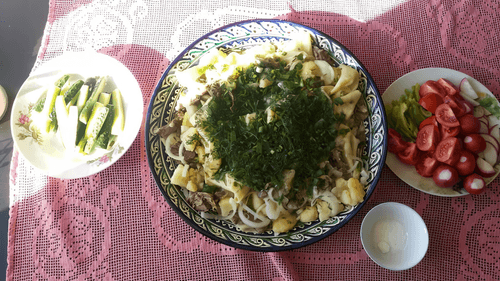
Beshbarmak is the soul of Kazakh cuisine and a true embodiment of steppe hospitality. The name of the dish translates to 'five fingers' as it is traditionally eaten with hands. It is a hearty and aromatic dish made from boiled horse meat, lamb, and traditional noodles soaked in rich broth. Tender slices of meat are combined with soft layers of dough, while fresh herbs and onions add zest. The origins of beshbarmak date back to ancient times when nomads prepared it during large gatherings and celebrations. Today it is served at family feasts and ceremonial events, symbolizing unity and hospitality. The rich flavor of the meat broth warms the soul, while the delicate texture of the noodles and meat provides true enjoyment. Beshbarmak is not just food; it is a ritual, a tradition, and a symbol of Kazakh heritage.
12
8
180

Kazakh manti with pumpkin is a unique blend of steppe cuisine traditions and gentle autumn flavors. Manti, one of the most popular dishes in Kazakh gastronomy, is usually made with meat filling, but adding pumpkin makes them especially juicy and gives a light sweetness. Historically, manti came to Kazakhstan from Central Asia and became an integral part of the national table. They are served with melted butter or sour cream and sometimes complemented with spicy sauces. The thin dough infused with the aroma of meat and pumpkin reveals the rich flavor of each ingredient. This dish is perfect for family gatherings, symbolizing the warmth of home and the hospitality of the Kazakh people.
11
4
30

Zhuta is a traditional dish of Kazakh cuisine that combines the delicate taste of pumpkin, sweet notes, and the softness of dough. This dish resembles manti but has its unique feature — it is prepared in the form of a roll infused with the aroma of butter. Historically, zhuta originated in the steppes of Kazakhstan as a way to prepare a hearty and nutritious treat for nomads. Steaming makes it light and healthy, while the pumpkin filling adds a sweet touch that pairs perfectly with the soft dough. Zhuta can be served as a main dish or as a hearty snack, and the added sugar makes it versatile — the recipe can be adapted to create a sweet version, turning it into a dessert variation.
6
4
30

Beshbarmak with lamb is a hearty and soulful dish rooted in the ancient traditions of Central Asian nomads. In Kyrgyz, 'beshbarmak' means 'five fingers', as it is traditionally eaten by hand. Tender pieces of lamb boiled to softness in aromatic broth harmoniously combine with thin layers of homemade dough. Onions soaked in rich broth complement the flavor composition, adding a light spiciness to the dish. Beshbarmak is not just food but a symbol of hospitality that brings families and friends together at one table. It is served with hot broth in bowls that warms and satisfies. This dish embodies the simplicity and richness of nomadic cuisine, making it perfect for leisurely gatherings with loved ones.
7
6
90

Chicken beshbarmak is a special dish of Kyrgyz cuisine that combines the rich flavor traditions of a nomadic people. In Turkic, 'beshbarmak' means 'five fingers', symbolizing the way it is eaten - by hand. The classic version is made with lamb, but the chicken version stands out for its tenderness and lightness. Boiled chicken meat absorbs the aromas of garlic and spices, while thin homemade flatbreads cooked in broth add softness and richness to the dish. The broth infused with fat and spices creates a harmonious taste, while fresh green onions add a slight spiciness. This hearty, warming dish is perfect for family lunches and friendly gatherings, preserving the spirit of hospitality and unity.
8
6
120
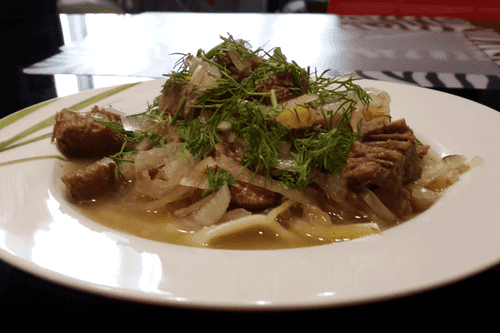
Beshbarmak is the soul of Kazakh cuisine, a dish symbolizing hospitality and the traditions of the steppe people. Its name translates to 'five fingers', reflecting how it is eaten — by hand, among family and friends. The base consists of tender horse meat slow-cooked in aromatic broth and thinly rolled dough sheets infused with meat flavor. Onions added at the end provide zest, while herbs add freshness. Beshbarmak is not just food; it is a ceremonial dish served at festive events and celebrations. It nourishes the body and warms the soul, reminding one of the endless steppes of Kazakhstan and ancestral traditions.
8
12
150

Beshbarmak is a delicious dish of Kazakh cuisine that combines the rich flavor of juicy lamb, tender noodles, and the aroma of fresh vegetables. The origins of this dish trace back to nomadic traditions where meat was cooked with minimal water to preserve its rich taste. Fried meat on the bone, stewed in its own juice with onions, tomatoes, and sweet peppers acquires a deep aroma, while garlic and spices add zest. The broth-soaked noodles become the perfect complement, making the dish especially hearty and comforting. Beshbarmak is served on large flat dishes, traditionally gathering the family around one table. It is eaten by hand, enjoying each bite that carries the warmth of the hospitable steppe and the culinary heritage of a great people.
9
6
150

Bauyrsaq are fragrant, airy flatbreads that symbolize hospitality and abundance in Kazakh and Tatar cuisine. Their history dates back to ancient times when nomads prepared these golden pieces of dough in hot oil, creating the perfect treat for long journeys. The taste of bauyrsaq is delicate with a slight sweetness, and the crispy crust combined with soft, porous dough makes them a versatile delicacy. They pair wonderfully with honey, jam, sour cream or even kumis, adding warmth to the meal. Bauyrsaq are traditionally served at festive tables; they embody the hospitality and warm atmosphere of family gatherings.
8
8
95

Beshbarmak made from lamb is a traditional dish of Uzbek cuisine that embodies ancient nomadic traditions. Its name translates to 'five fingers' as it was originally eaten by hand. Tender lamb meat, slowly cooked in aromatic broth, pairs wonderfully with homemade noodles infused with the rich flavors of onion and spices. This dish is not only nutritious but also a symbol of friendly gatherings where sharing food is seen as an act of respect and hospitality.
10
10
410

Beshbarmak made from beef ribs is a dish deeply rooted in Tatar cuisine traditions. Its name translates to 'five fingers', reflecting the traditional way of eating it – with hands. This hearty, soulful dish consists of tender pieces of beef cooked to perfect softness and homemade diamond-shaped dough pieces that absorb the rich broth's aroma. The light spice of bay leaf and the sweetness of boiled onion add depth to the flavor. Beshbarmak is often served at family gatherings and celebrations, emphasizing unity and hospitality. Its taste is simple yet homely cozy, leaving warm memories and a feeling of fullness. The best accompaniment is fresh vegetables and fragrant tea.
7
8
120

Beshbarmak is a traditional dish of the nomadic peoples of Central Asia, symbolizing unity and hospitality. It is prepared in a meat broth based on tender lamb cooked to perfect softness. Thin, elastic dough is cut into diamond shapes, boiled, and mixed with fried onions for a rich aroma. Beshbarmak is served on a large platter where layers of dough combine with juicy meat and savory onions, with broth served separately garnished with greens. The taste is delicate and rich, infused with spices and meat juices. Beshbarmak is perfect for family gatherings and festive meetings, creating an atmosphere of warm communication.
9
2
210
Kazakh salad 'Asem' is a simple and elegant dish reflecting the traditions of Kazakh cuisine. Its base is tender boiled beef, sliced thinly, which harmoniously combines with fresh tomatoes and cucumbers. The light spiciness of black pepper and the aroma of chopped cilantro give the salad a distinctive flavor. This salad stands out for its freshness and nutritional value, making it ideal for a light dinner or festive table. Kazakh cuisine is famous for its combination of meat and fresh vegetables, and 'Asem' embodies this tradition by highlighting the natural taste of the ingredients. The dish can be served as an independent appetizer or alongside traditional Kazakh flatbreads. Its restrained yet rich flavor makes it a versatile addition to any meal.
6
4
10

Salted cabbage in Kazakh style is a bright and spicy salad that reflects the soul of Kazakh cuisine. Its roots go back to the traditions of preserving vegetables, ensuring their freshness and rich flavor year-round. Cabbage soaked in salt and sugar becomes crispy and juicy, while carrots add natural sweetness. Spicy chili pepper adds a piquant note, and bean sprouts provide freshness. Dressed with rice vinegar and aromatic herbs, this salad has a balanced taste—refreshing, spicy, and slightly sour. It pairs perfectly with meat dishes and kazy but can also serve as an appetizer that awakens the appetite. Easy to prepare yet rich in flavor, this salad is an excellent example of the harmony of tastes in Kazakh cuisine.
9
4
25

Kuyrdak is one of the traditional dishes of Kazakh cuisine with ancient roots. Hearty and aromatic, it is made from lamb and offal fried in tail fat with vegetables. In the past, it was served immediately after slaughtering livestock to use the freshest ingredients. The taste of kuyrdak is rich and meaty, with a slight spiciness from garlic and spices. Vegetables add juiciness, while potatoes give the dish softness and nourishment. Kuyrdak is traditionally eaten hot among family, complemented by fresh flatbreads and greens. This dish symbolizes the hospitality of the Kazakh people.
15
6
60

In most Turkic languages, "besh" is the number five, and "barmak" is fingers. The nomads of Central Asia did not use any cutlery, but took pieces of meat with noodles boiled in a strong broth from the cauldron directly with their hands - hence the name. Beshbarmak can be prepared from beef, lamb and horse meat, or from all three types of meat at once. In Tatarstan, pieces of dried horse sausage kazy are always added to beshbarmak. The dish is festive and intricate, it is prepared on the occasion of big family holidays and the arrival of dear guests.
8
8
300