







Recipe Catalog
Recipes with all the words: 2. Next come recipes that match some of the words

Armenian baklava is a true symbol of Eastern sweetness, soaked in the aroma of honey and nuts. This dessert has deep roots in Armenian cuisine history, where flaky dough combines with airy meringue and spiced nuts to create a unique texture. Each layer of baklava is a harmony of sweetness and tenderness: crispy dough, airy meringue, and rich walnuts with cinnamon. Its taste is exquisite and rich, enveloped in soft notes of honey that gently soak the layers during baking. Baklava is not just a treat but a symbol of hospitality and festive gatherings, where each piece is a sweet gift for the soul. It pairs wonderfully with tea or coffee or serves as an elegant treat for special occasions.
7
15
240
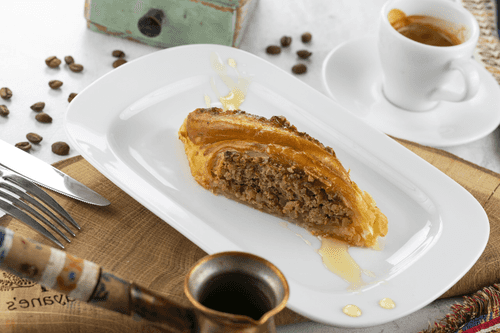
The recipe was shared with us by brand chef Gayane Breiova, restaurant Gayane's.
14
12
60

Baklava made from phyllo dough with almonds is an exquisite dessert of Eastern cuisine, rooted in the Ottoman Empire. This sweet pie soaked in aromatic citrus-infused sugar syrup has a delicate crispy texture created by layers of airy phyllo dough. The walnut filling with sugar adds a rich nutty flavor, while almond decorations complete the harmony of aromas. Melted butter adds tenderness, and the caramelized crust formed during baking makes each piece unique. Baklava is traditionally served chilled to allow the syrup to soak into the layers of dough, revealing a sweet honey-nut flavor. This traditional treat is perfect for festive gatherings and tea parties where deep flavor accents and rich texture are appreciated.
9
8
70

Potatoes with milk and Armenian brandy is a refined dish of Armenian cuisine that combines simplicity and sophistication. At its core is tender potato infused with the warmth of milk and noble notes of brandy. The brandy not only adds a subtle aroma but also enhances the flavor, enriching the natural sweetness of the potato. Creamy butter gives a velvety texture, while fresh parsley adds brightness and a hint of spiciness. The origins of this recipe may trace back to traditional culinary experiments by Armenian chefs who value harmony of flavors and simplicity in preparation. It is perfect as a standalone dish or as a side to meat, filling the meal with coziness and elegance.
7
4
25

Homemade Armenian halva is a delicate and aromatic dessert rooted in Armenian culinary traditions. Simple ingredients—wheat flour, melted butter, sugar, and water—combine into an amazingly soft and crumbly texture with a subtle nutty hint. In ancient times, halva symbolized abundance and hospitality, and today it remains a beloved treat. This sweet dessert pairs perfectly with tea or coffee; it can be enjoyed on its own or served with nuts and dried fruits. Halva is easy to prepare: the flour is roasted with butter until golden brown, then mixed with sugar and hot water until smooth. After cooling, halva acquires a dense texture, becoming a delightful treat for the whole family.
4
6
30

Gata is an exquisite delicacy of Armenian cuisine that embodies the tenderness and warmth of home traditions. Its origins date back to ancient times when Armenian housewives prepared this sweet for holidays and family celebrations. The crispy layered dough filled with a fragrant mixture of butter, walnuts, and vanillin offers a refined blend of sweetness and nutty depth. Gata has a soft texture with a slight caramel hue due to its baked surface. It is enjoyed as a standalone dessert that pairs perfectly with aromatic tea or coffee. Each gata symbolizes comfort and hospitality passed down through generations.
8
8
180

Meat in Armenian lavash is a hearty and aromatic dish that combines rich flavors of meat and vegetables wrapped in crispy lavash. Its roots trace back to Russian culinary traditions but carry notes of Caucasian hospitality. The appetizing filling of three types of meat—beef, pork, and lamb—is complemented by juicy eggplants, carrots, and onions, creating a rich taste. The lavash soaked in the filling's juices turns golden after baking, acquiring a pleasant crunch. This dish is perfect for a cozy family dinner or a friendly gathering, and its versatility allows for experimentation with ingredients to highlight individual taste preferences.
12
6
30

Cheese pie made from Armenian lavash is a true find for lovers of simple yet rich flavor combinations. This dish originates from traditional Armenian cuisine, where lavash is an integral part of the gastronomic culture. The secret of the pie lies in its layered structure: soft cheese soaked in a milk-egg mixture melts between thin sheets of golden lavash, creating a delicate texture and rich creamy taste. Baked to a crispy crust, this pie can be served as a standalone dish or as an accompaniment to fresh vegetables and herbs. It is easy to cut into portioned pieces and enjoy as a light snack that pairs wonderfully with hot tea or aromatic wine.
4
4
60

Petersburg-style shashlik with an Armenian twist is a culinary embodiment of gastronomic traditions where the northern spirit of Petersburg meets the Armenian love for juicy meat. It is made from tender pork neck, cut into strips and generously soaked in onions that release juice and add softness to each piece. A light saltiness and spiciness of black pepper enhance the meat's flavor, while slow grilling over coals preserves juiciness and creates a crispy crust. A unique serving feature is shaking the shashlik with onions in a pot, making it especially aromatic and tender. This shashlik pairs perfectly with a glass of tart Kindzmarauli and becomes the soulful center of friendly gatherings, bringing warmth and pleasure to everyone who tries it.
4
10
90

Armenian-style fried beef meatballs with vegetables are a vibrant, spicy dish that combines juicy beef with aromatic spices and fresh vegetables. Despite the Armenian name, it carries hints of Italian cuisine due to the harmonious blend of garlic, sweet pepper, and cumin. The history of this dish may root back to family lunch traditions where meat and vegetables are served together, creating a rich and balanced flavor. Meatballs fried in clarified butter acquire an appetizing crust, while serving them with juicy tomatoes and crunchy cucumbers adds freshness. This is a wonderful choice for a cozy dinner or festive table, combining simplicity in preparation with a richness of flavor nuances.
11
4
40

Boiled chicken with Armenian-style tomato sauce is a dish that combines simplicity of preparation and rich flavor. It embodies the traditions of Armenian cuisine, where special attention is given to spices and sauces. Tender pieces of chicken soaked in aromatic sauce made from tomato puree, onions, and spices create a harmonious blend of flavors: the tangy notes of tomatoes are complemented by the sweetness of caramelized onions and a hint of spiciness from peppers. The dish is perfect for a family dinner and can be served with mashed potatoes or fresh vegetables. Parsley adds freshness and lightness, completing the flavor composition. It’s an excellent option for both everyday meals and festive tables where traditional simplicity meets refined taste.
8
4
85

Armenian pumpkin porridge 'Ddmakashovi' is a warm, tender dish deeply rooted in Armenian culinary traditions. Its history dates back centuries when pumpkin, rich in vitamins and natural sweetness, became the basis for many national dishes. The taste of the porridge is surprisingly harmonious: sweet pumpkin pairs with soft rice, while melted butter adds tenderness and richness. A light hint of milk makes the texture even more velvety. This dish is perfect for breakfast or dinner, and its serving—hot or cold—allows enjoyment at any time of the year. 'Ddmakashovi' is not only nutritious but also a warming porridge that evokes the coziness of home and the rich culinary traditions of Armenia.
6
4
30
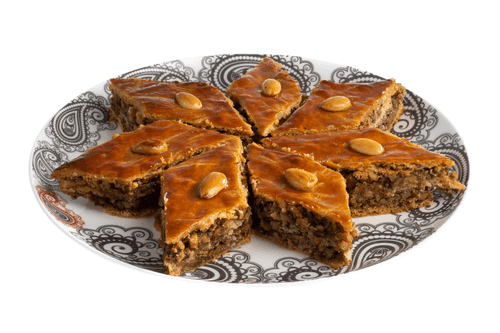
Baklava is a famous oriental sweet, the history of which, according to one version, begins in Greece as early as the 2nd century BC. In any case, it is to this time that the first records of the ancient Roman pie placenta made of puff pastry, honey and nuts are attributed . Nowadays, we are accustomed to considering Turkey as the birthplace of baklava (or baklava), which is not surprising: there are more than a hundred varieties of this dessert in the country. The filling and cooking technology may vary depending on the region, but the essence remains the same: these are layers of dough soaked in honey, rolled out to a paper-thin layer, between which a textured filling is hidden.
10
20
120

Baklava with powdered sugar is a true embodiment of Eastern sweetness, rich in aromas and delicate texture. This dessert has roots deep in Azerbaijani cuisine and consists of layered delicacy soaked in sweet syrup and adorned with nuts. Thin layers of dough alternating with nut filling create a unique combination of a crispy crust and a soft, melt-in-your-mouth center. The special flavor of baklava is enhanced by saffron, giving it a subtle spicy note and exquisite aroma. This dish not only delights the taste buds but also carries traditions passed down through generations, decorating festive tables and symbolizing hospitality. Baklava is best served with a cup of strong tea that highlights its rich sweetness and adds a touch of warmth and coziness.
10
6
45

Baklava 'One Thousand and One Nights' is a magical treat born from the depths of Arab cuisine, inspired by the atmosphere of Eastern tales and mysterious nights. This dessert combines the flaky texture of crispy dough with a delicate nut filling soaked in fragrant syrup. Baklava is a symbol of luxury and hospitality; its taste is rich, sweet, and spicy with a hint of lemon's tartness. It is perfect for enjoying with a cup of hot tea, creating cozy moments with family and friends. This dessert is prepared for celebrations, bringing joy and a sense of Eastern fairy tale to every piece.
7
4
35