





Austrian cuisine
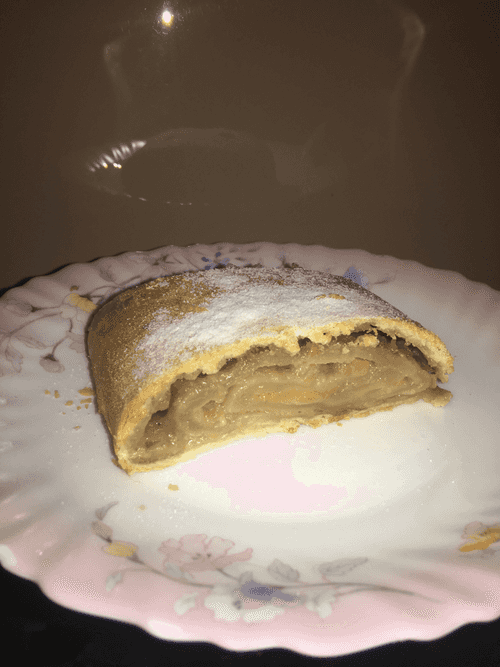
Viennese strudel is a culinary gem of Austrian cuisine, a symbol of sophistication and tradition. Its history dates back to the 18th century when the recipe was adopted from the Ottoman Empire and adapted to European tastes. The golden, crispy crust hides a tender filling of apples, fragrant almonds, and sweet raisins infused with subtle notes of lemon and cinnamon. The combination of the crispy texture of the dough with the juicy fruit filling creates a harmony of flavors wrapped in the warmth of fragrant butter and vanilla sugar. Viennese strudel pairs perfectly with a cup of aromatic coffee or tea, filling every moment with delight. This dish embodies cozy family gatherings and exquisite pastry traditions.
13
6
65
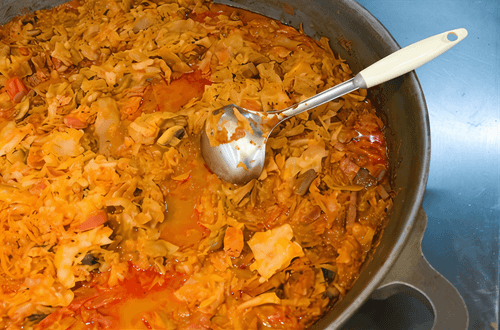
Braised cabbage with tomato puree is a simple yet incredibly aromatic dish that originates from Austrian cuisine. It combines the tenderness of braised cabbage, the rich flavor of tomato puree, and a slight tang from vinegar, creating a rich and balanced flavor profile. Initially prepared as a hearty side dish for meat, it pairs wonderfully with bread, potatoes, or on its own. The caramelized onions and spices give the cabbage a deep, warm taste. Adding toasted flour gives it a pleasant thickness and richness. This dish is perfect for a cozy home lunch or dinner, providing comfort and rich flavor with subtle notes of traditional Austrian cuisine.
7
4
60
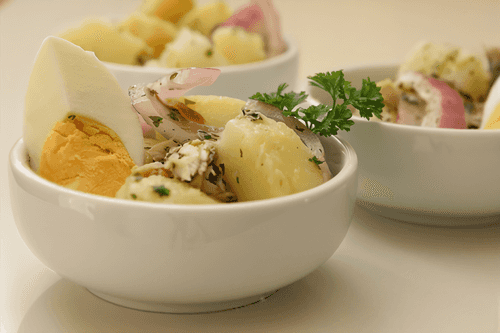
Meat salad with pickled onions is a classic dish of Austrian cuisine, combining simple yet rich flavors. The freshness of the pickled onions contrasts beautifully with the tenderness of boiled meat, potatoes, and eggs. Mayonnaise adds a creamy texture, binding the ingredients together. This salad emerged as a hearty and nutritious dish, perfect for cold weather. It is served as a standalone appetizer or a side dish to main courses. The magnificent combination of flavors makes this salad popular at family dinners and festive tables.
9
6
100
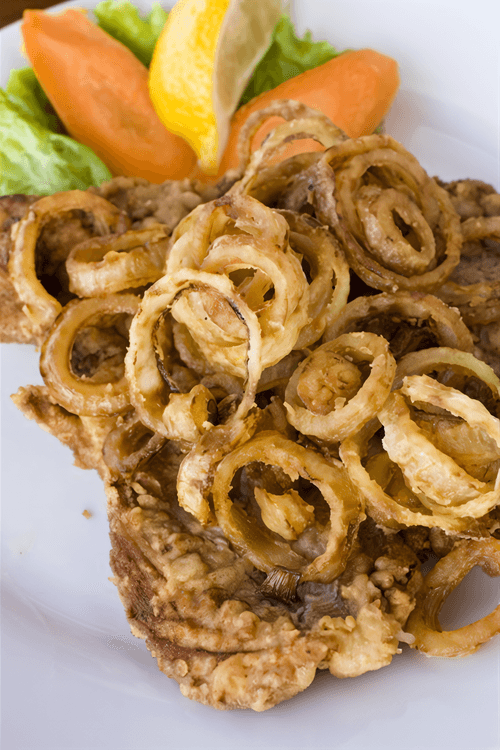
Beefsteak with onions is a classic dish of Austrian cuisine that combines juicy meat and caramelized onions, creating a rich flavor with a hint of sweetness. It has roots in the traditions of Viennese gastronomy, where meat dishes hold a central place. The beef tenderloin gives the steak tenderness, while the fried onions add aroma and an appetizing golden crust. The simplicity of preparation makes this dish versatile: it is suitable for both family dinners and cozy gatherings with friends. Beefsteak is often served with potato sides or fresh vegetables, making it even more harmonious. It pairs perfectly with red wine that highlights the depth of the meat's flavor. Beefsteak with onions embodies traditional European comfort in every serving.
5
2
10
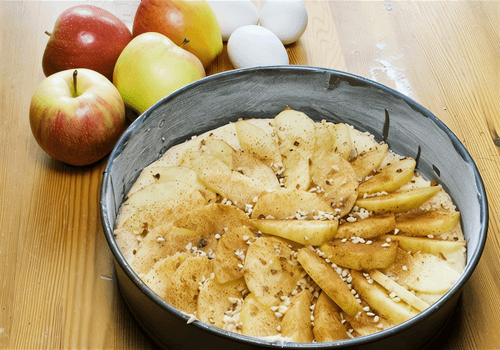
Apple dessert is a refined treat from Austrian cuisine that embodies elegance and simplicity. Tender baked apples with a hint of lemon acidity harmonize with an airy egg mixture infused with the aroma of vanilla and white wine. The crunchy almond crust adds textural sophistication to the dessert, while the sweetness of sugar delights the taste buds. This dish is perfect for cozy home evenings as well as festive occasions, filling the home with warmth and the aroma of baked fruits. Its simplicity in preparation makes it accessible even for novice cooks, while its exquisite taste compels one to return to it again and again.
8
4
20
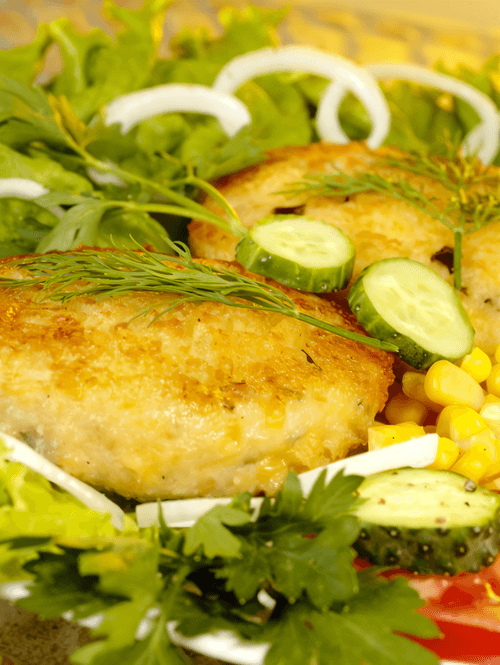
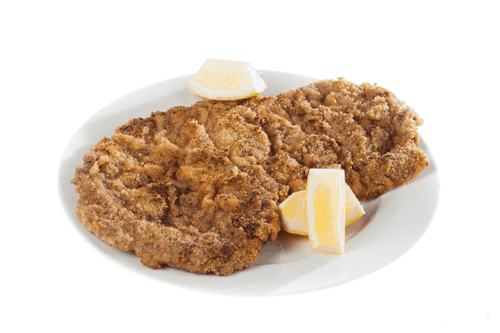
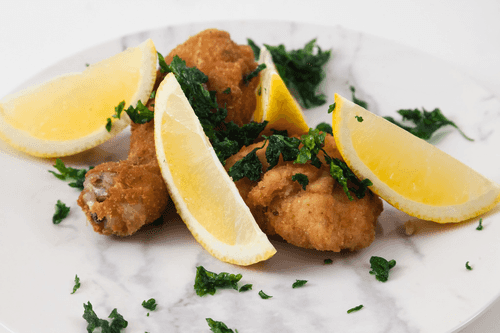
Cabbage schnitzel is an original variation of the famous Austrian schnitzel, where juicy white cabbage is used instead of meat. The dish traces back to the traditions of Austrian cuisine, which values simplicity of ingredients and rich flavor. Soft, tender cabbage leaves fried in a crispy golden crust of flour, eggs, and breadcrumbs create an amazing contrast of textures. Serving with sour cream or sour cream sauce makes the taste even softer and more harmonious. The lightness of this dish makes it a great option for a vegetarian diet, while its rich yet delicate flavor captivates even the most discerning gourmets. Schnitzel can be served as a standalone dish or accompanied by fresh vegetables, creating a perfect balance of flavors.
5
4
30

Viennese beef tongue is an exquisite dish of Austrian cuisine that combines the tenderness of boiled beef tongue with the rich, slightly sweet flavor of a sauce made from wine, raisins, and almonds. This dish traces back to the traditions of European gastronomy, where meat dishes were often complemented by fruity and nutty notes. The beef tongue is boiled until tender and soaked in a rich wine sauce where raisins and almonds caramelize, acquiring a distinctive aroma and a slight tang from lemon juice. In the classic version, the dish is served with dumplings, making it particularly hearty and harmonious. Viennese tongue is a gastronomic find that can surprise even the most discerning gourmet.
14
4
35
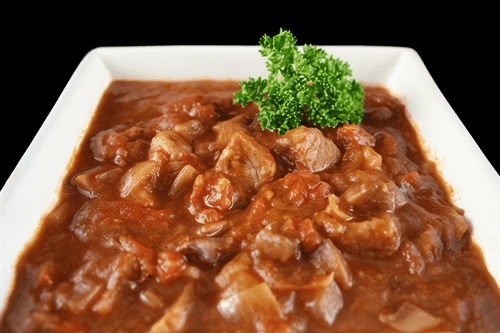
Viennese goulash is a classic dish of Austrian cuisine deeply rooted in the gastronomic culture of Central Europe. Its history originates from Hungarian goulash, but the Austrian version features a more tender texture and refined flavor. Beef shoulder is slowly stewed in a rich sauce with onions, tomatoes, garlic, and aromatic spices, acquiring a deep meaty taste with a slight acidity from red wine. Goulash is traditionally served with boiled potatoes, pasta, or dumplings that beautifully absorb the flavorful gravy. This warming, hearty dish is perfect for a cozy home dinner, offering rich taste and satisfying pleasure.
9
4
30
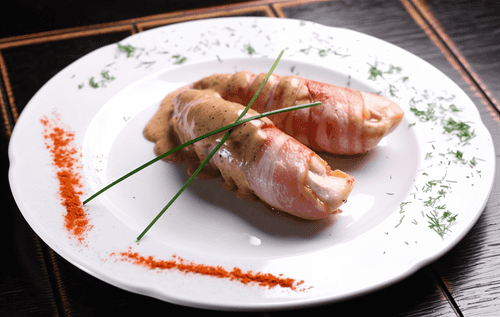
Viennese zrazy is an exquisite dish of Austrian cuisine that combines tender meat with aromatic bacon and spicy caraway. These meat rolls, filled with juiciness and flavor, have a rich history rooted in European traditions. Stewed in a creamy sauce with onions, they acquire a rich creamy texture and a subtle, balanced taste that pairs well with mashed potatoes or boiled rice. Fried to a golden crust, they delight with their appetizing aroma and tenderness, turning every dinner into a true gastronomic celebration. Perfect for family lunches as well as festive meals, they reveal the depth of Austrian culinary traditions.
8
4
30
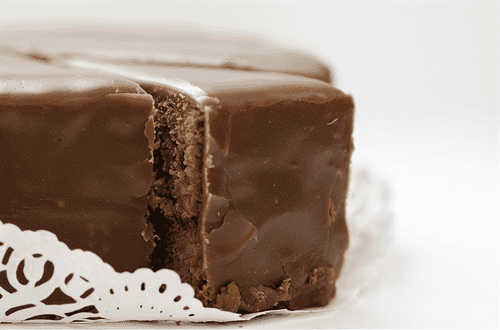
Sachertorte is an iconic dessert of Austrian cuisine, created in 1832 by Franz Sacher for Prince Metternich. This chocolate cake with thin layers of apricot jam and glossy chocolate glaze captivates hearts with its elegant simplicity and rich flavor. The airy sponge cake, infused with cocoa and almond aroma, perfectly complements the tartness of the jam, creating a harmony of tastes. The thick icing adds refined sweetness and smooth texture. Traditionally served with whipped cream, enhancing its velvetiness. Sachertorte is not just a dessert but a symbol of Viennese pastry tradition, invariably accompanying morning coffee in cozy cafes of Vienna.
10
6
30
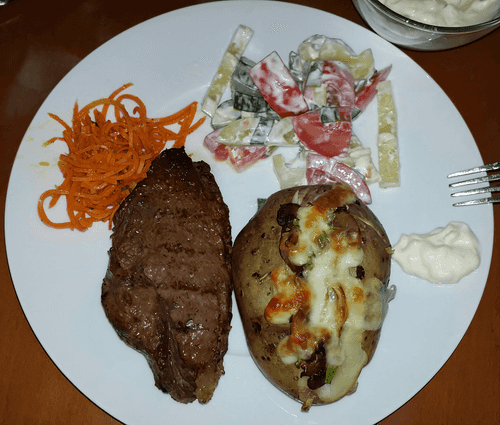
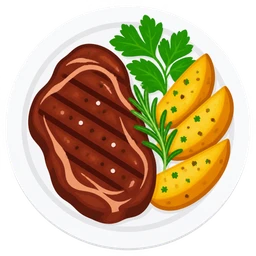
Fried beef (entrecôte) with potatoes is a refined dish of Austrian cuisine that combines tender meat with crispy potatoes. The entrecôte, carefully prepared and fried to a golden crust, reveals a rich meaty flavor enhanced by spices. This recipe originates from the traditions of European meat dishes, highlighting the simplicity of preparation and richness of flavors. Served with aromatic fried potatoes, spicy horseradish, and fresh herbs makes it an ideal choice for a hearty dinner. This dish pairs wonderfully with red wine, while melted butter and meat juices add special depth to the taste. Fried beef with potatoes is not just food but a true gastronomic experience infused with the warmth of home traditions.
2
4
35
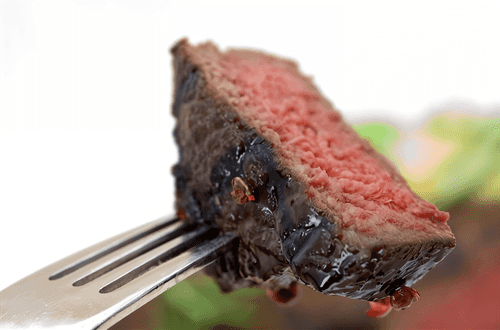
Languette with garnish is an exquisite dish of Austrian cuisine, known for its rich meat flavor and simplicity of preparation. Its history dates back to the times when Viennese chefs aimed to highlight the quality of veal with minimal processing. Tender slices of tenderloin, generously seasoned with salt and pepper, are fried in a hot pan to create a crispy crust while retaining juiciness inside. The garnish consists of aromatic roasted potatoes, sweet carrots, and tender green peas, providing harmony of textures and flavors to the dish. Languette pairs perfectly with a glass of dry red wine, and its rich juice obtained from boiling broth makes each piece especially juicy. This dish not only satisfies hunger but also offers true gastronomic pleasure.
4
4
35
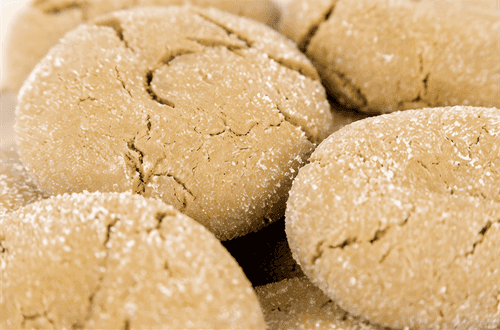
Gingerbread cookies with hazelnuts are a fragrant treat with a delicate, crunchy flavor and a hint of spicy warmth. This dessert comes from Austrian cuisine, where the combination of spices and nuts in baking is traditionally valued. Ginger adds warm spiciness to the cookies, while hazelnuts provide a rich nutty aroma. Rice flour makes the texture lighter, and powdered sugar adds a soft sweetness. These cookies are perfect with a cup of hot tea or coffee, especially on cool evenings. In Austria, such treats often accompany Christmas celebrations, creating an atmosphere of coziness and family warmth. They are great as standalone treats but also pair well with jam or melted chocolate.
6
6
45
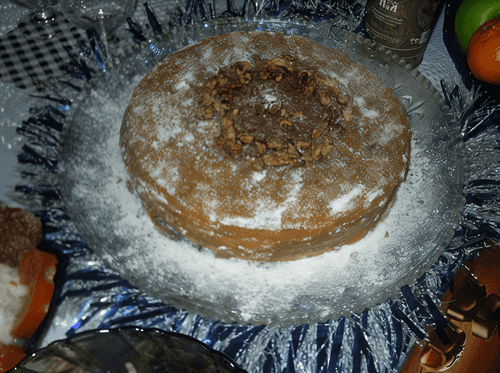
Sour cream cake is an exquisite dessert of Austrian cuisine that captivates with its tenderness and rich flavor. Its layers soaked in sour cream have a soft, moist texture, while the addition of nuts provides a refined crunch and deep aroma. A special cocoa glaze highlights the cake's sweetness, creating a harmonious combination with the light tang of sour cream. This dessert is perfect for festive gatherings and cozy family evenings. Due to the simplicity of ingredients and ease of preparation, the cake has become a favorite treat in many homes. Its delicate structure and rich taste make it an ideal complement to a cup of aromatic coffee or tea.
10
8
30

Butter cookies are a delicate and crumbly dessert from Austria. Their taste is a refined harmony of creaminess and light sweetness, while the texture is soft yet fragile. Historically, such cookies have been a symbol of coziness, often served with tea or coffee in Austrian cafes. The main secret to their delightful texture lies in the combination of flour, butter, and a special preparation method where the dough is carefully kneaded by hand. These cookies are perfect for cozy evenings, and their simplicity allows one to enjoy every bite that melts in the mouth. The subtle aroma of fresh butter makes them an indispensable part of home baking.
5
12
30