


- Categories
- Main courses (12806)
- Bakery and desserts (12068)
- Appetizers (5704)
- Salads (4899)
- Soups (3502)
- Drinks (2372)
- Breakfast (2278)
- Pasta and pizza (1930)
- Sauces and marinades (1410)
- Sandwiches (562)
- Risotto (313)
- Broths (106)
Wakame seaweed
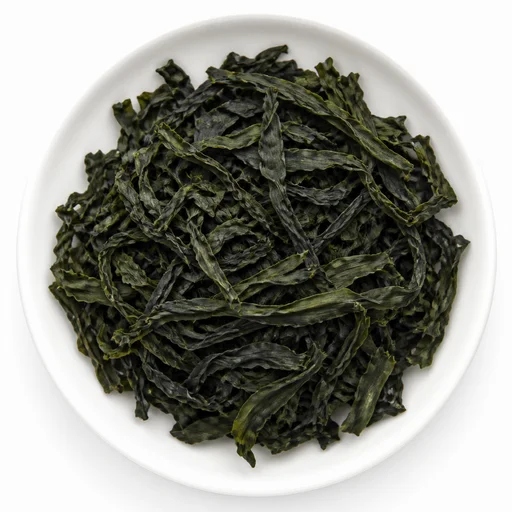
A dried brown seaweed with a silky texture for miso soup and Japanese salads.
Wakame seaweed is a dried brown seaweed with a tender, silky texture after soaking and a light sweetish-marine taste. It is added to miso soup, Japanese salads (chuka, goma wakame), tofu and rice, soups and dressings.
Recipes with this ingredient
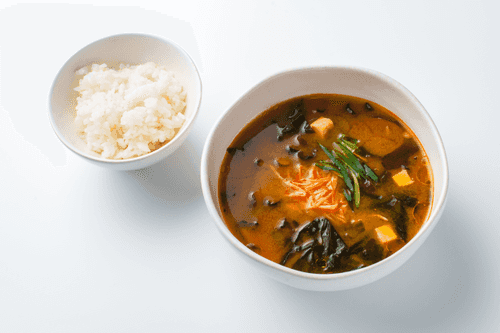
Recipe from the restaurant "Klevo", chef Sergey Timofeev.
9
6
15
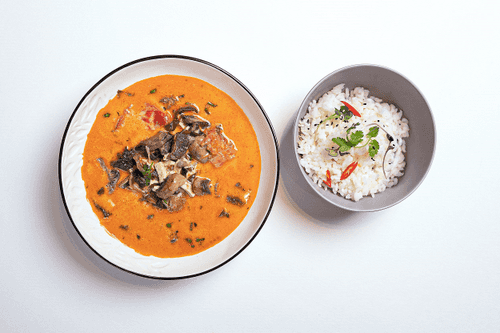
Recipe from the Veganutye restaurant, brand chef Gayane Breiova.
15
6
75
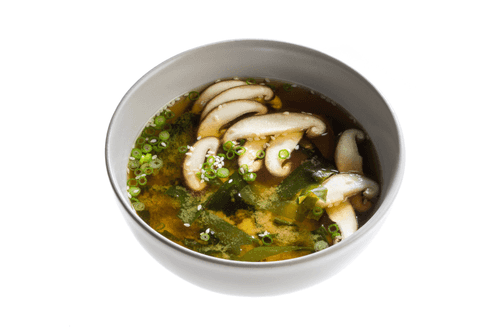
Miso soup is the true soul of Japanese cuisine, deeply rooted in the traditions and daily diet of the Land of the Rising Sun. Its history dates back to the Middle Ages when miso paste became an integral part of Japanese gastronomy. This soup has a rich umami flavor thanks to the combination of fermented miso paste, shiitake mushrooms, and aromatic dashi broth. Tender tofu cubes add softness to it, while wakame seaweed adds fresh ocean notes. Miso soup not only warms and nourishes but is also considered beneficial for digestion and maintaining balance in the body. Traditionally served at the beginning of a meal, it awakens appetite and sets the tone for the flavor harmony of Japanese cuisine.
12
4
30
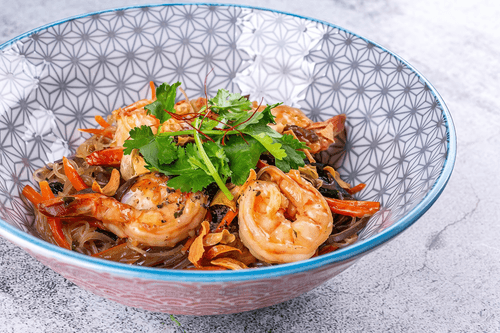
Seaweed is the same greenery, so it is put in the wok together with green salad, they have the same cooking time. Large tiger shrimps combined with wakame are the taste of the sea itself, beautiful in its minimalism. Recipe by chef Evgeny Meshcheryakov, from the menu of the Oishii restaurant.
15
2
30
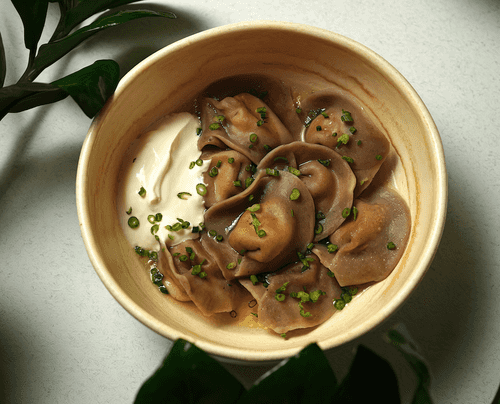
Recipe from the chef of the Hands neo-bistro Vyacheslav Kazakov.
7
2
60
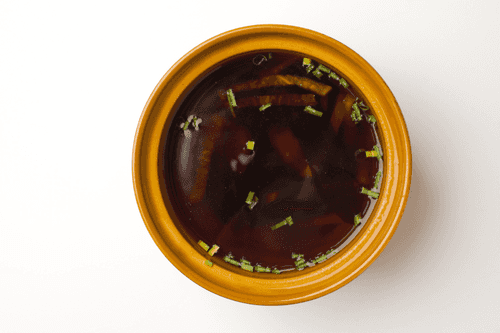
Recipe from Chef Kobayashi Katsuhiko for the Izumi Restaurant.
6
1
60

Noodles with chicken and vegetables is a popular dish in Chinese cuisine that embodies the harmony of flavors and textures. It combines tender pieces of chicken stir-fried with aromatic vegetables, wakame seaweed, and pickled ginger. Soy sauce plays an important role, adding a rich flavor to the dish. Udon noodles infused with sesame oil make the dish hearty and appetizing. Historically, Chinese cuisine values the balance of ingredients and natural aromas, and this dish beautifully reflects that traditional approach. It is versatile—served as a complete hot meal or a light dinner. The pleasant combination of soft noodles, crunchy vegetables, and spicy seasonings makes noodles with chicken and vegetables a favorite choice for lovers of Asian flavors.
12
6
40
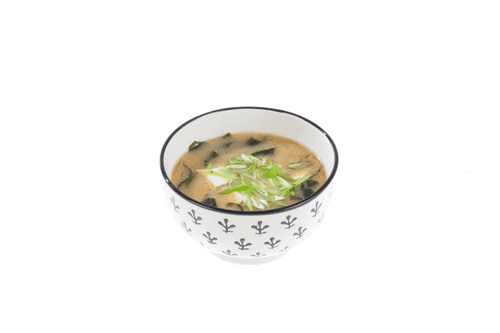
In Russian, it's just miso soup. A basic dish that has become a symbol of Japan no less than sushi. Just add water, grind and mix - that's the whole recipe in a nutshell. True, to make it, you'll need miso paste, dry broth and dashi, seaweed and tofu for dressing. Although, according to Japanese chef Kobayashi Katsuhiko, in Japan miso is served empty, since in a traditional waseku meal, miso plays the role of a drink rather than a soup. It is brought at the beginning of the meal, and during the meal, sip by sip, all other dishes are washed down with it to cleanse the taste buds and restore appetite. That's why you won't find mushrooms or shrimp in miso in Japan. All these additional ingredients have grown like shells to the bottom of a ship when the soup reached overseas Japanese restaurants . .
6
6
30

This exquisite recipe combines tender chicken breast, aromatic dried wakame seaweed, and ground fish to create a subtle balance of flavors. Japanese cuisine is renowned for its focus on natural ingredients, and this recipe is a perfect testament to that. The wakame adds a light sea note to the dish while the ground fish deepens the flavor. The foil-baked chicken breast remains juicy and infused with the aromas of dill and spices. This dish is ideal for a light dinner or festive lunch, especially when complemented with fresh vegetables and herbs. The taste is delicate, slightly salty with a barely noticeable sea hint, and the texture is soft and juicy. This dish embodies the spirit of Japanese cuisine: simplicity, naturalness, and harmony of flavors.
7
3
90
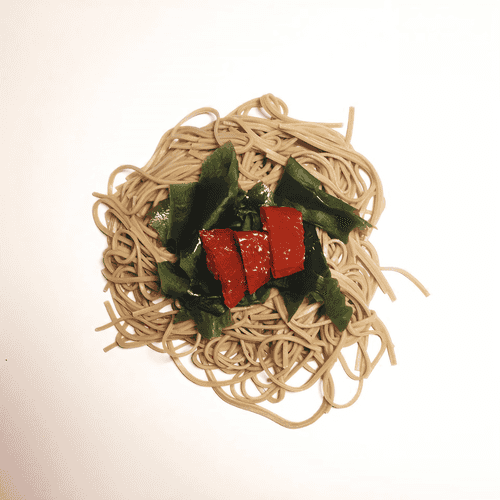
The recipe for duck fillet in batter with buckwheat noodles embodies the sophistication of Chinese cuisine, where textures and flavors harmoniously blend. The crispy golden crust of panko breadcrumbs conceals tender, juicy duck meat infused with subtle aromas of salt and sesame oil. Buckwheat noodles soaked in rich notes of miso paste and sautéed sun-dried tomatoes add depth to the dish, while wakame seaweed brings freshness and a marine touch. An exquisite miso and sesame oil-based sauce highlights Eastern traditions, making the dish incredibly balanced. This recipe is perfect for lovers of Asian cuisine looking to try something refined yet with a light crispy accent. A wonderful choice for both festive dinners and gastronomic enjoyment in a cozy home setting.
11
2
20
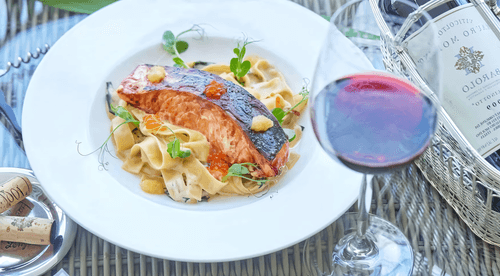
Pappardelle with salmon is a refined dish of Italian cuisine that combines the delicate texture of pasta with the rich flavor of baked salmon and creamy sauce. This recipe embodies the elegance and sophistication of Mediterranean gastronomy. The sauce, infused with the aroma of white wine and enriched with wakame seaweed and subtle notes of oyster sauce, gives the dish a light marine freshness. The salmon baked in oyster sauce reveals its juiciness and rich taste, while the red caviar adds a delicate salty aftertaste. Served with watercress salad and basil completes the harmony of this masterpiece. Perfect for special dinners, pairing well with white wine and a cozy evening atmosphere.
13
2
40
Japanese-style pickled cucumbers are an exquisite blend of fresh cucumber, the piquancy of soy sauce, and delicate sea notes of wakame. This recipe embodies the spirit of Asian cuisine, transforming simple ingredients into a refined dish. Hand-broken cucumbers absorb the sweet-sour nuances of rice vinegar, while the light crunch of carrots adds textural harmony. This refreshing and light treat is perfect for summer days or as a side to richer dishes. Brief marination preserves the natural freshness of the ingredients, and chilling before serving enhances their flavor qualities. Such a salad is served as an appetizer in Japanese restaurants, complementing the main dish with its tenderness and depth of flavor.
5
3
15
Seaweed salad with orange and macadamia nuts is a refined dish of Japanese cuisine that combines tender seaweed, the savory taste of miso, and the freshness of citrus. The origins of this salad lie in traditional Japanese cuisine where seaweeds have been used for their rich nutritional properties for ages. Sweet notes of palm sugar, umami from soy sauce, and roasted macadamia nuts give the dish a complex, layered flavor that beautifully complements the aromatic shiitake mushrooms. Juicy orange slices add brightness and freshness, creating a harmony of textures and tastes. This salad is perfect for a light dinner or as an elegant appetizer that brings not only gastronomic pleasure but also health benefits.
16
4
135
This exquisite Italian salad combines a harmony of flavors and textures. Buckwheat noodles provide a delicate density, wakame seaweed adds marine freshness, while crunchy cucumber and tender asparagus bring lightness. The dressing made from soy sauce, sesame and canola oil, lemon juice, and ginger adds a subtle spiciness. The dish's origins can be traced back to Japanese cuisine, but its adaptation with an Italian twist makes it unique. Such a salad is perfect for a light lunch or dinner, filling the body with nutrients and creating a sense of gastronomic pleasure. Serving it with toasted sesame completes the picture by adding aromatic crunch.
12
4
25
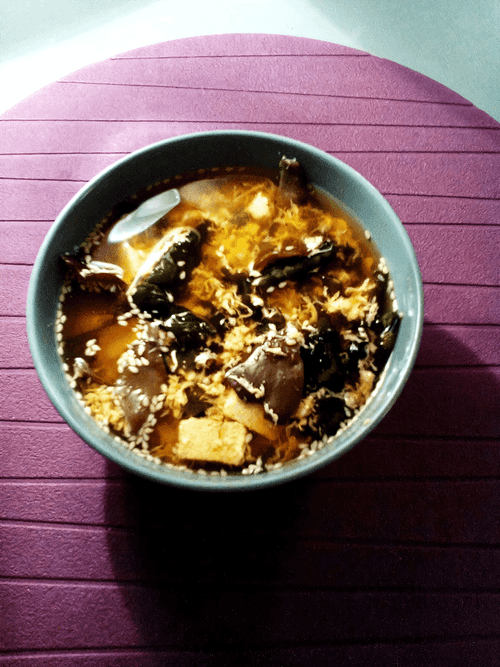
Kimchi soup with egg, tofu, and wood ear mushrooms is a vibrant embodiment of Asian cuisine that combines spiciness, tenderness, and deep umami flavor. This recipe draws inspiration from Japanese traditions but uses Korean kimchi paste that gives the dish a rich aroma and spicy note. Wood ear mushrooms add textural play while tofu provides softness and balance. Whipped egg white transforms the soup into a silky substance that's pleasant to the touch. This soup warms perfectly, awakening taste buds and creating a comforting sensation with every sip. It can be served as a standalone dish or alongside rice, enjoying the multifaceted flavors of Japanese cuisine with a light Korean accent.
7
1
15