
- Categories
- Main courses (12806)
- Bakery and desserts (12068)
- Appetizers (5704)
- Salads (4899)
- Soups (3502)
- Drinks (2372)
- Breakfast (2278)
- Pasta and pizza (1930)
- Sauces and marinades (1410)
- Sandwiches (562)
- Risotto (313)
- Broths (106)
Mirin

A Japanese sweet rice wine for teriyaki sauces, glazes and marinades.
Mirin is a Japanese sweet rice wine low in alcohol, slightly thick, with a mild sweetness and a light tang. It is used in teriyaki sauces, glazes, marinades, dressings and broths for shine, flavour balance and softening the smell of fish and meat.
Recipes with this ingredient
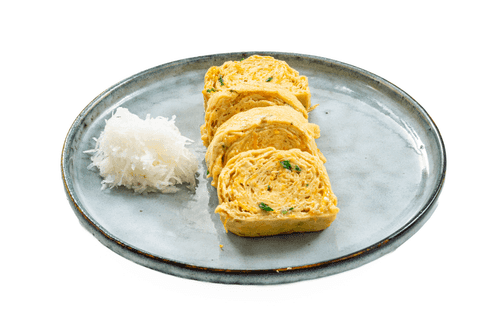
Tamago-yaki is a traditional Japanese omelet prepared in a special way. Its history dates back to the Edo period when Japanese chefs began experimenting with egg preparation. Unlike regular omelets, tamago-yaki is made by layering and rolling the egg mixture, giving it a unique texture – tender, airy yet firm. The flavor of this dish is rich and slightly sweet due to the addition of mirin and soy sauce. Carrots and green onions add freshness and a slight crunch, while dashi enhances the depth of flavor. Tamago-yaki is served cut into neat pieces, often with grated daikon that adds a refreshing spiciness. This dish is perfect as a standalone snack or as an accompaniment to a traditional Japanese breakfast.
9
2
15
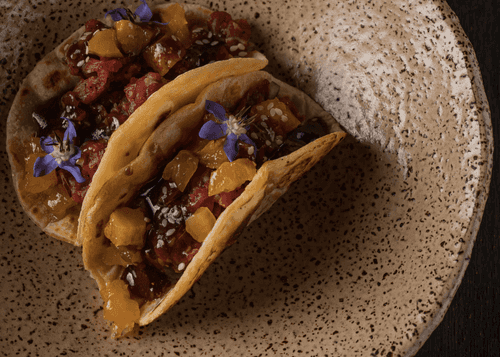
Sergey Shiyanov, chef of the Peruvian bar Alpaca, shared the recipe with us.
26
6
45
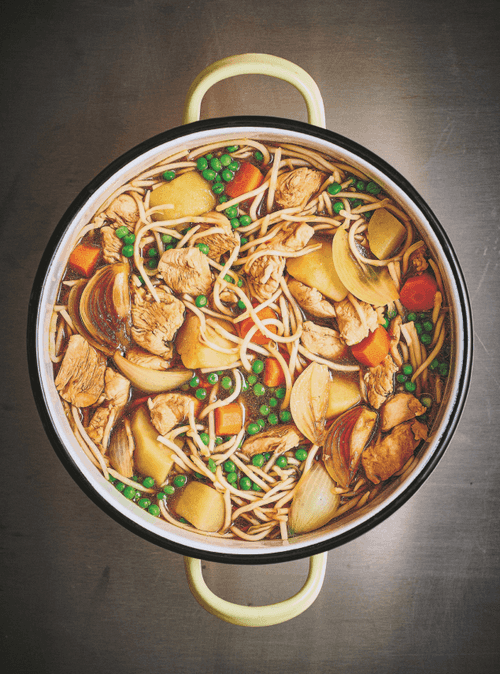
Recipe from the book by Thibault Villanova "Cooking like in anime. Recipes for real otaku!".
14
4
75
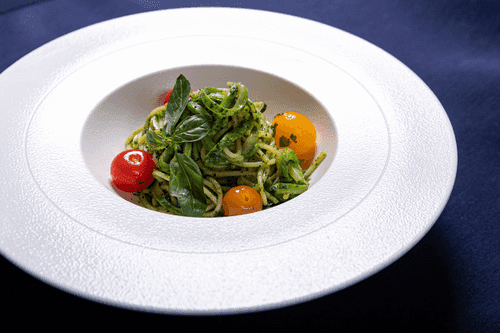
Pavel Khorsov, brand chef of the restaurant "Fish Manufactory No. 1", shared the recipe with us.
19
6
60
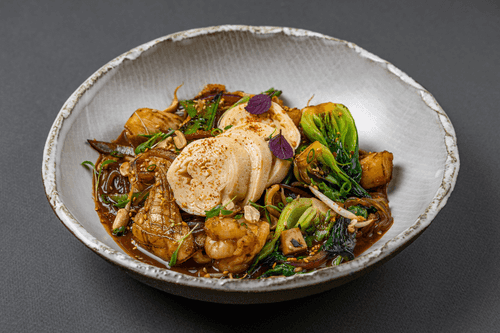
The recipe was shared with us by Evgeny Korsun, chef of the Twin Tigers restaurant.
29
4
30
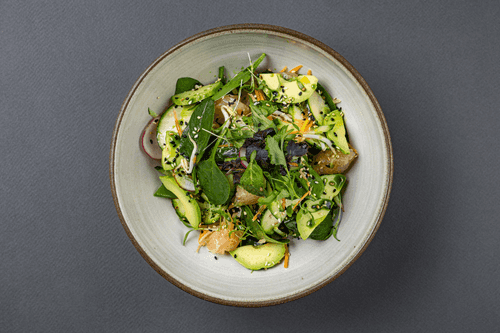
The recipe was shared with us by Evgeny Korsun, chef of the Twin Tigers restaurant.
20
4
15
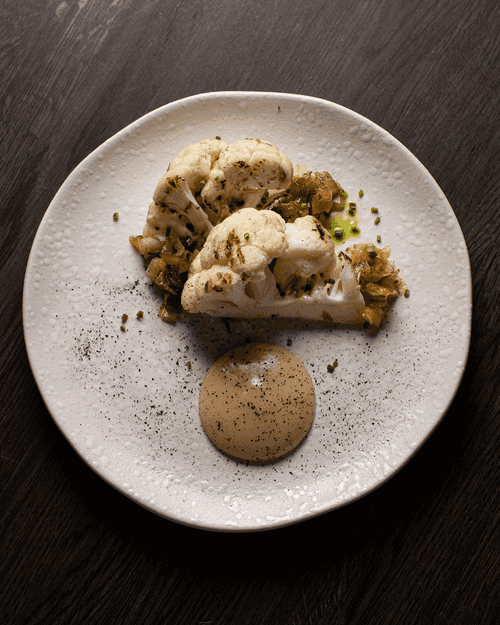
Chefs' interest in cauliflower has not waned for about five years now - everyone has long since woken up and seen it as a source of vitamin and protein power. And when it seems that everything has already been done - cabbage steak and crème brulee - you suddenly stumble upon something new and interesting. The cabbage recipe from Blush does not pretend to be restaurant-quality, but in combination with a creamy miso sauce, the cauliflower florets, fried until blackened and at the same time crispy, surprise with their freshness and soft, salty, nutty and at the same time smoky aftertaste, which you would never expect to find in a vegetable that is rather pale in itself. Vlad Suchkov, chef of the Blush gastrobar, shared the recipe with us.
9
4
50
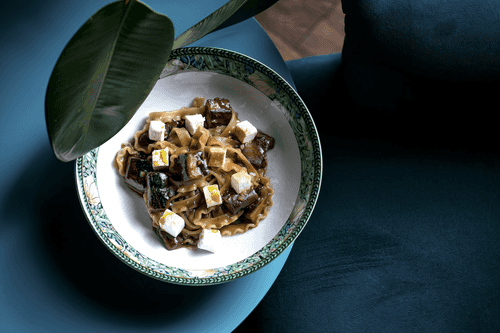
The recipe was shared by the chef of the bistro "Fantazers" Andrey Sokolov.
11
4
45
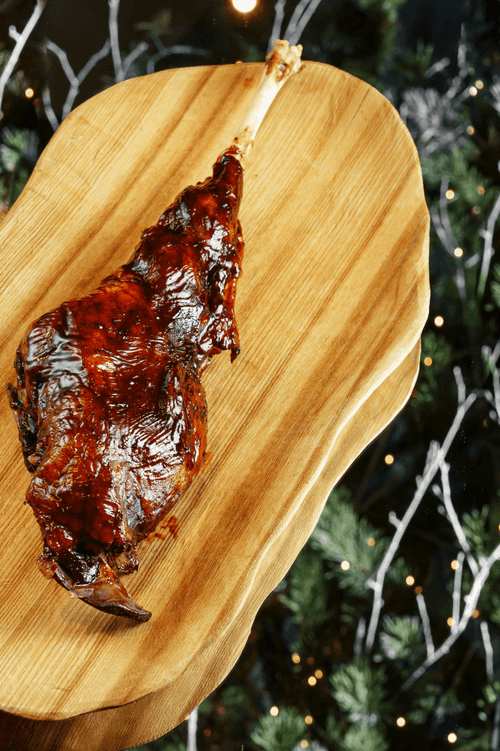
Recipe by Nikolay Bobrov, brand chef of the Tunguska restaurant.
18
15
200
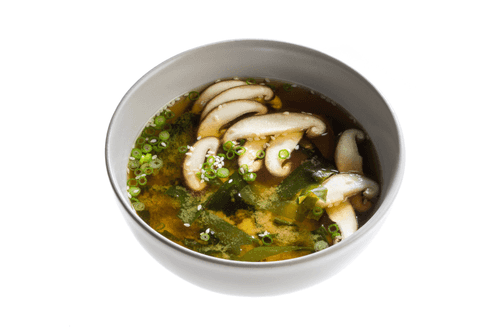
Miso soup is the true soul of Japanese cuisine, deeply rooted in the traditions and daily diet of the Land of the Rising Sun. Its history dates back to the Middle Ages when miso paste became an integral part of Japanese gastronomy. This soup has a rich umami flavor thanks to the combination of fermented miso paste, shiitake mushrooms, and aromatic dashi broth. Tender tofu cubes add softness to it, while wakame seaweed adds fresh ocean notes. Miso soup not only warms and nourishes but is also considered beneficial for digestion and maintaining balance in the body. Traditionally served at the beginning of a meal, it awakens appetite and sets the tone for the flavor harmony of Japanese cuisine.
12
4
30
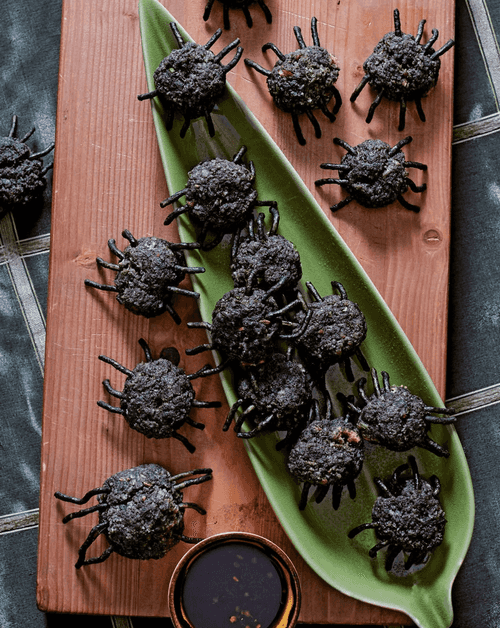
Recipe from Jennifer Carroll's book "Harry Potter: Feasts and Holidays.
12
25
60
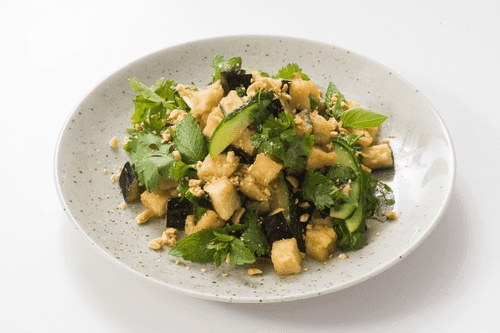
Summer, tender, almost seedless and absolutely not bitter eggplants can become a delightful story if you fry them in pieces until crispy. The story is also mixed with starch breading , starch is more delicate than flour and from it the eggplants develop a thin, almost glassy crust, which keeps the juice inside and does not allow the pulp to soak in oil and become heavy. Then the story of fried eggplants can be developed in any direction of the world: if you serve them with tahini - then in Israeli, with baked tomatoes - in Turkish, and if with mint, cilantro, soy sauce and mirin, then in Asian. We chose the latter option and enhanced the crunch, complementing the crispy eggplants with crushed peanuts.
14
4
30
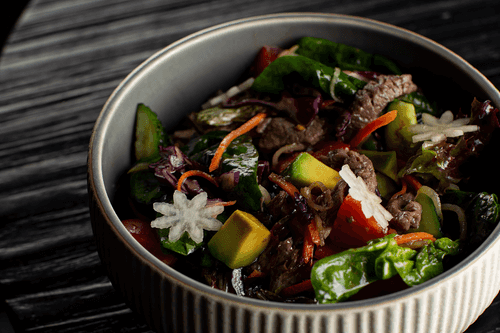
Recipe from Taras Kirienko, chef of the wine bar Touche.
18
3
30
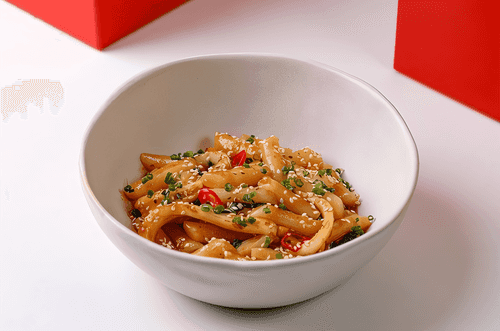
Recipe from Dmitry Smirnov, chef of Asian restaurants Redbox.
15
4
45
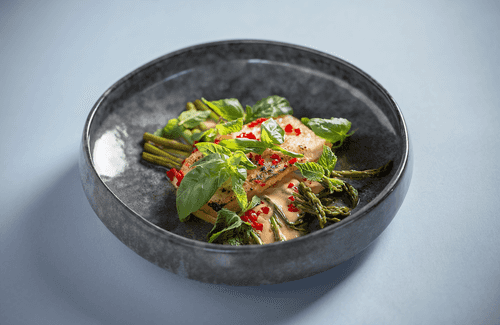
There are three main elements in this dish. The tofu itself, rolled in starch and deep-fried until a thin crispy shell appears around each piece. The asparagus, which is served raw. And the main character of the edible installation is an extremely inventive sauce, which, among other things, includes kimchi sauce itself (it is sold in tubes in Korean stores), Japanese mirin rice wine, Japanese mitsukan vinegar, lime, peanut butter and chopped ice. If you have all the necessary bottles at hand, the sauce is prepared in an instant: you need to poke the blender button and mix everything. Then it's a matter of a couple of seconds: the icy sauce with textured peanut crumbs is laid out on a plate, crispy asparagus sprigs are placed on top of it, like fresh oysters, straight from the frying pan, hot tofu is placed on top. All that remains is to decorate with basil and eat immediately. You must not hesitate under any circumstances: the contrast of the icy freshness of the sauce and the hot tofu lasts no more than a minute on the plate, but it is in it that all the delight of the receptors lies. The author of the recipe, Buro TSUM brand chef Vladimir Chistyakov, is known for just such outwardly laconic, but sophisticated in terms of taste-building snacks. Recipe by Vladimir Chistyakov, brand chef of the Buro TSUM restaurant.
18
4
20