











Recipe Catalog
Recipes with all the words: 1. Next come recipes that match some of the words

Chakapuli is a vibrant representative of Georgian cuisine, embodying the freshness of spring herbs and rich flavors. Historically, this dish was prepared for May holidays using young greens and juicy meat. Veal simmered in its own juice with white wine gains tenderness and depth of flavor. Tarragon adds a slight bitterness, while cilantro and green onions provide freshness and aroma. Tkemali gives a special tang that highlights the meat flavor. Garlic adds spiciness, and herbs harmoniously connect all components. Chakapuli is served hot, traditionally with Georgian wine, enjoying its juiciness and richness of flavor nuances. This dish is a true embodiment of Georgian gastronomy—simple to prepare but deep in taste and history.
7
6
150

This is the best dish in the world for a large company. It was invented by the Kakhetians. We have never eaten anything similar to chakapuli in any country - no one thought of mixing tarragon, lamb, wine and tkemali.
11
6
35

Chef Marina Martiashvili shared the recipe with us.
10
10
120
Chakapuli is a vibrant dish of Georgian cuisine made from lamb, filled with the freshness of greens and the rich flavor of meat. Traditionally prepared in spring when nature offers an abundance of fragrant herbs, chakapuli has historically been considered a festive treat, especially during Easter or May celebrations. Tender pieces of lamb are simmered in dry white wine, absorbing the acidic freshness of the drink and the richness of greens that create a unique flavor symphony. The juicy meat literally melts in your mouth, and the rich herbal aroma makes each spoon unforgettable. This dish pairs perfectly with Georgian wine, highlighting its subtle nuances. Chakapuli is not just food; it is a gastronomic ritual steeped in traditions and the aromas of spring awakening.
3
6
150
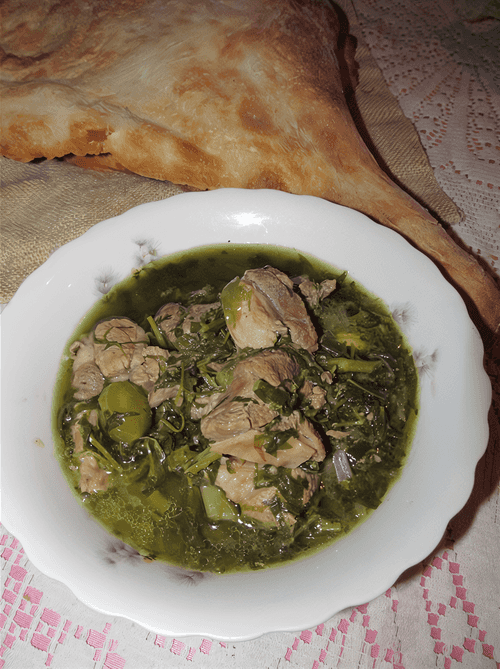
Chakapuli is a spring Georgian dish that combines the freshness of greens and the tenderness of lamb meat. Its roots go back to the traditions of mountainous regions where the spring awakening of nature inspired the creation of light, aromatic dishes. Lamb soaked in white wine and tarragon juices acquires a rich flavor with a tangy taste of tkhemali. Chakapuli is often prepared for Easter and spring holidays, served with Georgian bread tonis puri. This dish is perfect for warm days as it is light yet rich in aromas. The acidity of tkhemali enhances the freshness of greens while the white wine makes the meat tender and infused with flavor. In every bite lies the breath of Georgian nature and the warmth of family traditions.
7
8
120

Chakapuli made from lamb is a soulful Georgian dish infused with the aromas of spring greens and a light tartness of plum. Its roots trace back to the traditions of mountainous regions where the freshness of herbs and young meat create a harmony of flavors. The combination of cilantro, basil, and tarragon adds spiciness, while white wine contributes an exquisite depth of taste. Slow-cooked meat becomes tender and absorbs the richness of aromas. Chakapuli is perfect for spring feasts when nature awakens and one craves something light yet hearty. It is enjoyed hot, savoring the freshness of greens that reveal traditional Georgian flavors. This recipe is a true gastronomic poem where each flavor note plays its part in creating an unforgettable culinary masterpiece.
13
3
45

Chakapuli with lamb is a fragrant Georgian dish symbolizing spring and abundance of greens. Its history dates back centuries when shepherds cooked meat over fire with wild greens and young wine. Tender lamb simmers in white wine with plenty of fresh herbs, garlic, and hot pepper, creating a rich, spicy flavor with a slight tartness of plum. The dish requires no complex preparation and is perfect for festive gatherings as its rich aroma awakens the appetite. Chakapuli is served hot and pairs wonderfully with fresh bread and a glass of dry Georgian wine, making its vibrant taste special among Caucasian meat dishes.
11
4
120

Georgian classic: lamb, softened by acidity and the taste of cherry plum. Recipe from the Moscow restaurant "Megobari".
11
5
120
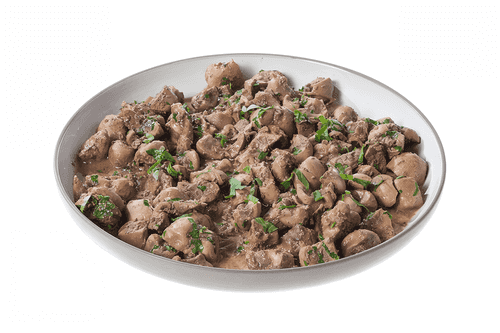
The main thing in frying veal kidneys is to get rid of the characteristic smell inherent in this offal. To do this, the kidneys need to be soaked - and this will take most of the time, and the frying itself will not take more than twenty minutes. When serving, the kidneys are poured with lemon juice and sprinkled with parsley.
7
4
20

Brazilian-style calf liver is a delightful dish of Latin American cuisine that combines the rich flavor of liver with the exotic sweetness of banana. It reflects Brazil's gastronomic traditions, where meat products are often paired with fruits to create a balance of flavors. Marinating in white wine and lemon juice makes the liver tender and aromatic, while brief stewing with banana adds special tenderness to the dish. A side of fluffy rice complements the composition, making it harmonious. This recipe is perfect for cozy family lunches or festive dinners, surprising with its unusual yet delightful combination of ingredients.
10
4
30

Osso buco is a classic dish of Italian cuisine that originated in Lombardy. Its name translates to 'bone with a hole,' indicating the unique preparation method of slow-braising veal shank with marrow. Wine and tomatoes give the sauce a rich flavor, while fresh parsley and lemon zest add brightness. Osso buco delights with its tenderness: the meat literally melts in your mouth, infused with the aromas of white wine and garlic. The dish pairs perfectly with Milanese risotto or polenta, creating a rich and cozy dinner. Osso buco is not just food; it is a tradition filled with warmth and the history of Italian cuisine.
11
4
110

Fried calf liver is a dish with deep roots in European cuisine, especially popular in Germany, Italy, and France. Its tender texture and rich flavor make it a delicacy that is simple to prepare. Slices of liver fried to a golden crust retain softness and juiciness inside, while aromatic spices enhance the rich meat flavor. The addition of fried bacon adds a pleasant salty note, and a side of mashed potatoes or fried potatoes provides heartiness and completeness. This dish is perfect for both cozy family dinners and festive tables where simplicity in preparation meets refined taste and traditional European gastronomy.
3
4
30

Fried veal or pork legs are an exquisite dish of Polish cuisine, filled with depth of flavor and textural contrasts. Historically rooted in traditional village recipes where every part of the animal was valued and used in cooking. The legs are first simmered with vegetables, absorbing the broth's aromas, and then fried in a crispy coating. The result is an incredible combination of tender, almost gelatinous meat and a golden crispy crust. A side of mashed potatoes, green peas, and cucumbers highlights the rich flavor of the dish, making it complete and harmonious. It is perfect for a festive dinner or a cozy home meal, reminding one of the richness of Polish culinary tradition.
8
6
35

White sauce is a classic element of French cuisine that adds sophistication to delicate meat dishes. Its history begins with traditional recipes where the combination of flour, butter, and meat broth creates a velvety consistency. The addition of egg yolk gives the sauce softness and depth of flavor, while lightly toasting the flour reveals a subtle nutty note. This sauce perfectly enhances the natural taste of rabbit, veal, lamb, and chicken, making them juicier and more harmonious. It is versatile in use: it can be served with meat pieces or used as a base for other exquisite sauces. White sauce embodies the elegance of French cuisine where simplicity of ingredients creates refined gastronomic pleasure.
4
4
30
Belarusian-style beef shchi is a harmony of flavors combining tender meat, aromatic roots, and sauerkraut. The dish has deep roots in Belarusian cuisine traditions where the sour notes of cabbage brine highlight the depth of the meat broth, creating a rich and warming taste. Hearty, fragrant, and nutritious, this shchi is perfect for cold days when one wants to warm up and enjoy home comfort. Bay leaf and pepper add spiciness to the soup while simmering cabbage makes its taste particularly soft. Served hot, often with rye bread that perfectly complements the dish. Shchi is not just a soup but an embodiment of centuries-old culinary wisdom warmed by the hearth's heat and home hospitality.
14
4
70