

















Recipe Catalog
Recipes with all the words: 1. Next come recipes that match some of the words

Turkey lagman is a refined dish of Uzbek cuisine that combines tender meat, aromatic vegetables, and fresh noodles. The traditional lagman has been known since ancient times as a nutritious and warming dish with roots in Eastern culinary traditions. This version uses turkey, making it lighter and more dietary but no less rich in flavor. Sautéed vegetables including tomatoes, carrots, and pumpkin create a rich taste, while the addition of fresh chili pepper adds spiciness. Buckwheat-wheat noodles add textural depth, and red beans provide heartiness. Lagman is served hot, enjoying its thick aromatic broth and the combination of tender ingredients. It is perfect for a cozy family dinner or as a warming lunch on a cool day.
16
10
60

Lagman with radish is a vibrant dish of Uzbek cuisine that combines tender noodles, aromatic meat, and rich vegetables. Its roots trace back to Central Asian tradition, where lagman became a symbol of hospitality and home comfort. The dough rested for several hours gives the noodles elasticity, while the fried meat with radish, carrots, and sweet peppers adds depth of flavor to the dish. The slight acidity of tomatoes highlights the meaty aroma, and fresh herbs complete the composition with lightness. Lagman is traditionally served hot to emphasize its rich taste and is perfect for both family dinners and festive gatherings where the heartiness and aroma of traditional cuisine are appreciated.
13
6
30
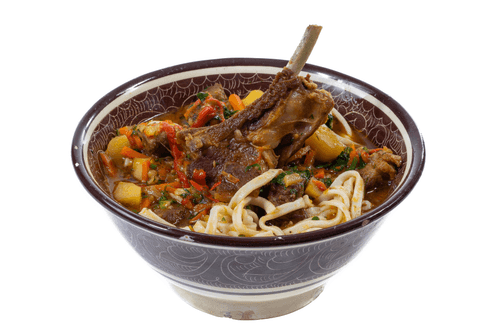
The totem soup in Uzbek cuisine is, of course, lagman. The best lagman should be sought in Bukhara, in the shanty towns for locals on the outskirts of the city, where tourists usually don't go. The simpler this soup looks, the more you'll remember it. It's customary to take this thick , long-noodled, mutton-scented concoction for a large company at once, so that they can snatch the tastiest pieces from each other and put them in their mouths. And then, after leaving magical Uzbekistan, repeat the same trick at home - the lagman recipe is not that complicated, especially if you omit such a detail as pulling the dough into noodles with your hands and immediately take ready-made noodles from the supermarket. There are, however, a few more important points that make lagman real - we share them in the video master class.
20
10
180

Lagman in Uzbek style is a fragrant and hearty dish of Uzbek cuisine that combines tender pieces of meat, vegetables, and special handmade noodles. Its roots go deep into the history of Central Asia, where nomads valued filling and nutritious meals. The taste of lagman is rich and multifaceted: juicy meat, sweetness of peppers and tomatoes, spiciness of garlic, and moderate heat from spices make it an indispensable part of an Eastern feast. The hand-pulled noodles give the dish a unique texture and allow it to better absorb the flavorful sauce. This dish is perfect for a family dinner or friendly gatherings, and its rich flavor transports you to the atmosphere of true Eastern hospitality with every bite.
15
6
90
Lagman is a dish with an ancient history that comes from Central Asia, especially popular in Uzbekistan. Its aromatic broth, rich in spices, soaks the thin noodles, creating a wonderful blend of flavors. Beef stewed with vegetables adds richness to the dish, while the addition of adjika and tomato paste makes it spicy. Cooking in a multicooker simplifies the process, allowing the ingredients to release their aromas and create a rich sauce. Lagman is perfect for a cozy family dinner, providing warmth and richness to everyone who tries it. It is served hot, complemented by fresh herbs and a spoonful of sour cream to highlight the balance of flavors.
13
4
95
Khorezm lagman is a vibrant representative of Uzbek cuisine, embodying the aromas and traditions of Central Asia. Its history dates back to ancient times when nomadic and settled peoples created hearty and nutritious dishes. The uniqueness of this lagman lies in the noodles made with dill, giving the dough a fresh herbal note. Thinly sliced lamb sautéed with vegetables and tomato paste creates a rich, spicy flavor. Kefir and sour cream add tenderness and a slight tang to the dish, while herbs complete the harmony of flavors. Khorezm lagman not only satisfies hunger but also offers a gastronomic journey along ancient caravan routes where each spice tells its own story.
14
5
60

Uzbek lagman is not just a dish but a true symphony of flavors and traditions. Its history traces back to Central Asia, where it became part of culinary heritage. This hearty and aromatic dish combines soft homemade noodles with a rich broth infused with spices and vegetables. Beef stewed with onions, carrots, potatoes, and bell peppers adds depth to the soup's flavor. A slight spiciness from chili peppers and khmeli-suneli makes it even more expressive. Lagman not only satisfies hunger but also warms the soul. It is enjoyed hot, relishing the softness of the noodles, the sharpness of the spices, and the freshness of herbs. This dish is perfect for both family dinners and festive gatherings, leaving warm memories of Eastern hospitality.
15
2
60

Lagman in veal broth is a true treasure of Uzbek cuisine, inspired by the ancient traditions of Central Asia. Its rich, aromatic broth infused with the flavor of tender veal creates a wonderful harmony with the elastic noodles that absorb all the depth of flavors. Vegetables slowly simmered in the broth add fresh notes and a light sweetness, while garlic and parsley complete the dish with a piquant touch. Lagman is not just food; it embodies comfort, warmth, and tradition passed down through generations. It is perfect for cold evenings or family gatherings, giving guests a sense of homey coziness and richness. Served hot, it makes you forget everything but the enjoyment of its rich flavors.
8
4
80

Lagman with broth is a dish that embodies the spirit of Uzbek cuisine. Its history dates back to ancient caravan routes where noodles and meat broth nourished weary travelers. The taste of lagman is rich, aromatic, and deep due to the combination of juicy meat, fresh vegetables, and fragrant spices. The mild heat of chili peppers and the tenderness of eggplants add expressiveness to the dish, while cilantro and basil finish it with fresh notes. Lagman is traditionally served hot; it warms and satisfies especially well in cool weather. This recipe, rich in flavors and textures, is suitable for both family dinners and festive gatherings. Each serving is a harmony of traditions and modern taste preferences that creates true gastronomic delight.
17
4
35

Lagman with chicken is a fragrant dish of Uzbek cuisine that combines tender chicken meat, vegetables, and pasta soaked in rich tomato sauce. This is a variation of the traditional lagman popular in Central Asia, where homemade noodles are usually replaced with pasta for convenience. Historically, lagman originated from Chinese cuisine but gained its unique character in Uzbekistan, becoming hearty and spicy. The flavor of this dish is rich and layered—the tenderness of the chicken is complemented by the sweetness of carrots and peppers, while the tomato sauce adds a pleasant tanginess. Lagman is perfect for family dinners, warms you up in cold weather, and provides a sense of home comfort. The combination of simple ingredients makes it accessible while the harmony of flavors makes it unforgettable.
10
1
30

Beef lagman is a fragrant and hearty dish of Kyrgyz cuisine that carefully preserves the traditions of the nomadic peoples of Central Asia. Its roots go back to ancient times when shepherds prepared rich meat stews to regain strength after long journeys. The taste of lagman is a harmony of tender beef, juicy vegetables, and a rich broth infused with Eastern spices. The noodles, which perfectly absorb the sauce, make the dish especially filling and nutritious. Lagman not only warms the soul but also brings people together—it is traditionally served at family gatherings and celebrations as a symbol of hospitality and generosity.
10
6
80

Lagman with chicken and celery is a fragrant and hearty dish of Uzbek cuisine that embodies the richness of Eastern traditions. Historically, lagman originated from China and spread across Central Asia, where it acquired its unique character. In this version, the chicken broth filled with spices and vegetables adds lightness to the dish, while the noodles pair excellently with juicy pieces of chicken. Crunchy celery adds fresh, spicy notes, while tomatoes and paprika enhance the flavor's richness. Lagman can be served as a thick soup or as pasta with a flavorful sauce. Its rich taste and vibrant aroma make it perfect for a cozy family dinner or warm gatherings with friends.
17
8
120
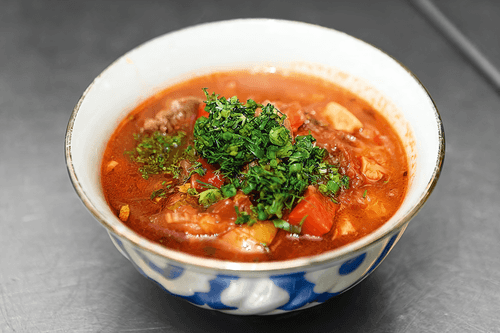
Satsivi with turkey and walnuts is a gem of Georgian cuisine that immerses you in the atmosphere of Caucasian hospitality. The dish features a rich nutty flavor with a slight tang from wine vinegar, seasoned with aromatic spices and fresh herbs. Originally made with chicken, the turkey version makes it even juicier and richer. The walnut sauce infused with the aromas of cilantro, garlic, and khmeli-suneli perfectly soaks into the turkey pieces, creating a unique taste. This dish is traditionally served cold, allowing all ingredients to unfold and unite into a single gastronomic pleasure. Satsivi is perfect for festive gatherings where it consistently becomes a favorite among guests. Enjoy the taste of Georgia in every bite!
13
5
30

This exquisite sandwich combines the subtle nuances of European cuisine. Nut bread gives it a crunchy texture and rich aroma, while soft goat cheese adds tenderness and a hint of spiciness. Avocado brings creamy freshness, harmoniously complementing the sweet smoked turkey. Bright tomatoes with onions and cilantro enliven the flavor, creating a layered palette of sensations. The sandwich is perfect for a morning breakfast or a hearty snack; it is not only nutritious but also offers gastronomic pleasure. Inspired by traditional European combinations, this recipe becomes a true culinary masterpiece, balancing sophistication and homely comfort.
7
12
30




















