














Recipe Catalog
No recipes contain all the words, showing recipes that match some of them
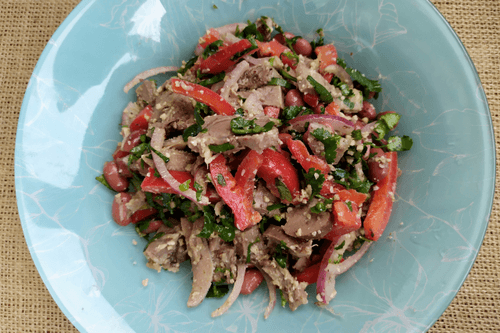
The 'Tbilisi' salad with boiled tongue is a true embodiment of Georgian cuisine, known for its rich flavors and vibrant ingredients. This dish combines the tenderness of beef tongue, the sweetness of red pepper, and the spiciness of pickled onions, while the crunch of walnuts adds textural depth. Beans typical of Caucasian dishes add heartiness, and aromatic herbs and spices make the salad particularly expressive. The dressing made from apple cider vinegar and vegetable oil emphasizes the balance of sweet and sour notes. Historically, such dishes in Georgia were prepared for large feasts as they combine simplicity in preparation with richness in flavors. The salad is perfect as a standalone dish or as an accompaniment to meat delicacies, filling the meal with warmth and hospitality of traditional Georgian cuisine.
11
4
30
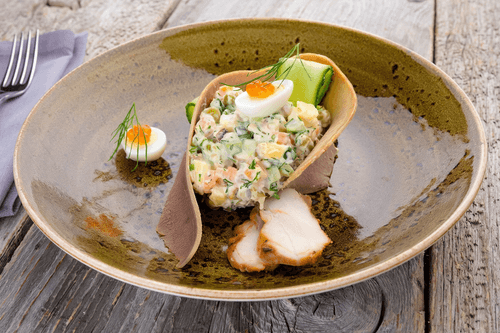
Olivier is an iconic salad of European cuisine rooted in French gastronomic traditions. In this version, the classic combination of potatoes, carrots, and green peas is complemented by exquisite notes of boiled beef tongue and roasted chicken. These ingredients give the dish a rich, deeply meaty flavor that is softened by the freshness of cucumbers and the spice of dill. Dressed with homemade mayonnaise, the salad acquires a creamy texture that unites the components into a harmonious whole. Each serving is garnished with slices of tongue, boiled egg, and fresh cucumber, making the presentation elegant. This Olivier is suitable for festive gatherings as well as special family dinners, transforming a familiar dish into a gastronomic delight.
10
8
10
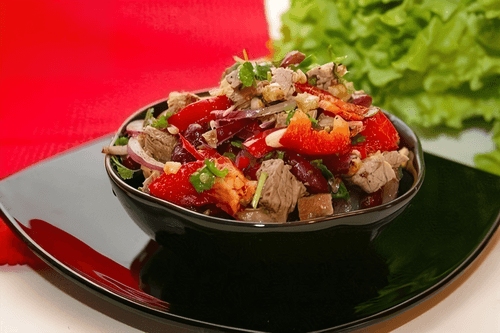
Tbilisi salad is a bright and rich dish of Georgian cuisine that combines the spiciness of spices and the richness of flavors. Its history is linked to the tradition of combining meat, nuts, and fresh vegetables typical of Georgian gastronomy. Diced beef harmonizes with the softness of red beans, while cilantro and garlic add piquant Eastern notes. Walnuts provide a pleasant texture, and bell pepper adds a light sweetness. The dressing made from olive oil and wine vinegar emphasizes the multifaceted taste. This salad is not only nutritious but also perfectly complements a festive table or everyday dinner, giving a sense of warm Georgian hospitality.
11
4
30
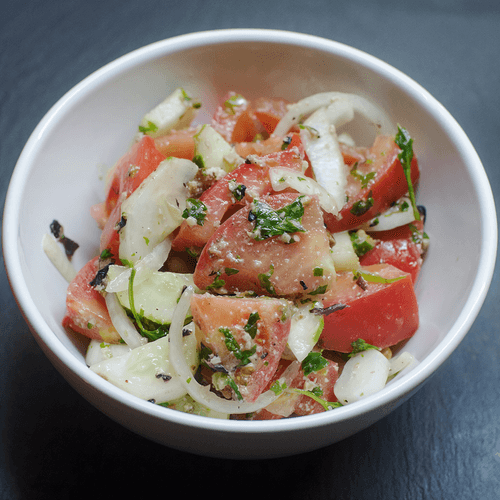
Tbilisi vegetable salad is the quintessence of Georgian cuisine, where fresh vegetables, aromatic herbs, and exquisite spices come together in harmony of flavors. Its history traces back to ancient hospitality traditions, where the simplicity of ingredients highlighted the natural richness of taste. Ripe tomatoes and crunchy cucumbers are seasoned with pickled onions that add zest, while a paste of cilantro, parsley, basil, and garlic provides a rich aroma. Walnuts bring a light nutty note, and black pepper finishes the flavor with a mild spiciness. This salad is perfect as a standalone dish or a fresh side to meat, beautifully complementing Georgian feasts with its brightness and richness.
10
4
20
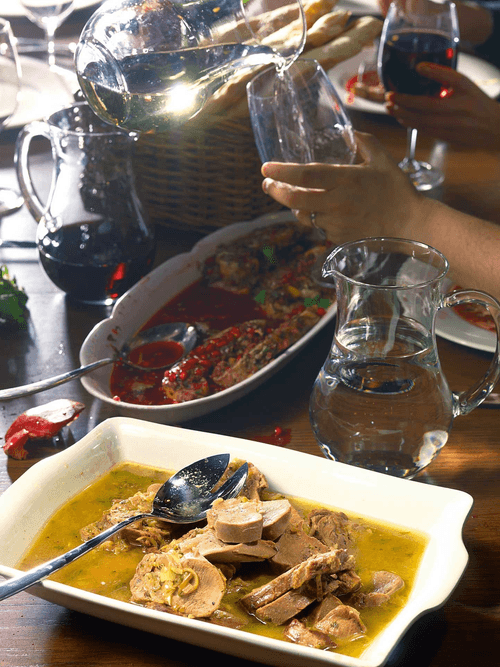
Boiled tongue with garlic-wine sauce is a true embodiment of Georgian culinary sophistication. The dish combines the tender, melt-in-your-mouth texture of veal tongue with the rich aroma of white wine, spices, and garlic. In ancient times, tongue was considered a delicacy worthy of festive tables. It is simmered for a long time with fragrant spices and then immersed in a velvety sauce where the sweetness of onion, tartness of wine, and spiciness of garlic blend together. This sauce infuses the meat, enriching its flavor while cilantro adds a fresh note. The dish is ideally served hot as a main treat or appetizer complemented by fresh bread or vegetables. It reflects the traditional Georgian approach to cooking: simple ingredients transformed into something exquisite through skill and patience.
9
6
150
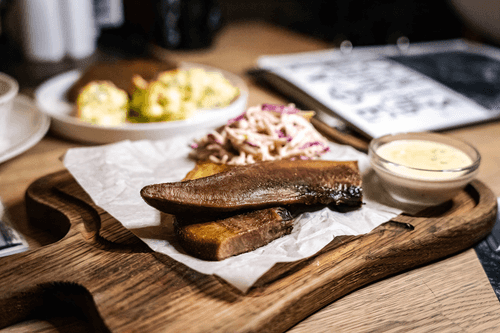
Beef tongue is an offal that does not require rehabilitation. Its simple taste is perfectly emphasized by green salsa - a variation on the theme of the Mexican sauce of the same name made of tomatoes and chili.
21
4
180
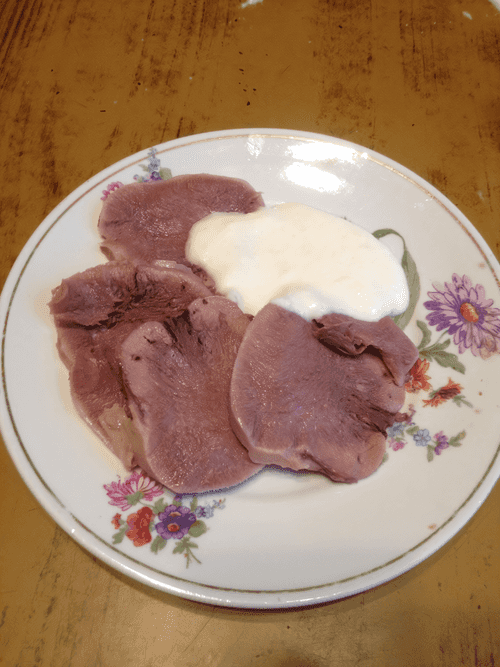
Beef tongue with horseradish is a dish of Russian cuisine that combines tenderness and spiciness. Boiled tongue is soft, juicy meat with a delicate flavor, while horseradish adds sharpness and warming spice. Traditionally, this treat was served at festive tables accompanied by a shot of vodka, enhancing its rich taste. The preparation takes time but the result is worth the wait: first, the tongue is boiled with onion, carrot, and celery to make it aromatic, then cooled and sliced thinly. This versatile dish can be served as an appetizer or main course, and the broth left after boiling is perfect for making hearty soups like borscht or shchi.
6
12
205
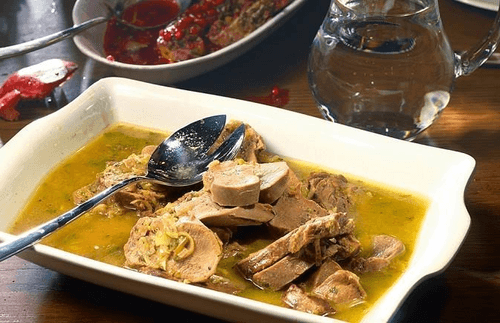
Boiled tongue in wine sauce is an exquisite dish of European cuisine that embodies a harmony of flavors. Beef tongue, tender and juicy, simmers in a fragrant broth with white wine, spices, and onions, acquiring a rich taste and subtle wine notes. After boiling, it is sliced thinly and served with a velvety sauce made from cream, wine, and meat broth. This dish may trace back to ancient European gastronomic traditions where the combination of meat and wine has always symbolized refined taste. It is perfect for a festive dinner or special occasion, delighting gourmets with its richness of flavors and textures.
8
4
45

The recipe is taken from the book by A. Piruzyan "Armenian Culinary Arts" (1960).
5
2
30
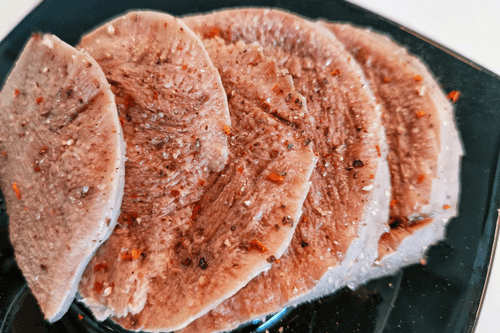
Boiled beef tongue is a delicacy of Russian cuisine, valued for its tenderness and rich flavor. Its preparation history roots back to the traditions of ancient Russian feasts where the tongue was served as a symbol of sophistication. Cooking with bay leaves, fragrant and pink peppercorns, along with fresh vegetables imparts a subtle aroma and depth of flavor to the meat. After long simmering in broth, the tongue becomes tender, and cooling allows for easy skin removal. Sliced and served with salt and pepper, it is often complemented by mustard or horseradish. This dish pairs wonderfully with fresh vegetables and herbs, making it perfect for both festive tables and cozy family dinners.
10
10
180
Chicken salad with tongue and chestnuts is an exquisite dish of French cuisine that combines tender chicken meat, the velvety texture of veal tongue, and the sweet taste of roasted chestnuts. These ingredients create a harmonious blend highlighted by a delicate dressing of olive oil and white wine. The dish symbolizes the French pursuit of sophistication and balance of flavors. Dressed with aromatic wine sauce and served on fresh salad leaves, it delights with its texture and depth of flavor. This salad is perfect as a standalone dish for a light lunch or as an elegant appetizer for a festive table.
8
4
120
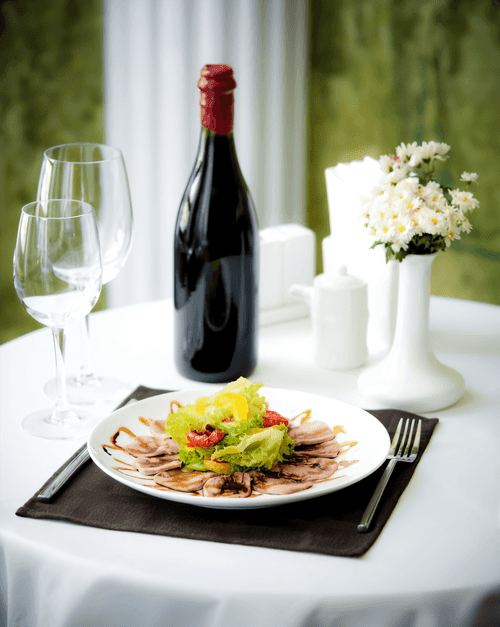
Beef tongue salad with sweet pepper is an exquisite dish of French cuisine that combines the tenderness of the tongue with the brightness of sweet pepper and the freshness of lettuce. Historically, tongue was considered a delicacy, and its subtle flavor harmonizes well with a tangy vinegar dressing and spicy notes of garnish. Cooking the tongue with vegetables gives it a special softness, while contrasting sweet pepper adds freshness. Dressed with wine vinegar and olive oil, the salad reveals a richness of flavor nuances. Garnishing with black olives adds completeness to the composition. The dish is perfect as an appetizer for a festive table or an elegant light dinner, awakening the gastronomic traditions of France and enjoying refined taste.
13
4
150
The festive salad of herring, beef tongue, and beetroot is an exquisite combination of flavors born from European culinary traditions. The sweet beetroot root highlights the salty notes of herring, while the tender beef tongue adds richness and aristocratic depth to the dish. Crunchy apples, pickled cucumbers, and aromatic shallots add freshness and a pleasant tang. The dressing made from egg yolks, mustard, vegetable oil, and sour cream gently envelops the ingredients, creating a harmonious balance of textures and flavors. This salad not only pleases the eye but is also perfect for festive gatherings, pairing well with classic dishes and drinks. Before serving, it is garnished with herbs and pieces of herring, turning it into a culinary masterpiece worthy of the finest celebrations.
15
8
40
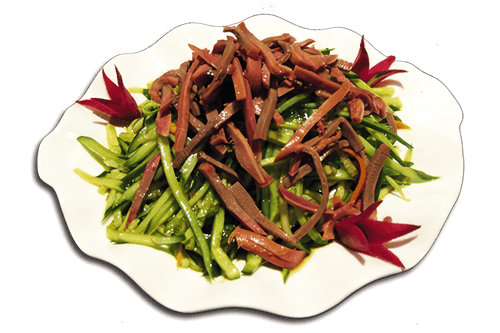
Chinese tongue salad with cucumbers is an exquisite dish that combines the tenderness of beef tongue, the freshness of cucumbers, and the aroma of sesame oil. In Chinese cuisine, offal is valued for its rich flavor and nutrition, with tongue being one of the most delicacies. The light acidity of rice vinegar and the spiciness of garlic give the dish a unique character, while toasted sesame seeds add a nutty note. This salad is perfect as an appetizer to main dishes and can become a central element of a light dinner due to its rich flavor. The chilled, crunchy dish provides a refreshing sensation that perfectly complements traditional Chinese dishes. This combination of flavors and textures makes the salad a true find for gourmets who appreciate the balance between tenderness, freshness, and aromatic richness.
7
4
20
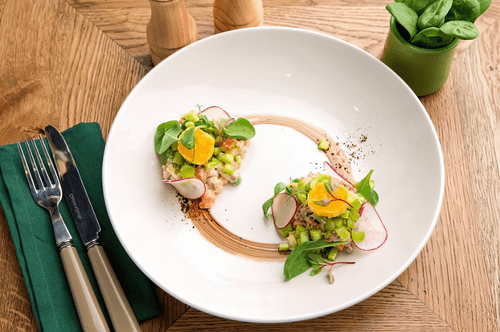
Salad 'Olivier' with veal tongue and crispy yolk is an exquisite reinterpretation of the classic Russian dish, filled with a richness of flavors and textures. Tender beef tongue, juicy pickles, and sweet boiled carrots create a harmonious combination, complemented by the softness of potatoes and the tenderness of egg white. Creamy mayonnaise envelops the ingredients, binding them together, while the crispy breaded yolk adds an unexpected textural twist. The light acidity of balsamic cream and the freshness of spinach give the salad a special sophistication. This dish is an ideal choice for a festive dinner where traditions meet modern culinary art, transforming a classic recipe into a work of gastronomic art.
10
1
60




















