












Recipe Catalog
No recipes contain all the words, showing recipes that match some of them
An exercise in sensible consumption: some people, of course, drink brine in the morning, but in most cases they pour it down the sink. Here, brine is the highlight of the program, it adds salt, sourness, and the aroma of spices and herbs on which it has had time to infuse. You can even use a strong vinegar marinade from factory-made cucumbers and tomatoes in the sauce, just slightly dilute its corrosiveness with water. The sauce will make any boiled vegetables more interesting, it will perform well in vinaigrette (but in this case , measure the presence of pickles), but brine dressing is especially good in salads with fresh cabbage - from coleslaw to vitamin.
5
6
10
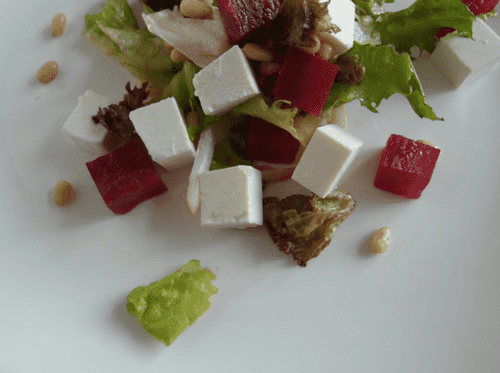
Salad with brined cheese and beetroot is a vibrant combination of flavors and textures from Russian cuisine. Beetroot, with its natural sweetness, perfectly complements the delicate saltiness of feta cheese, while pine nuts add a crunchy note. Dressed with olive oil and lemon juice, this salad gains lightness and freshness. The dish is suitable for both everyday meals and festive tables due to its elegance and rich flavor. In Russian tradition, beetroot holds a special place, and this salad serves as a great example of its versatility in gastronomy.
7
2
30
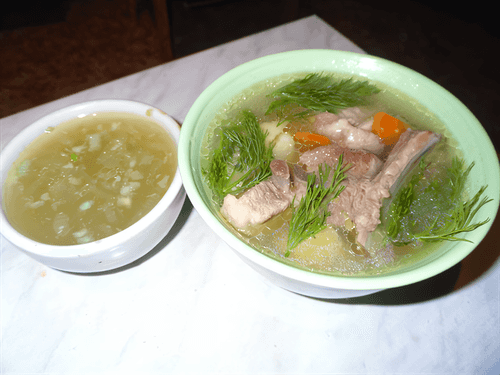
Shulyum with tuzluk is a fragrant meat dish with a rich broth that warms the soul. Its recipe dates back centuries when nomadic peoples cooked hearty meat soups over fire. Fresh pork ribs, aromatic bay leaves, and black pepper give shulyum a distinctive flavor, while tender potatoes and onions make it softer. The dish's highlight is tuzluk, a hot broth with garlic served separately that adds a spicy note to the dish. Shulyum can be garnished with greens and served as a hearty dinner or lunch. It pairs wonderfully with fresh bread and homemade preserves, creating a sense of coziness and tradition.
9
12
60

Mustard in cucumber brine is an exquisite touch to any dish of German cuisine. This recipe has roots in the traditions of Berlin's gastronomic experiments, where sharp and rich flavors harmoniously combine. It is made from dry mustard powder diluted with aromatic cucumber brine, giving it a piquant sourness. Honey softens the spiciness, while vegetable oil creates a velvety consistency. After resting in warmth, the mustard acquires a rich, deep flavor that perfectly complements meat appetizers, smoked foods, and even fresh bread. It can be used as a standalone sauce or as a base for complex marinades. This is not just a seasoning – it's an art of gastronomy that gives food character and expressiveness.
3
12
540

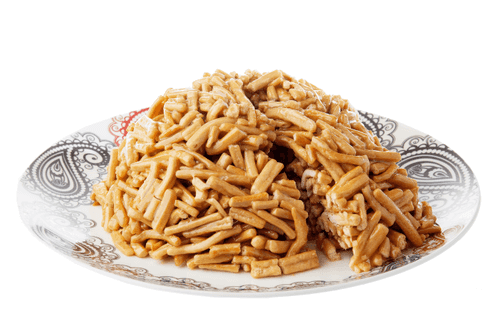
Cucumber brine cookies are an amazing blend of tradition and bold culinary experimentation. Its roots may trace back to an era when nothing went to waste, and housewives invented ways to use even the brine. Today, this recipe surprises with an unexpected harmony of flavors: the light sourness of cucumber brine enriches the sweetness of sugar, creating a unique combination. The cookies turn out crispy and crumbly with a pleasant caramel note, while butter gives them a tender texture. They pair perfectly with a cup of tea or coffee and can also be an original addition to the dessert table. This simple yet unusual recipe demonstrates how unexpected ingredients can create remarkable gastronomic discoveries.
5
12
25
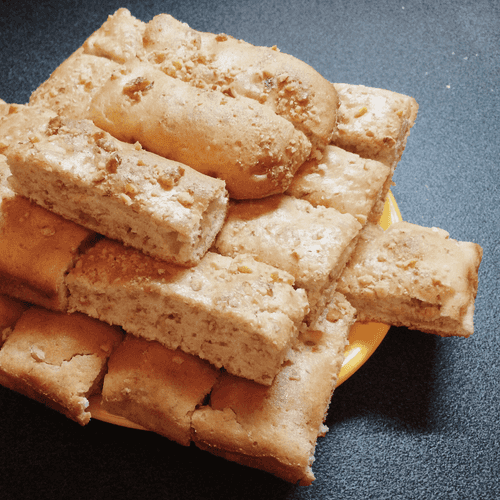
Brine biscuit cookies are an unusual yet surprisingly delicious dessert from Russian cuisine that combines sweetness with a slight saltiness. The origins of this recipe date back to when housewives found ways to use even leftover brine by turning it into a baking base. The dough made with brine is tender and airy, and its flavor takes on interesting nuances, especially if vanilla or nuts are added. This dessert pairs wonderfully with tea, particularly black or herbal tea, creating a pleasant contrast of flavors. The simplicity of preparation makes these cookies ideal for those wanting to try something unique without extra hassle. Serve them fresh and slightly warm while enjoying their crispy crust and soft, porous interior.
5
10
25
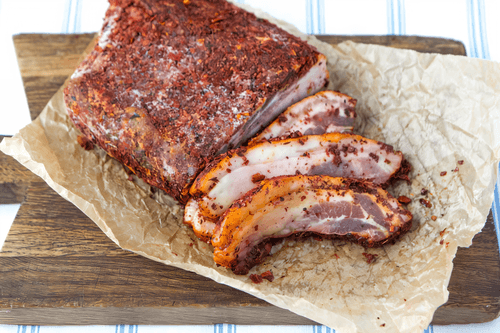
Recipe provided by Pavel Kolesnik, chef of the restaurant "Odessa-mama.
6
35
30
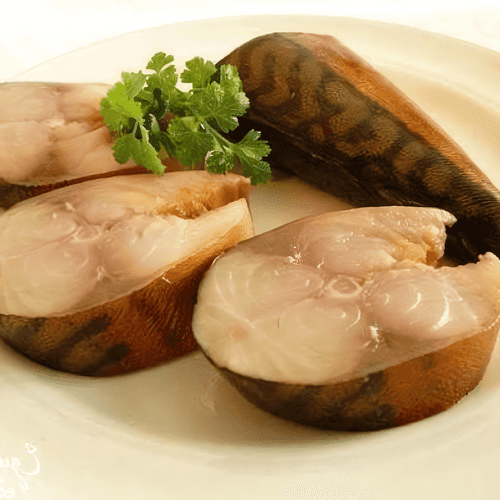
It sounds surprising, it would seem - where is tea and where is mackerel, nevertheless this method is widespread, and with its help mackerel can be made brighter (although where else can it be more), more tender and more complex.
5
4
60
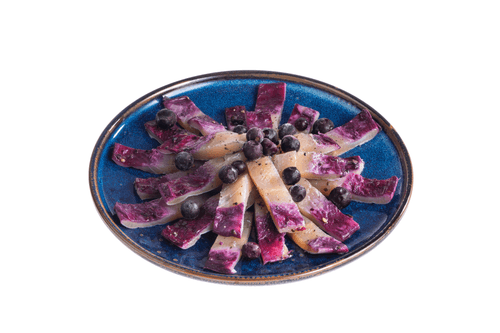
River fish in spicy blackcurrant brine is a true gastronomic masterpiece of Russian cuisine, embodying ancient pickling traditions. The deep aroma of spices enriched with the piquant notes of blackcurrant and the freshness of ginger transforms ordinary trout into a gourmet treat. Pickling in its own juice gives the fish a tender texture, while the harmonious blend of spices enhances its natural flavor. This delicacy is perfect for a festive table, served in thin slices drizzled with vegetable oil to intensify the taste. The dish can be complemented with fresh bread, herbs, and light beverages that enhance the fruity-spicy notes. Such a treat not only delights the palate but also transports one to the cozy atmosphere of Russian feasts filled with warmth and hospitality.
10
12
30
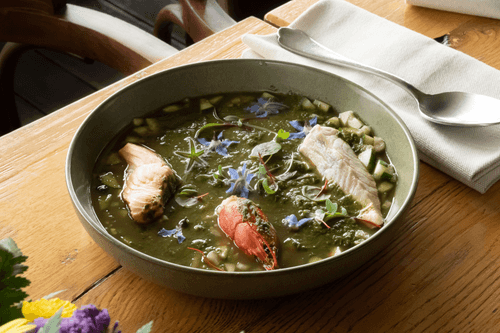
Recipe from Vlad Piskunov, chef of the restaurant "Matryoshka".
9
4
45
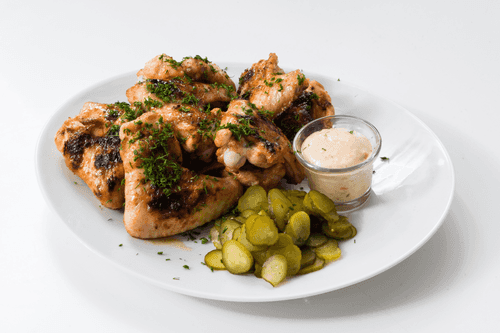
A brilliant invention. Usually a jar of brine is somewhere in the back of the refrigerator, waiting for its moment. Here, the brine played one of its main roles - it has long been known to everyone that it has a beneficial effect on the product that is to be fried. After meeting this brine, the chicken turns out more tender than tender, and most importantly - you can no longer salt it. We were lucky, for this recipe we used brine from Dijon cucumbers, and this sweet and sour taste after a couple of hours obviously decorated the dish. And here you also need bourbon, which adds an interesting piquancy, and the taste of the wings turned out to be multifaceted, more complex than you could imagine. Well, again, no one is stopping you from remembering about pure, unclouded bourbon during dinner.
13
6
45
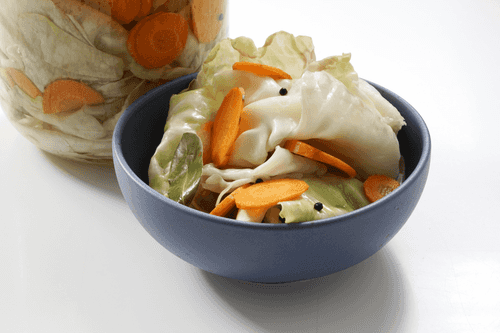
The recipe was born from a discovery: it turns out that even the most shabby white cabbage, when combined with honey, acquires significance. The honey brine creates a sweetish cocoon around the leaves, and inside - that same irrepressible cabbage spirit. Why is it better to roll up whole leaves instead of shredded cabbage in this recipe? This gives more options: you can use the leaves for stuffed cabbage rolls and dolma, and prepare salad dressings with honey brine. However, shredded cabbage with honey will also be an excellent filling for pies, strudels and kulebyakas.
7
10
60
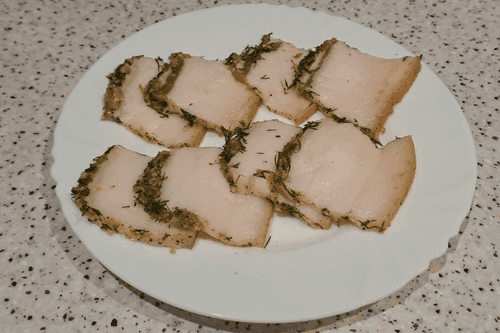
Salted lard is a traditional European dish rooted in ancient food preservation methods. Tender pieces of lard soaked in a fragrant mix of salt, sugar, and spices acquire a rich flavor and piquant aroma. Coriander, allspice, and bay leaves add depth to the marinade, while garlic and ground pepper enhance it with sharp notes. This delicacy can be enjoyed as a standalone snack or served with black bread and greens, savoring its softness and rich taste. Garnished with fresh dill, it becomes even more aromatic, highlighting its rustic simplicity and sophistication at the same time. This preparation method allows for the preservation of the product's freshness, making it an ideal addition to a traditional feast.
10
12
60
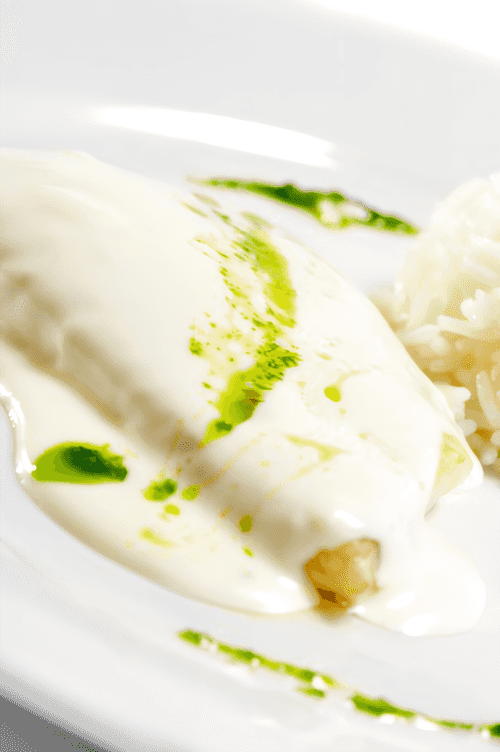
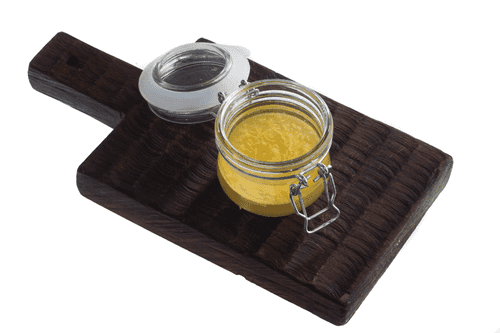
Beurre Blanc sauce is the pinnacle of French gastronomy, an exquisite white butter sauce born in the Nantes region. Legend has it that it was created by mistake but became a culinary masterpiece. Its velvety texture and delicate creamy flavor with hints of wine and onion make it the perfect accompaniment for fish, seafood, and vegetables. The secret of the sauce lies in the slow incorporation of butter, creating an elegant emulsion. It transforms any dish into a refined treat, adding softness and depth of flavor. It should be served fresh before losing its lightness and shine. This sauce is a true tribute to French culinary art, embodying balance and harmony of flavors.
7
4
20
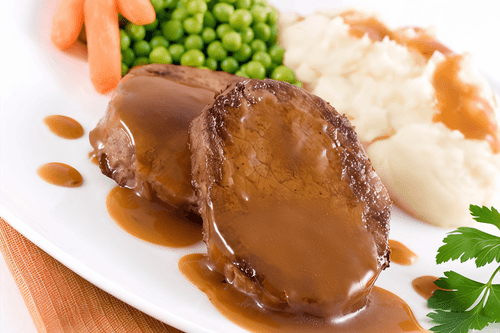
Espagnole sauce is a classic of French cuisine and one of the five mother sauces established by the great Auguste Escoffier. Its rich flavor comes from slow simmering meat bones, vegetables, and wine, creating a deep, caramelized aroma with delicate notes of thyme and bay leaf. The sauce has a thick, silky texture and pairs perfectly with red meats, game, and braised dishes. In culinary arts, it serves as the base for many derivative sauces like demi-glace and bordelaise. Due to its versatility, espagnole is used as a foundational element to enrich dishes with flavor. This sauce requires patience but rewards with exceptional gastronomic pleasure reflecting the traditions of French haute cuisine.
16
10
240




















