








Recipe Catalog
No recipes contain all the words, showing recipes that match some of them

Rice for rolls and sushi is the foundation of Japanese cuisine, embodying a balance of flavors and textures. Historically in Japan, rice was used not only as food but also for fermenting fish, which later led to the creation of sushi in its modern form. This recipe reveals the art of preparing perfect rice: tender, slightly sticky but not overcooked. The seasoning of rice vinegar, sugar, and salt gives it a characteristic sweet-sour note that enhances the flavor of seafood and seaweed. Such rice allows rolls to hold their shape and sushi to reveal a full spectrum of gastronomic delights. Before rolling the sushi, it is important to let the rice rest so it fully absorbs the seasoning and achieves the perfect consistency.
5
2
45

Sushi-meshi is the heart of Japanese sushi, embodying skill and tradition. This rice is not just a side dish but the foundation of flavor harmony, absorbing the balance of sweetness, acidity, and umami. Its preparation dates back to ancient times when sushi masters paid attention to every detail: from washing to seasoning. Cooked with kombu, it acquires a subtle sea flavor, and even mixing with rice vinegar reveals its texture and aroma. Perfectly airy and slightly sticky but not gooey—this rice easily takes the shape of rolls, nigiri, and other sushi variations. It is served warm, creating a perfect contrast with fresh fish and fillings. Sushi-meshi is not just an ingredient but a connecting link that unites traditions and taste preferences, turning each sushi composition into a true work of art.
4
4
30

Sushi rolls assortment is a true embodiment of Japanese gastronomy, where traditions harmoniously intertwine with modern taste trends. Inspired by the ancient art of sushi making, these rolls offer a variety of textures and flavors, from tender salmon to creamy cheese and fresh avocado. Their uniqueness lies not only in the richness of ingredients but also in the methods of preparation – whether classic maki, elegant uramaki or refined nigiri. Soaked in the aromas of the sea depths and sweet-sour rice vinegar, this set is perfect for festive gatherings as well as cozy evenings with loved ones. Served with wasabi, pickled ginger and soy sauce, adding completeness and refined spiciness to each piece. A flavor that conquered the world, born in the heart of Japanese culture.
11
5
60

Can be served as a salad or a main dish.
16
4
50

Homemade cheese rolls and sushi are a gastronomic art embodied in delicate creamy textures and fresh seafood. They combine the traditions of Japanese cuisine with European notes thanks to the addition of Philadelphia cheese. Each roll is a harmony of flavors: salty salmon, tender crab, crunchy cucumber, spicy tobiko, and soft cream cheese. The uniqueness of these rolls lies in the play of textures: from the smoothness of rice to the richness of red caviar and sesame. The set includes both classic sushi and original variations wrapped in salmon, black sesame, and tobiko, creating a palette of taste impressions. These rolls are suitable for a cozy dinner as well as for festive gatherings, delighting the eyes and taste buds with their exquisite combination of ingredients.
10
4
150

Sushi rolls are a symbol of Japanese cuisine that combines simplicity and sophistication. The history of this dish traces back to traditional sushi, which emerged in ancient Japan as a way to preserve fish. Today, rolls have become popular worldwide due to their harmonious blend of flavors and textures. The delicate rice soaked in rice vinegar perfectly highlights the freshness of the fillings—salmon, shrimp, avocado, cucumbers, and cream cheese. The nori sheet adds a light sea note while pickled ginger and wasabi provide spiciness. This dish is suitable for both festive dinners and quick snacks, and its versatility allows for endless flavor combinations. It is served with soy sauce that reveals the depth of each ingredient, turning tasting into a true gastronomic journey.
14
8
30

Sushi rice with vinegar mixture is the heart of Japanese cuisine, serving as the foundation for perfect rolls and nigiri. Its history roots back to traditions where sushi was prepared not only as a delicious dish but also as a method of preserving fish. This rice has a delicate texture, slight stickiness, and a subtle balance of sweetness, acidity, and saltiness thanks to the vinegar mixture. Its consumption is a ritual: it should be cool but not cold, airy but not crumbly. It is used not only for sushi but also in other Japanese dishes where the right rice consistency is crucial. Cooking it is an art that requires attention to every detail since perfectly cooked rice makes sushi truly exceptional.
5
2
40

Rice for sushi with seaweed is the foundation of Japanese culinary tradition, conveying the spirit of this cuisine. The white grains of round rice, infused with the aroma of rice vinegar, achieve a delicate balance of sweetness, slight acidity, and a salty hint. The combination with dried nori seaweed adds a deep umami note that reveals the character of classic sushi and rolls. This recipe embodies the art of rice preparation: careful washing, precise water-to-rice ratio, patient waiting for the grains to absorb moisture, and gentle mixing with vinegar. Properly cooked rice becomes elastic but not sticky – an ideal base for sushi. It is not just a side dish but the core of Japanese gastronomy that creates harmony of flavors.
6
2
40
Rice for homemade sushi is the foundation of Japanese cuisine, embodying the harmony of flavors and textures. Historically, sushi originated as a way to preserve fish, but with the evolution of cooking, rice became a key element of the dish. Rice prepared using this recipe turns out soft and slightly sticky, perfectly absorbing the vinegar aroma for sushi. It serves as a base for various sushi rolls, nigiri, and temari. It's important to rinse the rice properly to remove excess starch and then let it rest to ensure a tender yet firm texture. The light tanginess of the vinegar enhances the freshness of the ingredients, making sushi delicious and balanced. This simple yet crucial preparation process allows one to enjoy traditional Japanese flavors even at home.
2
4
30
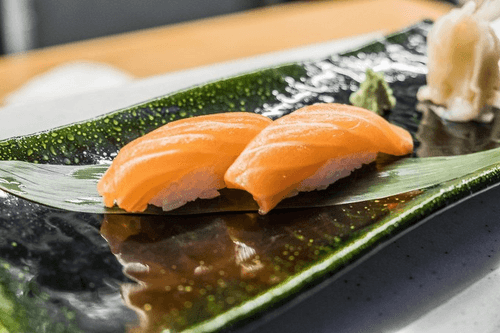
In Japan, round-grain sticky rice is used for sushi. It has more moisture and starch than other varieties, such as basmati. The most popular brands in Japan are Koshi-hikari, Akita Komachi and Hitomebore. They can also be bought in Russia. A good analogue is Nishiki rice, which is produced in the USA. Some Russian restaurants use Kuban round-grain rice.
6
20
120

Cabbage rolls with boiled meat, rice, and vegetables are a traditional Russian dish filled with the aromas of home comfort. The origins of cabbage rolls trace back to the ancient cuisine of the Eastern Slavs and over time they have become an integral part of Russian gastronomy. In this version, tender cabbage leaves wrap a juicy filling of boiled meat, fluffy rice, and aromatic vegetables. The sour cream sauce adds softness and a velvety taste to the dish, making it even richer. Cabbage rolls are baked until golden brown and served hot, soaked in thick sauce. They are perfect for family dinners and festive gatherings, and their balanced composition makes them a healthy and nutritious choice. This cozy dish embodies the warmth of Russian cuisine and brings generations together at one table.
10
4
30
Cabbage rolls in grape leaves with rice and onions are a refined dish of Greek cuisine rooted in ancient Mediterranean traditions. Light, aromatic, and tender, they represent a harmonious blend of simple ingredients enriched with the freshness of mint and the tanginess of lemon juice. The delicate grape leaves give the dish a characteristic velvety texture, while the filling of rice, onions, and herbs reveals a richness of flavor nuances. This dish is perfect as an appetizer or light lunch, especially when paired with yogurt sauce. Cabbage rolls are not just food but a symbol of hospitality and family traditions passed down through generations.
9
6
80

Vietnamese cold spring rolls are a culinary masterpiece that combines freshness, lightness, and harmony of flavors. This recipe originated in sunny Vietnam, where cooking traditions are passed down through generations. The translucent rice paper gently wraps juicy shrimp, fragrant chicken fillet, and thin rice noodles, creating an incredible combination of textures. Soy sprouts add crunchiness while mint adds freshness. Vietnamese peanut sauce with hints of carrot, sugar, and vinegar fills the dish with unique richness. These rolls are perfect for a light snack or festive table, offering gastronomic pleasure and a sense of journey to the exotic world of Vietnam.
11
1
15

Lazy cabbage rolls with rice are a cozy and hearty dish of Russian cuisine that embodies the traditional flavors of classic cabbage rolls in a simpler interpretation. Their origin is linked to housewives' desire to reduce cooking time while preserving flavor richness. Tender patties made of cabbage, minced meat, and rice are soaked in a fragrant tomato-sour cream sauce, giving them softness and juiciness. The dish has a harmonious balance between the freshness of cabbage, meaty richness, and a slight acidity from tomatoes. Lazy cabbage rolls are perfect for family dinners as well as festive tables, bringing warmth and comfort of home cooking.
11
4
30

Chinese spring rolls with mushrooms and rice are an exquisite blend of traditional Asian flavors and textures. Their history roots back to Chinese cuisine, where spring rolls symbolize freshness and harmony. The delicate rice paper conceals a juicy filling of aromatic mushrooms, crunchy cabbage, and sweet peppers, complemented by soy sauce and spices. A light golden crust after frying gives them an appetizing texture. They are perfect as an appetizer or main dish, especially when paired with spicy sauces. These rolls can be served hot or chilled, enjoying the rich flavor and tenderness of the filling.
10
4
15