














Recipe Catalog
No recipes contain all the words, showing recipes that match some of them

Pirozhki with sauerkraut and duck cracklings are a traditional Russian treat that embodies the aroma of rustic cuisine and the richness of festive feasts. The tender yeast dough, fried to a golden color, hides a rich filling inside: juicy duck meat, crispy cracklings, and tangy sauerkraut. Their taste is a harmony of richness and light sourness, while the texture delights with the contrast of a crispy crust and soft filling. These pirozhki are perfect as a standalone treat or as an addition to lunch, especially when paired with aromatic broth or hot tea. The recipe originates from Russian rural cuisine when housewives tried to make the most of available ingredients to create hearty and delicious dishes. Today, such pirozhki remain a beloved treat, preserving the atmosphere of home warmth.
10
8
130
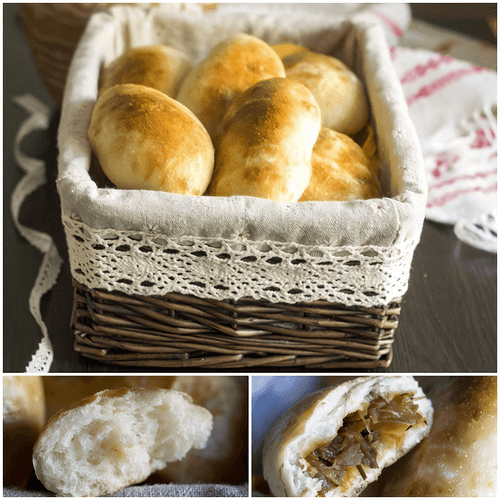
Pirozhki with sauerkraut are a classic Russian treat steeped in the history of rural cuisine. These golden, fragrant pastries combine the softness of yeast dough with the rich flavor of sauerkraut stewed to tenderness with tomato paste, salt, and spices. Their warm, cozy aroma evokes a sense of home and family evenings. It is believed that such pastries were popular in ancient times when sauerkraut served as a source of vitamins during the cold season. They are perfect for both lunch tables and festive feasts, creating an atmosphere of warmth and tradition. Each crispy crust hides a rich, slightly sour filling inside, making this recipe an ideal balance of simplicity and depth.
8
4
60
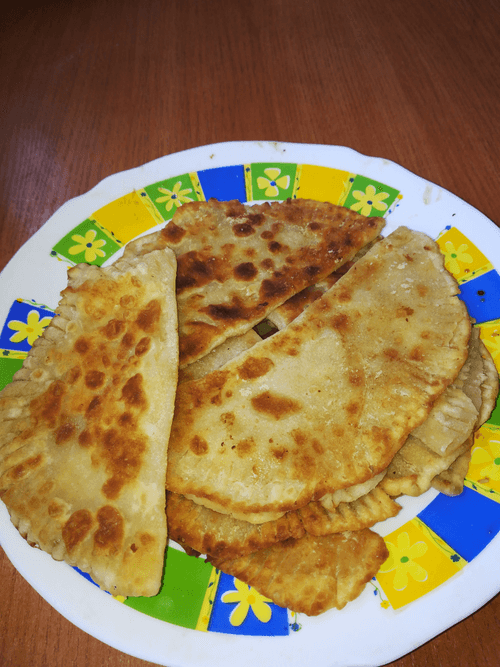
"Matchmaking" pies - keitinpiiroa. In the past - a traditional ritual dish of the Karelians. Such pies were fried when matchmakers came to the house. "Matchmaking" pies were treated to the son-in-law when he came to visit the t yet , hence the other name - "pies for the son-in-law". Also, pies for the son-in-law were served on the table of builders when the log house was ready. In some Karelian villages they were baked from flour of the new harvest after the last sheaf was reaped.
7
4
60
Salmon on rye bread with sauerkraut and horseradish is a dish rooted in Russian gastronomic traditions, combining the freshness of seafood with the rich aromas of rye bread, the tartness of cabbage, and the spiciness of horseradish. This recipe embodies the simplicity of rustic cuisine while offering a rich and complex flavor. The salmon, fried to a golden crust, retains its juiciness, while a delicate sauce made from sour cream and horseradish highlights its tenderness. Sauerkraut adds a pleasant tanginess that complements the dish's texture. It is perfect as an exquisite appetizer or light dinner. This is not just food but a gastronomic journey through Russian traditions that unites freshness, richness, and balance of flavors in every bite.
8
4
30

Herring and sauerkraut salad is a vibrant embodiment of Russian cuisine, where simplicity meets rich flavors. This dish traces back to the traditions of northern regions, where salted fish and sauerkraut were staple winter foods. Crunchy cabbage enriched with oil meets spicy herring, creating a vivid contrast of textures and tastes. The addition of tender egg pieces makes the salad softer and more balanced. It is great as an independent appetizer or as a side to hot potato dishes. Ideal for family dinners or festive gatherings, it evokes nostalgic memories of traditional Russian treats.
5
4
10
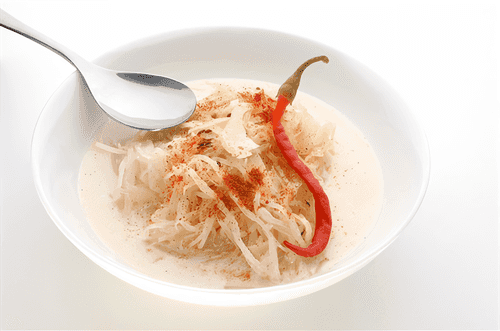
Hungarian sauerkraut soup is a hearty and aromatic dish that reflects the rich traditions of Hungarian cuisine. Its roots trace back to village recipes where sauerkraut was combined with meat products, giving the soup a rich flavor. This soup has a pleasant tanginess complemented by the spiciness of smoked sausage and the sweetness of pepper. The thick consistency provided by a sour cream sauce with flour makes it an ideal option for cold days. Hungarians appreciate it for its warming properties and richness, while fresh herbs at the end add brightness to the taste. It is served as a standalone dish, often accompanied by crispy bread.
12
4
40
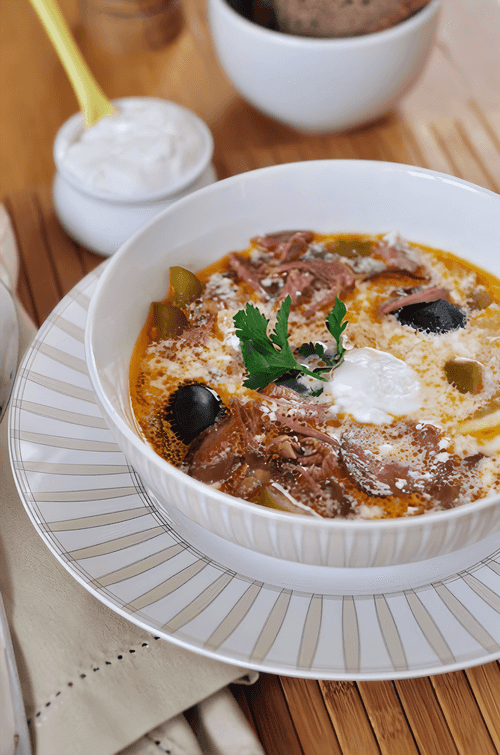
'Kapsad mulgi' is a traditional Estonian soup that combines simple yet rich flavors of rural cuisine. Its roots go deep into Estonian gastronomy where sauerkraut and pork have always played a key role in winter nutrition. The lightly salted pork adds tenderness to the soup while the long cooking process brings out its aroma. Barley makes the dish hearty and mashed potatoes give it a thick texture. The slight acidity of the cabbage harmonizes with the richness of the meat creating a rich flavor balanced between salty and sweet. This dish is perfect for cold days when one wants to warm up and feel full. It is traditionally served hot with chopped greens that refresh its taste. Kapsad mulgi is a piece of history on a plate, reminding us of traditions and family meals in Estonia.
11
4
220
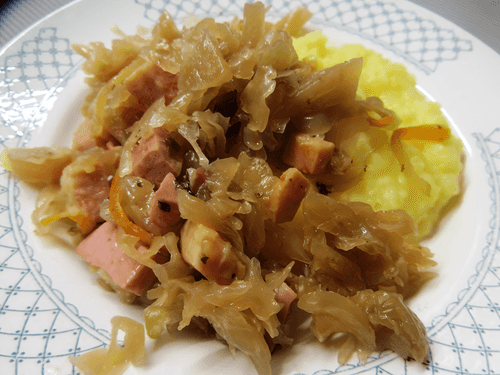
Choucroute can be called the older brother of our solyanka. It is believed that the first recipe for stewed cabbage with smoked meats appeared in Alsace many centuries ago. However, there are differences in the two related dishes: if solyanka is prepared from both fresh and sauerkraut, then in Alsace it is fermented without fail and only then subjected to heat treatment. Also, if in the Russian version cabbage is rarely diluted with other vegetables, then potatoes are very often added to choucroute, and different types of meat are also used in recipes, and in some regions, fish.
14
8
60
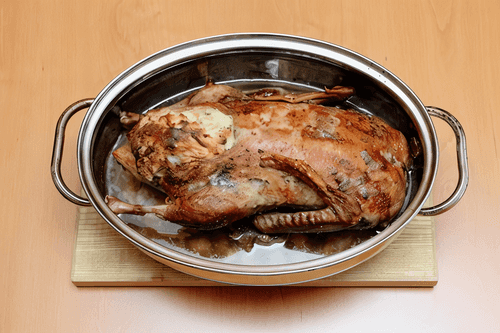
This recipe for duck with sauerkraut and prunes, baked in beer, is a true hymn to Russian cuisine. Its roots go back to village traditions where the combination of fatty meat with sweet-and-sour ingredients creates a harmony of flavors. The duck, infused with the aroma of beer, becomes tender, while the cabbage and prunes add a tangy sourness and sweetness. Baking makes the meat juicy, and the rich sauce is a perfect complement to this dish. Such a recipe is great for festive gatherings as it combines depth of flavor with the rich history of Russian gastronomy. It can be served with mashed potatoes or fresh vegetables to highlight the dish's vibrant notes.
7
8
110
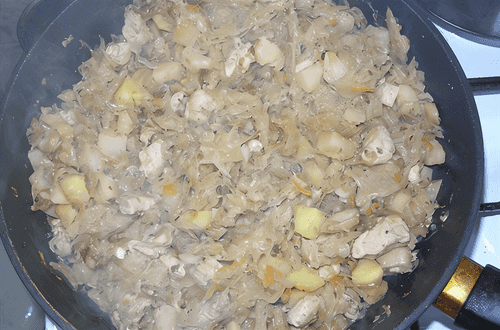
Potatoes stewed with sauerkraut and chicken is a cozy dish of Russian cuisine that embodies the harmony of simple ingredients and rich flavor. Its roots trace back to traditional village cooking, where the combination of potatoes and cabbage formed the basis of everyday meals. Sauerkraut adds a slight tanginess to the dish, softened by the sweetness of added sugar, while chicken fillet makes it nutritious and tender. Mushrooms contribute a subtle forest aroma, and spices along with soy sauce enrich the flavor with additional depth. Perfect for a hearty home dinner that warms during cold seasons. This dish is easy to prepare and retains its flavor even the next day, becoming even richer.
5
3
75
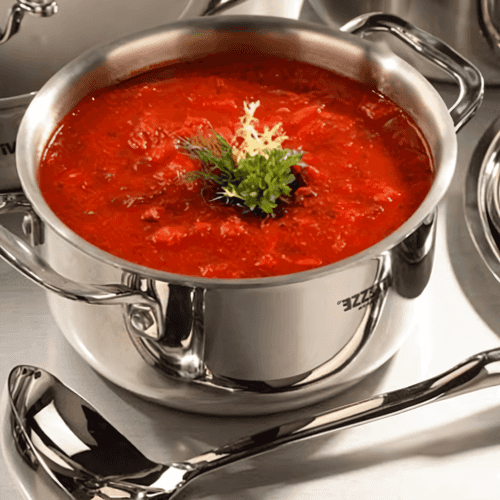
Borscht with sauerkraut and beans is a true embodiment of Ukrainian cuisine, rich in traditions and flavors. This hearty, aromatic soup with the slight tang of sauerkraut and the soft texture of beans warms the soul and fills you with energy. Thick and filling, it is perfect for a family dinner, especially in cold weather. The origins of borscht trace back to the deep history of Slavic peoples, where it symbolized home comfort and hospitality. A special role in this recipe is played by the combination of beets, tomatoes, and garlic that give the dish a rich color and flavor. Sweet and sour notes intertwine harmoniously in it, making each spoonful of borscht unique. Ukrainian housewives have perfected its recipe for centuries, and it remains one of the most beloved dishes in Eastern European cuisine.
13
7
120
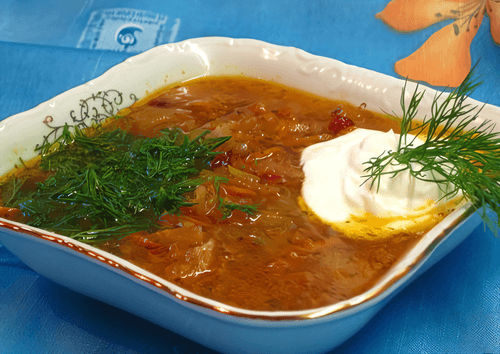
Cabbage soup with sauerkraut and mashed potatoes is a classic dish of Russian cuisine filled with a rich, sweet-sour flavor. Its depth lies in the combination of tangy cabbage, tender chicken broth, and soft mashed potatoes that give the soup a velvety texture. Historically, cabbage soup was a staple of peasant tables, and sauerkraut allowed for enjoying rich flavors even in winter. This soup warms the soul and evokes memories of home comfort. It is perfect for lunch in cold weather, pairs wonderfully with rye bread and sour cream, and its aroma brings to mind the traditions of Russian feasts. The delicate sauté of onions and carrots adds a touch of sweetness while the bay leaf completes the bouquet of aromas, making this dish truly balanced and appetizing.
10
6
90
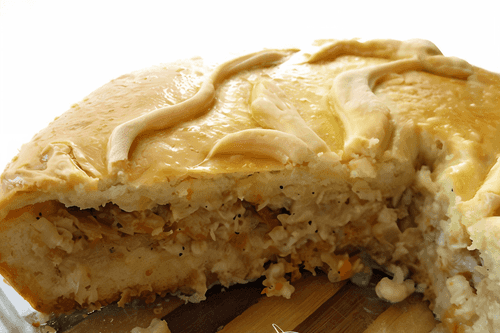
Pie with sauerkraut and canned fish is a unique flavor combination that blends the sour note of cabbage with the tenderness of fish. This pie gained popularity in European cuisine due to its simple ingredients and rich taste. The dough made with yeast and margarine creates a soft, airy base that perfectly complements the aromatic filling. The light sourness of cabbage and the tenderness of canned fish give the pie a rich, balanced flavor. This pie is often prepared for cozy family evenings or gatherings with friends, served as a standalone dish or alongside sour cream sauce. It is good both hot and cold, maintaining its tenderness and flavor richness.
9
8
90
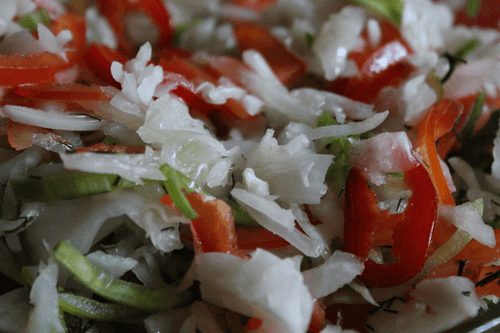
Winter salad of sauerkraut with bell pepper is a bright and refreshing dish that adds a touch of freshness and vitamins to the winter table. Sauerkraut, known for its health benefits, gives the salad a slight sourness, while sweet bell pepper adds juiciness and crunch. Onion and dill fill the dish with aroma, and vegetable oil enhances the flavor and binds the ingredients together. This salad pairs perfectly with meat and fish dishes and also works well as a standalone appetizer. Due to its simplicity and natural ingredients, it has become traditional in European cuisine, especially in winter when fresh vegetables are scarce. It can be varied by adding leeks or hot peppers to create new flavor nuances.
6
3
15
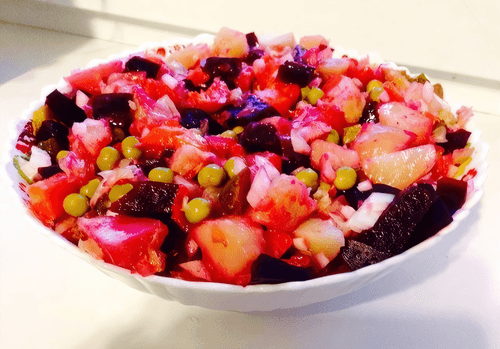
Vinaigrette with sauerkraut and beetroot is a classic dish of European cuisine, loved for its rich taste and health benefits. Its roots go back to the 19th century when salads made from boiled vegetables began to be prepared in Russia. Bright, appetizing, and healthy, this vinaigrette combines the sweetness of beetroot, the sourness of sauerkraut and pickles, the tenderness of potatoes, and the freshness of onions. Each spoonful fills with aromas of home comfort. Dressed with vegetable oil, it gains softness and fullness of flavor. Ideal as a standalone dish or a side to meat, it perfectly complements the winter diet. It is eaten cold, making it an excellent choice for festive tables. Healthy and nutritious, vinaigrette remains an unchanged favorite among traditional salads.
8
6
60




















