






Recipe Catalog
No recipes contain all the words, showing recipes that match some of them

Pad Thai with shrimp is an iconic dish of Pan-Asian cuisine that balances sweet, sour, salty, and spicy flavors. Its origin is linked to Thailand, where it became popular in the mid-20th century, symbolizing national pride and identity. The base consists of rice noodles soaked in a rich sauce made from tamarind, fish sauce, and palm sugar. Shrimp adds a sea freshness while peanuts and bean sprouts provide textural variety. Eggs lend tenderness to the dish and lime adds a refreshing tang. Pad Thai is traditionally cooked in a wok over high heat for perfect caramelization of ingredients and served hot with crunchy nuts and herbs.
14
4
30

Pad Thai with shrimp is an iconic dish of Thai cuisine born on the bustling streets of Bangkok. Its history dates back to the 20th century when it became a symbol of Thai national unity. This dish combines the tenderness of shrimp, the aroma of fried garlic and shallots, the richness of rice noodles, and the spiciness of a signature sauce. A light nutty hint from crushed peanuts and the fresh acidity of lime create a harmonious flavor. Pad Thai is not only delicious but also versatile: it suits both a hearty lunch and an elegant dinner. The addition of fresh herbs and bean sprouts gives it a special freshness, while a soft chicken egg complements the texture. Served hot with a wedge of lime and a generous portion of love for Thai gastronomy.
13
2
15
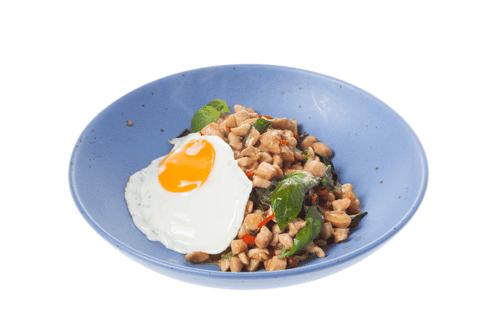
Pad kapao is prepared differently in Thailand: sauces, oils, spices, serving and generally everything that can be changed, changes. But the principle is the same: something meaty - in our recipe it is chicken fillet - is fried with salt over high heat, and then served with a fried egg. It will be delicious with basil and fresh vegetables, and you can also take rice, a classic Thai tradition, as a side dish.
9
2
20

Pad Thai is one of the most famous dishes of Thai cuisine, embodying a balance of flavors: sweet, spicy, salty, and sour. This home version retains its traditional notes while adding a cozy touch, making it accessible even in an ordinary kitchen. Historically, Pad Thai emerged in Thailand in the 1930s as a symbol of national identity. This recipe uses seafood for rich flavor and fresh vegetables for texture and color. Olive oil allows the ingredients to shine, while walnuts add a delicate crunch at the end. The noodles soaked in seafood and soy sauce aromas form the dish's base. This Pad Thai is perfect for both a cozy family dinner and a festive treat that delights guests with Eastern aromas.
15
4
25

Pad Thai is the heart of Thai street food, a favorite dish among tourists and locals. Its history dates back to the 20th century when the Thai government sought to popularize national cuisine. The taste of Pad Thai is a harmony of sweet, sour, salty, and spicy. The delicate rice noodles absorb the aroma of fish sauce and tamarind juice, while chicken and tofu add richness. Fried peanuts and fresh green onions provide textural contrast, and lime adds a hint of citrus freshness. This dish is served hot with bean sprouts for crunchiness, and its versatility makes it perfect for both everyday lunches and special dinners. Pad Thai is more than just food; it's a journey into the aromatic world of Thai gastronomy.
14
6
45
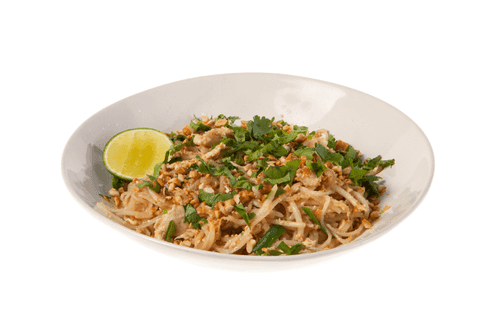
Pad Thai, a Thai treasure - fried thin rice noodles with all sorts of things.
15
6
30

Pad Thai with lime is a refined dish of Thai cuisine that combines rich flavors and textures. Originating as street food, Pad Thai has become a symbol of Thailand's gastronomy, captivating hearts with its simplicity and depth of flavor. The delicate soba noodles stir-fried with fragrant ginger, garlic, and green onions absorb the spicy notes of soy sauce and the freshness of lime. Crunchy sesame seeds and juicy bok choy add brightness, while the egg gives the dish a creamy structure. This Pad Thai stands out for its lightness and harmony of flavors, making it a wonderful choice for lovers of Eastern cuisine. It is perfect as a standalone dish or as an accompaniment to Asian appetizers. Enjoy your meal!
10
2
25

Pad Thai with chicken breast is a delightful dish that combines Thai exoticism with European simplicity in preparation. Although traditionally considered part of Thai cuisine, this version is adapted to familiar European tastes. Tender chicken fillet, fried to a golden crust, harmoniously pairs with crispy vegetables and a fragrant sauce based on soy and oyster sauces, vinegar, and chili pepper. Rice noodles soaked in rich flavors make this dish hearty and extraordinarily tasty. Pad Thai is served hot, sprinkled with green onions, and its subtle sweet-sour note and light spiciness make it an ideal choice for those wanting to try something exotic yet comfortable and familiar.
13
3
30
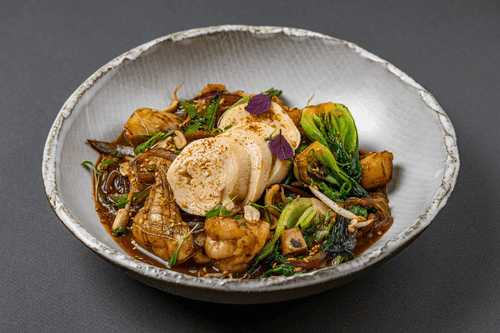
The recipe was shared with us by Evgeny Korsun, chef of the Twin Tigers restaurant.
29
4
30

Thai-style rice noodles with shrimp and vegetables is a vibrant dish of Thai cuisine that combines the tenderness of shrimp, the aroma of fried vegetables, and the rich flavors of soy and teriyaki sauces. The origins of this dish trace back to Thailand's street food scene, where noodles are prepared quickly while preserving the freshness of ingredients and balancing spicy and sweet notes. The light tanginess of the sauce, sweetness of carrots, and spiciness of garlic make it incredibly balanced. The noodles gently absorb flavors while shrimp add a pleasant texture and a hint of the sea. This dish not only provides gastronomic pleasure but also fills you with energy, making it perfect for friendly gatherings or cozy dinners. It is served hot, often with lime and herbs that enhance its refreshing character.
12
6
30

Thai-style penne with shrimp is a refined blend of Italian pasta and spicy Thai ingredients that creates an explosion of flavor. The aromas of coconut milk, lemongrass, galangal, and kaffir lime leaves transport you to the heart of Thailand, while tender shrimp add a touch of ocean freshness to the dish. This recipe pays homage to culinary internationalism, combining the European texture of penne with the Eastern depth of flavors. The light tanginess of lime and the heat from chili paste add character, making this dish vibrant and memorable. Thai-style penne with shrimp is perfect for a cozy family dinner or special occasions when you want to impress guests with a sophisticated blend of cultures and tastes.
11
4
20

Celery root puree with shrimp in Thai style is a refined combination of tender root vegetable and spicy seafood, inspired by Thai cuisine. The celery root, with a light nutty note, transforms into a silky puree thanks to coconut milk and aromatic green curry paste. Shrimp, marinated in ginger and spices, gain zest and depth of flavor after quick frying. The finishing touch is a refreshing lime sauce that adds lightness and balance to the dish. This dish is perfect for gourmets who appreciate subtle flavor nuances and exotic accents.
13
2
40

Thai curry with shrimp and mushrooms is a true symphony of flavors born in the heart of Thai cuisine. The dish's origins trace back to ancient traditions where coconut milk and curry paste unite ingredients into a fragrant and rich sauce. The velvety texture of the curry perfectly complements juicy shrimp, tender pumpkin, and potatoes, while the addition of mushrooms and green beans adds depth to the flavor. The slight acidity of cherry tomatoes refreshes the richness of spices, creating balance and harmony. This curry is served hot as a standalone dish or alongside fluffy jasmine rice, allowing each bite to soak in exquisite aromas. This dish is an invitation to the world of Thai gastronomy where every spoonful reveals new shades of spicy flavors.
8
4
40

Thai fried rice with shrimp and pineapple is a vibrant and aromatic dish that embodies the best of Thai cuisine. Its roots delve deep into Thailand's culinary traditions, where the combination of sweet pineapple, tender shrimp, and rich spices creates a perfect balance. Caramelized pineapple pieces add a light sweetness to the rice, while shrimp provide a delicate texture and ocean aroma. The addition of nuts, green onions, and cilantro makes the flavor even richer and fresher. This dish is often served in half a pineapple, making it not only delicious but also visually impressive. It is perfect for both festive dinners and cozy family gatherings, filling the home with the warmth of exotic aromas.
18
4
60

Thai-style shrimp stir-fry is a vibrant representative of Thai cuisine, known for its rich flavors and aromas. This dish combines the tenderness of shrimp, the spiciness of red curry paste, and the creamy texture of coconut milk. With eggplants and fresh herbs, it gains a rich taste, while fish broth enhances the depth of aroma. Historically, Thai cuisine has been shaped by Chinese and Indian gastronomy, leading to the use of spices and exotic ingredients. The stir-fry is served hot in ceramic bowls and pairs perfectly with jasmine rice that complements its softness. This dish is a great choice for those who appreciate flavor harmony and love gastronomic journeys through Asian traditions.
10
4
20