













Recipe Catalog
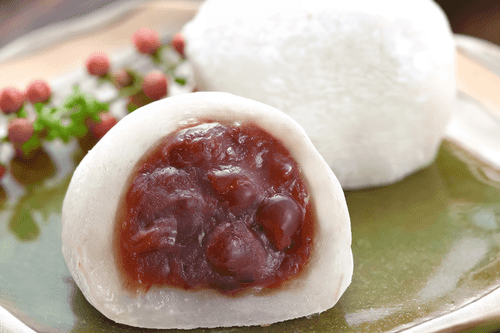
Mochi is a traditional Japanese dessert with origins dating back centuries, associated with rituals of luck and celebration. Its base is sticky rice turned into elastic dough, and the filling is a sweet adzuki bean paste. Mochi has a delicate, slightly chewy texture and a refined sweetness that harmonizes with the soft flavor of the bean filling. This dessert is often served as a sign of good wishes during New Year and other significant events in Japan. It can be enjoyed chilled or at room temperature, and cornstarch prevents the dough from sticking to hands, creating an ideal balance of convenience and taste. Mochi is not just a treat but a symbol of Japan's traditions and cultural heritage.
6
4
60

Ozoni is a traditional Japanese soup served during New Year celebrations. Its base is a light, aromatic broth enriched with the flavors of chicken, salmon, and umami shiitake mushrooms. The soup's unique texture comes from the mochi cake, which is tender and slightly chewy. The dish's flavor is balanced by sweet daikon, the freshness of spinach, and the depth of soy sauce with sake. This dish not only warms but also symbolizes luck and prosperity in the coming year.
13
2
25

Mochi is a traditional Japanese treat symbolizing luck and longevity. Its history dates back to ancient times when mochi was not just a snack but part of rituals and celebrations. This soft and chewy dough made from rice flour is slightly sweet with an airy and soft texture that literally melts in your mouth. The classic version is often filled with red bean paste called anko, but modern interpretations offer chocolate and fruit fillings. Mochi is perfect as a dessert with tea, and due to its lightness and variety of flavors, it is loved by both adults and children. When made at home, it gains a special warmth and coziness, filling the atmosphere with the spirit of Japanese hospitality.
6
4
60

Mochi is a traditional Japanese treat that has become a symbol of holidays and cozy family gatherings. These delicate rice cakes have an elastic and slightly sticky texture, creating a unique sensation on the tongue. In this recipe, the airy dough made from rice flour harmoniously combines with a tender chocolate filling encased in a soft shell. The sweet taste of mochi beautifully complements the richness of chocolate, creating a rich flavor palette. They are served as a dessert alongside a cup of green tea, making the meal even more enjoyable. The starch used during shaping gives the cakes a silky texture and prevents sticking. These little sweet treats not only delight the palate but also carry the culture and traditions of Japan, being an essential element in celebrating New Year and other significant events.
6
2
60

Mochi pastry with green tea is an exquisite dessert of Japanese cuisine that combines the tenderness of creamy filling with the elasticity of rice dough. Its history traces back to traditional Japanese sweets, where mochi symbolizes luck and prosperity. In this version, a light mixture of white chocolate, milk, and cream gains a unique flavor thanks to the addition of matcha — the famous green tea rich in antioxidants. The slight bitterness of matcha harmoniously contrasts with the sweetness of chocolate, creating a refined aftertaste. The soft, translucent rice flour dough envelops the filling, adding textural delight. This dessert is perfect for a leisurely tea time, especially with traditional Japanese teas that enhance its taste and aroma.
7
4
120