















Recipe Catalog
No recipes contain all the words, showing recipes that match some of them
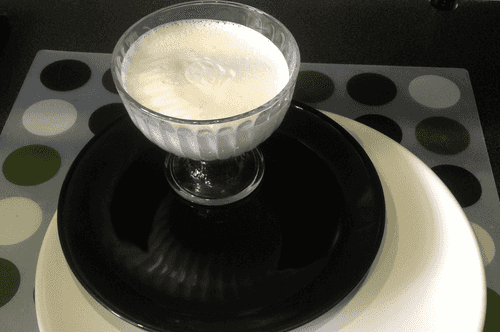
Lemon dessert with jelly is a refined treat of British cuisine that combines the refreshing tartness of lemon with the delicate sweetness of airy egg whites. The recipe's origins trace back to ancient European traditions of making light fruit mousses and jellies served in aristocratic homes as an exquisite finish to meals. The bright citrus flavor is harmoniously complemented by sweet notes of vanilla sugar, and the dessert's texture captivates with its lightness. It is perfect for summer evenings when one craves something light and refreshing. Thanks to gelatin, the dessert acquires a special two-layer structure: transparent jelly at the bottom and an airy lemon cloud on top. Served chilled, it pairs perfectly with berries and mint leaves, adding aristocratic elegance to each bite.
5
4
60
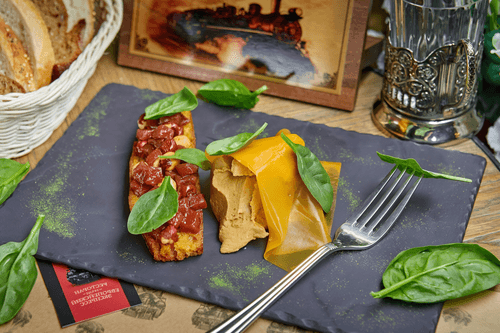
Duck pâté with orange jelly and French dessert bread is a refined delicacy of French cuisine that combines rich flavor and delicate texture. The pâté, tender and velvety, gains zest from sea salt, nutmeg, and aromatic red wine, while pear confit adds a sweet fruity note. A light and airy jelly made from orange and carrot juices brings a refreshing tanginess, creating the perfect balance. The finishing touch is brioche, soft and slightly sweet, infused with creamy notes that harmoniously ties all elements of the dish together. This culinary masterpiece is ideal for festive evenings and tasting menus, showcasing the traditions of French gastronomy in all their elegance and splendor.
25
4
600
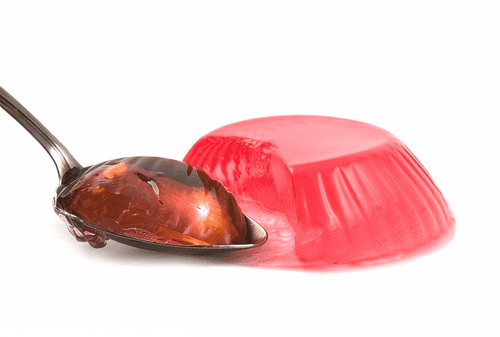
Watermelon jelly with lemon juice is a refined treat of French cuisine that combines the freshness of summer watermelon and the subtle tartness of lemon juice. Its origin stems from the tradition of creating light fruit desserts that highlight the natural flavors of ingredients. The gelatinous structure makes the texture soft and delicate, while a light citrus note adds sophistication. Perfect for summer meals, it cools and refreshes, providing pleasure in every bite. Watermelon jelly can be served as a standalone dessert or complemented with mint leaves and light creamy sauces for a refined flavor contrast.
5
4
30

A cake with berry jelly and lemon cream is an exquisite dessert that combines the bright freshness of citrus with the delicate sweetness of the berry layer. Its roots trace back to European pastry traditions, where the lightness of the cream and the rich flavor of fruits create a perfect balance. The lemon cream adds a refreshing tartness to the cake, while the berry jelly fills it with rich aromas of summer gardens. This dessert is perfect for both cozy family tea gatherings and festive tables. With its delicate texture and harmonious blend of flavors, it captivates from the very first bite. Adorned with juicy berries and fresh mint, this cake delights not only in taste but also in its aesthetic perfection.
13
8
360
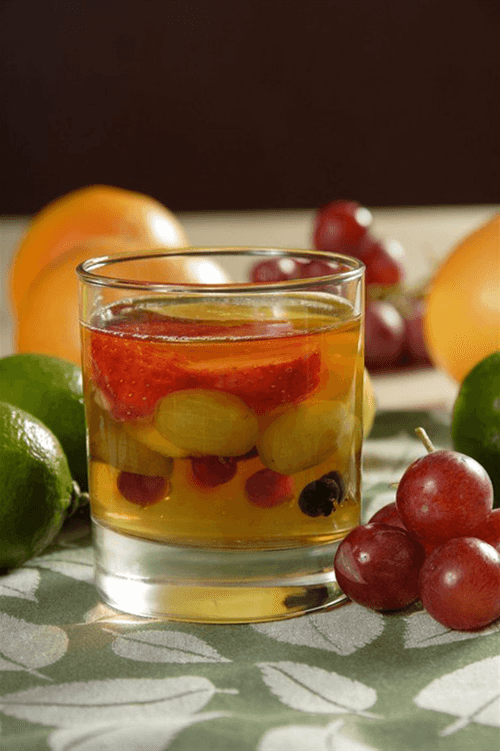
Lemon jelly with fruits is an exquisite dessert rooted in European culinary traditions. Its delicate balance of acidity and sweetness creates a refreshing taste, perfect for summer days. The transparent structure of the jelly allows the fruits to appear vibrant and appetizing, turning the dish into a true work of art. The use of gelatin gives the dessert a tender firmness, while fresh fruits add natural sweetness and aroma. Lemon jelly pairs wonderfully with various berries and fruits, allowing for experimentation with their combinations. It can be a light finish to a festive dinner or an elegant treat for guests. In every spoonful of this dessert lies a harmony of flavors and coolness that brings enjoyment and invigorating freshness.
4
4
30
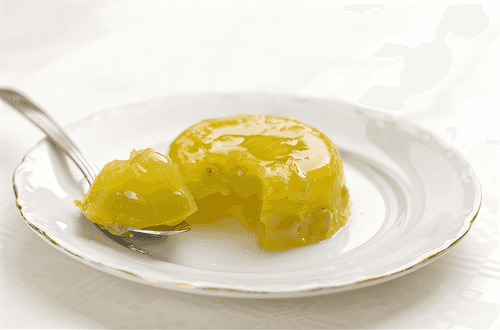
Lemon jelly on saccharin is a light and refreshing dessert that emerged in Russian cuisine as a low-calorie treat. Its base is natural lemon juice and fragrant zest, giving the dish a bright citrus flavor with a slight tartness complemented by the sweetness of saccharin. Gelatin makes the texture firm and delicate, while the transparent golden hue pleases the eye. This dessert is perfect for dietary meals and serves as a wonderful finale to a light dinner. It can be served as an independent treat or garnished with fresh berries and mint for added aroma. Refreshing, airy, and incredibly easy to prepare — it will become a favorite for those who appreciate the balance of taste and lightness.
4
4
30
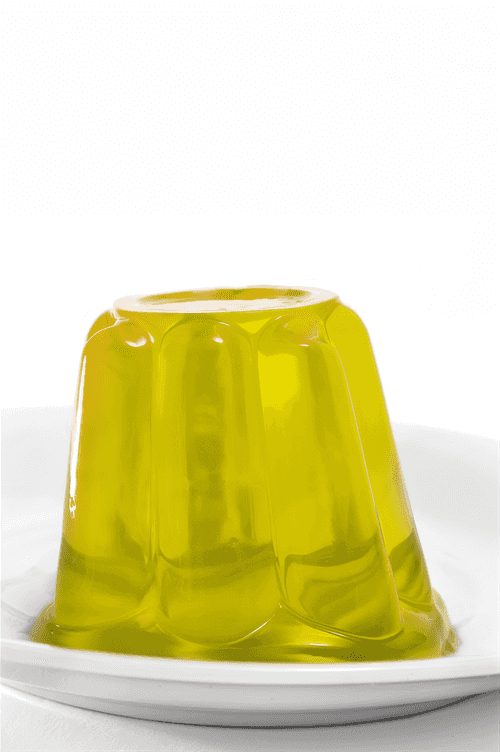
Lemon jelly with zest is a refined treat of Italian cuisine that combines the freshness of citrus and the tenderness of jelly. Its origin is linked to Mediterranean gastronomy, where lemon is used not only for refreshing drinks but also for exquisite desserts. The taste of this jelly is a harmonious balance of the tartness of lemon juice and the sweetness of sugar syrup, complemented by aromatic zest that adds a slight tanginess to the dessert. It is perfect as a refreshing dessert after a hearty dinner or as a morning treat on warm summer days. Served chilled, often garnished with a sprig of mint or pieces of fresh lemon, making it not only delicious but also aesthetically pleasing.
5
4
15

An excellent recipe for which any apples will do. It is especially good for sweet-bland apples, which many of us grow in our gardens. Citric acid will give such a boring apple character and taste.
5
4
20
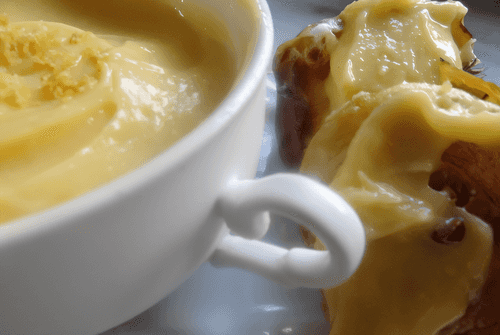
Lemon curd is a delicate, velvety cream with a rich citrus flavor that melts in your mouth. Its history traces back to European cuisine, where it became a symbol of sophistication and harmony of flavors. The sweetness of sugar balances the refreshing tartness of lemon, while butter gives the cream a silky texture. This dessert is perfect for filling tarts, pies, or as an addition to toast and croissants. Its rich flavor makes every morning a little brighter and every dessert unforgettable.
6
8
40
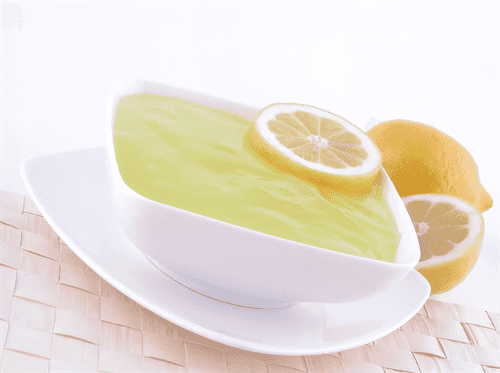
Quick lemon jelly is a classic dessert of British cuisine that combines the freshness of lemon with the tenderness of jelly. Its origin is linked to the tradition of making simple and light desserts that refresh and delight with their tangy note. Lemon juice gives the jelly a rich citrus aroma, while sugar balances the acidity, creating a harmonious flavor. Gelatin makes the texture firm, allowing the jelly to gently melt in your mouth. This dessert is perfect for summer dinners and festive gatherings, offering lightness and a refreshing effect. It is served in glass cups or molds, sometimes garnished with fruits or a mint leaf for sophistication. The quick preparation makes it an excellent choice for those who want to treat themselves or guests to an elegant yet simple treat.
4
4
30
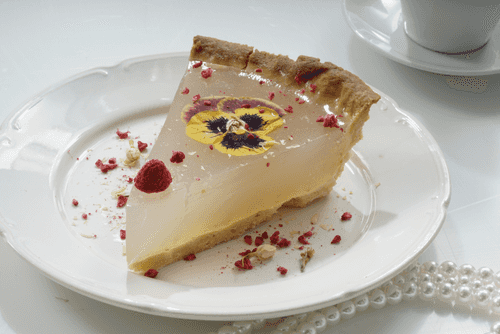
Lemon tart with crystal jelly is a true embodiment of elegance in French pastry tradition. It features a delicate shortcrust pastry that is fragile and aromatic thanks to almond flour. The secret of this dessert lies in the lemon jelly with agar-agar, giving the tart transparency and lightness. Its fresh, invigorating taste captivates from the first bite, balancing sweetness with citrus tartness. The recipe's origins trace back to French lemon tarts, but the crystal jelly makes it special. This exquisite dessert adorns the festive table, delighting not only with its taste but also its beauty: delicate flowers and berries enhance its sophistication. It pairs perfectly with tea, becoming the final chord of gastronomic pleasure.
11
8
90

Lemon dessert is a delicate treat of European cuisine that impresses with its tenderness and harmonious flavor combination. Its roots trace back to traditional citrus sweet recipes valued for their refreshing tartness and airy texture. The dessert's base consists of a crispy layer of crackers and fin crisp soaked in butter and caramelized in the oven. This golden 'bottom' contrasts with the airy creamy-lemon mixture, where the thickness of condensed milk blends with the tangy acidity of lemon juice. Whipped cream adds lightness to the cream, while chilling makes it especially refreshing. An ideal dessert for a summer dinner or cozy evening, it offers a balance of sweetness and acidity, leaving an elegant, memorable aftertaste.
7
8
30
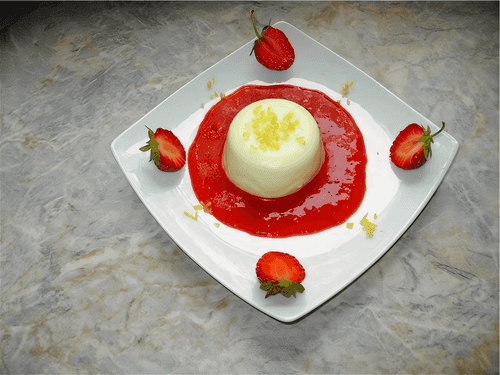
Lemon dessert is an exquisite European delicacy that impresses with its tenderness and refreshing taste. It combines creamy velvetiness with the tangy acidity of lemon, creating a harmony of flavor nuances. This dessert resembles traditional panna cotta and blancmange, but its fresh citrus aroma makes it special. Historically, such desserts were popular among European nobility as they symbolized sophistication and festive spirit. It is easy to prepare: cream is infused with the aroma of vanilla and lemon, then mixed with gelatin to give it structure. After cooling, the dessert is carefully removed from the mold, covered with strawberry sauce, and garnished with fresh berries. It is the perfect ending to a meal that awakens the senses and provides pleasure.
7
4
180

The 'Lemon' dessert is an exquisite Italian treat that embodies the freshness of citrus and the delicacy of white chocolate. Its history begins with the desire of pastry masters to create the perfect combination of airy mousse and vibrant fruit jelly. The taste of this dessert impresses with a balance of sweetness and tartness, where creamy chocolate harmoniously complements the aroma of yuzu, lime, and lemon. Each spoon reveals new flavor dimensions, while the velvety texture adds sophistication. This dessert is not only a delight for gourmets but also a true culinary masterpiece – its shape mimics the natural beauty of a lemon. An ideal choice for special occasions or simply for enjoyment!
17
4
600
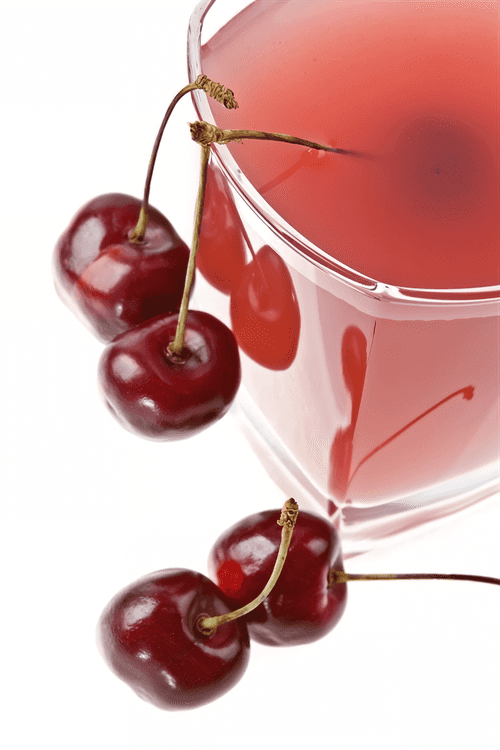
Cherry kissel with cinnamon is a delicate dessert with a deep aroma and warming taste. Cherry adds a rich sweet-sour note to the kissel, while cinnamon provides a warm spicy touch. This recipe has roots in German cuisine traditions, where fruit kissels are valued for their lightness and refreshing flavor. The thick consistency of the kissel makes it an ideal option both as a standalone dessert and as an accompaniment to baked goods or ice cream. It can be served hot for a warming effect or chilled for refreshing enjoyment. Starch gives the dish a silky texture, and adding lemon zest or cinnamon enriches its flavor with subtle nuances. Such kissel embodies home comfort and traditional gastronomic heritage.
5
6
20




















