












Recipe Catalog
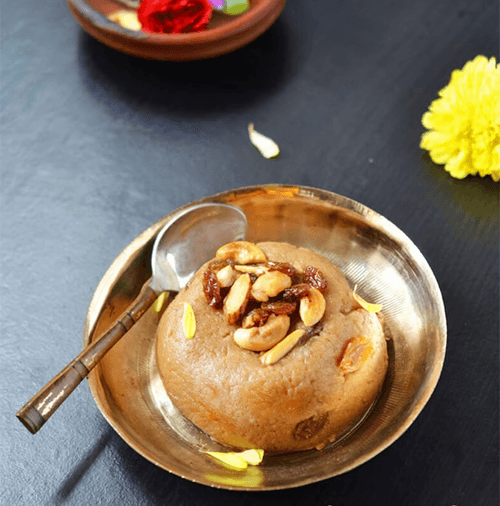
Halva made from semolina with nuts and raisins is a traditional Indian dessert filled with rich flavors and the warmth of Eastern spices. Its origins date back centuries when it was a popular treat in Indian temples and festive gatherings. Halva has a soft, velvety texture due to roasted semolina, while added almonds and raisins give it a rich nutty hue and sweetness. Made with fragrant sugar syrup infused with cinnamon, cloves, and lemon zest, this dessert envelops you in a cozy, warming taste. Halva is versatile: it can be served as a standalone treat or accompanied by a cup of spiced masala tea. This dish not only satisfies hunger but also offers moments of enjoyment in Eastern gastronomy.
9
8
40
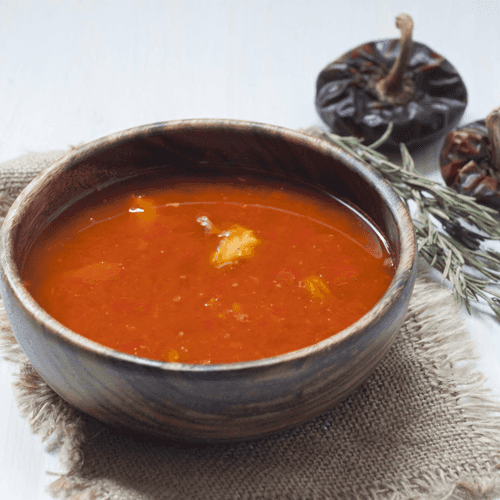
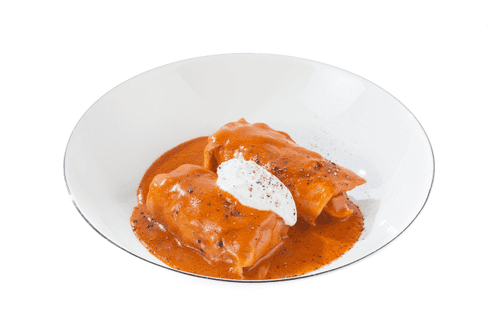
Fish Hungarian soup 'Halászlé' is one of the most iconic dishes of Hungarian cuisine, especially popular in the region along the Danube. Its roots trace back to the traditions of fishermen who prepared hearty and aromatic soup right on the shore. The main secret of 'Halászlé' is a rich broth made from fresh fish that gains a unique flavor thanks to a generous portion of Hungarian paprika. The dish has a rich, spicy aroma with a slight sweetness from tomatoes and freshness from herbs. It perfectly warms on cool days, and its bright reddish color adds a festive mood to the meal. 'Halászlé' pairs excellently with crusty bread and white wine, making it not only a beloved home dish but also an ornament of traditional Hungarian feasts.
6
4
60
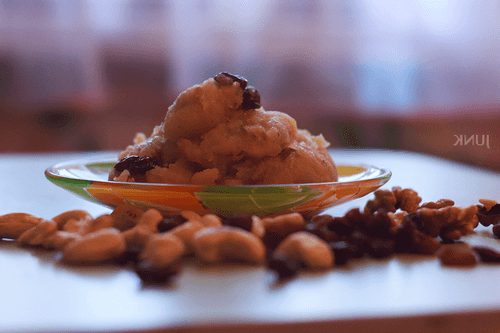
Indian halwa is a refined dessert from Eastern Indian cuisine with a rich, deep flavor. Its history traces back to ancient Indian traditions where halwa symbolized hospitality and celebration. The main ingredient—semolina roasted to a golden-brown hue—gives the dish a deep nutty aroma. A syrup made from sugar, orange juice, and zest adds a refreshing tang, while coconut flakes and raisins enhance the texture of the sweetness. Nuts add a crunchy note, making halwa not only delicious but also nutritious. It can be served as a standalone dessert or alongside fragrant tea. This dish is a true gastronomic journey into the world of Indian flavors and spicy Eastern traditions.
10
8
30
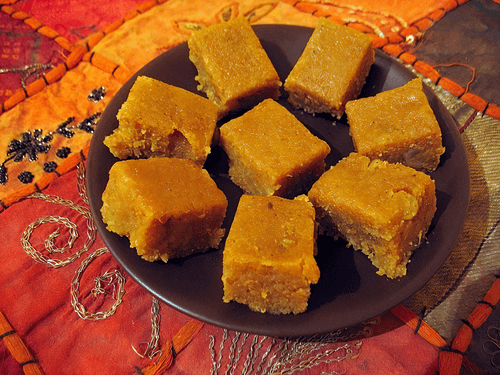
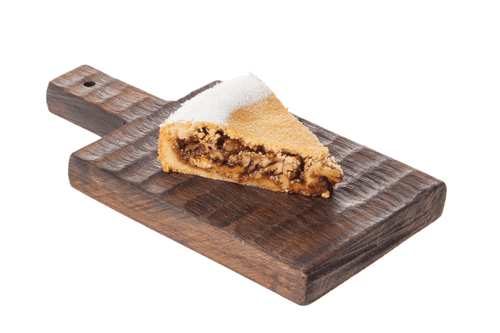
Indian apple marmalade phal ka halwa is a refined dessert combining the fruity tenderness of apples, the sweetness of raisins, and the nutty crunch of almonds. This traditional Indian recipe dates back to ancient cuisine where fruits and spices were combined into delightful treats. It is prepared by slowly simmering apples in fragrant coconut oil with ginger, giving the dish a subtle spicy note. Sugar syrup turns the mixture into a thick marmalade that becomes dense and tender after cooling. Halwa is a popular dessert in Indian culture, served at festive gatherings and used in religious ceremonies. This apple variant is an excellent alternative to traditional grain halwas, perfectly pairing with hot tea and delighting with its rich flavor.
6
4
30
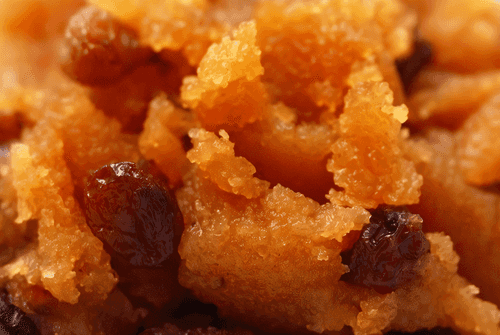
Halva is a delicate and aromatic dish of Turkish cuisine that combines the velvety texture of semolina with the rich flavor of butter and sweet notes of raisins and cashews. Historically, halva was prepared in many Eastern cultures, regarded as a symbol of hospitality and family warmth. The taste of this treat surprises with its depth: the nutty tones of cashew harmoniously complement the spicy cardamom and nutmeg, creating a rich aroma. Halva is perfect for cozy tea time or festive treats. Its soft yet dense consistency makes each spoonful rich and warming, while the light sweetness highlights the Eastern elegance of the recipe. In Turkey, halva is often served with a cup of strong tea or coffee, enjoying its rich flavor in the company of loved ones.
9
6
60
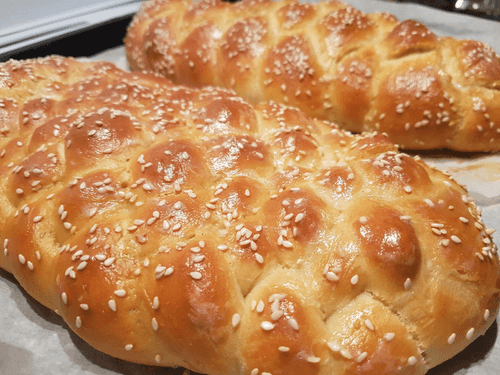
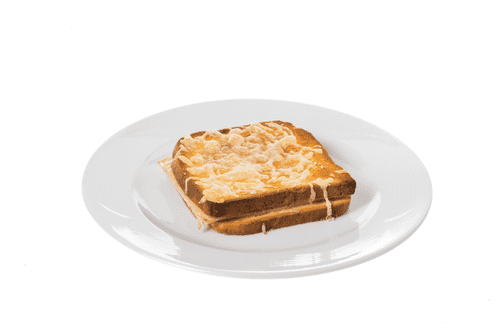
Challah is a traditional Jewish bread, symbolizing family warmth and spirituality. Its roots go back to ancient times when this airy, slightly sweet bread was an integral part of the Shabbat meal. The soft and fluffy texture of challah is achieved through careful fermentation of the dough, while honey adds a subtle sweetness. Braid into an elegant shape, it becomes a decoration for any table. Challah is eaten fresh, dipped in honey or olive oil, and the next day it can be used for French toast. This bread is not just baked goods – it’s a true story woven into its golden crust that connects generations at one table.
7
6
360




















