











Recipe Catalog
No recipes contain all the words, showing recipes that match some of them
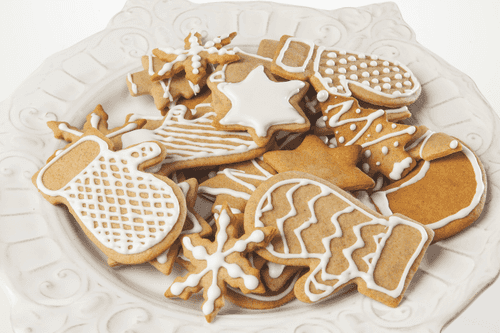
A must-have for the long winter holidays. Gingerbread cookies should be baked in bulk, they will come in handy in any case: as a gift to friends in a beautiful box, and as Christmas tree decorations, and with coffee, and with tea, and with a cup of eggnog. A great idea if you need to keep the children busy at a family celebration is to arrange a culinary master class for them on making and painting these cookies. Prepare multi-colored icing, knead more gingerbread dough - and go ahead. If you make a lot of cookies in advance, they will be with you throughout the holidays and even after that, they will remain for a long time.
11
4
60

Icing for gingerbread is an art of confectionery that transforms a simple dessert into a true masterpiece. It creates a crispy, glass-like smooth surface, giving the gingerbread a festive look. The origins of such icing trace back to traditional European Christmas baking, where each gingerbread is not just a sweet treat but part of family warmth. The taste of the icing is soft and sweet with a light airy texture that perfectly complements the spicy notes of gingerbread cookies. Its application is versatile: it is suitable for painting and creating patterns and forms a dense and shiny shell after hardening. This icing is the final touch that turns an ordinary gingerbread into a festive attribute of winter celebrations.
2
1
10

Gingerbread cookies with icing are a fragrant treat that comes from Austria. Their history dates back to the Middle Ages when spices were considered a symbol of wealth. These cookies combine the rich flavors of ginger, cardamom, cinnamon, and cloves, creating a warm and spicy aroma. The crispy crust and delicate icing add sweetness and sophistication. They are made with honey, giving the dough softness and a rich hue. After baking, the cookies are decorated with egg white icing and confectionery sprinkles, turning into a festive treat. They perfectly complement a cup of hot tea or mulled wine, creating coziness on winter evenings. These cookies are often given as symbols of warmth and joy, and their preparation is a true ritual that brings families together around the kitchen table.
13
12
30

In Russia there are a lot of recipes for gingerbread, one region historically prepares some, another - others. Some, like the Tula gingerbread, go down in history, some are forgotten. These gingerbread with icing are the simplest, requiring no effort , complex products or manual dexterity. The only caveat: when you cook, do not disdain the icing. It is here not only for beauty, but also for taste, after all, it contains milk and sugar, adding sweetness and creaminess to the gingerbread.
8
20
60

Chocolate glaze for cookies is a delicate decoration that gives desserts a rich flavor and smooth texture. Its roots trace back to European cuisine, where it became an integral part of pastry art. The glaze has a velvety structure thanks to butter and milk, while dark chocolate adds a refined depth of flavor with a slight bitterness. Powdered sugar makes the glaze silky and gentle. It is perfect for coating cookies, cakes, and pastries, creating an appetizing shine and pleasant aftertaste. The use of glaze is versatile: it is used for decorating, joining layers of baked goods, and even adding special accents to desserts. This is a simple yet elegant way to turn homemade baking into a pastry masterpiece.
4
12
10

This basic cookie glaze recipe has its roots in Scandinavian cuisine, where homemade baked goods hold a special place in culinary traditions. The simplicity and elegance of this recipe make it essential for creating cozy sweets. The glaze turns out silky and shiny, perfectly covering the surface of cookies or gingerbread. The delicate creamy flavor with caramel notes from powdered sugar adds sophistication and completeness to the baked goods. Due to its softness when warm, the glaze is easy to apply, and after setting, it forms a smooth and slightly crunchy texture. This is an ideal way to give sweet treats an aesthetic appearance and enhance their flavor, making each cookie a true work of art.
2
4
15
Chocolate glaze is a true classic of European pastry tradition. Its roots go back centuries when chocolate was considered a luxury and accessible only to the elite. Thick, shiny, and silky, this glaze adds elegance and rich flavor to any cake. The delicate combination of butter and cocoa provides a velvety texture, while sugar and milk reveal a soft sweetness with light caramel notes. It not only decorates the dessert but also enhances its flavor by creating a perfect balance between rich chocolate aroma and pleasant sweetness. The glaze is ideal for coating cakes, éclairs, and pastries, giving them a festive appearance. It can be used as a standalone element or combined with nuts and fruits for more sophisticated variations.
4
4
15

Sand cookies with sugar glaze are the embodiment of coziness and celebration. Their roots go back to the European tradition of Christmas baking, where sweet crumbly dough and bright glaze create an atmosphere of magic. Tender, crispy, with a light cinnamon aroma, they delight both adults and children. The glaze not only decorates but also adds a pleasant sugary note, while food colorings allow for the most imaginative patterns. Such cookies often become part of festive gifts or are served with hot tea in a cozy company. They are perfect for family creativity as the coloring process turns into a fun activity. The aroma of freshly baked cookies fills the home with warmth and reminds one of childhood winter evenings spent decorating sweet treats.
9
4
120

Pink glaze for kulich is a delicate, airy decoration that adds elegance and the freshness of spring shades to festive baking. The tradition of decorating kulich with glaze has roots in ancient Russian rituals, where the snow-white coating symbolized purity and solemnity. In this recipe, the classic glaze takes on an exquisite pink hue thanks to the addition of food coloring. Powdered sugar ensures a smooth and silky texture, and the intensity of color can be adjusted to taste. The glaze is complemented by delicate edible flowers, crunchy freeze-dried berries, and sugar pearls, making each kulich a true work of art. This glaze not only pleases the eye but also adds a light caramel sweetness to the baked goods, creating a perfect combination with the softness of the kulich dough.
6
1
15

Gingerbread cookies 'Gingerbread Men' are a symbol of coziness and Christmas magic from European traditions. Their history begins at medieval fairs when spiced treats were exchanged as good wishes. The aroma of cinnamon, ginger, and cloves evokes memories of winter holidays, while the light sweetness of honey and vanilla enriches the flavor. These cookies are not just a treat; they become a creative process as they can be decorated with icing to give funny expressions to the gingerbread men’s faces. Perfect for cozy tea time or festive gifts, they bring warmth and joy to every home. Break the crispy edge and feel the softness inside – with each bite, the gingerbread world comes closer.
14
12
90

Chocolate cake with glaze is a delightful treat rooted in Italian pastry tradition. Its rich, velvety flavor arises from the combination of bitter chocolate, creamy sour cream, and airy dough. The glaze adds a refined sweetness with a hint of cocoa bitterness, creating a perfect balance of flavors. A unique feature of this dessert is the ability to complement it with berries or jam, giving each slice new flavor nuances. This cake is ideal for festive celebrations as well as cozy family evenings. Each spoonful is a harmony of tenderness and chocolate pleasure, immersing you in the atmosphere of Italian hospitality.
12
8
90

Iced sand cookies are a classic of Russian baking, a fragile and aromatic sweet that delights with its delicate taste. This cookie has its roots in traditional Russian cuisine, where it was made for tea parties and celebrations. Its texture is airy and crumbly with a subtle creamy flavor, while the sweet icing adds sophistication, creating a contrast between the softness of the dough and the crunchy sweetness of the coating. This treat is perfect for cozy family evenings as well as for decorating festive tables. The icing can be colored in different shades to create small culinary masterpieces. Such cookies are not only delicious but also allow for creativity since they can be decorated with patterns, glitter, and even infused with aromatic spices for a special flavor accent.
6
5
90

Icing for cakes is a delicate and airy glaze originating from British pastry tradition. Its roots go back to the 18th century when royal cakes were adorned with exquisite patterns made of sugar paste. Icing features a smooth texture and a subtle balance of sweetness with a light tang of citric acid. When prepared correctly, it becomes thick enough for intricate designs while remaining flexible, allowing for refined decorations. This icing is perfect for decorating festive desserts, giving them an elegant appearance and delightful flavor that harmonizes with airy sponge cakes and butter creams.
3
12
5

Glazed popovers are airy rolls that literally 'jump' out of the mold. Their delicate, light texture is achieved through steam forming inside the dough during baking. This recipe, originating from European cuisine, is especially popular in the UK and the USA. Popovers are perfect for breakfast or a light snack, and the glaze or aromatic spice topping gives them a special flavor. Combined with chocolate glaze, they become a refined treat, while adding citrus notes makes them vibrant and fragrant. They can be served as a standalone dish or accompanied by creams and jams. The key to preparation is maintaining the right temperature to achieve the correct texture and taste.
4
12
60

Icing can be used to draw dots, lines, or to completely fill the entire surface of the cookie. To prepare the mass for filling, add a few drops of water to the icing and stir. If the icing is still thick, add more water and so on until the desired consistency is achieved - it should be liquid enough to spread over the surface of the cookie. To fill, first draw a line along the perimeter of the future filling with thick icing, and then fill the inner space with liquid icing.
4
1
20