




Recipe Catalog
No recipes contain all the words, showing recipes that match some of them
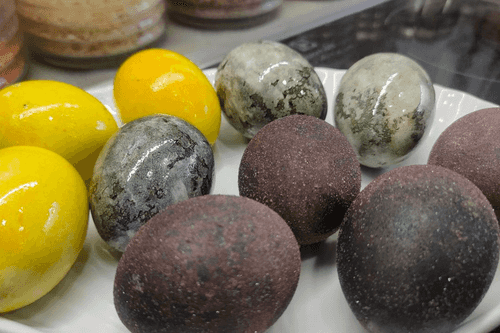
Eggs dyed in red wine are an unusual and sophisticated way to give a traditional product new life. This dyeing method has roots in ancient Russian traditions where natural ingredients were used to create rich shades. The wine gives the eggs a deep burgundy color, while a light sweet aroma complements their taste with subtle wine notes. This dish is often used to decorate festive tables, especially during Easter, symbolizing sophistication and originality. To achieve a rich color, the eggs are boiled in red wine with added sugar and then left in the liquid to allow the dye to absorb. They require no additional oils or processing, maintaining their natural matte finish. Eggs prepared this way will not only be delicious but also an elegant decoration for any feast.
3
4
360

Easter eggs dyed with turmeric are a traditional way of preparing festive symbols that combines simplicity and naturalness. The yellow hue provided by turmeric symbolizes light, joy, and warmth. This dyeing method became popular in Russian cuisine due to the availability of natural colorants. The taste of the eggs remains familiar but acquires a slight spicy note. They beautifully complement the Easter table, decorating it with natural sunny tones. They are easy to prepare: eggs are boiled with turmeric and then steeped for a rich color. This method avoids chemical dyes and gives the eggs a unique authenticity.
2
1
60
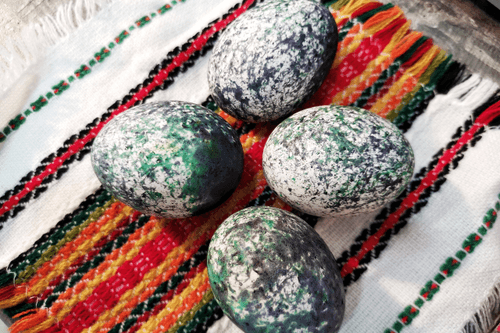
Easter eggs dyed with rice are a wonderful way to add festive color to a traditional dish. This dyeing method comes from Russian cuisine, where Easter is celebrated with special warmth and joy. After boiling, the eggs are covered with rice dyed with food coloring, creating unique patterns and textures like marble. Their taste remains classic, soft, and tender, but the aesthetics turn them into a true decoration for the festive table. Such eggs not only please the eye but also become the center of attention at family gatherings. They can be served as a standalone dish, added to Easter baskets, or used to decorate festive dishes. The simplicity of preparation and the unique result make this recipe a favorite among many hostesses looking to impress guests with unusual presentation.
3
2
30
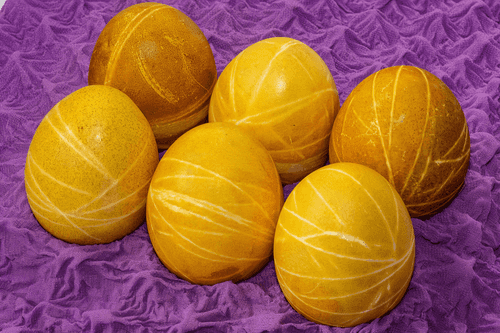
Turmeric-dyed eggs are an ancient Russian Easter tradition that adds a bright golden hue to festive treats. Turmeric, known for its healing properties and rich aroma, creates a natural warm color symbolizing the sun and rebirth. This light spice not only decorates the eggs but also imparts a subtle Eastern fragrance. The special dyeing method using threads makes the pattern unpredictable and unique, giving each egg individuality. The preparation process is simple but requires patience: the longer the egg stays in the broth, the richer the color becomes. Such decoration fits perfectly on the Easter table, complementing kulich and other festive dishes. Eggs rubbed with oil gain shine and look festive, while their natural coloring makes them especially appealing to fans of traditional decorating methods.
4
10
40
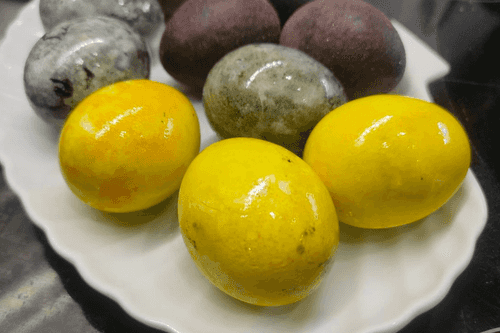
Turmeric-dyed eggs are an ancient way to give a festive look to an ordinary product. This method was widely used in Russian cuisine for Easter and other celebrations. Thanks to the natural dye – turmeric, the eggs acquire a rich golden-yellow hue symbolizing the sun, warmth, and abundance. The taste of the egg remains traditional, but turmeric adds a slight spicy note. They can be served as a standalone snack or used in salads and other dishes. The simplicity of the method makes it accessible to everyone, while the naturalness of the ingredients ensures safety for health. Such table decoration delights not only with taste but also with aesthetics, giving the meal a special charm.
4
3
360
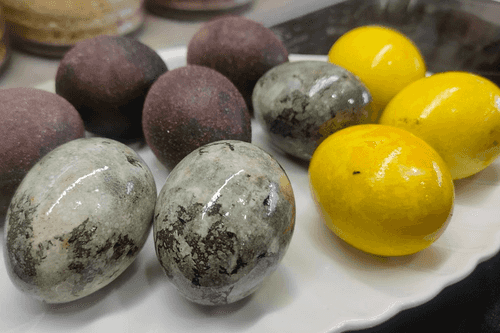
Hibiscus-dyed eggs are an original dish where traditional boiled eggs acquire an unusual hue thanks to the infusion of hibiscus petals. This dyeing method, inspired by ancient natural decorating techniques, allows for deep burgundy and purple shades, giving the dish a festive appearance. The taste of the eggs remains classic but is slightly enhanced by the light tartness of hibiscus. They can be used as decorations for the Easter table or as an original element in appetizers. Eggs dyed this way are not only beautiful but also eco-friendly, as natural dyes are safer than chemical counterparts. A finishing coat of vegetable oil adds shine, highlighting the elegance of their hue.
2
3
360

Red onion and red wine jam is a refined European delicacy with an exquisite balance of sweetness and light acidity. Its roots trace back to the gastronomic traditions of France, where caramelized onions with wine are used to create sauces and appetizers. The jam has a rich, deep flavor: the soft sweetness of onions with caramel notes combines with the robust bitterness of red wine and the light acidity of vinegar. The texture is delicate and velvety, with subtle aromas of spices and woody undertones. This jam pairs perfectly with soft cheeses, meat dishes, duck, or even bruschetta. It transforms familiar flavors into something special, adding gastronomic elegance to any table.
5
4
30
Eggs in a pouch with wine sauce is a harmony of tenderness and rich flavor. The dish's origins trace back to European culinary traditions, where the combination of eggs with refined sauces is valued for its elegance. White wine adds a subtle acidity to the tomato and onion sauce, while Serrano ham contributes spiciness and depth. The texture of the eggs is soft and silky, and the sauce envelops them with a rich taste and light wine aroma. This dish is perfect for an elegant breakfast or exquisite dinner, especially when paired with crispy toast. It can be served with a glass of white wine to enhance the flavor nuances. The simple cooking technique makes it accessible even for home cooking enthusiasts, and its taste can enchant even the most discerning gourmet.
10
6
45
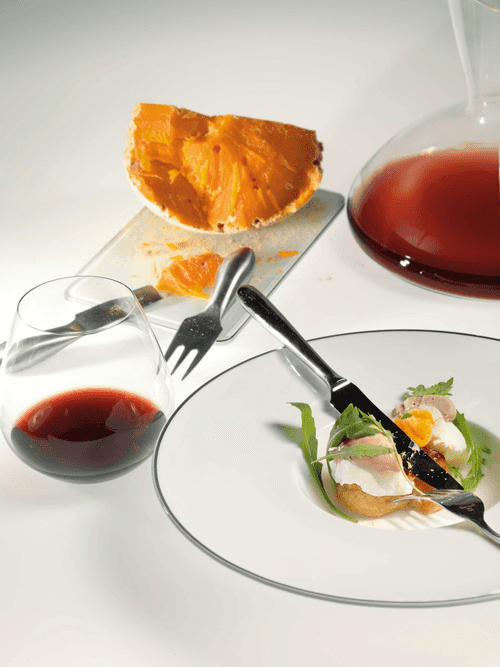
Poached eggs with wine mayonnaise is an exquisite dish of Scottish cuisine that combines the tenderness of eggs with the rich texture of homemade mayonnaise enriched with notes of red wine. The origins of the dish trace back to refined culinary traditions where the elegance of sauces plays a key role. The taste is soft and creamy, with a slight acidity from the wine that harmoniously complements the tenderness of poached eggs. It is traditionally served on a crispy baguette that contrasts in texture, while fresh herbs and cheese crumbles add depth to the aroma. Perfect for a leisurely breakfast or an elegant brunch, pairing well with light white or sparkling wines. This dish is a true celebration of flavor, blending rich culinary traditions with a modern approach to gastronomy.
12
4
15
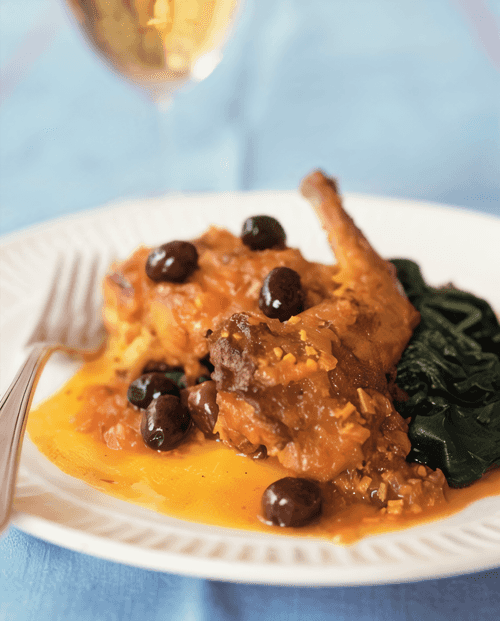
Braised duck with red wine and olives is a true embodiment of European gastronomy, combining exquisite aromas and rich flavors. This dish hails from traditional French cooking methods where slow braising imparts tenderness and depth of flavor to the meat. The duck, infused with red wine, takes on a rich, velvety hue, while aromatic herbs and juniper berries add subtle woody notes to the composition. Olives added at the end bring a piquant touch and slight saltiness that highlight the complexity of taste. This dish is perfect for cozy family dinners or festive gatherings, especially when paired with mashed potatoes or polenta. The richness of flavors and textures makes it a true culinary masterpiece worthy of the finest European restaurants.
15
6
30
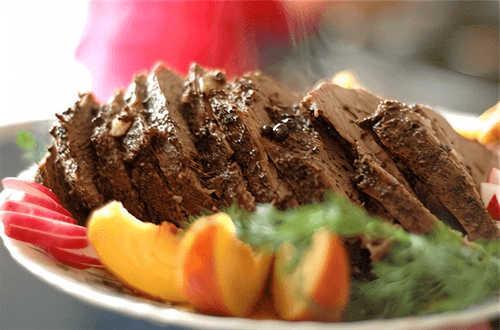
Beef stew with red wine and orange zest is the essence of French cuisine, combining rich aromas and elegant flavors. The deep, tender taste of beef unfolds through slow cooking in red wine, adding richness and a refined acidity to the dish. Orange zest adds light citrus notes that balance the richness of the meat flavor. Onions and carrots simmering in the aromatic sauce absorb noble wine tones, turning into a perfect garnish. This dish is often served in cozy French bistros with a glass of dry wine or fresh bread, allowing one to enjoy the harmony of flavors. An ideal choice for a romantic dinner or festive gathering, it warms the soul and immerses one in the culinary art of France.
8
4
210
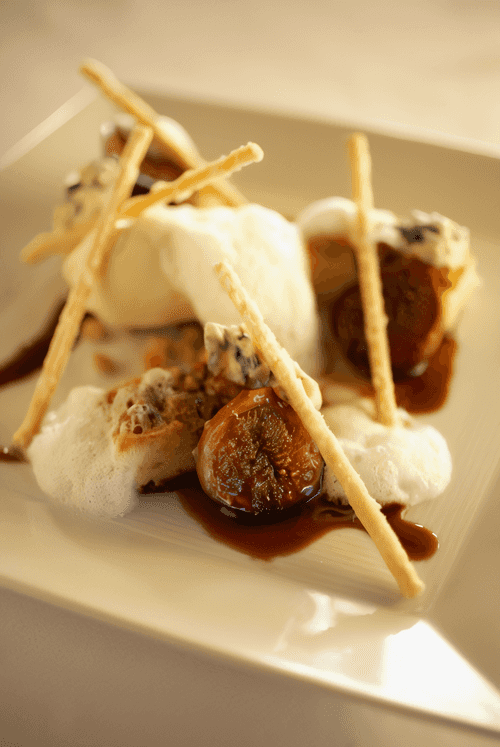
Baked fig with red wine, nuts, and mascarpone is a refined dish of Italian cuisine that embodies elegance and depth of flavor. In Italy, figs have long been valued for their sweetness and velvety texture. Baked in aromatic red wine with balsamic vinegar and sugar, it acquires a rich caramel taste with subtle wine notes. Crunchy walnuts add contrast while the delicate mascarpone provides softness and sophistication. This dish is perfect for finishing a dinner; it is enjoyed warm, savoring the harmony of sweet, sour, and creamy flavors.
6
6
60
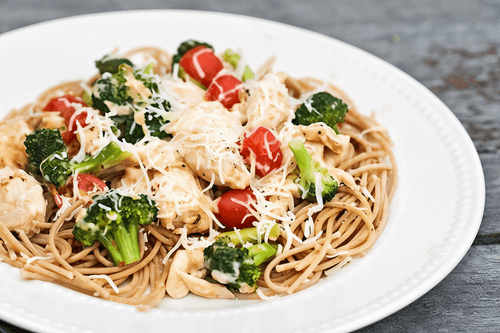
Spaghetti with red wine and broccoli is a bold interpretation of Italian cuisine, combining the sophistication of wine with the tenderness of vegetables. The dry red wine absorbs into the pasta, giving it a rich aroma and deep color, creating an incredible flavor contrast with the delicate broccoli and spicy garlic. This recipe is likely inspired by Tuscan traditions where pasta is often cooked with wine. The dish is perfect for a cozy dinner with a glass of wine, highlighting its elegance. The added parmesan completes the flavor with a slight salty note. The taste of this dish is a harmony of earthy and fruity tones, warming and memorable.
10
4
35
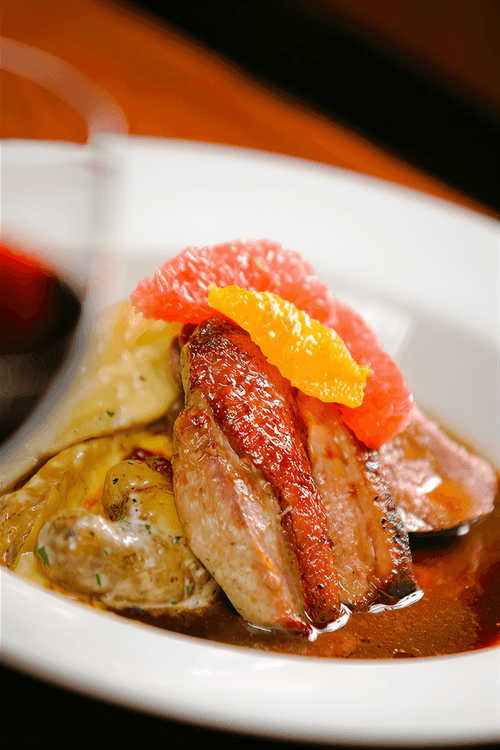
Duck in red wine sauce is an exquisite dish of European cuisine that embodies elegance and depth of flavor. Traditionally, this recipe was used for festive feasts, as the combination of juicy duck meat with rich wine aroma creates an impressive gastronomic delight. The duck simmers in broth with onions and celery, absorbing their delicate notes, and is then complemented by tart red wine and lemon juice for a subtle acidity. The finishing touch is grapefruit, which refreshes the composition and adds a light citrus bitterness. The dish pairs perfectly with roasted vegetables and creamy mashed potatoes, revealing a full palette of flavors. This recipe is a true symbol of culinary mastery where classic techniques transform ordinary ingredients into a work of art.
11
10
30
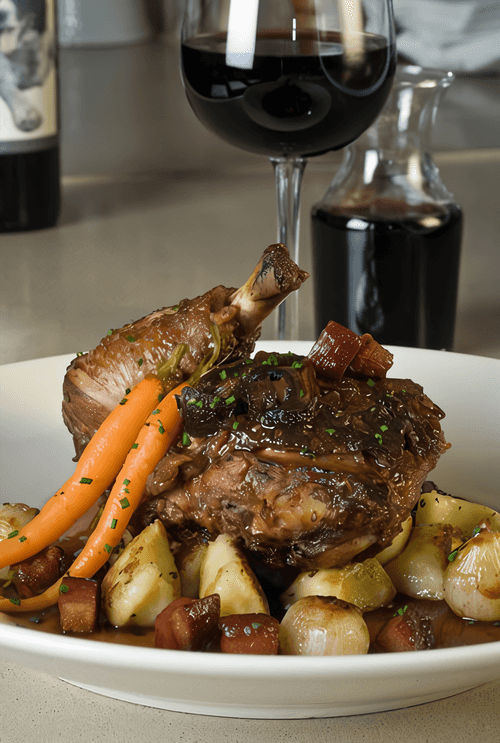
This recipe takes us to the heart of Italy, where culinary art embodies passion and comfort. Chicken in red wine with mushrooms, pancetta, and sausage meat is a symphony of flavors that combines the richness of wine, the spice of seasonings, and the tenderness of meat. Grappa adds a subtle smokiness to the dish, while the combination of porcini mushrooms with meat texture makes it particularly hearty. Braising in red wine creates a velvety base that enriches each bite with depth of flavor. This dish pairs perfectly with small pasta that absorbs the aromatic sauce. It is suitable for a cozy family dinner or a festive table, impressing with the richness and harmony of ingredients. Its history is linked to rustic Italian cuisine where simplicity transforms into gastronomic perfection.
13
6
80