
















Recipe Catalog
Lace Easter eggs are a unique and elegant way to decorate traditional Easter dyed eggs. This dyeing method has roots in ancient Russian traditions where onion skins were used to create a deep, warm hue on the shell. Lace gives the eggs an exquisite pattern, turning them into true works of art. The taste of such eggs remains natural, but their appearance makes the holiday even more atmospheric. They will adorn the Easter table and symbolize rebirth, purity, and spring renewal. After preparation, the eggs are coated with oil for shine and completeness. These eggs are not only pleasant to gift but also to serve at family tea gatherings where every detail is infused with warmth and tradition.
4
10
120

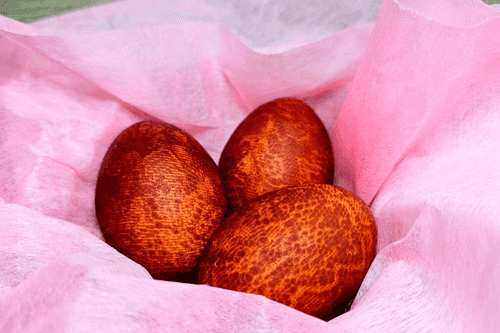
Easter eggs dyed in onion skins are a traditional Russian method for coloring eggs for the bright holiday of Easter. This method has been used for centuries, allowing for a natural, warm hue without chemical dyes. Onion skins give the eggs a rich, velvety reddish-brown color, and the natural patterns make each egg unique. The taste of the eggs remains familiar, but the preparation process fills the home with an atmosphere of coziness and ancient traditions. These eggs are not only a symbol of rebirth and new life but also an ornament for the festive table and a great way to spend time with family while creating beauty by hand.
2
4
60

Hibiscus-dyed Easter eggs are a simple yet elegant way to give a traditional festive dish an unusual hue. Hibiscus, known for its rich ruby color, imparts a natural pink or burgundy tint to the eggs, creating an elegant and natural decor. In Russia, egg dyeing is an ancient tradition symbolizing rebirth and new life. This method is not only beautiful but also completely natural. Eggs dyed with hibiscus acquire a subtle floral aroma and a slight tartness, looking especially striking on the festive table. This dyeing method is perfect for those who appreciate natural ingredients and want to add a touch of creativity to their Easter preparations.
2
1
120

Easter eggs dyed with turmeric are a traditional way of preparing festive symbols that combines simplicity and naturalness. The yellow hue provided by turmeric symbolizes light, joy, and warmth. This dyeing method became popular in Russian cuisine due to the availability of natural colorants. The taste of the eggs remains familiar but acquires a slight spicy note. They beautifully complement the Easter table, decorating it with natural sunny tones. They are easy to prepare: eggs are boiled with turmeric and then steeped for a rich color. This method avoids chemical dyes and gives the eggs a unique authenticity.
2
1
60

Easter eggs dyed with rice are a wonderful way to add festive color to a traditional dish. This dyeing method comes from Russian cuisine, where Easter is celebrated with special warmth and joy. After boiling, the eggs are covered with rice dyed with food coloring, creating unique patterns and textures like marble. Their taste remains classic, soft, and tender, but the aesthetics turn them into a true decoration for the festive table. Such eggs not only please the eye but also become the center of attention at family gatherings. They can be served as a standalone dish, added to Easter baskets, or used to decorate festive dishes. The simplicity of preparation and the unique result make this recipe a favorite among many hostesses looking to impress guests with unusual presentation.
3
2
30

Easter eggs dyed with napkins are a traditional way to decorate eggs for the bright holiday of Easter. This method originated in Russian cuisine, allowing for unique patterns and vivid colors using simple dyes and napkins. Eggs dyed this way become true works of art, reflecting the tenderness, brightness, and festivity of the occasion. The taste remains natural – dense and rich like a boiled chicken egg – but the aesthetic aspect makes it special. Such eggs adorn the festive table, are used in traditional Easter games, and are exchanged as symbols of rebirth and good wishes. The ease of preparation and availability of ingredients make this method popular among families, preserving the spirit of creativity and joy of the Easter celebration.
2
5
40

Eggless Easter is a delicate and airy treat symbolizing the bright holiday of Easter. This recipe has roots in Russian traditions where housewives made cottage cheese easters adapting them to available ingredients. Without eggs but rich in flavor due to the combination of low-fat cottage cheese, butter, and sour cream. The delicate texture is achieved by carefully passing the cottage cheese through a sieve, while powdered sugar and raisins add sweetness. Almonds contribute subtle nutty notes creating a harmony of taste. The Easter is prepared in a mold where it gains density under pressure and becomes perfectly juicy. After cooling, it is decorated to taste with berries, nuts or sweet glaze. This festive dish is perfect for family gatherings bringing warmth, coziness and joy to the celebration.
6
8
60

Easter egg is not just a dessert but a symbol of joy and rebirth that holds a special place in Russian cuisine. This treat combines the crunchy texture of cookies and nuts with delicate chocolate cream, creating an amazing harmony of flavors. The top layer of creamy frosting and cottage cheese gives the egg softness and airiness, while its decorative design turns each piece into a small masterpiece. Easter eggs are traditionally prepared for the bright holiday of Easter, delighting loved ones with home warmth and taste. This dessert requires no baking, and its rich aroma and creamy texture make it special. Each spoonful is a celebration for the senses, filled with sweetness and warmth.
8
6
90

Easter 'Dinosaur Eggs' are a bright and unusual way to decorate the festive table. The tradition of dyeing eggs for Easter dates back to ancient times, symbolizing renewal and new life. This recipe adds a creative element: using food dyes and special dyeing techniques, the eggs acquire a cracked shell effect, reminiscent of dinosaur relics. The taste remains classic - tender and familiar boiled egg white with a soft yolk, but the appearance turns them into true works of art. Such eggs will adorn the festive feast and especially delight children, turning the dyeing process into an exciting game.
4
1
40




















