








Recipe Catalog
No recipes contain all the words, showing recipes that match some of them

Easter kulich with raisins and dried apricots is a symbol of the bright holiday of Easter, traditionally prepared in Russian families. Its airy texture, rich creamy flavor, and sweet notes of dried fruits create an unforgettable harmony of taste. The vanilla aroma fills the home with warmth and coziness, while the golden crust of the kulich delights the eye. Raisins and dried apricots add a delicate fruity sweetness, making the pastry even more appetizing. This kulich pairs perfectly with a cup of fragrant tea or coffee and becomes a decoration for the festive table. It is made with love and care, and its taste awakens warm memories of family traditions.
10
4
90
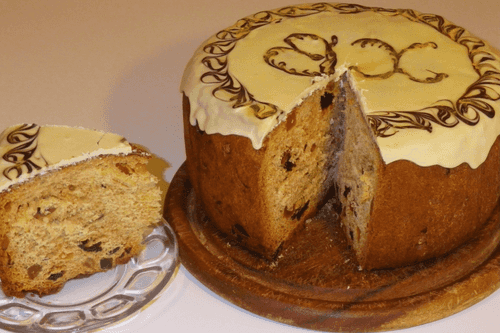
Easter kulich with raisins and candied fruits is a traditional Ukrainian festive bread symbolizing the resurrection and light of Christ's Resurrection. Its fluffy, airy texture with hints of citrus zest and vanilla offers a gentle aroma of spring. The rich flavor is enhanced by the cognac-soaked raisins and candied fruits, while roasted hazelnuts add a subtle nutty note. The white chocolate glaze adorned with dark chocolate patterns and golden decor makes it not just a treat but a work of art. This kulich pairs perfectly with warm tea or coffee, creating a cozy atmosphere for family celebrations. It holds an honored place on the Easter table, filling the home with joy and festivity.
17
8
300
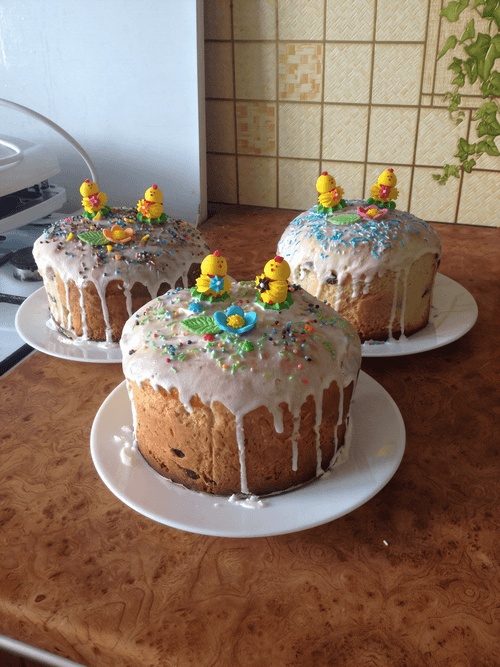
Easter kulich with raisins and vanilla is a fragrant and tender traditional Russian treat prepared for the bright holiday of Easter. Its rich flavor combines the sweetness of vanilla sugar with the softness of raisins, creating harmony in every bite.
8
10
300

Spiced and raisin kulich is a fragrant and tender Easter treat that comes from European baking traditions. Its roots go back centuries when kulich symbolized the festive end of Lent and was an important part of spring celebrations. The rich flavor of this kulich is revealed through the successful combination of spices—cinnamon and cloves—that fill it with warmth and coziness. Raisins add sweet, caramel notes, while almond sprinkles provide a delicate crunch. The soft, airy texture of the dough is achieved through careful kneading and prolonged fermentation. This kulich is perfect for festive tea gatherings and pairs wonderfully with honey, jam, or simply fresh butter. It is not just baked goods—it symbolizes family unity, joy, and traditions.
8
6
30
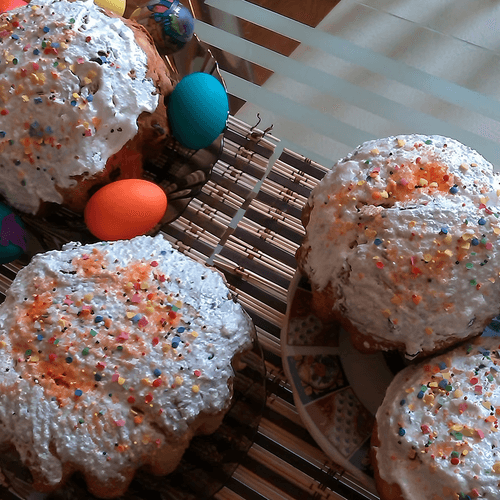
Easter kulich with raisins is a traditional Russian festive treat symbolizing renewal and light. Its history dates back centuries when Slavs prepared special sweet bread for Easter to celebrate the arrival of spring. Kulich has a delicate airy texture, sweet creamy flavor with soft hints of vanilla and aromatic raisins that add sophistication. It's important to ensure proper fermentation of the dough for a light and porous kulich. It is traditionally served at the festive table, decorated with white icing and colorful sprinkles, accompanied by conversations and joy.
8
8
60

Valery Chigarnov, chef of the restaurant "L.E.S.", shared the recipe with us.
14
10
60
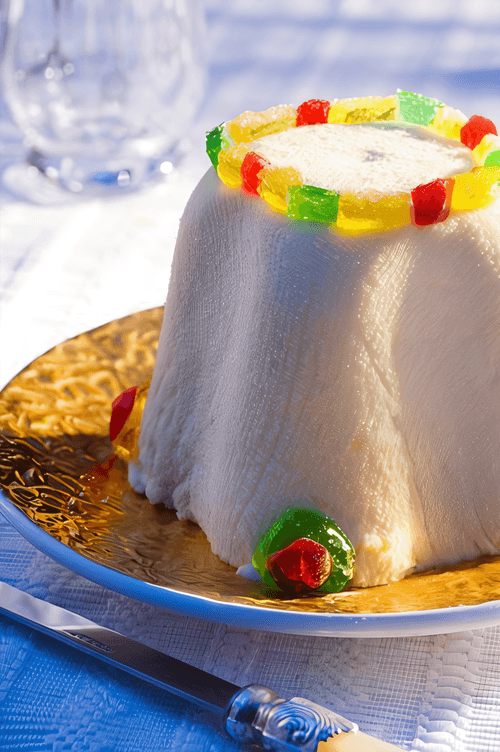
Easter with raisins, lemon, and cardamom is a traditional Russian Easter dish symbolizing the bright holiday of the Resurrection of Christ. Its roots go back to ancient times when cottage cheese treats served as signs of abundance and purity. The delicate texture of the cottage cheese, the light sweetness of the raisins, and the citrus freshness of the lemon combine beautifully with the warm spice of cardamom, creating a harmonious festive flavor. Easter is traditionally served in the shape of a truncated pyramid, symbolizing Golgotha. This dessert is perfect for a festive family table, filling the home with the aroma of vanilla and the joy of the upcoming holiday.
9
4
30
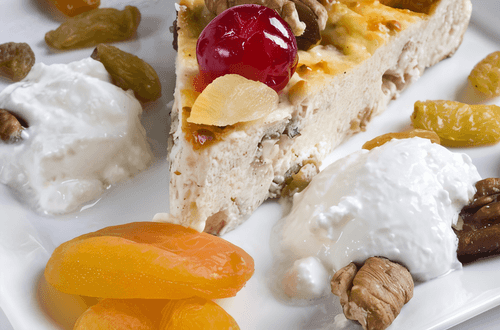
Creamy Easter with nuts, candied fruits, and citrus zest is a true festive treat traditionally prepared for Easter. Its roots go back to Russian cuisine, where cottage cheese desserts hold a special place. The delicate consistency of the creamy mass harmonizes with the aroma of vanillin, citrus zests, and spicy cardamom, while walnuts and candied fruits add textural variety and sweet accents. This treat is not only delicious but also symbolic – its shape resembles church Easter bread, and its rich composition makes it worthy of a festive table. Served chilled, it pairs perfectly with a cup of fragrant tea or fresh pastries, creating an atmosphere of coziness and warmth.
10
6
30

Golden Easter kulich with saffron and nutmeg is a true culinary masterpiece reflecting the traditions of the Russian holiday. Its history traces back to ancient recipes where saffron and nutmeg were used to impart rich aroma and golden color. The taste features deep sweetness with light citrus notes, the sophistication of cognac, and warmth from spices. The airy dough is infused with aromas of vanilla, saffron, and nutmeg, creating a rich and festive flavor. It is served at the Easter table adorned with icing and nuts, becoming a symbol of joy and prosperity. This kulich pairs wonderfully with tea or light dessert wines, while its softness and richness make every meal special.
14
10
120
Cottage cheese Easter with nuts is a delicate and aromatic festive dish of Russian cuisine, symbolizing the bright holiday of Easter. Historically, Easter was prepared in homes as a symbol of rebirth and prosperity. In this version of the classic recipe, cottage cheese is combined with sour cream, eggs, and raisins to create a tender texture, while caramelized nuts add a crunchy sweetness. Cream gives the dish a velvety softness. Easter pairs perfectly with fragrant tea or fresh berries, and its rich flavor makes it a centerpiece on the festive table. The dish can be served chilled to enjoy its rich creamy consistency. This traditional treat not only delights the taste but also carries the warmth of home and age-old traditions.
6
4
30
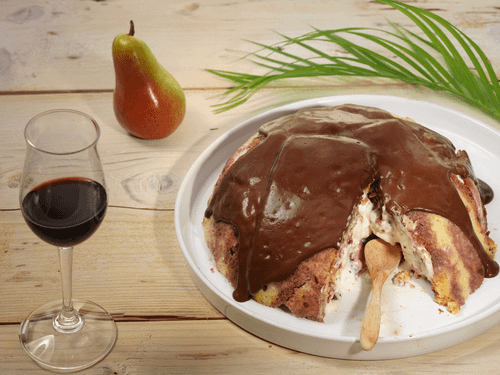
A cupcake or an uneaten Easter cake can be used as a base - the main thing is that it is large in diameter and tall enough, with candied fruit inside.
10
8
20
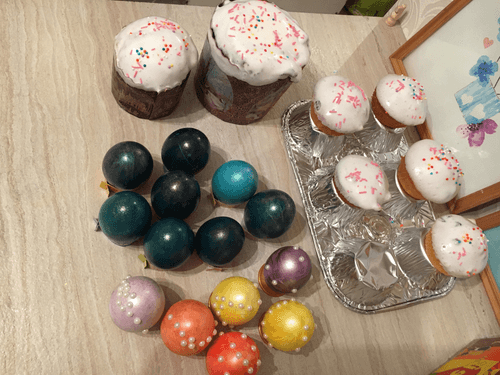
Cottage cheese kulich in glaze is a delicate and airy treat that embodies the traditions of European cuisine and the warmth of home. Its history traces back to Easter customs when sweet kulich symbolized celebration and rebirth. The unique texture is created by cottage cheese, which adds softness and a slight tanginess, harmonizing with the aroma of butter and sweetness of sugar. The addition of raisins, nuts, and candied fruits makes the pastry especially festive. Completing the image is a glaze made from whipped egg whites with sugar, giving the kulich an appetizing shine and lightness. They can be served as an independent dessert with tea or coffee or used to decorate the Easter table while enjoying the richness of flavors and traditions.
11
5
30
Italian Easter pie with grape seed oil is a refined treat rooted in ancient Italian traditions. Its delicate dough infused with the aroma of vanilla sugar and grape seed oil creates a unique flavor. Inside lies soft cottage cheese with candied fruits and cinnamon, offering a sweet harmony. This pie is made for Easter, symbolizing spring renewal and family unity. In Italy, it is served at festive tables, enjoyed with each bite alongside a cup of aromatic coffee or dessert wine. The warm crust and airy filling make it perfect for a leisurely Sunday morning when one wants to immerse in a cozy and festive atmosphere.
9
4
90
Cottage cheese Easter with custard is a traditional Russian dish symbolizing Easter and spring renewal. Its delicate, airy texture and rich creamy flavor with hints of vanilla and nuts make it a refined treat for the festive table. The recipe's origins trace back to ancient Rus', where cottage cheese Easter was considered a symbol of prosperity and spiritual purity. The custard adds special softness and velvetiness, while raisins contribute natural sweetness. This Easter not only decorates the festive table but also serves as a wonderful dessert that can be served with tea or coffee. It is prepared in advance to allow the flavors to fully develop and achieve the perfect consistency. Such a dish is true gastronomic classic that combines traditions with modern culinary trends.
8
8
25
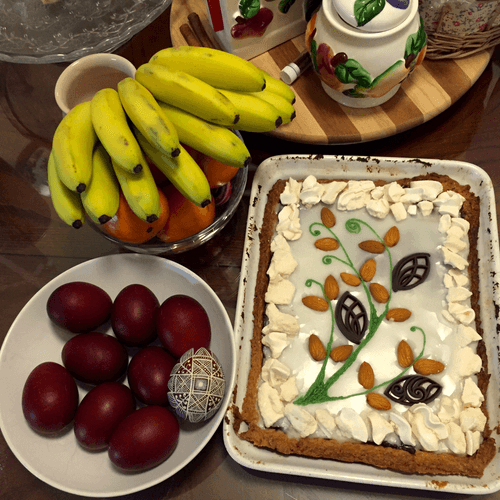
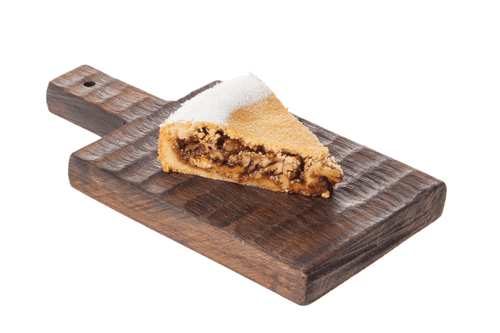
Mazurek is a traditional Polish Easter pie that is part of the country's cultural heritage. Its history dates back to the 17th century when Polish nobility introduced Eastern culinary motifs into local cuisine. This exquisite dessert has a rich flavor of buttery dough that harmoniously combines with delicate chocolate ganache and sweet lemon glaze. Special attention is given to decoration: patterns made from almonds, chocolate, and dried fruits make each mazurek unique. This pie not only pleases the eye but also symbolizes the joy of Easter, and its rich taste turns any festive tea party into a true delight.
12
8
80