













Recipe Catalog
No recipes contain all the words, showing recipes that match some of them
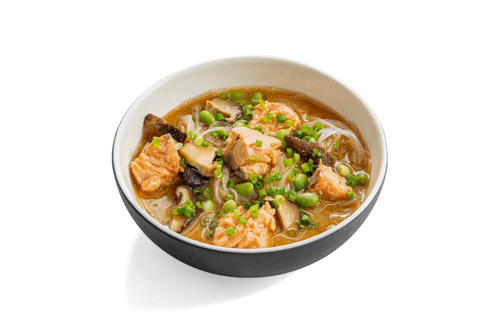
It is important to note that in Japan itself, miso soup is served without anything, that is, empty, and placed in a bowl on the edge of the table to be used as a "drinker" for other dishes during lunch. So this recipe , where mushrooms, salmon pieces, and green beans are added to the cold broth with miso paste, does not correspond to any Japanese canons. Rather, it can be considered an unexpected Japanese-Russian version of okroshka, which, unlike the totally brown miso broth, looks elegant due to the green-red contrast of the colors of the fillers included in it.
8
4
30

Teriyaki salmon with pak choi, miso soup, and ramen is the embodiment of Japanese culinary harmony. The dish combines the tender texture of salmon infused with aromatic teriyaki sauce with the light freshness of pak choi and the rich flavor of miso broth. Ramen absorbs the richness of flavors, creating a warm and hearty treat. Teriyaki, a traditional Japanese sauce, gives the fish a caramel sheen and subtle sweetness that perfectly complements the deep umami base of the broth. Bamboo shoots add crunchiness while green onions provide fresh zest. This dish is perfect for dinner when you want to warm up and enjoy a balance of flavors. Japanese cuisine is renowned for its delicate combinations, and this recipe is an excellent example of the skill in uniting ingredients into a single gastronomic masterpiece.
9
2
60
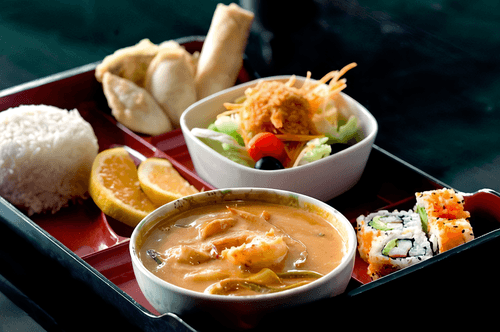
Miso soup with salmon and noodles is a refined dish of Japanese cuisine that embodies the harmony of flavors and traditions. Its roots trace back to ancient Japan, where miso paste was used as a base for nourishing and warming soups. The rich umami broth made from kombu seaweed and bonito flakes provides depth of flavor, while the tender salmon adds a light marine sweetness. Wakame seaweed adds a subtle salty note, and fresh green onions bring refreshing spiciness. Served with egg noodles, it makes the soup hearty and texturally diverse. This dish is perfect for quiet family dinners or enjoying traditional Japanese gastronomy any time of the year.
8
4
40
Cauliflower and bean miso soup is a modern interpretation of a classic Japanese dish that has nourished islanders for centuries. Its base is a fragrant dashi broth with delicate miso paste that imparts a rich, slightly nutty flavor. Cauliflower makes the soup light yet nutritious, while beans add pleasant texture and depth. This soup is perfect for cozy evenings and pairs harmoniously with traditional Japanese sides. It not only warms but also surprises with its balance of flavors – the umami of miso paste, the ocean freshness of seaweed, and the gentle sweetness of vegetables. Its simplicity makes it accessible even for beginners, while the benefits of its ingredients make it an excellent choice for balanced nutrition.
5
4
30
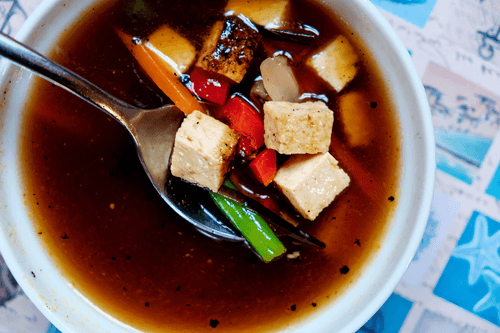
Chef of the capital's restaurant "Sakura Blossom" Hiroki Arakawa shared with the readers of Eda.ru a recipe for a real Japanese miso soup with salmon and tofu. One of the simplest, but at the same time incredibly tasty dishes in Japan. Everything is wonderful in this dish: from the aromatic and rich broth and silky pieces of tofu to the creamy and sweet salmon fillet. If you haven't tried this culinary masterpiece yet, don't waste your time!
7
4
60
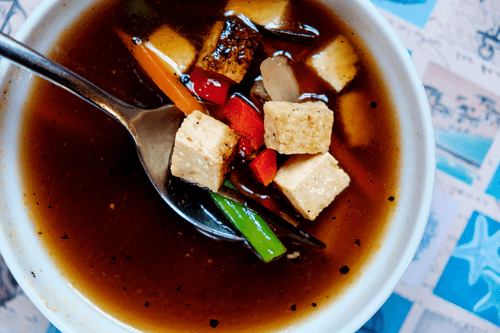
Recipe from the restaurant "Sakura blossom". Miso soup is not the traditional soup that Russians are used to. In Japan, miso soup is a broth that is poured over a hot dish. Miso soup contains a large amount of sodium and is rich in vitamins. The enzymes in the soup have an excellent effect on digestion and also help restore intestinal microflora.
11
4
30
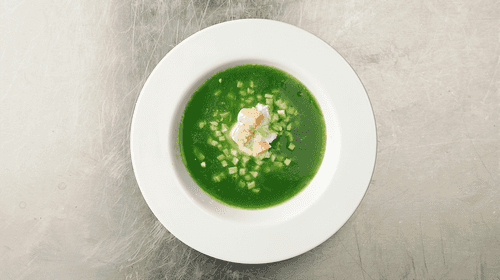
Salmon and cucumber are true friends whose relationship has been formed over the years. To make the soup gain weight, a little cottage cheese is added to it.
7
1
30
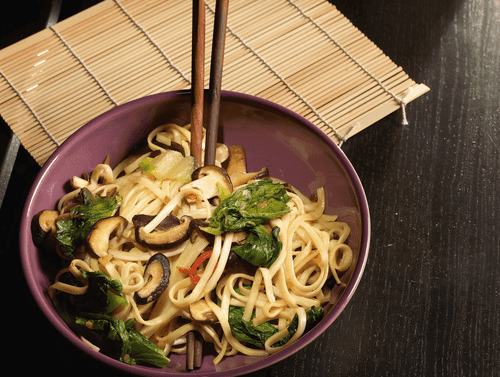
Egg wheat noodles with shiitake mushrooms, miso, and sautéed salad are the essence of Japanese cuisine, combining deep umami notes with the bright freshness of vegetables. Miso gives the dish a rich, slightly sweet-salty flavor; shiitake mushrooms add earthy depth; and crispy bok choy brings freshness and textural variety. The noodles absorb the aromas of soy sauce, garlic, and ginger, becoming truly fragrant and appetizing. This dish is perfect for a warm family dinner or heartfelt gatherings with friends. It can be served on its own or complemented with a soft-boiled egg and sesame seeds for an even richer taste. It cooks quickly and leaves a lasting impression.
11
4
15
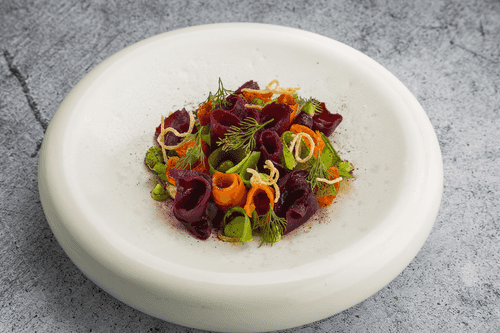
Recipe by Victor Beley, brand chef of the Uhvat restaurant.
14
1
60

Miso and sake marinated salmon is a refined dish of Japanese cuisine, combining the rich umami flavor of miso paste with subtle hints of mirin sweetness and deep notes of sake. This cooking method allows the fish to absorb all the marinade's aromas, becoming incredibly tender and juicy. After baking and lightly browning on the grill, the salmon develops an appetizing caramelized crust that pairs beautifully with its soft texture inside. The dish can be served with rice, fresh vegetables, or light pickled sides for a harmonious and balanced taste.
6
2
25
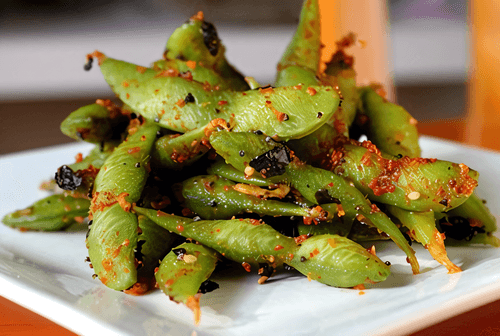
Edamame beans in spicy sauce is a dish that embodies the harmony of Japanese cuisine, where simplicity meets rich flavor. Historically, edamame is young soybeans popular in Japan as a snack with sake. In this recipe, tender beans gain spiciness from garlic, chili pepper, and soy sauce. Stir-fried in sesame oil, they absorb its nutty aroma, while a pinch of sugar adds a light caramel note. The first serving option with coarse sea salt reveals the natural sweetness of the beans, while the second option with spicy sauce makes the dish rich and exotic. It's the perfect appetizer for a Japanese-style evening, complemented by a cup of green tea or a glass of chilled beer.
7
2
15
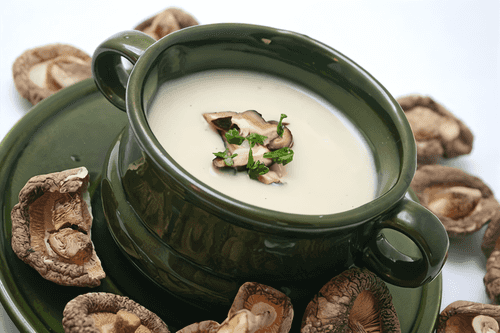
Egg soup made from shiitake mushrooms is an exquisite dish of Japanese cuisine that combines sophistication and depth of traditional flavors. This soup represents a harmony of the sea aroma of seaweed, delicate notes of bonito tuna, and the rich taste of shiitake softened by the velvety texture of egg swirl. Soy sauce and sake add a subtle spiciness, making the flavor complex and multifaceted. Historically, such soups emerged as part of simple yet nourishing Japanese gastronomy where every detail plays a role in balancing flavors. This dish is perfect as a light dinner or warming lunch, restoring strength and filling the body with warmth. Serving with herbs completes the culinary masterpiece with freshness and aroma, creating true delight for lovers of Japanese cuisine.
8
4
15
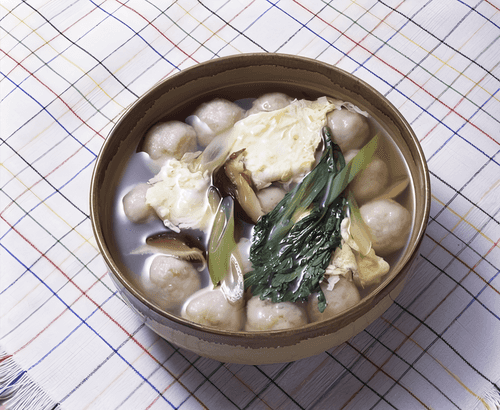
Fish ball and shiitake mushroom soup is a true embodiment of Japanese gastronomy, where simplicity meets sophistication. The roots of this dish trace back to traditional Japanese fish soups enriched with the aromas of sea and earth. Tender sardine balls soaked in white wine and corn flour acquire a rich flavor thanks to miso paste and bonito tuna flakes. Shiitake mushrooms add depth to the soup, filling it with woody and smoky notes, while leeks finish the composition with a light freshness. This soup warms and satisfies, making it perfect as a light main dish or cozy dinner on cool days. It pairs harmoniously with a cup of hot green tea and a couple of rice balls called onigiri.
13
4
40
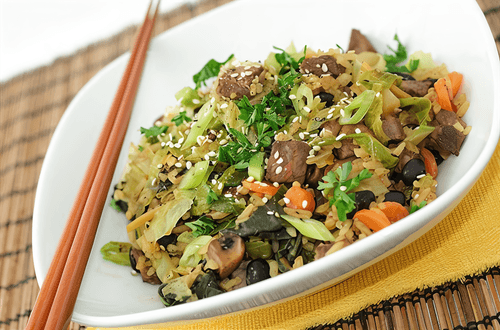
Fried rice with vegetables, soy sauce, miso soup, and pickles is a harmony of flavors in Japanese cuisine. The dish combines tender rice, sautéed mushrooms, tofu, crunchy mini corn, and peas to create a rich texture. Light soy sauce adds zest while airy pieces of egg contribute softness. Miso soup complements the meal with the depth of traditional flavor and pickles refresh with a slight tanginess. This dish reflects the philosophy of Japanese cuisine – a balance of simplicity and sophistication, an ideal blend of umami, sweetness, and freshness. It can be served as a standalone light dish or as part of a full meal. The aroma of sautéed ingredients, creaminess of tofu, and richness of miso make it cozy and warming any time of the year.
12
2
60
Korean miso soup with rice balls is a harmony of flavors and traditions. This soup embodies the depth of fermented miso paste, the tenderness of tofu, and the freshness of vegetables. Its history roots in Korean cuisine, where the balance of flavor nuances plays a key role. Rice balls infused with sesame oil and spices complement the rich broth, creating a wonderful combination of textures. This soup not only warms but also nourishes, making it perfect for cozy evenings. The spiciness of red pepper paste adds a zesty note while herbs provide freshness. With a variety of ingredients, it becomes a versatile dish that can be tailored to personal preferences by adding different vegetables or mushrooms. It's not just soup—it's culinary art filled with flavor and tradition.
12
2
30