







Turkmen cuisine
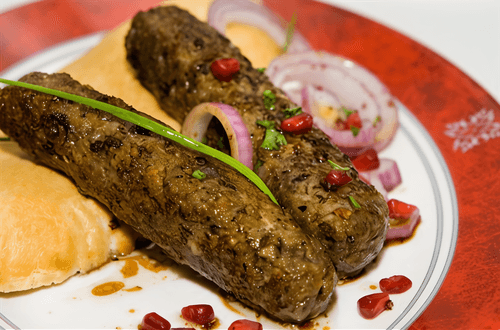
Lula kebab at home embodies the culinary traditions of Turkmen cuisine, combining simplicity with exquisite spice aromas. Historically, lula kebab is a favorite dish of the nomadic peoples of Central Asia, where spiced meat was cooked over an open fire. In the home version, minced meat is thoroughly mixed with cumin, khmeli-suneli and other spices, then shaped onto wooden skewers and fried in a pan. The crispy crust, juicy meat and subtle spice aroma create a unique taste, while pickled onions and fresh herbs add a refreshing touch. Lula kebab pairs perfectly with thin flatbreads, fresh vegetables and spicy sauces, making it an excellent choice for friendly gatherings and family lunches.
12
4
30
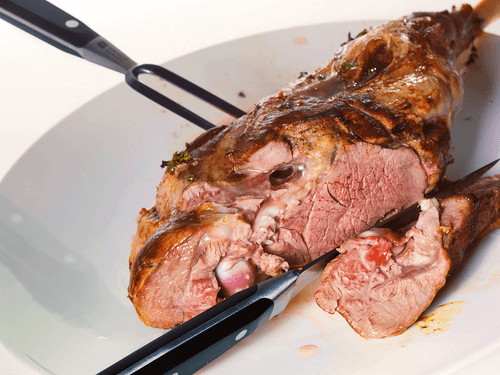
Lamb has a couple of gastronomic suckers, without which it is unthinkable, almost like a shark without pilot fish. They, plus the balsamic vinegar that has joined them, are the basis of this plot. 45 minutes is rare lamb, pink on the cut. 60 minutes is medium, pink color, turning into gray-brown. Another 10 minutes - and exclusively gray-brown color. However, the timing depends greatly on the capabilities of a particular oven and the size of the leg. So there may be discrepancies - by several minutes.
13
6
60
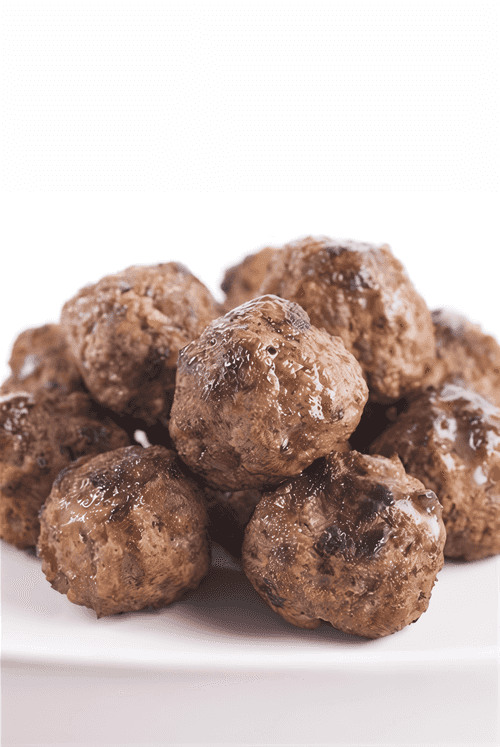
Eastern-style meatballs are a refined dish of Turkmen cuisine that combines the rich aromas of the East. Its origins date back centuries when meat dishes with nuts and spices were valued for their nutrition and exquisite taste. Juicy beef meatballs with walnuts infused with garlic and ginger aroma have a tender texture and rich flavor. The golden crust created during frying provides an appetizing contrast to the softness inside. The finishing touch is a spicy sauce made from soy sauce, vinegar, and tomato paste that adds a slight tanginess and depth of flavor to the dish. These meatballs are perfect for festive feasts as well as cozy family dinners, delighting guests with their rich flavor palette.
10
4
35
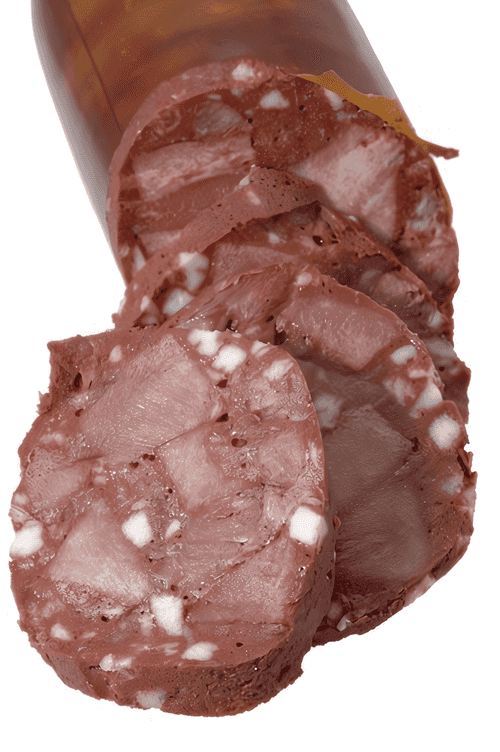
Kazy is a traditional sausage made from horse meat and an important part of Turkmen cuisine. This delicacy has deep historical roots as horse meat played a key role in the diet of nomadic peoples. The taste of kazy is rich and aromatic with pronounced notes of cumin and pepper, while the texture is dense with a pleasant firmness. There are various cooking methods: it can be boiled, dried or smoked depending on preferences. Dried kazy has a deep, concentrated flavor; smoked kazy acquires spicy notes; and boiled kazy retains the juiciness of the meat. Kazy is served at festive tables, embellishing national dishes and highlighting the gastronomic richness of Turkmen cuisine. It can be eaten as a standalone dish sliced thinly or used in meat assortments.
6
6
180
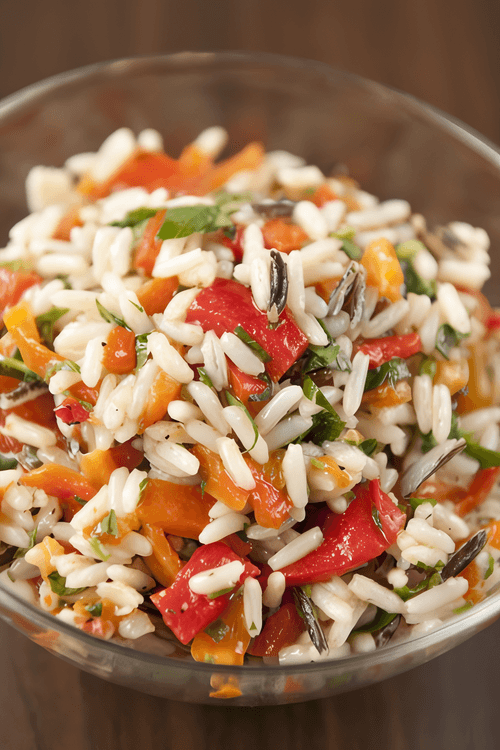
Pilaf with pumpkin, red peppers, and roasted pumpkin seeds is a refined dish of Turkmen cuisine that embodies the harmony of flavors and textures. The pumpkin adds a gentle sweetness to the pilaf, contrasting with the spiciness of bay leaves and the zest of red pepper. Lightly sautéing the vegetables enhances their aroma, while long-grain rice absorbs the rich juices, creating a vibrant palette of flavors. Crunchy roasted pumpkin seeds add unique textural depth, making each spoonful of this dish special. Historically, pilaf holds a central place in Central Asian cuisines, and this version pays homage to traditions with a touch of modernity. Perfect for a cozy family dinner or festive gathering, this pilaf not only warms but also delights with its rich flavor nuances.
10
6
50
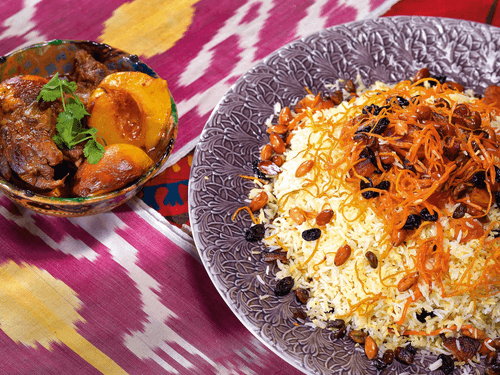
Iranian pilaf is a refined dish of Turkmen cuisine that combines the rich flavors of Eastern spices, dried fruits, and nuts. The origins of the recipe date back centuries when it adorned festive tables and symbolized hospitality. The softness of saffron rice, the richness of lamb, and caramelized dried fruits create a delightful balance of sweet and spicy. Peaches add a delicate tartness that harmonizes with the aromatic kharash sauce. The bread at the bottom of the pot forms a crispy crust by absorbing ghee, turning into a true delicacy. This pilaf is not only nutritious but also aesthetic—the golden hues of saffron and vibrant colors of dried fruits make it worthy of a royal table. Traditionally served with fragrant Eastern teas to enhance flavor and highlight the dish's rich history.
21
12
120
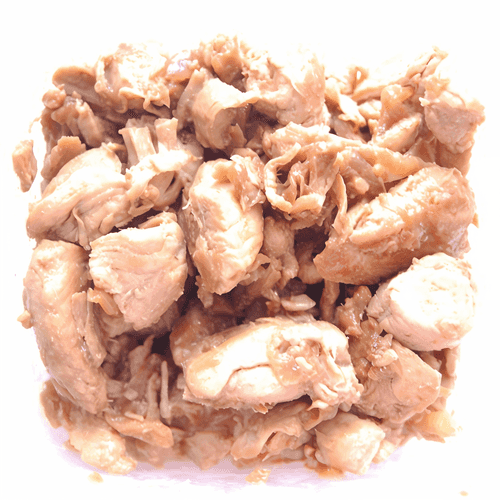
Eastern-style chicken with honey and ginger is an embodiment of the aromas and flavors of Turkmen cuisine, combining the tenderness of chicken meat, the spiciness of ginger, and the sweetness of honey. This dish evokes ancient caravan routes where traders exchanged spices and cooking secrets. Lemon juice and soy sauce give the chicken a rich flavor with a slight tanginess, while white pepper adds zest. It cooks quickly while preserving the juiciness of the meat and allowing the ingredients to reveal their best qualities. It pairs perfectly with rice or flatbreads, making the meal special. It's not just food; it's a journey into a world of exotic flavors and aromas that brings warmth and comfort.
10
3
15

Eastern-style rice is a fragrant and delicate dish of Turkmen cuisine that captivates with its blend of spices and textures. Basmati infused with coriander, cumin, cinnamon, and turmeric transforms into a golden, soft base with Eastern notes. The cooking method resembles risotto: gradually adding water makes the rice tender without turning it into mush. Raisins add a light sweetness to the dish while fresh parsley brings freshness and a vibrant aroma. This dish embodies Turkmen culinary traditions where simple ingredients create a rich and harmonious flavor. It can be served as a standalone dish or as a side to meat and vegetables, with spices making it particularly warming. Eastern-style rice is an ideal choice for lovers of Eastern cuisine and those who enjoy the balance of spicy, sweet, and fresh flavors.
9
2
90
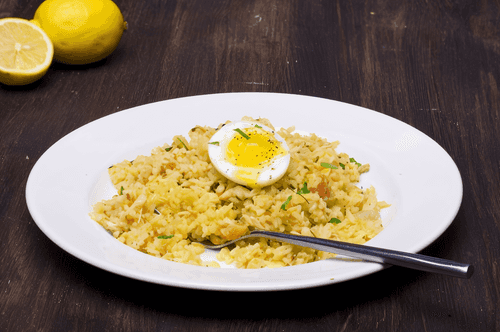
Fish pilaf is a jewel of Turkmen cuisine, combining a delicate balance of aromatic spices, the rich flavor of red fish, and the tenderness of long-grain rice. This dish embodies the traditions of the steppes and the shores of the Caspian Sea, where fish plays an important role in the diet. Prepared with butter and olive oil, the pilaf is infused with warm notes of turmeric and coriander, creating a harmonious taste. Juicy tomatoes and fresh herbs add lightness, while lemon juice provides a subtle tanginess. The fish pilaf features a soft texture: when mixed, the fish becomes part of the dish itself, blending perfectly with the rice. It is served with a soft-boiled egg to complete the composition. Perfect for both festive tables and cozy family dinners, it brings warmth and richness to Turkmen traditions.
15
4
50
Turkmen pilaf is a dish steeped in history and national traditions. Its roots go back centuries when the nomadic peoples of Turkmenistan prepared hearty and nutritious meals from available ingredients. Lamb, juicy carrots, and aromatic garlic create a rich flavor, while properly cooked rice becomes tender and fluffy. All ingredients are simmered in a kazan, enriching the pilaf with the rich juices of meat and vegetables. The special cooking technique preserves the natural texture of the products, while the long simmering process reveals all flavor nuances. Turkmen pilaf is perfect for festive tables, family lunches, and celebrations, filling homes with warmth and hospitality. This dish not only satisfies hunger but also brings people together at a common table, becoming a symbol of friendship and traditions.
8
8
60
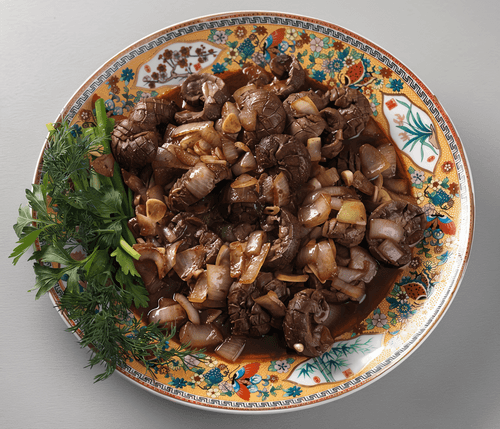
Kuurdak is one of the oldest dishes of Turkmen cuisine, infused with the aromas of the steppe and nomadic traditions. It is a rich and hearty stew made from meat and offal, fried in lamb fat and stewed with vegetables and spices. The flavor palette is surprising: the tenderness of liver, richness of heart and lungs, juiciness of meat, spiciness of seasonings, and freshness of greens create harmony. Kuurdak not only delights with its taste but also warms the soul and provides strength. It is traditionally served with baursaks and hot soup, completing the meal. This dish reflects Turkmen hospitality and love for simple yet profound cuisine where every note of flavor conveys the spirit of ancestors and traditions of steppe life.
16
6
120
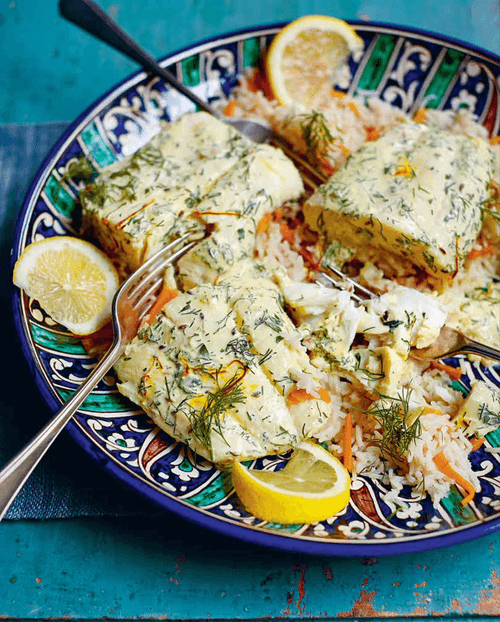
Pilaf with fish and saffron is a refined dish of Turkmen cuisine that embodies the harmony of aromas and flavors. Its origin is linked to coastal areas where fish has always been an important part of the diet. The dish impresses with its tenderness: sturgeon soaked in saffron and sour cream sauce literally melts in the mouth. Fragrant spices, parsley, and dill add freshness to the food, while lemon juice adds a light tanginess. Golden basmati, infused with the aroma of sesame oil and vegetables, makes this dish incredibly rich and cozy. The presentation of pilaf turns the meal into a special ritual – it is perfect for festive gatherings as well as heartfelt family dinners. It is enjoyed with pleasure, savoring the richness of texture and depth of flavor.
14
4
60