









Kazakh cuisine
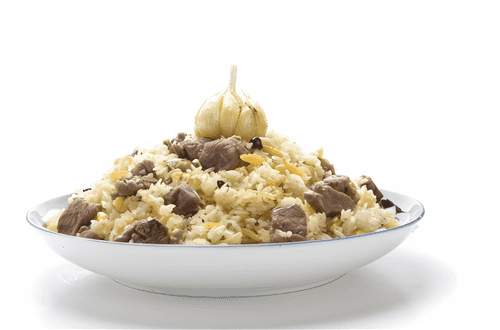
Lamb pilaf is a soulful dish of Kazakh cuisine that reflects the hospitality of the steppe people. Its roots go back to ancient times when nomads prepared hearty meals to regain strength after long journeys. The aroma of fried onions and lamb simmered with pomegranate seeds creates a rich flavor with a slight tanginess. The washed rice absorbs the meat juices, becoming fluffy and tender. The dish is not only nutritious but also symbolic—it is often prepared for celebrations and large family gatherings, bringing people together at one table. The finished pilaf is served with pieces of juicy meat generously soaked in stewing juices, creating a perfect balance of flavors. This dish is an aromatic journey into the heart of Kazakh traditions, where each spoonful is filled with history and warmth.
5
4
30
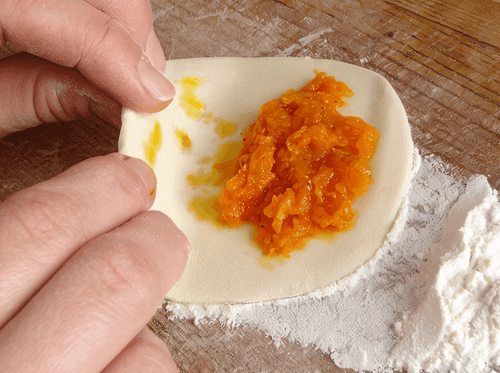
Kazakh manti with pumpkin is a unique blend of steppe cuisine traditions and gentle autumn flavors. Manti, one of the most popular dishes in Kazakh gastronomy, is usually made with meat filling, but adding pumpkin makes them especially juicy and gives a light sweetness. Historically, manti came to Kazakhstan from Central Asia and became an integral part of the national table. They are served with melted butter or sour cream and sometimes complemented with spicy sauces. The thin dough infused with the aroma of meat and pumpkin reveals the rich flavor of each ingredient. This dish is perfect for family gatherings, symbolizing the warmth of home and the hospitality of the Kazakh people.
11
4
30
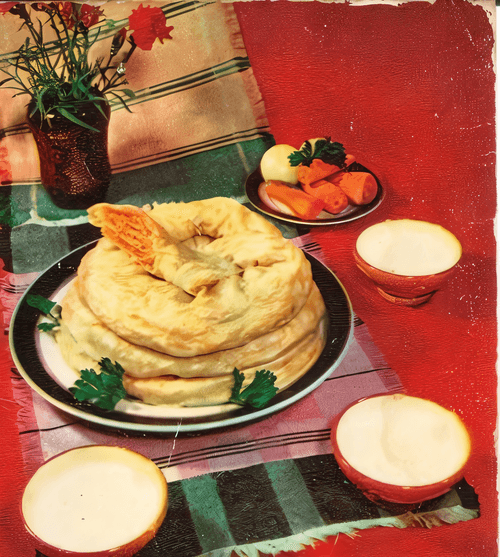
Zhuta is a traditional dish of Kazakh cuisine that combines the delicate taste of pumpkin, sweet notes, and the softness of dough. This dish resembles manti but has its unique feature — it is prepared in the form of a roll infused with the aroma of butter. Historically, zhuta originated in the steppes of Kazakhstan as a way to prepare a hearty and nutritious treat for nomads. Steaming makes it light and healthy, while the pumpkin filling adds a sweet touch that pairs perfectly with the soft dough. Zhuta can be served as a main dish or as a hearty snack, and the added sugar makes it versatile — the recipe can be adapted to create a sweet version, turning it into a dessert variation.
6
4
30
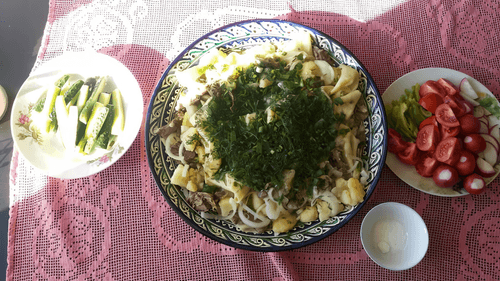
Beshbarmak is the soul of Kazakh cuisine and a true embodiment of steppe hospitality. The name of the dish translates to 'five fingers' as it is traditionally eaten with hands. It is a hearty and aromatic dish made from boiled horse meat, lamb, and traditional noodles soaked in rich broth. Tender slices of meat are combined with soft layers of dough, while fresh herbs and onions add zest. The origins of beshbarmak date back to ancient times when nomads prepared it during large gatherings and celebrations. Today it is served at family feasts and ceremonial events, symbolizing unity and hospitality. The rich flavor of the meat broth warms the soul, while the delicate texture of the noodles and meat provides true enjoyment. Beshbarmak is not just food; it is a ritual, a tradition, and a symbol of Kazakh heritage.
12
8
180
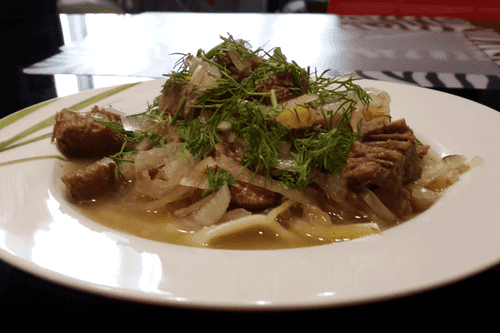
Beshbarmak is the soul of Kazakh cuisine, a dish symbolizing hospitality and the traditions of the steppe people. Its name translates to 'five fingers', reflecting how it is eaten — by hand, among family and friends. The base consists of tender horse meat slow-cooked in aromatic broth and thinly rolled dough sheets infused with meat flavor. Onions added at the end provide zest, while herbs add freshness. Beshbarmak is not just food; it is a ceremonial dish served at festive events and celebrations. It nourishes the body and warms the soul, reminding one of the endless steppes of Kazakhstan and ancestral traditions.
8
12
150
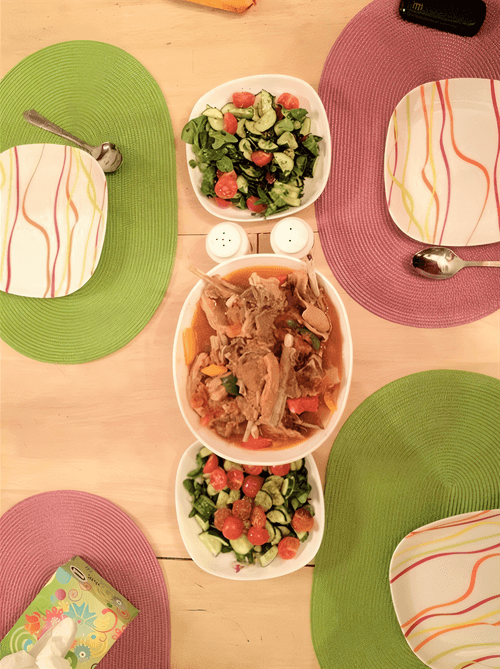
Beshbarmak is a delicious dish of Kazakh cuisine that combines the rich flavor of juicy lamb, tender noodles, and the aroma of fresh vegetables. The origins of this dish trace back to nomadic traditions where meat was cooked with minimal water to preserve its rich taste. Fried meat on the bone, stewed in its own juice with onions, tomatoes, and sweet peppers acquires a deep aroma, while garlic and spices add zest. The broth-soaked noodles become the perfect complement, making the dish especially hearty and comforting. Beshbarmak is served on large flat dishes, traditionally gathering the family around one table. It is eaten by hand, enjoying each bite that carries the warmth of the hospitable steppe and the culinary heritage of a great people.
9
6
150
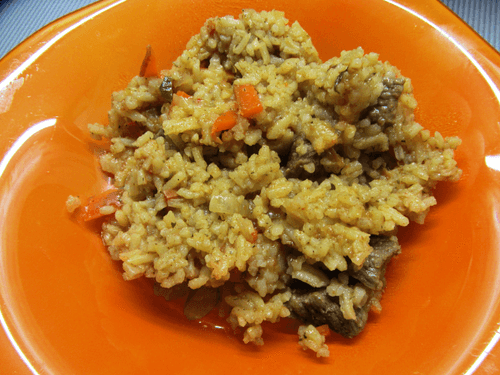
KAMIS pilaf is the quintessence of Kazakh cuisine, infused with the spirit of the steppes and traditions. It is based on tender meat, juicy vegetables, and aromatic spices that create a rich, deep flavor. Originally considered a festive dish served at special celebrations symbolizing abundance and hospitality. This version combines the classic technique of frying meat and vegetables with slow-cooked rice that absorbs all the richness of flavors. The pilaf turns out fluffy with a light spicy aroma and rich meat notes. Ideal for family dinners or festive gatherings where everyone can enjoy its heartiness and cozy warmth. Served hot, preferably with sour accompaniments like pickled vegetables or fresh herbs to enhance its richness.
8
4
60
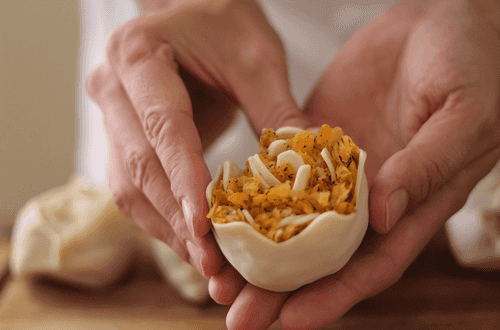
Pumpkin manti is a refined dish of Kazakh cuisine filled with the warmth of home. Its roots trace back to the traditions of making manti, but the addition of pumpkin gives the filling tenderness and a light sweetness, perfectly complemented by aromatic Provencal herbs. Onion adds juiciness, while bacon and fat enrich the flavor. Wrapped in thin dough, manti become tender and juicy after cooking. The dish is enhanced by suluguni cheese that melts to create a soft texture and a harmonious balance of flavors. These manti are great for family dinners or festive gatherings where they will surprise guests with their unusual combination of ingredients and unforgettable taste.
7
5
30
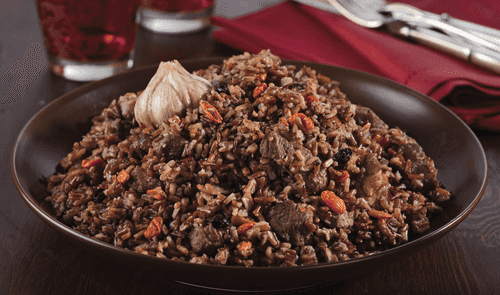
Lamb pilaf with goji berries is a luxurious dish of Kazakh cuisine that combines ancient traditions with modern notes. The devzira rice soaked in the aromas of cumin, spices, and slow-cooked meat gains a rich flavor, while goji berries add a subtle sweet tang and fresh nuances. The lamb, tenderly cooked in its own juice with onions and carrots, becomes soft and juicy, perfectly complementing the texture of the rice. Barberry and cayenne pepper bring spiciness, while garlic adds depth to the dish's flavor. This pilaf is not just food but a true gastronomic symphony that unites Eastern traditions with exotic accents and is ideal for festive gatherings where every detail matters. It is best served hot, garnished with herbs and leaving garlic heads for true gourmets.
14
6
180

Kazakh salad 'Asem' is a simple and elegant dish reflecting the traditions of Kazakh cuisine. Its base is tender boiled beef, sliced thinly, which harmoniously combines with fresh tomatoes and cucumbers. The light spiciness of black pepper and the aroma of chopped cilantro give the salad a distinctive flavor. This salad stands out for its freshness and nutritional value, making it ideal for a light dinner or festive table. Kazakh cuisine is famous for its combination of meat and fresh vegetables, and 'Asem' embodies this tradition by highlighting the natural taste of the ingredients. The dish can be served as an independent appetizer or alongside traditional Kazakh flatbreads. Its restrained yet rich flavor makes it a versatile addition to any meal.
6
4
10
Syrne is a traditional dish of Kazakh cuisine filled with the aromas of the steppe and Eastern colors. Its roots go back centuries when nomads cooked meat in closed cauldrons to achieve tenderness and rich flavor. Syrne is a harmony of tender lamb soaked in a spicy marinade of cream and garlic, slow-cooked to perfect juiciness. Light caramelization of vegetables adds extra sweetness and depth of flavor to the dish. It is served with greens, creating a bright and appetizing appearance. Syrne is not just food; it is a true immersion into Kazakhstan's gastronomic heritage, where every note of flavor tells the story of the steppe people and their hospitality.
8
6
375
Potato soup is a traditional dish of Kazakh cuisine, rich in the aromas of fried vegetables and tender potatoes. It reflects the philosophy of Kazakh gastronomy, where each ingredient plays an important role in creating a harmonious taste. Eggplants provide a delicate texture, while soy sauce adds a spicy note. This dish is often cooked in a kazan, making it especially cozy and homely. Potato soup is perfect for family lunches, offering warmth and richness. A special feature is the subtle balance of spices: garlic, bay leaf, and black pepper create a rich flavor palette. It is not just food but a ritual that connects traditions with a modern approach to cooking.
11
4
60
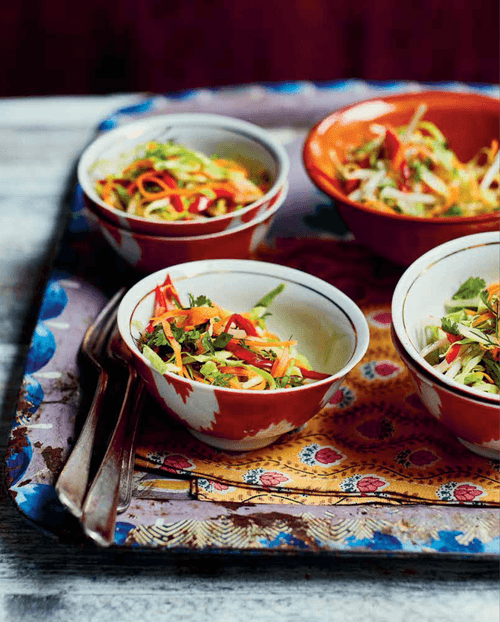
Salted cabbage in Kazakh style is a bright and spicy salad that reflects the soul of Kazakh cuisine. Its roots go back to the traditions of preserving vegetables, ensuring their freshness and rich flavor year-round. Cabbage soaked in salt and sugar becomes crispy and juicy, while carrots add natural sweetness. Spicy chili pepper adds a piquant note, and bean sprouts provide freshness. Dressed with rice vinegar and aromatic herbs, this salad has a balanced taste—refreshing, spicy, and slightly sour. It pairs perfectly with meat dishes and kazy but can also serve as an appetizer that awakens the appetite. Easy to prepare yet rich in flavor, this salad is an excellent example of the harmony of tastes in Kazakh cuisine.
9
4
25
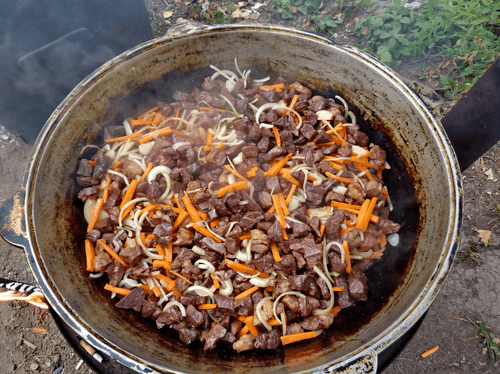
Kuyrdak is one of the traditional dishes of Kazakh cuisine with ancient roots. Hearty and aromatic, it is made from lamb and offal fried in tail fat with vegetables. In the past, it was served immediately after slaughtering livestock to use the freshest ingredients. The taste of kuyrdak is rich and meaty, with a slight spiciness from garlic and spices. Vegetables add juiciness, while potatoes give the dish softness and nourishment. Kuyrdak is traditionally eaten hot among family, complemented by fresh flatbreads and greens. This dish symbolizes the hospitality of the Kazakh people.
15
6
60