












Red grape juice

A deep purple-red dark grape juice as a non-alcoholic replacement for red wine in sauces and marinades.
Red grape juice is a deep purple-red juice of dark grapes, sweet, with a fruity tannic taste and anthocyanins that give colour. It is drunk, used as a non-alcoholic replacement for red wine in sauces for meat and game, marinades and braising, in compotes, jelly, sorbets, sponge soaking syrups and children's drinks.
Calories, proteins, fats and carbohydrates per 100 g of product
Red grape juice, Raw: Calories 60.0 kcal, Proteins 0.4 grams, Fats 0.1 grams, Carbohydrates 14.8 grams per 100 g of product.
Recipes with this ingredient
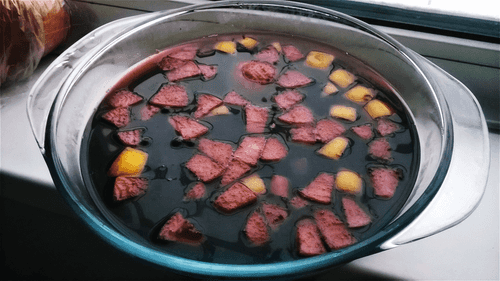
Non-alcoholic mulled wine is a cozy drink that warms the soul and heart, especially on cold winter evenings. This version of mulled wine features the rich flavor of red grape juice enriched with the aroma of apples, pears, and spices. The history of this drink begins in Europe, where traditional mulled wine was made from wine. However, the desire to create a non-alcoholic alternative led to the emergence of this wonderful drink that can even be confidently offered to children. Ginger adds a slight spiciness to it, while cinnamon and nutmeg provide cozy warm notes. This mulled wine is perfect for festive evenings, family gatherings, or simply enjoying the moment with a mug of aromatic drink in hand.
9
4
30
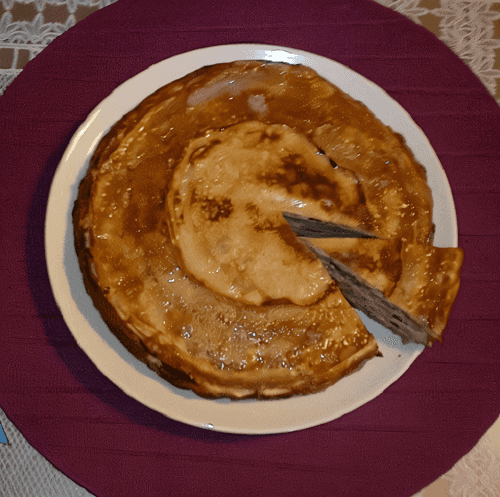
Grape juice sabayon sauce pancake cake is an exquisite delicacy of French cuisine, where thin pancakes are layered and soaked in an airy cream made from egg yolks and fragrant grape juice. Sabayon is a traditional dessert sauce that adds elegant sweetness with subtle citrus notes to this dish. Lemon zest enhances the freshness of the flavor, while the softness of the pancakes harmonizes with the velvety texture of the sauce. This cake is perfect for festive dinners and romantic evenings, impressing with its tenderness and refined taste. Inspired by French pastry traditions, it showcases the art of culinary balance between lightness, sweetness, and fruity freshness, turning a simple pancake into a true gastronomic masterpiece.
7
8
180
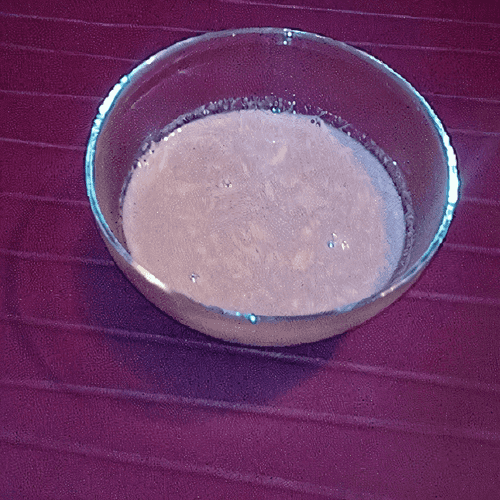
Sabayon is an exquisite Italian dessert sauce with roots in Renaissance cuisine. Its delicate velvety texture and rich creamy-fruity flavor make it an ideal accompaniment for fruits, pastries, and ice cream. In this version, the sauce gains a refined sweet-sour note from red grape juice and lemon, while whipped egg yolks add airiness. Sabayon is used not only as a standalone dessert but also as an addition to biscuits and mousses. Its warm, slightly thick consistency makes each spoonful incredibly rich, revealing the richness of grape aroma with citrus undertones. In Italy, it is traditionally served with savoiardi cookies or fresh berries, enjoying the softness of flavor and refined sweetness.
5
10
120
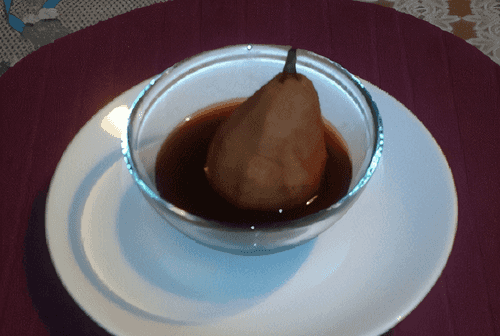
Pears poached in grape juice are a refined dessert of European cuisine, combining the tenderness of the fruit with the depth of spicy flavors. This recipe is rooted in the tradition of preparing fruits in aromatic syrups, valued for their ability to reveal new taste dimensions. Pears soaked in rich red grape juice acquire not only a vibrant color but also a sophisticated blend of sweetness and light acidity, complemented by hints of cinnamon and nutmeg. The dish is perfect for a cozy dinner or festive table, served either as a standalone dessert or alongside creamy ice cream. Its simplicity makes it accessible even for beginners, while its elegant presentation turns it into a true gastronomic gem.
5
3
60
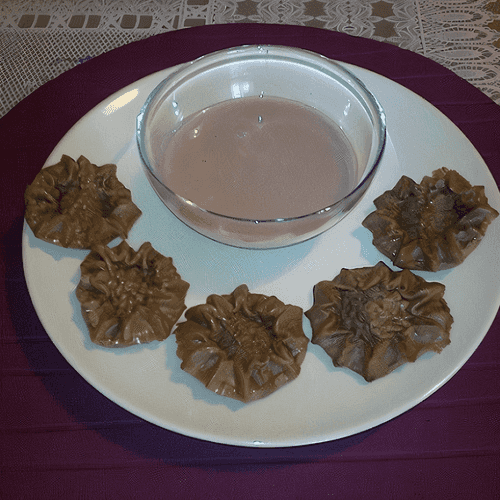
MuskO biscuit cookies are a refined blend of nutmeg, cinnamon, and cocoa aromas encased in delicate dough. This dessert originated in Italian cuisine and pairs wonderfully with Sabayon sauce made from grape juice—velvety, rich, and slightly tart. The airily baked cookie absorbs the fruity notes of the sauce, creating a harmony of flavors. The Sabayon, made from egg yolks and red grape juice, has a sophisticated tang and silky texture. This treat is perfect for special occasions, romantic dinners, or leisurely Sunday tea times. Each bite carries the warmth of traditions and the craftsmanship of Italian pastry chefs.
10
7
180

Churchkhela with walnuts is a traditional Georgian sweet originating from the ancient culinary traditions of the Caucasus. This dessert delights not only with its taste but also carries a rich history. It is made from natural ingredients: nuts strung on threads and grape juice turned into a thick mass. Walnuts give churchkhela a rich, oily flavor while grape juice adds a pleasant tart sweetness. The jelly-like coating gently envelops the nuts, creating an amazing texture that is soft yet firm. Churchkhela is used not only as a dessert but also as a nutritious snack, especially during hikes. It is dried in the sun to allow the flavors to develop and after months of ripening acquires a thin sugary crust. It is not just a treat but part of Georgian culture where food connects generations.
4
12
655




















