











Dashi powder

A dry concentrate of Japanese stock with umami for miso soup, noodles and sauces.
Dashi powder is a dry concentrate of Japanese stock from kombu seaweed and bonito flakes with a strong umami. It is dissolved in hot water for miso soup, noodles, sauces, simmered dishes and dressings.
Recipes with this ingredient

It is important to note that in Japan itself, miso soup is served without anything, that is, empty, and placed in a bowl on the edge of the table to be used as a "drinker" for other dishes during lunch. So this recipe , where mushrooms, salmon pieces, and green beans are added to the cold broth with miso paste, does not correspond to any Japanese canons. Rather, it can be considered an unexpected Japanese-Russian version of okroshka, which, unlike the totally brown miso broth, looks elegant due to the green-red contrast of the colors of the fillers included in it.
8
4
30
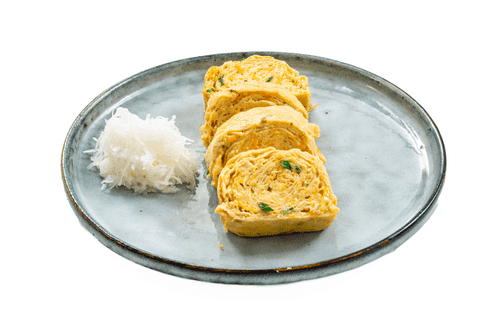
Tamago-yaki is a traditional Japanese omelet prepared in a special way. Its history dates back to the Edo period when Japanese chefs began experimenting with egg preparation. Unlike regular omelets, tamago-yaki is made by layering and rolling the egg mixture, giving it a unique texture – tender, airy yet firm. The flavor of this dish is rich and slightly sweet due to the addition of mirin and soy sauce. Carrots and green onions add freshness and a slight crunch, while dashi enhances the depth of flavor. Tamago-yaki is served cut into neat pieces, often with grated daikon that adds a refreshing spiciness. This dish is perfect as a standalone snack or as an accompaniment to a traditional Japanese breakfast.
9
2
15
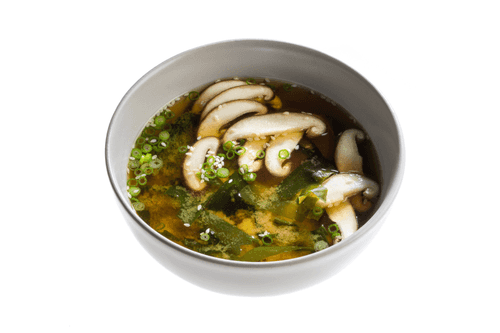
Miso soup is the true soul of Japanese cuisine, deeply rooted in the traditions and daily diet of the Land of the Rising Sun. Its history dates back to the Middle Ages when miso paste became an integral part of Japanese gastronomy. This soup has a rich umami flavor thanks to the combination of fermented miso paste, shiitake mushrooms, and aromatic dashi broth. Tender tofu cubes add softness to it, while wakame seaweed adds fresh ocean notes. Miso soup not only warms and nourishes but is also considered beneficial for digestion and maintaining balance in the body. Traditionally served at the beginning of a meal, it awakens appetite and sets the tone for the flavor harmony of Japanese cuisine.
12
4
30

One of the most popular fast foods in South Korea is twigim: vegetables, fruits, squid, crabs and other things in starch and batter, deep-fried. It is eaten with hands, dipping in sauce. We found a very good twigim in the Moscow restaurant K-grill, a new project by Alexander Kan and Iliodor Marach. And we asked its chef Dmitry Son to share the technology.
18
4
60

Gedza are Japanese fried dumplings. Compared to Russian dumplings, they are light, do not leave a feeling of heaviness, or strong satiety. They have relatively little dough (and it is very thin, weightless) and a lot of filling.
18
4
60

Okonomiyaki is a large cabbage pancake that the Japanese often make at home. This dish is sometimes called Japanese pizza because of its ease of preparation and the variety of possible fillings. Egg whites and cabbage are used as a base, and then you can add anything you like: ham, seafood, and vegetables. This is reflected in the name of the dish, which consists of two parts: "okonomi" - "what you like" or "what you want", and "yaki" - this is how fried dishes are called in Japanese . Traditionally, okonomiyaki is decorated with mayonnaise and okonomiyaki sauce and sprinkled with tuna shavings: from the streams of hot air coming from the okonomiyaki, it begins to move as if alive.
15
4
40

Tuna tartare with avocado is a refined dish of Italian cuisine that combines the freshness of seafood with the delicate texture of fruits. The origin of tartare is French gastronomy, but this version incorporates the best notes of Mediterranean flavor. Cold tuna fillet, juicy avocado, and sweet medlar create harmony in every spoonful, while a light dressing with dashi, lime, and truffle oil adds depth to the taste. Sesame and olive oils soften the textures, while cilantro adds fresh herbal notes. The dish is perfect for a light dinner or an exquisite appetizer. It is served chilled, garnished with greens and crispy sesame seeds for aesthetic appeal and flavor contrast.
15
1
40
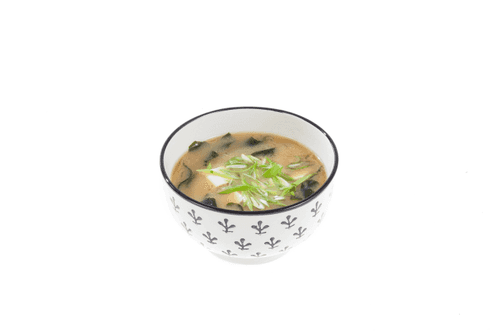
In Russian, it's just miso soup. A basic dish that has become a symbol of Japan no less than sushi. Just add water, grind and mix - that's the whole recipe in a nutshell. True, to make it, you'll need miso paste, dry broth and dashi, seaweed and tofu for dressing. Although, according to Japanese chef Kobayashi Katsuhiko, in Japan miso is served empty, since in a traditional waseku meal, miso plays the role of a drink rather than a soup. It is brought at the beginning of the meal, and during the meal, sip by sip, all other dishes are washed down with it to cleanse the taste buds and restore appetite. That's why you won't find mushrooms or shrimp in miso in Japan. All these additional ingredients have grown like shells to the bottom of a ship when the soup reached overseas Japanese restaurants . .
6
6
30

Miso soup without cooking is the perfect blend of simplicity and depth of flavor in Japanese cuisine. This recipe originated from the tradition of quickly preparing miso soup, which has been a staple of Japanese diet for centuries. The rich umami flavor is created by miso paste and dashi powder, while wakame seaweed adds a light ocean note to the soup. Tender tofu cubes add textural complexity, creating harmony in taste. The soup is ready in just a few minutes – simply mix the ingredients and let them steep under a lid. It’s perfect for a quick lunch or light dinner.
7
1
5

Miso soup with shrimp, wheat noodles, and wakame seaweed is a refined dish of Japanese cuisine that combines delicate marine flavors with the rich umami aroma of miso paste. This soup has roots in the ancient Japanese tradition of consuming miso that spans centuries. It harmoniously intertwines the sweetness of shrimp, the depth of dashi, and the light saltiness of wakame seaweed. Wheat noodles add heartiness while green onions refresh the taste. This soup is perfect for warming up on cool days and suits both a light lunch and an elegant dinner. Its soft, rich consistency provides true pleasure, and its healthy ingredients make it not only delicious but also nutritious. Each spoonful is a journey into the world of traditional Japanese gastronomy that reveals the subtleties of flavors and textures.
7
2
20