

- Categories
- Main courses (12806)
- Bakery and desserts (12068)
- Appetizers (5704)
- Salads (4899)
- Soups (3502)
- Drinks (2372)
- Breakfast (2278)
- Pasta and pizza (1930)
- Sauces and marinades (1410)
- Sandwiches (562)
- Risotto (313)
- Broths (106)
Yellow carrots
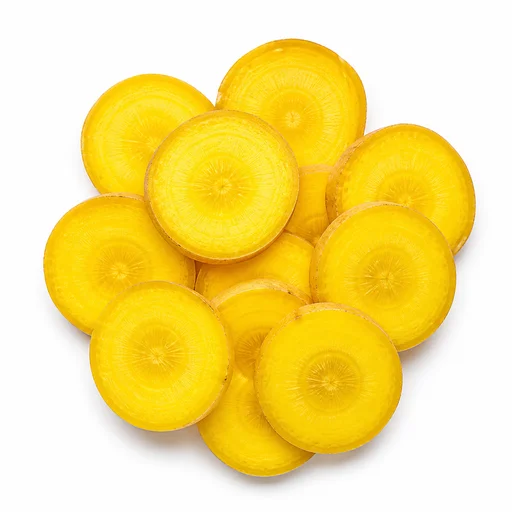
A root with golden-yellow flesh and a light spicy taste for salads, roasting and puree.
Yellow carrots are a root with golden-yellow flesh, less sweet and with a lighter, slightly spicy taste than orange, with less beta-carotene. They are eaten raw in salads, roasted, made into puree and cream soup, added to stews, pilaf and stocks, and used for a bright colour presentation alongside orange and purple.
Recipes with this ingredient
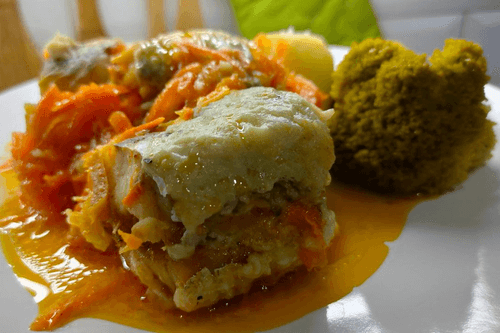
Pollock with carrots is a simple yet exquisite dish of European cuisine that combines tender fish fillet with the aroma of stewed carrots. Pollock, with its slightly sweet taste, pairs perfectly with the softness of vegetables and the mild acidity of tomato sauce. The history of such recipes dates back to traditional home cooking, where accessible ingredients were used to create nutritious and tasty dishes. Fish coated in flour acquires an appetizing golden crust, while carrots add sweetness and juiciness. Bay leaf and salt provide the finishing touches of spice to the dish. This dish is perfect for both family dinners and light lunches and can be served with a side like potatoes or rice to highlight the richness of flavors.
11
8
45
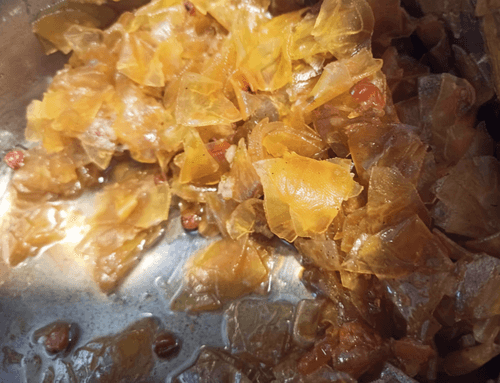
Carrot jam is a culinary find where sweetness, spiciness, and a hint of citrus acidity harmoniously intertwine. This recipe likely originates from traditional Eastern cuisines where carrots are used not only in savory dishes but also in desserts. The bright hue of the carrot, enhanced by caramelization, makes the jam resemble precious amber stones, while the addition of lemon, vanilla, and star anise gives it an exquisite depth of flavor. Red currants or sea buckthorn add a touch of piquant bitterness, making the jam particularly interesting. This delicacy can be served as a standalone dessert, added to baked goods or combined with cheese snacks to create unexpected gastronomic pairings. It is not just jam; it is true culinary art that can surprise even the most discerning gourmets.
8
2
120
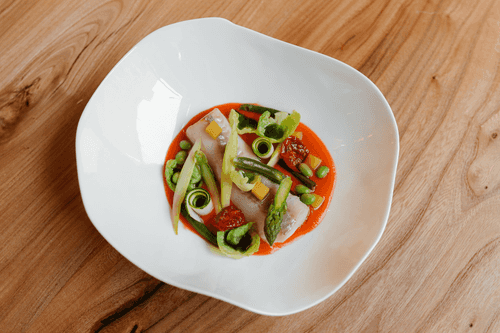
Chef of the Champ Bistro restaurant Arina Zhuravleva shared the recipe with us.
21
4
90
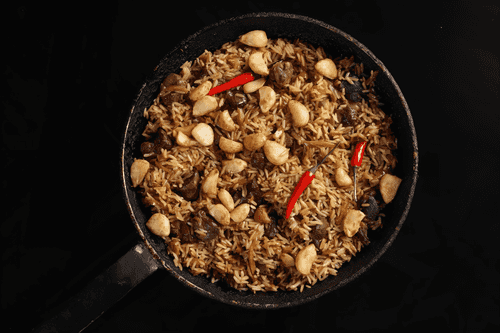
No matter how many times you have made pilaf in your life, no matter how much of a pro you are, this moment is still always very exciting - "opening the pilaf". "Opening the pilaf" is not just opening the lid over the cauldron. "Opening the pilaf " is always the discovery of something new and unknown, it is a mystery when from the aromatic steam you, opening the lid, again and again open for people a simple and at the same time complex miracle - the miracle of pilaf.
11
4
30
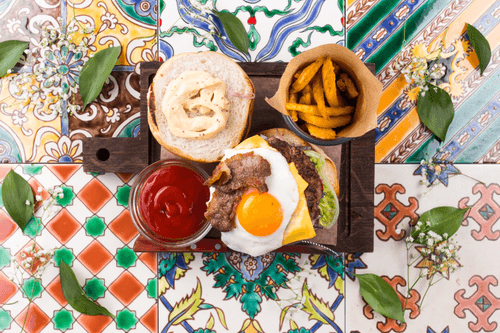
Burger No. 1 is a classic of American cuisine that combines rich meat, spicy and fresh flavors. Juicy marbled beef turns into a perfect patty, fried to a tender crust and topped with melted cheddar cheese. Crispy bacon, juicy tomato, pickles and red onion rings complete the flavor symphony. Coleslaw – a refreshing cabbage-carrot salad with spicy celery notes – adds lightness to the burger while mustard sauce adds zest. The burger is finished with a fluffy bun with a golden crust soaked in butter. A side of fries with ketchup makes the meal complete. This burger is not just food but a true culinary delight created for connoisseurs of rich flavors and textures.
23
2
40
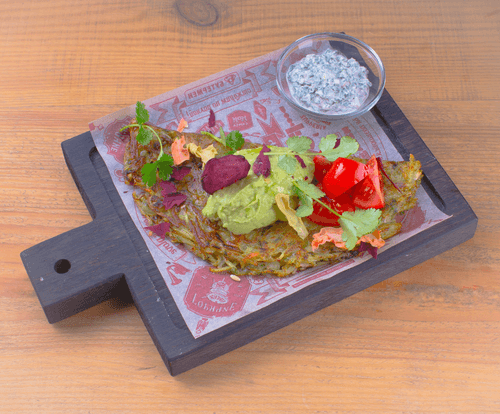
Lenten draniki with avocado paste is a delicate and aromatic dish inspired by Italian cuisine. The lightness of zucchini and potatoes, complemented by the freshness of dill and the spiciness of garlic, makes the draniki airy and crispy. The creamy avocado paste, with lemon juice and olive oil added, gives them a velvety taste with citrus notes. Vegetable chips made from beets and carrots add crunch and vibrant colors, while the 'salsa verde' sauce with herbs and sour cream finishes the composition with a light spiciness. This dish is perfect for those seeking harmony of flavors in a lenten version, and its stylish appearance makes it a decoration for any table.
21
2
60
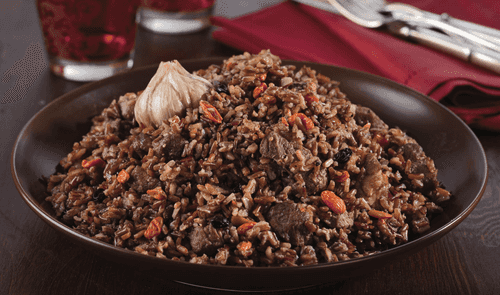
Lamb pilaf with goji berries is a luxurious dish of Kazakh cuisine that combines ancient traditions with modern notes. The devzira rice soaked in the aromas of cumin, spices, and slow-cooked meat gains a rich flavor, while goji berries add a subtle sweet tang and fresh nuances. The lamb, tenderly cooked in its own juice with onions and carrots, becomes soft and juicy, perfectly complementing the texture of the rice. Barberry and cayenne pepper bring spiciness, while garlic adds depth to the dish's flavor. This pilaf is not just food but a true gastronomic symphony that unites Eastern traditions with exotic accents and is ideal for festive gatherings where every detail matters. It is best served hot, garnished with herbs and leaving garlic heads for true gourmets.
14
6
180
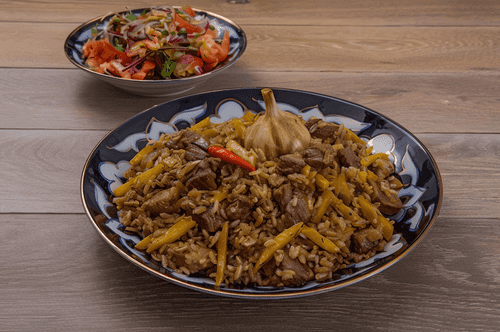
Fergana pilaf with achik-chuchuk is a true treasure of Uzbek cuisine, embodying centuries-old traditions and culinary mastery. This pilaf stands out with its rich, deep flavor thanks to lamb, aromatic cumin, and sweet yellow carrots. Rendered tail fat adds richness and a velvety texture to the dish, while the addition of garlic and chili pepper enriches it with spicy notes. It is customary to serve the pilaf with refreshing achik-chuchuk—a salad of juicy tomatoes, red onions, and greens that perfectly complements the rich flavors of the pilaf. This dish is more than just food; it symbolizes hospitality, the warmth of an Uzbek home, and the tradition of gathering around the table with family and friends.
13
4
60
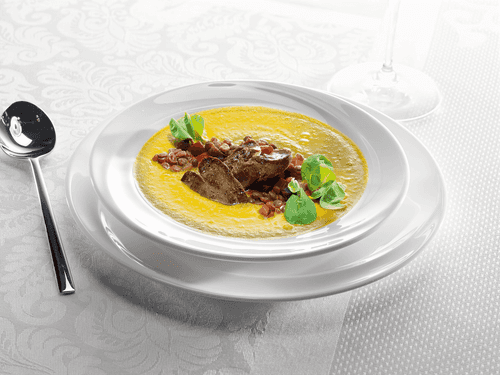
Carrot velouté soup with guinea fowl liver is an exquisite dish of French cuisine that combines the velvety texture of vegetable soup with the rich flavor of tender guinea fowl liver. Its roots trace back to haute cuisine traditions where a blend of aromatic spices, roasted vegetables, and tender meat pieces creates a harmony of flavors. Star anise and orange juice add subtle sweet-spicy notes to the soup, while lentils provide textural depth. This soup not only warms but also offers a true culinary journey, balancing the sweetness of carrots and beets with a creamy consistency. Served with a light green accent of corn salad, it is perfect for both cozy family dinners and elegant festive tables, impressing with its taste and execution elegance.
16
6
135
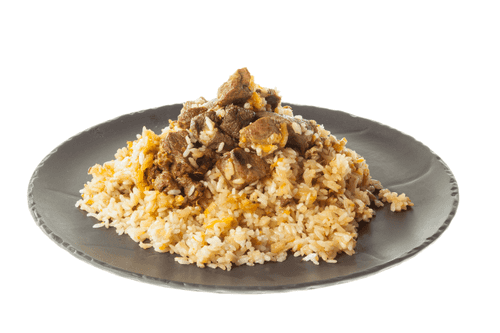
The most popular recipe for Uzbek pilaf, it is most often served in the capital of the sunny region - Tashkent. The Central Asian teahouse is not only a teahouse, but also a canteen where you can eat well, so the "Chaikhansky" pilaf.
10
15
180
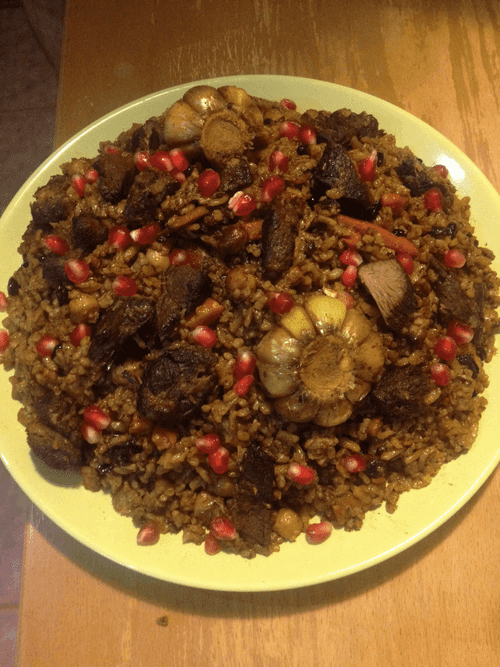
Uzbek pilaf with lamb and chickpeas is a true culinary art that embodies the traditions of Central Asia. It dates back to ancient times when caravan drivers cooked it over an open fire, combining meat, rice, and spices into a fragrant dish. Juicy lamb fat permeates each grain of rice, creating a rich and deep flavor. Chickpeas add a delicate nutty note while barberries and raisins contribute a light sweetness. The main feature is the adherence to stages: first frying the meat and vegetables, then cooking the zervak before carefully adding the rice. Slow simmering reveals the full palette of flavors, and serving it on a large lagan with golden pieces of meat and soft garlic heads makes it a true celebration. This pilaf is not just food but a symbol of hospitality and Uzbek cuisine.
14
12
120
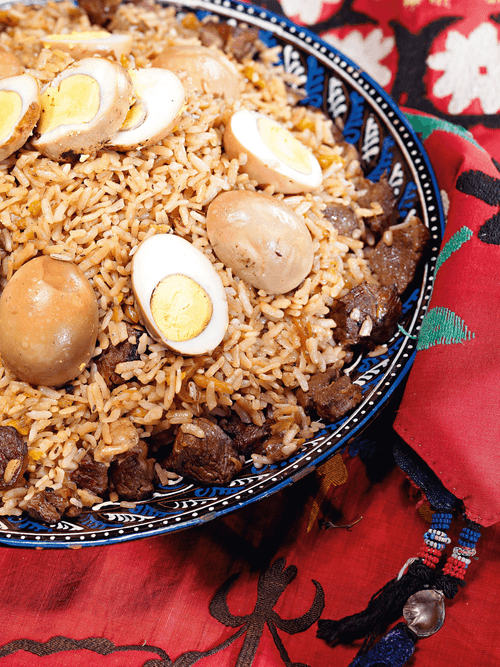
Egg pilaf is a unique author’s recipe that combines the rich flavor of traditional Fergana pilaf with the tenderness of boiled eggs. The origins of this dish can be traced to experimental cuisine, where classic recipes take on unexpected nuances. Eggs fried in lamb fat until golden brown add a special depth of flavor to the pilaf, making it rich and expressive. Devzira rice absorbs the aromas of meat, carrots, and spices, creating a harmony of textures and scents. Egg pilaf is perfect for festive lunches or family dinners, surprising guests with its original execution. This dish pairs excellently with traditional Eastern salads and fresh herbs, highlighting its rich taste and appetizing appearance.
8
10
90
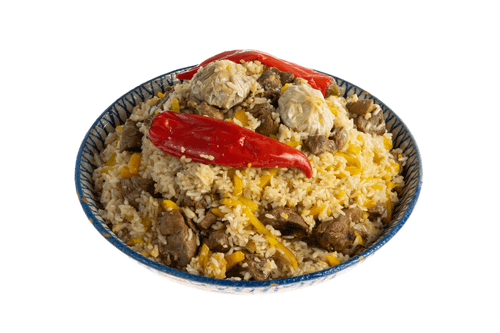
Most of the devzira rice this recipe requires is grown in the Fergana Valley. And in Fergana, as well as in neighboring Namangan and Andijan, pilaf is prepared only from it. Fergana pilaf does not tolerate any sweet additives, no raisins, only garlic and hot pepper. Less often - chickpeas and barberry. This is one of the most famous types of the great Uzbek pilaf and certainly the most canonical. Before you go shopping, pay attention - Fergana pilaf needs yellow carrots!
9
10
90
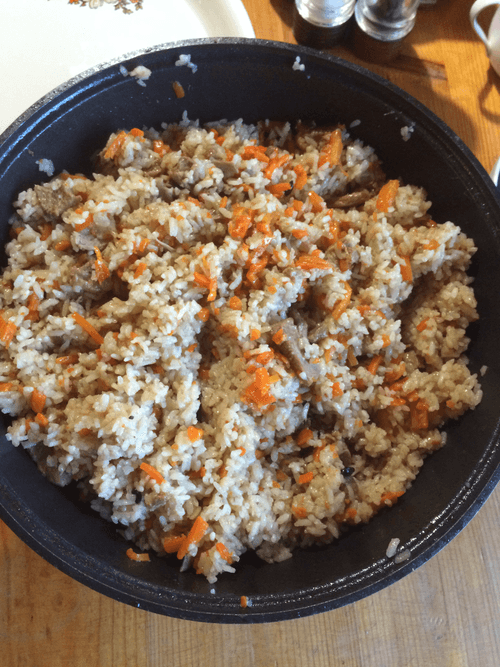
Fergana pilaf is a true gem of Uzbek cuisine that embodies centuries of tradition. Its rich flavor is born in a cauldron where the zervak—a fragrant mix of meat, carrots, and spices—slowly simmers, absorbing all the aromas. The main ingredient, devzira rice, gives the pilaf its firmness and richness, while lamb fat provides an unmatched silky texture. This pilaf is not just food; it is part of culture: it is prepared for celebrations and served to guests with respect and hospitality. Golden onions, spicy cumin, and garlic add deep flavor to the dish while hot pepper adds a subtle spiciness. Fergana pilaf is not only a gastronomic delight but also a symbol of hospitality that brings people together at the table.
10
10
100