




- Categories
- Main courses (12806)
- Bakery and desserts (12068)
- Appetizers (5704)
- Salads (4899)
- Soups (3502)
- Drinks (2372)
- Breakfast (2278)
- Pasta and pizza (1930)
- Sauces and marinades (1410)
- Sandwiches (562)
- Risotto (313)
- Broths (106)
Nashi (Asian) pears
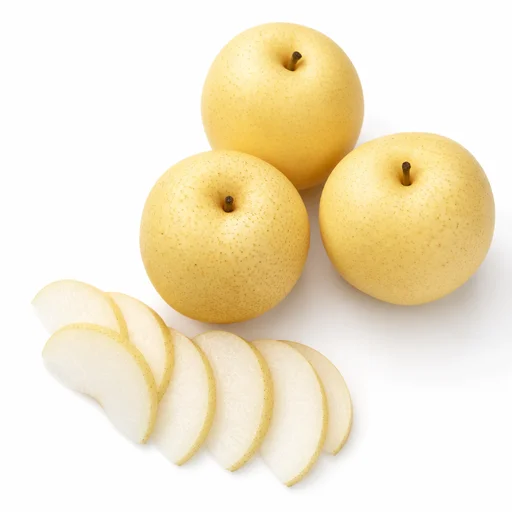
Round fruits with very juicy, crunchy white flesh for salads, kimchi and meat sauces.
Nashi (Asian) pears are round fruits with golden skin and very juicy, crunchy white flesh, refreshingly sweet with low acidity. They are eaten fresh in strips in salads, added to kimchi, meat sauces and marinades, and served with cheese.
Calories, proteins, fats and carbohydrates per 100 g of product
Nashi (Asian) pears, Raw: Calories 42.0 kcal, Proteins 0.5 grams, Fats 0.2 grams, Carbohydrates 10.7 grams per 100 g of product.
Recipes with this ingredient
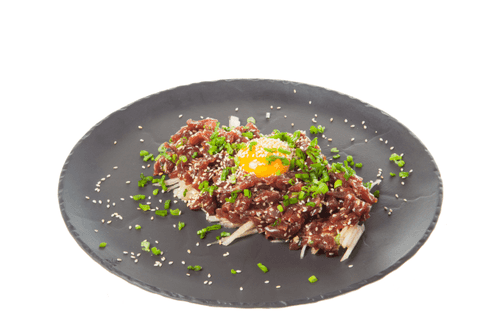
Yukhe is a Korean dish made from raw beef lightly marinated with soy sauce, green onions, honey and garlic. It turns out similar to tartare, only with a richer taste - but eating raw meat in Korea was invented long before tartare appeared. Served with straws of sweet Chinese pears and a raw yolk.
10
2
25
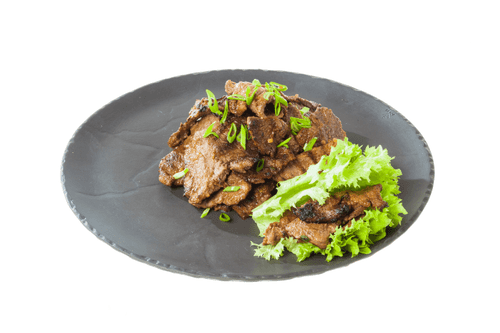
Bulgogi is translated from Korean as "fire meat" - originally this was the name for any marinated meat cooked over an open fire. Usually beef, pork or chicken is marinated in a mixture of soy sauce, sugar, kung ghee oil and spices, but you can add whatever you want to the marinade: onions, mushrooms or even pears, as in our recipe. And this is the case when it is appropriate to refuse the combination of bread and meat: bulgogi is eaten wrapped in a lettuce leaf.
9
4
60
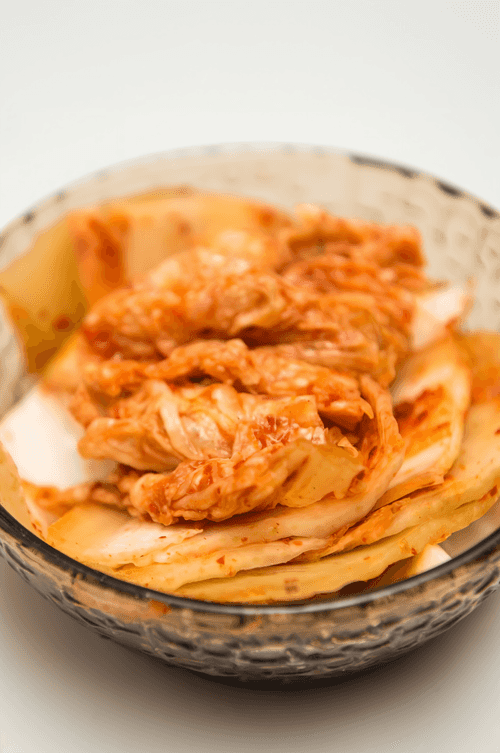
Kimchi is the heart of Korean cuisine, a legendary dish with a millennia-old history. It originated as a way to preserve vegetables for long winters and has become a symbol of Korean hospitality over time. Spicy, flavorful, and crunchy, kimchi excites taste buds with its piquant heat and rich aroma of fermentation. Cabbage soaked in salt and spicy paste with hints of garlic, ginger, and fish sauce creates the perfect balance of flavors. Kimchi not only pairs excellently with rice and meat dishes but also serves as a base for many Korean soups and snacks. Besides its vibrant taste, it is rich in probiotics that strengthen gut health. This culinary masterpiece requires patience in preparation, but the wait is worth it: after fermentation, it reveals its depth and complexity.
13
12
120

Fruit salad in spicy syrup is an exquisite dessert of European cuisine that combines freshness with the spicy notes of spices. This recipe, inspired by the traditions of aromatic fruit compotes, is enriched with a delicate honey syrup in which juicy pieces of mango, kiwi, lime, and Asian pear are stewed. Cloves, cinnamon, and cardamom give the dish warm spicy tones while dried cherries add a slight tartness. The finishing touch is refreshing mint. The salad can be served either chilled or warm — it is perfect as a refined finale to a festive dinner or a refreshing snack on a hot day. Its simplicity makes it accessible even for beginners, while the combination of flavors captivates the most discerning gourmets.
12
4
30
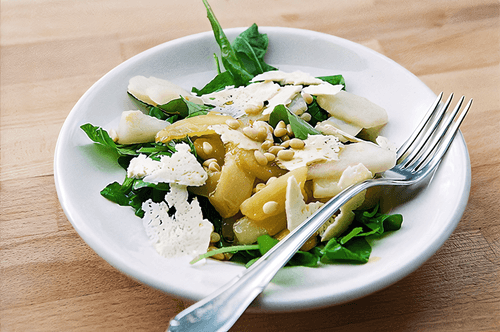
Pear salad with arugula and sheep cheese by Radchenko
11
2
25
Charoset is a traditional Jewish dish symbolizing the clay from which ancient Jews made bricks in Egypt. This version combines the freshness of apples and pears with the rich aroma of roasted walnuts. Honey and sweet wine add a delicate caramel note to the dish, while cinnamon and orange zest provide spice. Fresh mint finishes the flavor with a light coolness. Charoset is often served at Passover as part of the festive meal but also pairs wonderfully with cheese, matzah, or simply as a dessert. Its texture is soft and slightly crunchy due to the nuts, and its taste is sweet yet balanced with subtle tart-fruity notes. It is not only delicious but also deeply symbolic, connecting generations and traditions.
8
6
25

Fruit compote with spices and sake is an amazing blend of Eastern aromas and exquisite fruits, embodying Japanese culinary tradition. Its history is rooted in the culture of warming drinks, where spices and alcohol create a balance of flavors. Rich notes of anise, cinnamon, and a light spicy accent of chili harmoniously combine with the sweet-sour taste of dried fruits, apples, and pears. The addition of sake gives the drink softness and a warming touch. This compote is perfect for winter evenings, creating an atmosphere of coziness and tranquility, and can also be a wonderful complement to desserts or light snacks. It not only quenches thirst but also becomes a true gastronomic journey that reveals the richness of Japanese flavor traditions.
14
4
40

Pears with sake and warm chocolate sauce is an amazing combination of flavors and textures that transports us to the exotic atmosphere of Brazil. Poached in a spiced syrup with anise, cinnamon, and lime, the pears acquire a rich, slightly caramel flavor with hints of citrus and Eastern spices. The warm chocolate sauce with cream and butter adds a velvety texture and a slight bitterness of dark chocolate, creating a harmonious contrast with the fruity freshness. This dessert is perfect for special occasions – it is elegant, refined, and can charm even the most discerning gourmets.
10
4
70