
- Categories
- Main courses (12806)
- Bakery and desserts (12068)
- Appetizers (5704)
- Salads (4899)
- Soups (3502)
- Drinks (2372)
- Breakfast (2278)
- Pasta and pizza (1930)
- Sauces and marinades (1410)
- Sandwiches (562)
- Risotto (313)
- Broths (106)
Herring fillet
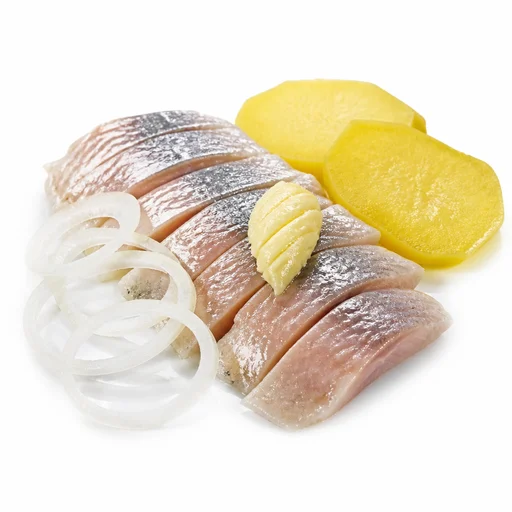
A salted or marinated boneless fatty marine fish fillet for serving with onion, oil and potatoes.
Herring fillet is a salted or marinated boneless fillet of a fatty marine fish, silvery-pink, tender, oily, with a rich saltish-spiced taste. It is served with onion, oil and boiled potatoes, cut into salads (dressed herring, forshmak), onto sandwiches and tartlets, rolled into rollmops and put onto appetizer platters.
Recipes with this ingredient
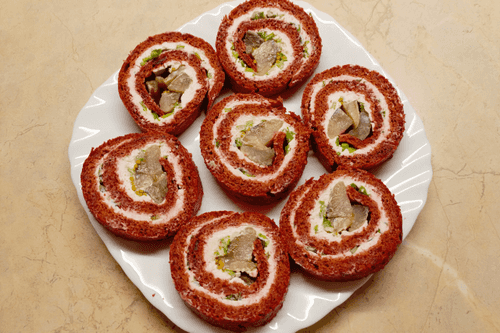
Beetroot roll with herring is an elegant combination of vibrant flavors and textures that surprises with its harmony. The roll, made from airy beetroot sponge cake, absorbs the earthy notes of the root vegetable, perfectly complemented by the creaminess of cheese. Herring fillet adds a piquant salty note to the dish, while grainy mustard and fresh green onions provide a subtle aroma and mild spiciness. The history of such rolls traces back to Russian and Northern European cuisine, where the combination of fish and vegetables is appreciated. This roll will be a decoration for any festive table and a pleasant gastronomic surprise. It works wonderfully as an appetizer and can be served either cold or slightly chilled for better flavor release.
10
12
60
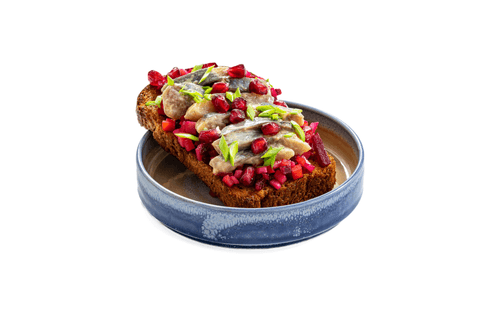
A great way not to let beets and carrots boiled for New Year's salads with a reserve go to waste. Although such bruschetta can also be made from the remains of a ready-made vinaigrette. Or even cooked from scratch, since everyone has already had enough of herring under a fur coat, and in the form of bruschetta it looks fresher, more fashionable and more appetizing. It is important to use very high-quality fatty herring and not to give in to the temptation to replace the honey-mustard dressing with regular mayonnaise. The remains of black or Borodinsky bread will also get a second wind here, it is worth frying them until golden brown and sprinkling with aromatic oil.
14
4
20
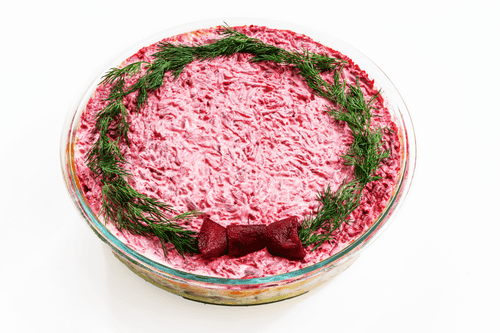
Herring under a fur coat with egg is one of the most famous salads of Russian cuisine, invariably adorning festive tables. Its history dates back to the early 20th century when it became a symbol of unity and satiety. The delicate herring fillet combined with soft potatoes, sweet beets, juicy carrots, and airy eggs creates a harmony of flavors, while mayonnaise adds richness and silkiness to the dish. The addition of apple refreshes the composition with a light tanginess. It is important to let the salad rest in the refrigerator so that the layers soak and the flavor develops. This dish not only delights with its rich taste but also decorates the table with its bright color contrast. It is perfect for celebrations, reminding us of the traditions and warmth of Russian cuisine.
8
8
60
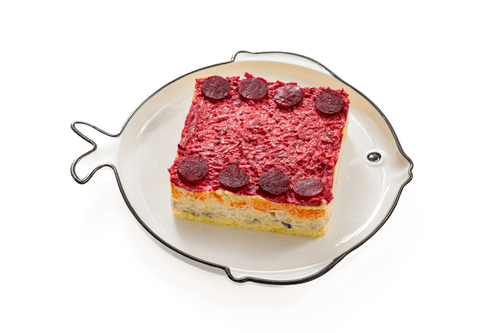
Herring under a fur coat is one of the most iconic salads of Russian cuisine and a traditional element of the New Year's feast. Its history dates back to the early 20th century when the appetizer made of herring and vegetables symbolized the unity of the people. The combination of salted herring, sweet beetroot, and tender potatoes creates a rich, balanced flavor enhanced by the spiciness of onions and creamy texture of mayonnaise. This salad not only pleases the eye with its bright layers but also satisfies as a full dish. Chilled before serving, it reveals its taste even deeper, making each layer particularly expressive. The 'fur coat' not only decorates the table but also brings loved ones together, creating a warm festive atmosphere.
7
4
60
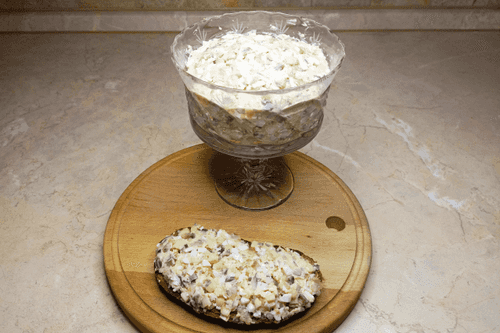
Forshmak is a classic dish of Jewish cuisine with roots in Eastern Europe. It is an appetizer with a surprising combination of flavors: tender herring, sweet-sour apples, spicy onions, and a creamy mixture of egg and butter. The dish features a rich taste and airy texture, and its characteristic softness makes it ideal for spreading on crispy black bread toast. Forshmak is traditionally prepared for festive tables and family gatherings, serving as a symbol of home comfort. Chilling before serving allows the ingredients to better reveal their flavors, making the taste harmonious and rich. Forshmak is not just an appetizer but a tribute to traditions and the art of combining contrasting flavors in one dish.
7
6
35

The recipe is taken from the book "Holiday salads and appetizers. Very simple.
5
4
30
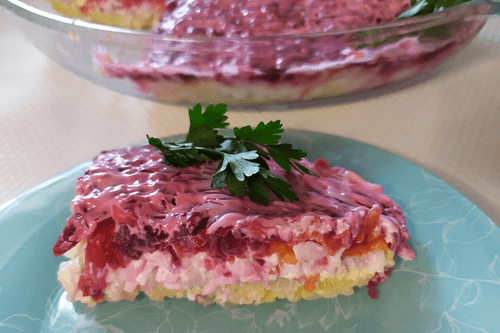
Herring under a fur coat is one of the most recognizable and beloved dishes of Russian cuisine. This layered salad originated in the early 20th century and quickly gained popularity due to its harmony of flavors. The tender salted herring fillet combines with soft potatoes, sweet carrots, and rich beets, creating a unique texture and taste. A light hint of spiciness is added by pickled onions, while creamy mayonnaise binds the layers together. The finished salad soaks in the refrigerator, making it especially juicy. It is the perfect dish for a festive table, embodying Russian gastronomic traditions and hospitality. Garnished with fresh herbs, it not only delights the palate but also looks impressive, becoming the centerpiece of any feast.
9
6
60
The recipe is taken from the book "Appetizing porridges. 365 best recipes.
9
4
45
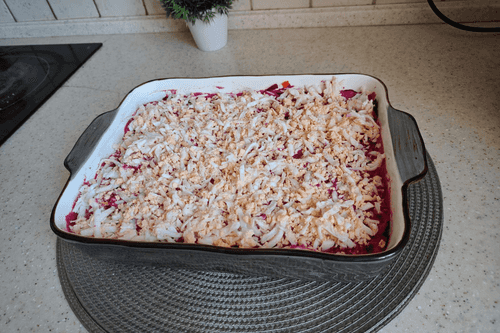
Herring under a fur coat is a classic dish of Russian cuisine, but in this version it acquires a new exquisite touch thanks to the apple sauce. Historically, the salad originated in the early 20th century and became a symbol of festive gatherings. Here, traditional layers of potatoes, carrots, beets, and herring are complemented by caramelized apple sauce that adds a delicate tang and richness of flavor. The apple harmonizes beautifully with the juicy beetroot while rosemary adds a refined spiciness. This dish not only pleases the eye with its vibrant layers but also satisfies wonderfully while remaining light due to the fruity note. It is best served chilled to fully reveal all flavors. Perfect as a centerpiece for festive dinners alongside traditional Russian drinks—be it juice or herbal tincture.
13
8
143
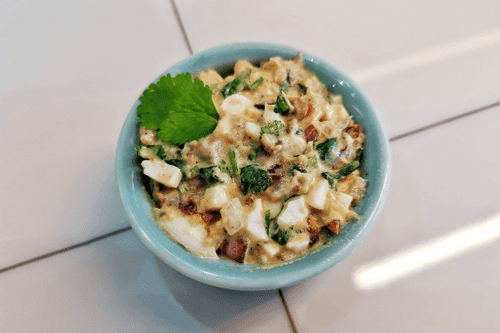
Herring tartare is an exquisite dish of French cuisine that combines the tenderness of seafood with the freshness of aromatic herbs. This is a variation of the classic tartare but with bolder accents. Herring, traditionally known in northern countries, transforms here into a refined gastronomic delight. A mixture of quail eggs, vinegar, and mayonnaise gives the dish a creamy texture, while cilantro and red onion add a light spiciness. Sun-dried tomatoes bring a hint of sweetness, and black pepper enhances the flavor's expressiveness. Served in a bowl makes the tartare convenient for tasting and perfectly suited as an elegant appetizer before the main course. The magnificent combination of ingredients allows for a harmonious balance of flavors, turning a traditional product into a modern exquisite creation.
9
1
10
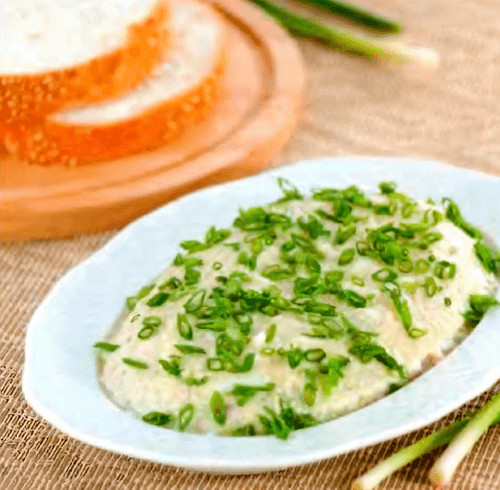
The recipe is taken from the book "Cuisines of the World. Jewish cuisine.
12
6
30
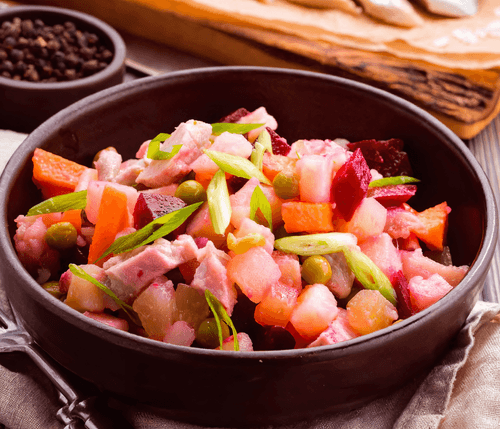
Latvian salad is a harmony of flavors combining the freshness of vegetables, the sweetness of apples, and the spiciness of herring. This recipe originated in Latvian cuisine, absorbing the traditions of northern peoples who value hearty and rich dishes. The bright colors of the ingredients make the salad not only appetizing but also festive. The dressing made from vegetable oil, vinegar, mustard, and horseradish gives it a sharp and expressive character. Latvian salad can be served as a standalone dish or as a side to meat, and its refreshing taste pairs well with fish appetizers. It is ideal for family dinners and gatherings, uniting traditions and modern taste.
13
2
20
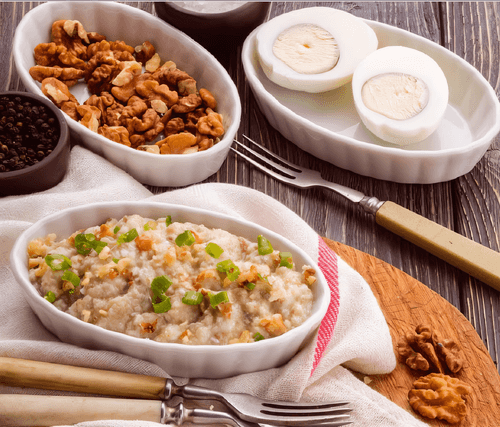
Forshmak with nuts is a variation of the classic Jewish dish where the tenderness of herring harmonizes with the slight tartness of apple and creamy texture of mayonnaise. This recipe has roots in Ashkenazi cuisine, where forshmak was traditionally served as an appetizer. The addition of walnuts gives the dish an interesting nutty note, enhancing its textural variety. The taste of forshmak is rich, slightly salty, with a pleasant balance of sweetness and acidity. It is typically served with crispy toasts or rye bread, making it an excellent appetizer for festive tables or family gatherings. Easy to prepare, it surprises with its depth of flavor and remains a favorite dish for many generations.
6
4
20
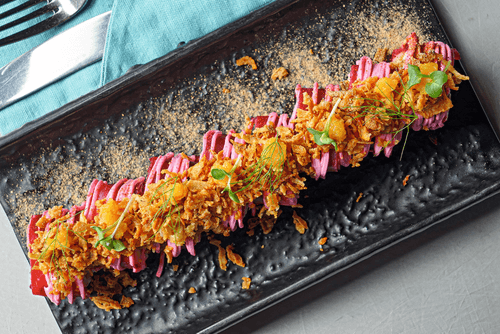
The closest relative of herring under a fur coat - the ingredients are recognizable, but pike caviar is added to them. You can find this dish in the Tula restaurant Forest & Fox. The recipe was shared with us by Nika Ganich, the author of the book "Geography for taste with Nika Ganich. Tula.
7
4
45
Recipe taken from the book "Geography to taste. Latvia" by Nika Ganich
11
4
20