











Recipe Catalog

Sushi-meshi is the heart of Japanese sushi, embodying skill and tradition. This rice is not just a side dish but the foundation of flavor harmony, absorbing the balance of sweetness, acidity, and umami. Its preparation dates back to ancient times when sushi masters paid attention to every detail: from washing to seasoning. Cooked with kombu, it acquires a subtle sea flavor, and even mixing with rice vinegar reveals its texture and aroma. Perfectly airy and slightly sticky but not gooey—this rice easily takes the shape of rolls, nigiri, and other sushi variations. It is served warm, creating a perfect contrast with fresh fish and fillings. Sushi-meshi is not just an ingredient but a connecting link that unites traditions and taste preferences, turning each sushi composition into a true work of art.
4
4
30

Can be served as a salad or a main dish.
16
4
50

Sushi rice with vinegar mixture is the heart of Japanese cuisine, serving as the foundation for perfect rolls and nigiri. Its history roots back to traditions where sushi was prepared not only as a delicious dish but also as a method of preserving fish. This rice has a delicate texture, slight stickiness, and a subtle balance of sweetness, acidity, and saltiness thanks to the vinegar mixture. Its consumption is a ritual: it should be cool but not cold, airy but not crumbly. It is used not only for sushi but also in other Japanese dishes where the right rice consistency is crucial. Cooking it is an art that requires attention to every detail since perfectly cooked rice makes sushi truly exceptional.
5
2
40

Rice for sushi with seaweed is the foundation of Japanese culinary tradition, conveying the spirit of this cuisine. The white grains of round rice, infused with the aroma of rice vinegar, achieve a delicate balance of sweetness, slight acidity, and a salty hint. The combination with dried nori seaweed adds a deep umami note that reveals the character of classic sushi and rolls. This recipe embodies the art of rice preparation: careful washing, precise water-to-rice ratio, patient waiting for the grains to absorb moisture, and gentle mixing with vinegar. Properly cooked rice becomes elastic but not sticky – an ideal base for sushi. It is not just a side dish but the core of Japanese gastronomy that creates harmony of flavors.
6
2
40
Rice for homemade sushi is the foundation of Japanese cuisine, embodying the harmony of flavors and textures. Historically, sushi originated as a way to preserve fish, but with the evolution of cooking, rice became a key element of the dish. Rice prepared using this recipe turns out soft and slightly sticky, perfectly absorbing the vinegar aroma for sushi. It serves as a base for various sushi rolls, nigiri, and temari. It's important to rinse the rice properly to remove excess starch and then let it rest to ensure a tender yet firm texture. The light tanginess of the vinegar enhances the freshness of the ingredients, making sushi delicious and balanced. This simple yet crucial preparation process allows one to enjoy traditional Japanese flavors even at home.
2
4
30

Rice for rolls and sushi is the foundation of Japanese cuisine, embodying a balance of flavors and textures. Historically in Japan, rice was used not only as food but also for fermenting fish, which later led to the creation of sushi in its modern form. This recipe reveals the art of preparing perfect rice: tender, slightly sticky but not overcooked. The seasoning of rice vinegar, sugar, and salt gives it a characteristic sweet-sour note that enhances the flavor of seafood and seaweed. Such rice allows rolls to hold their shape and sushi to reveal a full spectrum of gastronomic delights. Before rolling the sushi, it is important to let the rice rest so it fully absorbs the seasoning and achieves the perfect consistency.
5
2
45
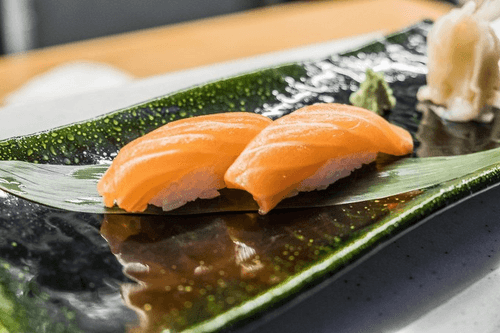
In Japan, round-grain sticky rice is used for sushi. It has more moisture and starch than other varieties, such as basmati. The most popular brands in Japan are Koshi-hikari, Akita Komachi and Hitomebore. They can also be bought in Russia. A good analogue is Nishiki rice, which is produced in the USA. Some Russian restaurants use Kuban round-grain rice.
6
20
120