













Recipe Catalog
No recipes contain all the words, showing recipes that match some of them

Sauerkraut stewed in beer is a traditional dish of German cuisine that pairs perfectly with meat dishes and sausages. The roots of this recipe go back centuries when fermenting cabbage was a way to preserve food for winter. The beer added during cooking gives the cabbage a rich, slightly sweet flavor with hints of malt. Slow cooking makes it soft and aromatic, while spices add zest. This dish is especially popular in Bavaria, where it is served as a side to pork knuckles and sausages. It wonderfully complements the meal, warming and creating a cozy atmosphere, especially on cool autumn and winter evenings.
4
4
30
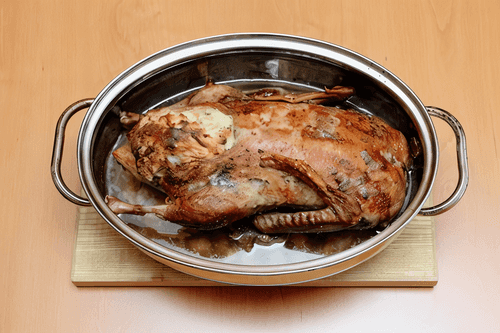
This recipe for duck with sauerkraut and prunes, baked in beer, is a true hymn to Russian cuisine. Its roots go back to village traditions where the combination of fatty meat with sweet-and-sour ingredients creates a harmony of flavors. The duck, infused with the aroma of beer, becomes tender, while the cabbage and prunes add a tangy sourness and sweetness. Baking makes the meat juicy, and the rich sauce is a perfect complement to this dish. Such a recipe is great for festive gatherings as it combines depth of flavor with the rich history of Russian gastronomy. It can be served with mashed potatoes or fresh vegetables to highlight the dish's vibrant notes.
7
8
110
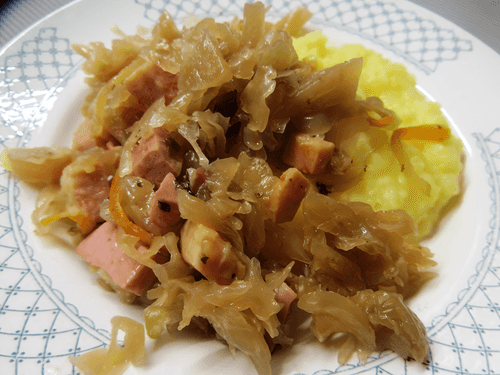
Choucroute can be called the older brother of our solyanka. It is believed that the first recipe for stewed cabbage with smoked meats appeared in Alsace many centuries ago. However, there are differences in the two related dishes: if solyanka is prepared from both fresh and sauerkraut, then in Alsace it is fermented without fail and only then subjected to heat treatment. Also, if in the Russian version cabbage is rarely diluted with other vegetables, then potatoes are very often added to choucroute, and different types of meat are also used in recipes, and in some regions, fish.
14
8
60
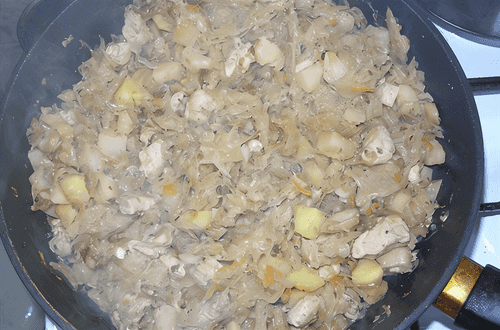
Potatoes stewed with sauerkraut and chicken is a cozy dish of Russian cuisine that embodies the harmony of simple ingredients and rich flavor. Its roots trace back to traditional village cooking, where the combination of potatoes and cabbage formed the basis of everyday meals. Sauerkraut adds a slight tanginess to the dish, softened by the sweetness of added sugar, while chicken fillet makes it nutritious and tender. Mushrooms contribute a subtle forest aroma, and spices along with soy sauce enrich the flavor with additional depth. Perfect for a hearty home dinner that warms during cold seasons. This dish is easy to prepare and retains its flavor even the next day, becoming even richer.
5
3
75
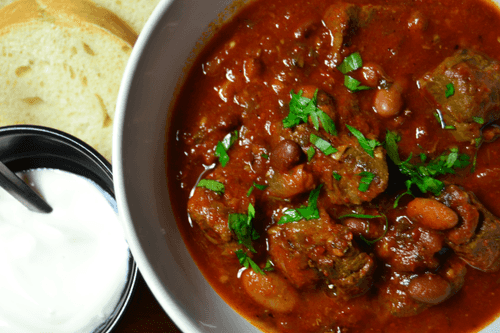
Beef stewed with dark beer and beans is a true delight for gourmets. Inspired by Italian cuisine, the dish combines rich flavors of meat, beer, and spices. Dark beer adds depth to the beef's flavor, making it incredibly tender and aromatic, while the addition of honey and red pepper adds a spicy sweetness and mild heat. Protein-rich beans make the dish hearty and nutritious. This stew is perfect for cozy family dinners and pairs well with crusty bread or pasta. Historically, such dishes were often prepared in peasant families using available ingredients to create a tasty and nourishing treat. Beef stewed with beer is a harmony of flavors where each component complements one another, creating an unforgettable gastronomic pleasure.
15
4
90
Beef stewed in beer with pepper is a traditional German dish rooted in ancient recipes where meat was cooked in dark ale. The beer gives the beef a rich flavor, making it tender and juicy, while spices and herbs add depth to the aroma. The light sweetness of brown sugar and the acidity of apple cider vinegar create a balance of flavors. Bacon and caramelized onions complement the dish with notes of smokiness and tenderness. It's the perfect treat for cozy evenings when you crave something hearty and warming. Served with white bread that absorbs the rich sauce, making the meal even more satisfying and delicious.
17
6
150
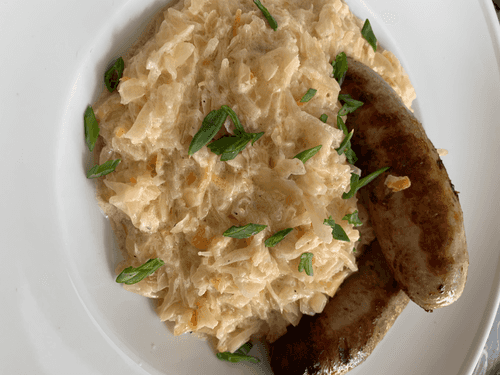
Braised sauerkraut with Finnish sausages is a traditional dish of Finnish cuisine that is warm and cozy. Its roots trace back to the northern regions of Europe, where cabbage has always been an important element of the winter diet. Sauerkraut adds a pleasant sourness to the dish, while long braising makes it soft and rich. Butter and sour cream add tenderness and a creamy texture, while the aroma of bay leaves and black pepper reveals depth of flavor. Grilled kupaty adds spiciness and richness to the dish. It’s the perfect treat for a cold evening when you want to enjoy hearty yet simple food that conveys the atmosphere of northern traditions.
9
4
60
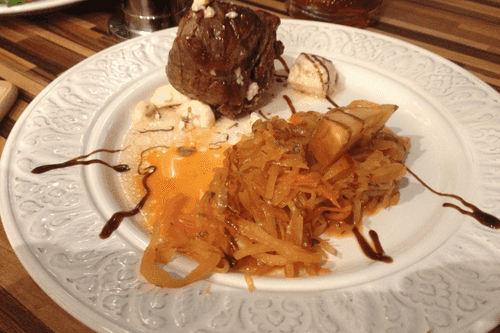
Lamb rack with feta and stewed sauerkraut is an exquisite dish of European cuisine that captivates with the combination of rich flavors of young meat, the spicy aroma of rosemary, and the tangy note of feta cheese. The idea of preparing the rack by roasting it with herbs and cheese draws inspiration from traditional Mediterranean recipes, where the balance of richness and freshness of ingredients is valued. The braised sauerkraut with apples serves as a wonderful side dish, adding a pleasant acidity and softness to the texture. The combination of spices like nutmeg and paprika highlights the depth of flavor, while a finishing touch in the form of balsamic sauce makes this dish a true gastronomic masterpiece. It should be served hot, with fresh herbs and light wine to fully enjoy the rich flavor ensemble.
12
2
45
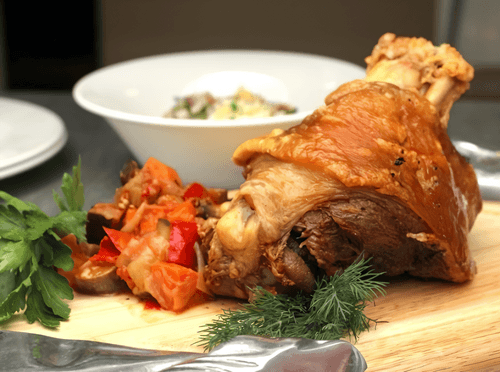
Roasted pork knuckle with fried potatoes and stewed sauerkraut is a culinary masterpiece of European cuisine, rooted in traditional village feasts of Germany and the Czech Republic. The juicy, aromatic knuckle, braised in beer with fragrant herbs, gains tenderness and rich flavor, while roasting gives it a golden crust. The side of crispy fried potatoes and soft stewed cabbage harmoniously complements the meat, creating a rich palette of flavors—from the sweet hint of honey to the spicy notes of mustard and horseradish. This dish is perfect for cozy family dinners and festive gatherings, bringing warmth and enjoyment to every meal.
10
6
220
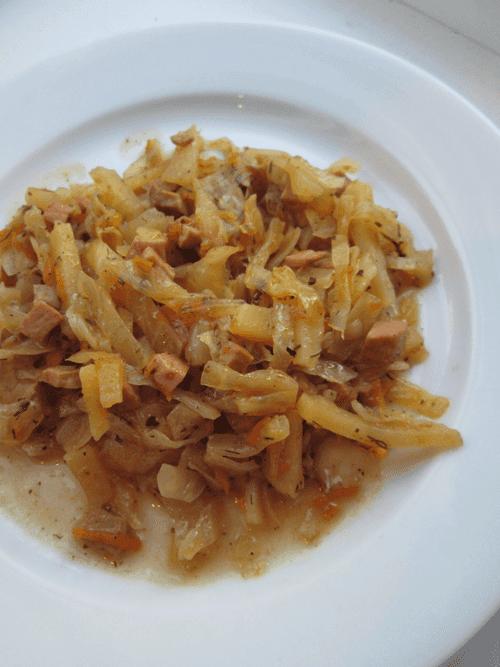
Sauerkraut stewed with Hungarian sausages is a rich and cozy dish with a characteristic sweet-sour taste. It originates from traditional Hungarian cuisine, where cabbage and meat are often used to create hearty winter meals. Sauerkraut stewed with aromatic caraway becomes tender, and the combination with smoked sausages, pickles, and tomato puree fills the dish with spicy and slightly sharp notes. Potatoes add thickness, making the texture soft. Perfect for cold evenings, especially with rye bread or a glass of Hungarian wine. It can be served as a standalone dish or as a side to meat dishes, creating a rich and balanced flavor experience.
11
4
50
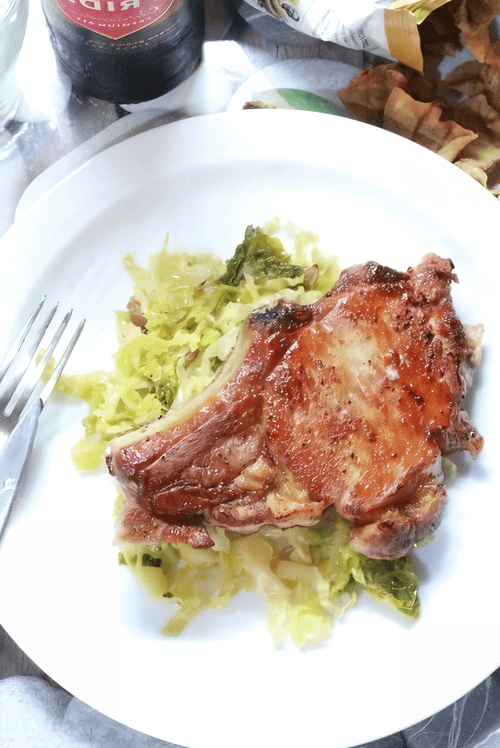
Pork with stewed sour cabbage is a classic Russian dish that combines the rich, deeply aromatic flavors of meat and sauerkraut. Historically, it emerged from traditional Russian cuisine where cabbage held a special place as an accessible and nutritious product. Cooked with smoked bacon and juniper, the cabbage acquires a subtle smoky aroma and light spiciness, while juicy pork chops baked in chicken broth become tender and flavorful. The dish is perfect for a cozy family dinner, especially in cold weather due to its heartiness and warming properties. Garnishing with herbs adds freshness and visual appeal, making it a true centerpiece on the table. It pairs wonderfully with rye bread and rustic pickles.
11
4
60
Braised sauerkraut with wine is a fragrant dish of Russian cuisine rooted in the traditions of old feasts. Sauerkraut softened by white wine takes on a delicate sweet-sour note, while spices like caraway and juniper enrich its flavor depth. Bay leaves and caramelized onions add warming nuances. This dish pairs perfectly with meat delicacies or potatoes, serving as an excellent side dish. It can be served as an independent treat, especially on winter evenings when one craves something cozy and hearty. The cabbage remains slightly crunchy, and its wine aroma fills the kitchen with warmth and comfort. Rich in vitamins and beneficial elements, it delights the palate while also providing health benefits.
9
4
30
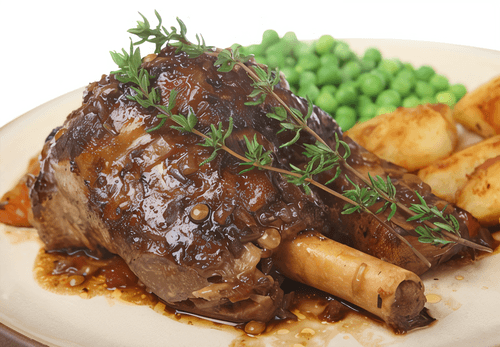
Braised lamb in beer is a dish that takes us deep into Russian cuisine, where the simplicity of ingredients meets the richness of flavor. Historically, lamb was popular in regions with harsh climates, and braising it in ale gives the meat a rich aroma and incredible tenderness. The scent of thyme and bay leaves makes it cozy, while butter adds a silky texture. This dish is perfect for long winter evenings when you want to warm up and enjoy hearty home-cooked food. It is best served with mashed potatoes or fresh bread to soak up the flavorful sauce. This recipe not only satisfies but also reveals the depth of Russian gastronomic traditions.
12
8
30
Goat leg braised in beer is a dish with a deeply rich flavor infused with European traditions. It originates from shepherds' cuisine, where goat meat was valued for its tenderness and aroma. The beer used for braising adds a light hoppy sweetness and softness to the dish, while searing before braising creates an appetizing crust that retains the juices inside. The thick and rich flavor of the dish pairs perfectly with rustic bread or potato garnish. This dish reveals the beauty of traditional cooking, transforming simple ingredients into a gastronomic delight worthy of a festive table.
3
6
120
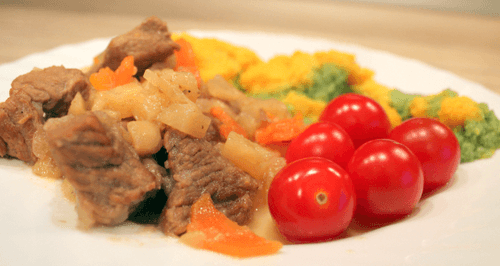
Beef stewed in beer is a dish with deep-rooted European traditions, especially popular in the cuisines of Germany and Belgium. Beer gives the meat a rich, slightly caramel flavor with subtle notes of bitterness, while the combination of onion, celery, and carrot adds softness and aroma. Long simmering makes the beef tender, literally melting in your mouth, and spices add richness to the flavor nuances. It is an ideal dish for a cozy dinner, perfectly paired with mashed potatoes or fresh bread that soaks up the aromatic sauce. Such a treat not only warms the soul but also transports you to the atmosphere of old European taverns where slowly cooked beef in beer gathered families and friends around the table.
8
4
160




















