













Recipe Catalog
No recipes contain all the words, showing recipes that match some of them

Dashi broth with ginger is the heart of Japanese cuisine, infused with ocean flavors and the warmth of spices. Dashi is the base of many traditional dishes, made from dried seaweed that adds a light umami note. Ginger and garlic add spiciness and warming depth to the flavor. This broth is perfect for making soups, noodles, and even marinades, filling dishes with a delicate aroma. Its history roots back to ancient Japanese traditions when natural ingredients were used to create pure and balanced flavors. With a slight saltiness and spicy freshness, it offers a sense of comfort and harmony in every spoonful.
4
4
25

Broth dashi made from red cabbage is an amazing blend of traditional Japanese cuisine and an innovative approach to ingredients. This rich, deep, and aromatic broth is created from charred red cabbage, which gives it a slight smokiness and sweet-earthy flavor. Shiitake adds rich umami notes, kombu seaweed brings delicate marine freshness, while bonito flakes complete the harmony with complex flavor nuances. This dashi can serve as a base for miso soup or be used in other Japanese dishes, imparting them with a unique and rich character. The broth perfectly complements rice, noodles or vegetable dishes by enhancing their flavors and revealing the depth of traditional Japanese cuisine.
9
4
120

Vegetable dashi broth is a delicate and aromatic soup that serves as a foundation of Japanese cuisine. Dashi made from kombu seaweed and bonito tuna flakes gives the dish a deep umami flavor. Miso paste adds a slight saltiness and velvety texture, while fresh vegetables—carrots, potatoes, and daikon—enrich the soup with natural sweetness and make it more nutritious. This broth is often used in Japanese dishes as a base for soups, sauces, and stews. It warms on cool days and pairs harmoniously with rice or noodles. Its simplicity makes it accessible even for beginner cooks, while its rich flavor makes it a favorite choice for both everyday meals and special occasions.
8
4
40
Dashi broth is the foundation of Japanese cuisine, giving dishes an umami flavor – deep and rich taste. Its history goes back centuries when the Japanese first began using seafood to make broth. Dashi has a mild salty taste with light notes of ocean freshness. It pairs perfectly with miso soup, udon noodles, sauces, and stews, enhancing their flavor and aroma. It is made from dried anchovies and kelp, giving the broth a delicate texture and a hint of weak green tea color. This is not just broth – it is the heart of Japanese gastronomy.
3
4
10
Chicken broth with ginger and garlic is a refined dish of Chinese cuisine, infused with warmth and depth of flavor. Its roots trace back to ancient traditions of healing soups, where ginger and garlic were used to boost immunity and warm the body. This broth has a rich, aromatic taste with a slight spicy note from the ginger, while the garlic adds subtle depth. The flavor is harmonious—tender chicken base meets the freshness of onion and the spiciness of ginger root. It can be enjoyed as a standalone dish or used as a base for soups and noodles. Perfect for cold days or when you crave comfort and coziness in every sip.
5
8
240

Vegetable broth with omelet, vegetables, and ginger is a harmonious blend of delicate flavors from Japanese cuisine. Its roots trace back to traditional recipes where simple yet aromatic ingredients create a refined dish. Shiitake adds depth to the flavor, carrots and celery contribute sweetness, while sugar snap peas and ginger refresh the composition. The omelet made with sake and soy sauce gently envelops each sip, adding softness. This dish can be served as a light dinner or a warming soup on a cool day. It is perfect for those who appreciate the balance of flavors and textures, revealing the nuances of Japanese gastronomy in every spoonful.
15
4
60
Fragrant chicken broth with ginger is a traditional dish of Chinese cuisine known for its deep richness and health benefits. It harmoniously combines tender chicken meat, spicy ginger, and garlic to create a warming and rich flavor. Ginger, revered in Chinese cooking for its healing properties, adds a slight spiciness and warming effect to the broth. This broth is perfect as a base for soups, noodles, or even as a standalone dish, especially in cold weather. Its prolonged simmering reveals the full palette of flavors, making it incredibly rich. Served hot and garnished with fresh herbs, it is often accompanied by rice or noodles for added heartiness.
8
6
330

Dashi with noodles and chicken is an embodiment of Japanese gastronomy, combining the rich umami flavor and soft texture of ramen. Dashi, being the base of many Japanese dishes, adds depth and richness to the broth, harmonizing with tender chicken and elastic noodles. The origins of this dish trace back to traditional Japanese regional cuisines where the combination of simple yet exquisite ingredients creates a true culinary masterpiece. Lemon juice adds a refreshing tanginess while green onions and chili provide a mild spiciness. Nori cut into thin strips gives the dish an authentic sea note. This dish perfectly warms and energizes; it can be served as a nutritious lunch or cozy dinner while enjoying the balance of flavors born from Japanese culinary tradition.
7
2
40
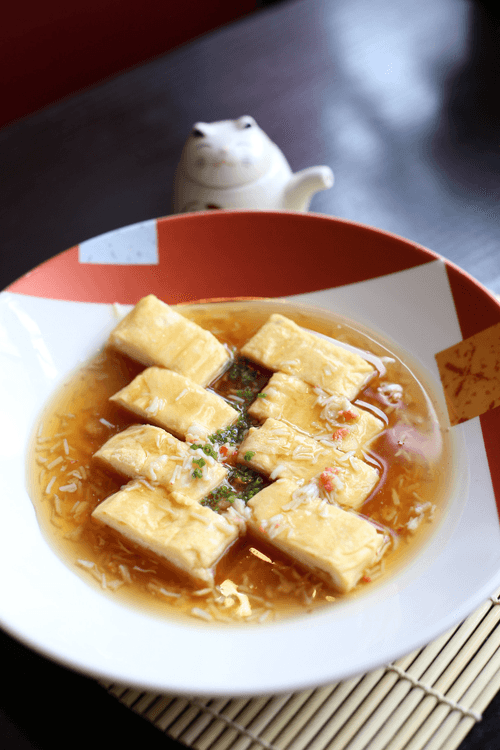
Dasimaki tamago is a delicate Japanese omelet soaked in flavorful dashi broth, giving it a refined taste with light umami notes. This omelet is an integral part of traditional Japanese cuisine, often served as a side dish to sushi or as a standalone dish. Its history dates back to the Edo period when chefs began experimenting with eggs and dashi to achieve a soft texture and rich flavor. The main feature of dasimaki tamago is its layered structure obtained by gradually rolling the omelet in a hot pan. This cooking method keeps it juicy and airy. This refined dish reveals the true essence of Japanese culinary mastery—simplicity, harmony, and deep flavor in every bite.
4
4
60

Homemade ginger beer, also known as ginger lemonade, is a traditional drink of Irish cuisine with a spicy, refreshing taste and a slight tanginess. Historically, this drink was popular among sailors and travelers due to its ability to invigorate and quench thirst. The aroma of fresh ginger, juicy lemon, and caramel notes of cane sugar create a rich and deep flavor. The preparation involves a natural fermentation process that adds light fizziness and depth. Ginger beer is excellent for quenching thirst on hot days; it can be served chilled as a standalone drink or used as a base for cocktails. Its healing properties make it an excellent choice when having a cold as it warms you up and helps boost immunity.
5
5
800
The 'GINger Street' cocktail is a refined blend of freshness and spice embodied in a refreshing drink. Its origins trace back to European cocktail culture, where harmonious and expressive flavors are valued. The base of the cocktail is sharp ginger, whose spiciness is softened by the freshness of lemon and a light sweetness from sugar. Gin and 'Becherovka' liqueur add complexity and depth to the flavor, while ginger ale gives the drink a sparkling lightness. It is served in a highball glass filled to the brim with frappe, creating an incredible sensation of coolness. This cocktail is perfect for warm evenings, adding zest and originality to moments. Its uniqueness lies in the combination of spices and citrus that awakens taste buds and leaves a memorable aftertaste.
7
1
5

Gingerbread cookies 'Gingerbread Men' are a symbol of coziness and Christmas magic from European traditions. Their history begins at medieval fairs when spiced treats were exchanged as good wishes. The aroma of cinnamon, ginger, and cloves evokes memories of winter holidays, while the light sweetness of honey and vanilla enriches the flavor. These cookies are not just a treat; they become a creative process as they can be decorated with icing to give funny expressions to the gingerbread men’s faces. Perfect for cozy tea time or festive gifts, they bring warmth and joy to every home. Break the crispy edge and feel the softness inside – with each bite, the gingerbread world comes closer.
14
12
90
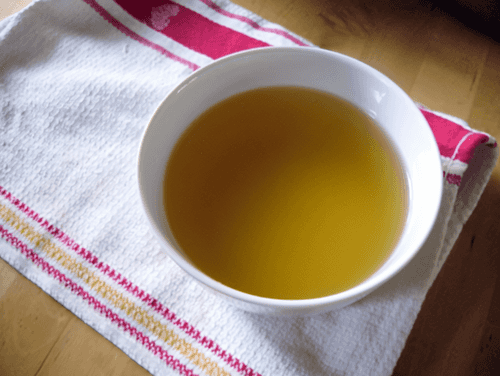
Dashi is the foundation of Japanese cuisine, a clear and fragrant broth that gives dishes a unique umami flavor. Its history dates back to ancient Japan, where dried seafood was used to create rich flavors. This broth is made from dried anchovies and kelp, giving it softness and depth. Dashi is a key ingredient in soups, sauces, and even tempura, enhancing their taste. Its subtle sea aroma makes it an ideal base for many Japanese dishes. The simplicity of preparation allows for an authentic flavor in just a few minutes, and its freshness lasts for several days. It combines tradition and craftsmanship, making it an indispensable element of Japanese gastronomy.
3
1
15

Vegetable broth with semolina dumplings is a delicate and refined dish of European cuisine that combines simplicity and sophistication. Its roots trace back to traditional home recipes where the lightness of the broth is perfectly complemented by airy semolina dumplings. The creamy texture of the dumplings made from eggs, butter, and semolina makes the soup hearty yet light. The broth, rich in vegetable flavor, gains softness and depth, creating a harmony of tastes. This dish is perfect for a cozy family lunch as well as for festive occasions. Its tenderness and warming nature make it especially popular in cool seasons when comfort and warmth are desired.
5
8
40

Meat broth with potato dumplings is a cozy and hearty dish from European cuisine. It evokes warm home evenings when a fragrant soup appears on the table, warming the soul. The potato dumplings add softness and a delicate texture to the dish, while the meat broth fills it with depth of flavor. This traditional dish is often prepared in cold weather when one craves something nourishing and warming. Its uniqueness lies in the simplicity of ingredients that create a harmonious taste when combined. Dumplings gently floating in rich meat broth have a pleasant structure and easily pair with various herbs and spices that highlight its natural beauty. This soup is a symbol of home comfort and culinary mastery passed down through generations.
7
8
40