






Syrian cuisine
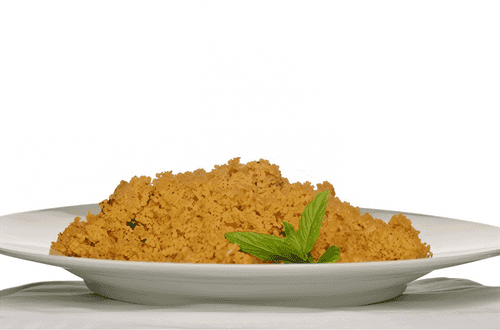
Lemon couscous is the embodiment of sunny aromas and Mediterranean warmth. This recipe comes from Syrian cuisine, where the skillful combination of spices and citrus makes dishes remarkably vibrant. The light and airy couscous absorbs the rich flavors of chicken broth, fresh lemon juice, and olive oil. Delicate notes of fennel, the sweetness of yellow pepper, and aromatic herbs give the dish freshness and balance. Lemon zest adds a tangy kick, while cilantro and parsley reveal an Eastern character. Lemon couscous is perfect as a standalone dish or as a side to fish and meat. Its refreshing taste makes it a great choice for warm days when one desires lightness and simplicity. Served on a platter and garnished with lemon wedges, it delights not only the palate but also the eye.
12
2
30
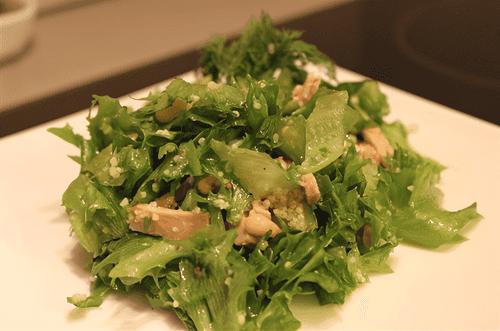
Veal salad with couscous and pine nuts is a refined dish embodying the harmony of flavors and traditions of Syrian cuisine. Light yet hearty, it combines the tenderness of roasted veal, the airy texture of couscous, and crunchy pine nuts. Dressed with olive oil and honey, the salad gains a subtle sweetness and exquisite depth of flavor. This salad is perfect for festive gatherings or cozy dinners, highlighting the richness of Eastern gastronomy. Its elegant presentation in a mound makes it not only delicious but also visually appealing, creating the impression of a restaurant dish. It pairs wonderfully with fresh herbs and light white wines, and due to its nutritional value—it's an excellent choice for lovers of healthy and balanced eating.
5
2
5
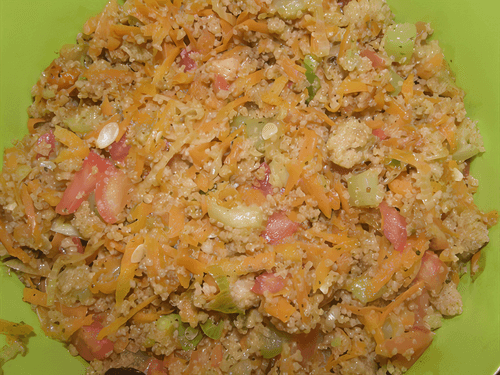
Couscous and vegetable salad is a bright and aromatic dish of Syrian cuisine that combines the tenderness of couscous with the juiciness of fresh vegetables. Its origin is linked to traditional Eastern dishes where harmony of flavors and the use of simple yet healthy ingredients are important. In this salad, airy couscous gently absorbs the aromas of sautéed onions, sweet carrots, and soft zucchini, while fresh tomatoes add a light tanginess. Pine nuts provide a nutty note and make the texture more interesting. This dish is perfect as a light yet nutritious dinner or as a side dish for meat dishes. It can be served warm or chilled, and spices allow for flavor adaptation to individual preferences.
9
4
30

Tahini sauce with garlic for kebabs is a delightful addition that gives meat a rich nutty flavor with spicy notes of garlic and a refreshing tang of lemon. This sauce originates from Syria, where tahini – ground sesame paste – is widely used in traditional cuisine. Its simplicity and rich taste make it an indispensable companion for kebabs as well as other meat and vegetable dishes. Tahini provides a creamy texture to the sauce, garlic adds depth, and lemon juice balances the flavor. This sauce can be used as a marinade, dip, or salad dressing, adding an Eastern touch to them.
5
4
56
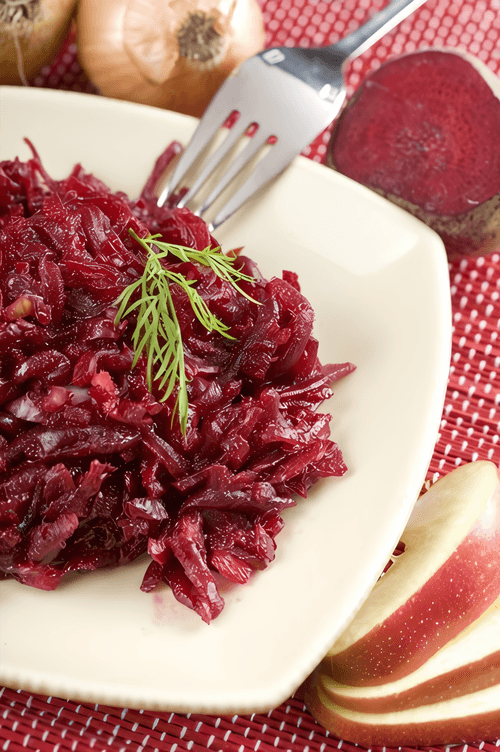
Baked beetroot with mustard and green onions is a dish that reflects the rich culinary traditions of Syria. The roasted beetroot gains sweetness and tenderness, while Dijon mustard adds a spicy kick that harmonizes with the freshness of green onions. A light lemon juice enhances the flavor, giving the dish a balance of acidity and freshness. Such dishes are popular in Syrian cuisine due to their simplicity in preparation and rich flavor profile. This dish is perfect as a side for meat and vegetable dishes or as an independent appetizer that highlights the taste of any festive table.
7
4
30
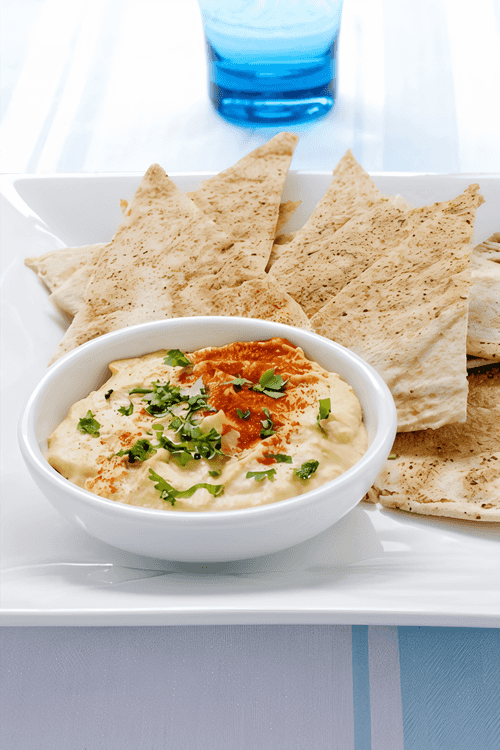
Hummus with roasted garlic and parsley is a refined and aromatic version of the classic Middle Eastern dish that originates from ancient Syrian cuisine. The velvety texture of the hummus, rich in creamy tahini flavor and fresh lemon juice tang, harmoniously combines with the soft sweetness of roasted garlic. Parsley adds a refreshing herbal note, while a pinch of paprika gives a subtle spiciness. This hummus is perfect as a dip for warm lavash or fresh vegetables and can also serve as a base for various dishes—from spreads for sandwiches to sides for meat or fish. Its deeply rich flavor and nutritional value make it an ideal choice for gourmets and health food enthusiasts.
9
4
30
Basbousa with syrup shira is a traditional Syrian dessert that delights with its tenderness and sweetness. The recipe's origins trace back to the depths of Eastern cuisine, where semolina and coconut create a unique texture, while cream adds a rich flavor. The shira syrup with rose water and lemon juice fills the pastry with aroma, making it a true Eastern delight. Almond flakes add a crunchy note, completing the harmony of taste. This dessert is perfect for family celebrations and cozy tea times, warming hearts with its sweetness and softness.
10
12
60
Tabbouleh with tomato is a light and refreshing salad that comes from the rich traditions of Syrian cuisine. Its base is bulgur, which absorbs the aroma of lemon juice and olive oil, creating a unique flavor. Juicy chopped parsley adds freshness to the dish, while diced tomatoes contribute sweetness and juiciness. This salad is perfect as a standalone dish on hot days or as a side to meat and fish dishes. Tabbouleh has a harmonious balance of flavors, and its simplicity in preparation makes it a favorite among healthy eating enthusiasts. In Syria and other Middle Eastern countries, this dish is traditionally served with flatbreads, making it even more authentic. Tabbouleh is a gastronomic journey into Eastern culture where food brings people together and offers pleasure in every bite.
6
8
70
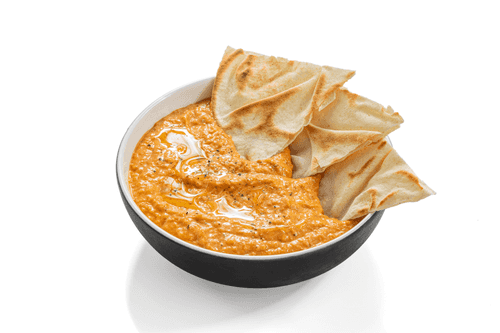
Muhammara is a traditional appetizer from Syrian cuisine that captivates with its rich depth of flavor. The dish is based on roasted sweet peppers that provide a delicate sweetness and smoky aroma. Spicy chili pepper adds zest, while garlic and walnuts contribute richness. Spices like cumin and caraway fill the appetizer with warm Eastern notes. The narsharab sauce made from pomegranates adds a refined tang that balances the taste. Muhammara pairs perfectly with crispy pita or other bread, revealing all its aromatic facets. The dish is ideal for festive gatherings as well as cozy family dinners, leaving a pleasant aftertaste of Eastern gastronomic tradition.
14
12
60