





Fat-tail (lamb) fat
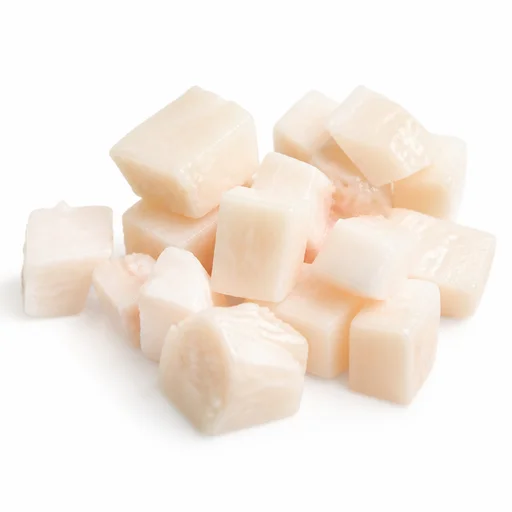
A firm white fat from the fat tail of sheep with a high melting point for frying pilaf, manti, samsa and lagman.
Fat-tail (lamb) fat is a firm white fat from the fat tail of fat-tailed sheep, with a high melting point, a light mutton aroma and a rich taste. It is cubed and rendered for frying pilaf, shurpa, manti, samsa, lagman and beshbarmak, added to mince for juiciness, put on skewers between pieces of meat and fried into cracklings.
Calories, proteins, fats and carbohydrates per 100 g of product
Fat-tail (lamb) fat, Raw: Calories 703.0 kcal, Proteins 3.9 grams, Fats 76.2 grams, Carbohydrates 0.6 grams per 100 g of product.
Fat-tail (lamb) fat, Stewed: Calories 256.0 kcal, Proteins 30.4 grams, Fats 15.0 grams, Carbohydrates 0.0 grams per 100 g of product.
Fat-tail (lamb) fat, Baked: Calories 181.0 kcal, Proteins 27.7 grams, Fats 7.0 grams, Carbohydrates 0.0 grams per 100 g of product.
Fat-tail (lamb) fat, Grilled: Calories 296.0 kcal, Proteins 24.4 grams, Fats 21.3 grams, Carbohydrates 0.0 grams per 100 g of product.
Fat-tail (lamb) fat, Fried: Calories 168.0 kcal, Proteins 25.8 grams, Fats 6.6 grams, Carbohydrates 1.5 grams per 100 g of product.
Recipes with this ingredient

Bulat Ibragimov, brand chef and co-owner of the bistro "Artel", shared the recipe with us.
8
4
120

Manti is an important dish in the diet of many Asian nations: aromatic minced meat, cleverly rolled into a dough cone. A relative of the Russian pelmeni, but with a much brighter character. Below is the ideal recipe if you want to cook classic manti , even if you have little experience. Everything is not at all difficult, except that you will have to stick to the list of ingredients, for example, without the fat tail fat stated in the recipe, the manti will not be as juicy and fragrant.
10
6
90

Kuyrdak is one of the traditional dishes of Kazakh cuisine with ancient roots. Hearty and aromatic, it is made from lamb and offal fried in tail fat with vegetables. In the past, it was served immediately after slaughtering livestock to use the freshest ingredients. The taste of kuyrdak is rich and meaty, with a slight spiciness from garlic and spices. Vegetables add juiciness, while potatoes give the dish softness and nourishment. Kuyrdak is traditionally eaten hot among family, complemented by fresh flatbreads and greens. This dish symbolizes the hospitality of the Kazakh people.
15
6
60

Emil Karimov, chef of the restaurant "Kazbek": "Lulya kebab is eaten all over the Caucasus. Where exactly it comes from, no one knows. Of course, the Azerbaijanis say - ours, the Georgians say - ours, the Armenians say - ours! A difficult conversation. But everyone knows that in Moscow, we, the Azerbaijanis, make the best lula kebab. Because we work the grill better than anyone else.
9
8
60

The recipe was shared with us by Ismail Gunduz, the chef of the Bardak cafe.
17
3
90

Lula kebab made from minced beef is a dish rooted in the rich traditions of Azerbaijani cuisine. Its history is linked to nomadic peoples who valued meat cooked over an open fire. Lula kebab is famous for its juiciness due to the use of tail fat that adds tenderness and a unique aroma. Spices like cumin, coriander, and pepper create a rich, spicy flavor that pairs wonderfully with fresh vegetables and herbs. The minced meat is thoroughly mixed and then chilled to make it dense and uniform. Grilling gives it an appetizing crust while keeping the inside juicy. Lula kebab can be served with vegetable salads, flatbreads, and aromatic sauces, creating a perfect harmony of flavors. This dish is not just meat on a skewer but a true symbol of hospitality and Azerbaijani culinary art.
7
6
40

Kuurdak is one of the oldest dishes of Turkmen cuisine, infused with the aromas of the steppe and nomadic traditions. It is a rich and hearty stew made from meat and offal, fried in lamb fat and stewed with vegetables and spices. The flavor palette is surprising: the tenderness of liver, richness of heart and lungs, juiciness of meat, spiciness of seasonings, and freshness of greens create harmony. Kuurdak not only delights with its taste but also warms the soul and provides strength. It is traditionally served with baursaks and hot soup, completing the meal. This dish reflects Turkmen hospitality and love for simple yet profound cuisine where every note of flavor conveys the spirit of ancestors and traditions of steppe life.
16
6
120

Meatballs in an omelet are a gourmet dish that combines the rich flavor of lamb with the tenderness of baked eggs. Historically, it traces back to French traditions where meat dishes are often paired with airy omelets. Juicy lamb meatballs seasoned with onions and spices are fried to a golden crust and then baked in an omelet, creating a unique combination of textures - crispy crust and tender egg coating. Serving in individual pans adds charm, while sprigs of fresh parsley provide lightness and freshness. This dish is perfect for a festive dinner, impressing guests with its taste and presentation.
8
4
40

Guinea fowl braised in onion juice is a true masterpiece of European cuisine, combining simplicity of preparation with richness of flavors. Historically, this recipe originates from the traditions of rural cooking where natural ingredients and a long braising process created dishes with incredible depth of flavor. The tender meat of the guinea fowl infused with the aromas of lamb fat and spices acquires a rich, slightly sweet taste thanks to caramelized white onions. Braising in its own juice makes the meat remarkably juicy, while the blend of cumin, coriander, and basil adds spiciness and warm aromatic notes. The dish is perfect for a cozy family dinner or a festive table, complemented by fresh herbs and a glass of dry wine.
9
4
110

"Three fingers" - three skewers, this is how this shashlik is cleverly made, winding strips of lamb and fat tail fat on steel. This is how shashlik is prepared in Kyrgyzstan and Uzbekistan.
8
6
90

Piti is a traditional Azerbaijani dish that embodies the richness of flavors and culinary traditions of the region. Slowly simmered in a pot, the lamb absorbs the aromas of saffron, sour plum, and tail fat, becoming incredibly tender. Chickpeas add textural richness to the dish, while onions provide a subtle sweetness. Piti is distinguished by its depth of flavor and rich consistency, making it ideal for cozy family lunches. It is traditionally served in two stages: first as a fragrant broth and then the cooked ingredients that can be mashed on the plate. This dish is not only nourishing but also warming, uniting traditions and home comfort.
6
5
120

Lamb with potatoes is a refined dish of Italian cuisine that combines the tenderness of meat with the aroma of baked potatoes and spices. The recipe's origins trace back to rural regions of Italy, where simple yet rich-flavored ingredients are traditionally used. Juicy lamb meat is infused with a blend of spices—thyme, cumin, marjoram, and rosemary—creating a rich palette of aromas. Young potatoes baked with olive oil, onions, and garlic make the perfect side dish. The fried chops acquire a golden crust, and the finishing touch is fresh parsley that highlights the dish's natural freshness. This treat is ideal for family dinners or festive gatherings when one wants to enjoy traditional Italian flavors and a sense of coziness.
12
4
50


Lamb and pork ooze juice, which is tightly sealed in a flour envelope. Chebureki should be eaten as carefully as khinkali, so as not to lose moisture.
11
13
50

Kuurdak with lamb is a traditional dish of Kyrgyz cuisine, deeply rooted in the nomadic culture of Central Asian peoples. This stew, cooked in a cauldron, impresses with its rich taste and aroma. The combination of juicy lamb, crispy potatoes, and spicy seasonings makes it truly unforgettable. Meat fried in hot oil and tail fat adds richness and depth of flavor to the dish. Onions caramelize, creating sweet notes balanced by freshly ground black pepper and herbs. Kuurdak is the perfect dish for warm family dinners and festive gatherings; its rich taste evokes the vast steppes and hospitality of the Kyrgyz people.
9
6
80