



- Categories
- Main courses (12806)
- Bakery and desserts (12068)
- Appetizers (5704)
- Salads (4899)
- Soups (3502)
- Drinks (2372)
- Breakfast (2278)
- Pasta and pizza (1930)
- Sauces and marinades (1410)
- Sandwiches (562)
- Risotto (313)
- Broths (106)
Monosodium glutamate (MSG)
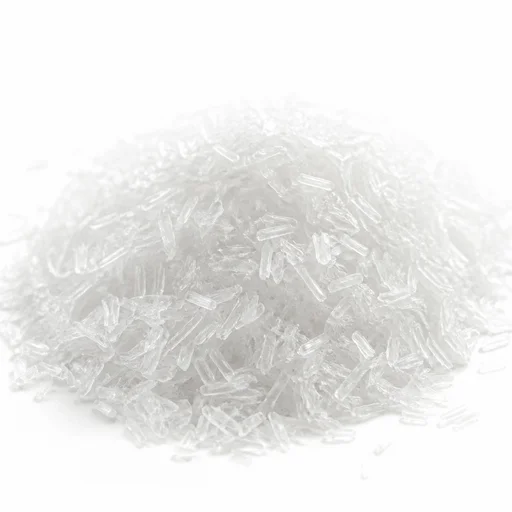
A white crystalline powder, the sodium salt of glutamic acid, boosting taste and adding umami, by the pinch in broths, soups, sauces, mince and Asian cooking.
Monosodium glutamate (MSG) is a white crystalline powder, the sodium salt of glutamic acid, with almost no taste of its own but boosting and rounding the taste of a dish and adding a meaty umami note. It is added by the pinch to broths, soups, sauces, marinades, mince, meat and vegetable dishes, Asian cooking and snacks instead of part of the salt for a richer taste.
Recipes with this ingredient
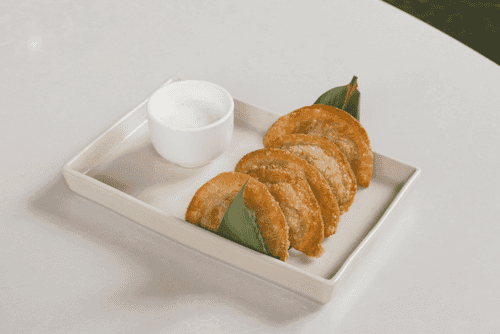
The recipe was shared with us by Dmitry Pogorelov, chef of the bar "Kotelnaya".
20
10
60
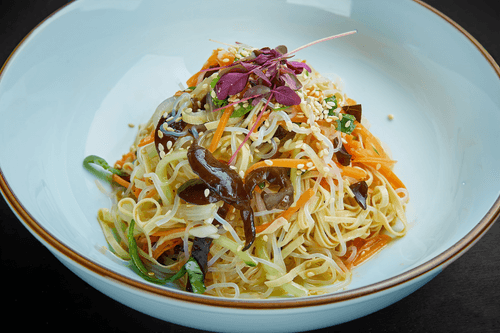
This salad of thin tofu with cucumber, cilantro, and spicy sauce embodies Japanese cuisine, combining lightness, freshness, and harmony of flavors. Thinly sliced vegetables, tender tofu, and zesty sauce create an amazing combination of textures – crunchy, soft, and aromatic. The spiciness of the sauce enhances the flavor of the ingredients while sesame adds a light nutty note. This salad is perfect as a light dish or as an accompaniment to main Japanese dishes. With its fresh and healthy ingredients, it not only delights the palate but also provides a sense of lightness and balance.
15
1
40
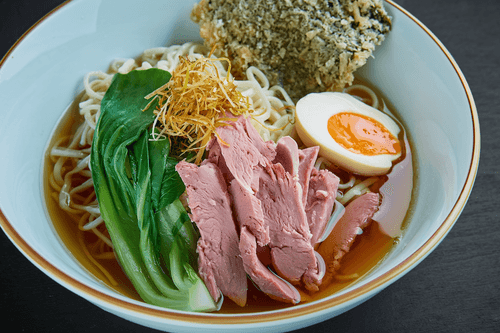
Recipe from chef Dmitry Shurshakov of the panoramic restaurant Hong Kong.
17
1
45
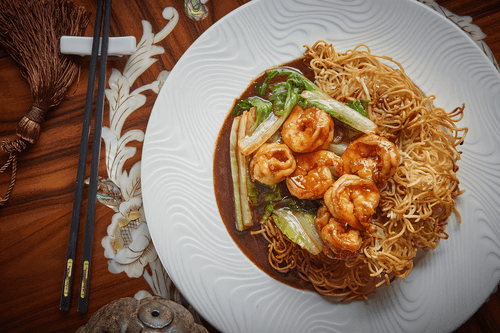
Crispy noodles with shrimp and romaine is an exquisite dish of Chinese cuisine that embodies the harmony of textures and flavors. Thin wheat noodles fried to a crispy crust create a delightful contrast with tender tiger shrimp. Oyster and soy sauces add a deep umami note to the dish, while romaine lettuce adds freshness. An interesting element is the mashed potatoes that gently bind the flavors together, creating an amazing balance. This dish is perfect for a special dinner, delighting both in taste and visual presentation: golden 'twists' of noodles topped with aromatic shrimp. It recalls traditional Chinese cooking techniques that combine the art of frying with rich sauces. Each bite is a crunch, tenderness, and rich Eastern flavor that leaves a pleasant aftertaste and a desire to try again.
9
2
30
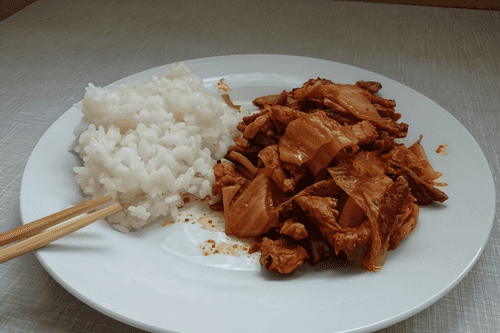
Kimchi with pork is a spicy and rich dish of Korean cuisine that combines the tenderness of meat pieces with the bright, spicy notes of kimchi. Inspired by Korean culinary traditions, it features stir-fried pork soaked in soy sauce and spices with fermented vegetables that give the dish a unique aroma and slight sourness. It cooks quickly and has a rich flavor that is slightly spicy, with a pleasant harmony of meat and tangy kimchi. It is best served with long-grain rice that softens the spiciness and balances the taste even more. This dish is perfect for both a hot dinner and for eating chilled, revealing new flavor nuances.
6
6
40

Fried fern is a traditional dish of Korean cuisine, deeply rooted in the country's gastronomic culture. Its history dates back to ancient times when Koreans used wild plants for food. The cooked fern has a soft texture, slightly crispy on the outside and tender inside. The sharp notes of red pepper, the aroma of garlic, and the richness of soy sauce create a rich flavor bouquet that perfectly complements rice or meat dishes. It is not just a side dish but a true embodiment of the philosophy of Korean cuisine based on balance of flavors and health benefits. Fried fern is often served as part of banchan – a set of appetizers accompanying the main dish. It not only satisfies but also opens new dimensions of taste sensations where tradition and modernity intertwine.
7
2
20