




- Categories
- Main courses (12806)
- Bakery and desserts (12068)
- Appetizers (5704)
- Salads (4899)
- Soups (3502)
- Drinks (2372)
- Breakfast (2278)
- Pasta and pizza (1930)
- Sauces and marinades (1410)
- Sandwiches (562)
- Risotto (313)
- Broths (106)
Tempeh
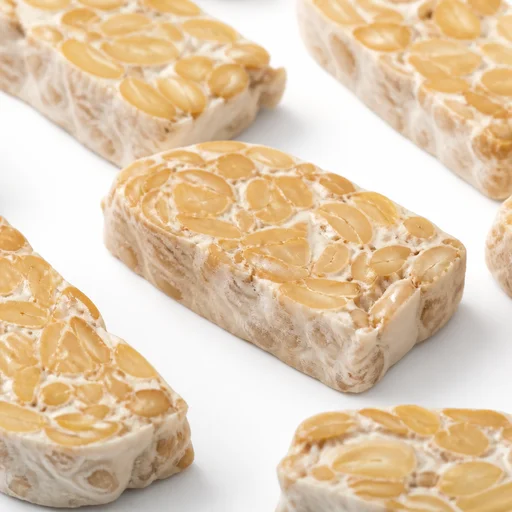
An Indonesian fermented product of whole soybeans with a nutty taste and a meaty texture for frying, grilling and curry.
Tempeh is an Indonesian fermented product of whole soybeans pressed by a fungal culture into a firm pale cake with a nutty, slightly mushroomy taste and a meaty texture. It is cut and marinated, fried, baked, grilled and cooked in curry, crumbled as a mince replacement in tacos, Bolognese sauces and fillings; it is rich in protein and fibre.
Calories, proteins, fats and carbohydrates per 100 g of product
Tempeh, Raw: Calories 192.0 kcal, Proteins 20.3 grams, Fats 10.8 grams, Carbohydrates 7.6 grams per 100 g of product.
Tempeh, Boiled: Calories 195.0 kcal, Proteins 19.9 grams, Fats 11.4 grams, Carbohydrates 7.6 grams per 100 g of product.
Recipes with this ingredient

Chili with tempeh is a bold combination of Mexican flavors and Indonesian fermented tempeh tradition. The dish features a rich aroma of spices, where the heat of chili peppers harmonizes with the depth of dark beer and the sweetness of maple syrup. The tomato base adds thickness to the dish, while fresh cilantro completes the composition with a bright herbal accent. Tempeh, gently fried to a golden crust, becomes an ideal protein addition. This chili not only warms but also delights with its rich flavor, perfectly pairing with Mexican tortillas or fresh bread. Historically, Mexican cuisine is known for its spiciness and use of local ingredients, and adding tempeh to chili offers a modern take on a traditional recipe, creating a unique culinary adventure.
16
4
40
Thai cabbage rolls made from lettuce leaves are a vibrant dish reflecting the philosophy of Thai cuisine: freshness, balance of flavors, and harmonious combination of ingredients. The leaves replace traditional wrappers, creating a light and crunchy texture that complements the rich filling of tempeh, fresh vegetables, and aromatic herbs. Ginger and garlic add spiciness, while the lime juice and soy sauce-based dressing adds sweet-sour notes. Peanuts bring a pleasant crunch and light nutty tones. This dish is perfect for those who appreciate fresh ingredients and a healthy lifestyle. The rolls require no complicated serving – everyone can choose their own filling and create their unique flavor. A wonderful choice for friendly gatherings and family lunches that allows you to enjoy Thai motifs in a simple yet original execution.
21
6
30
Soy tempeh patties glazed in maple syrup and mustard are a refined dish of Pan-Asian cuisine that combines sweetness, spiciness, and a hint of heat. Tempeh, a traditional fermented soybean product, gains a caramelized crust from the aromatic glaze of maple syrup, orange juice, and spices. Sautéed kale with garlic and corn adds freshness and a crunchy texture to the dish. This combination makes it an excellent choice for vegetarians, health enthusiasts, and those who appreciate deep flavor nuances. The taste unfolds gradually: first the sweetness of the syrup, then the tanginess of the mustard and the heat of Sriracha sauce. This dish can be served on its own or paired with rice for a harmonious gastronomic ensemble.
13
6
30
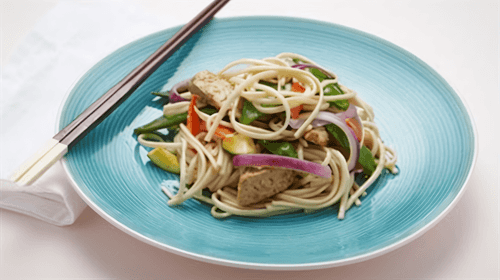
Fried tempeh and vegetables with buckwheat noodles are a true embodiment of harmony in Japanese cuisine. Tempeh, fermented soybeans, adds a rich nutty flavor and dense texture to the dish, perfectly complementing the tenderness of zucchini, sweetness of carrots, and mild spiciness of garlic and onion. Stir-frying in a wok preserves the brightness and freshness of the vegetables, creating a crispy and aromatic mix. Buckwheat noodles add depth of flavor and make the dish hearty, while a light sauce made from the leftover cooking water enriches the texture, binding all ingredients together. This dish is a great choice for those who appreciate balanced nutrition.
8
4
57