
- Categories
- Main courses (12806)
- Bakery and desserts (12068)
- Appetizers (5704)
- Salads (4899)
- Soups (3502)
- Drinks (2372)
- Breakfast (2278)
- Pasta and pizza (1930)
- Sauces and marinades (1410)
- Sandwiches (562)
- Risotto (313)
- Broths (106)
Bonito flakes (katsuobushi)
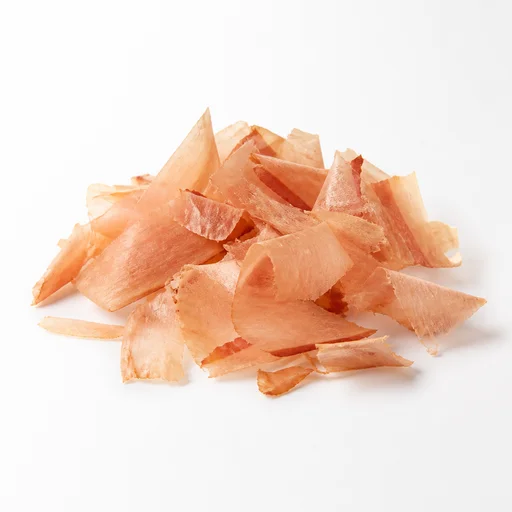
The finest flakes of fermented, smoked and dried bonito tuna with an intense smoky-fishy umami taste for dashi stock and okonomiyaki.
Bonito flakes (katsuobushi) are the finest pinkish-brown flakes of fermented, smoked and dried-to-hardness bonito tuna, with an intense smoky-fishy umami taste. They are used for Japanese dashi stock together with kombu, sprinkled over okonomiyaki, takoyaki, tofu, boiled vegetables and rice where the flakes dance from the steam, added to furikake, onigiri and sauces.
Recipes with this ingredient

Broth dashi made from red cabbage is an amazing blend of traditional Japanese cuisine and an innovative approach to ingredients. This rich, deep, and aromatic broth is created from charred red cabbage, which gives it a slight smokiness and sweet-earthy flavor. Shiitake adds rich umami notes, kombu seaweed brings delicate marine freshness, while bonito flakes complete the harmony with complex flavor nuances. This dashi can serve as a base for miso soup or be used in other Japanese dishes, imparting them with a unique and rich character. The broth perfectly complements rice, noodles or vegetable dishes by enhancing their flavors and revealing the depth of traditional Japanese cuisine.
9
4
120
Edamame soup with shrimp is a harmony of traditional Japanese cuisine, combining tender edamame beans with a rich umami broth based on kombu seaweed and bonito flakes. Its roots delve into the depths of Japanese gastronomy, where every detail of the recipe aims to reveal the natural flavors of the ingredients. The creamy edamame paste is complemented by miso paste, creating a soft, velvety texture. Tender pieces of scallop shrimp add a light marine sweetness, while green onion tops refresh the dish. This soup not only warms but also nourishes, making it perfect for a light yet hearty lunch. It can be part of a traditional Japanese menu or serve as an elegant first course for a special dinner. In every sip lies tranquility and the art of Japanese cuisine.
8
2
20
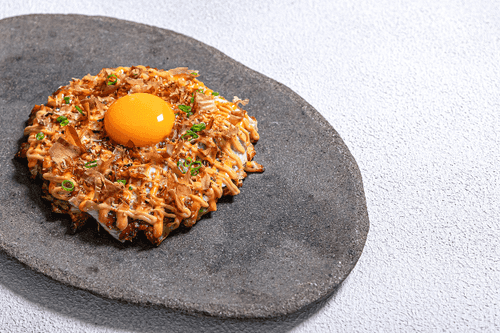
The recipe was shared with us by the brand chef of the restaurant Sapiens, Ilya Blagoveshchensky.
15
4
35
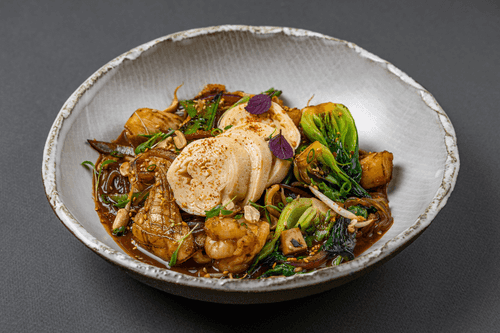
The recipe was shared with us by Evgeny Korsun, chef of the Twin Tigers restaurant.
29
4
30
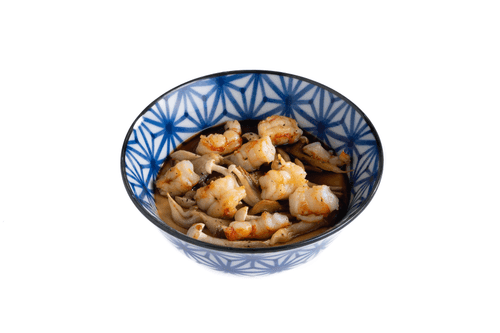
Chawanmushi is an exquisite dish of Japanese cuisine that embodies the harmony of flavors and textures. Its history roots in traditional Japanese culinary techniques where steaming enhances the natural taste of ingredients. The delicate egg base infused with aromatic dashi becomes velvety and airy. The addition of shrimp and mushrooms like enoki and shimeji adds depth to the seafood and mushroom flavors, creating a refined combination. Soy sauce and mirin complement the composition with subtle sweetness and umami. Chawanmushi is served hot, its softness and richness making it popular as an appetizer or light dish, perfect for leisurely tasting of Japanese gastronomy.
12
4
45
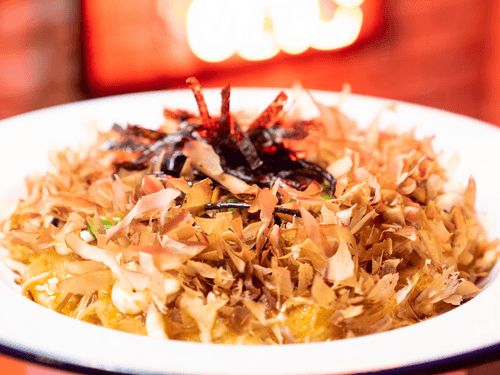
"Okonomi" in Japanese means "what you love", "yaki" - "everything that is fried on the fire". The name itself reflects the Japanese people's ardent love for cabbage pancakes okonomiyaki. The recipe is based on the pizza principle: everything that is currently in the refrigerator can become part of the pancakes. There are two traditional cooking options. The first is when a pancake made of thin tempura dough is baked separately, and then everything else is dumped on it (this is the Hiroshima and Tokyo style). The second is when chopped cabbage can be mixed into the dough, and the pancake turns out thick, like a pancake - this style is practiced in Osaka. But no matter how the relationship between the dough and cabbage develops, okonomiyaki is always decorated with curls of mayonnaise and a wiggling tuna shaving on top . Recipe from the tatinomi bar "Teburashika.
14
4
30
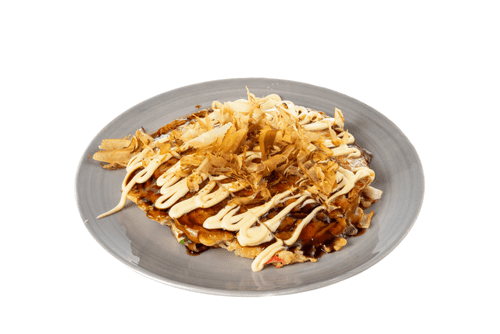
Okonomiyaki is a large cabbage pancake that the Japanese often make at home. This dish is sometimes called Japanese pizza because of its ease of preparation and the variety of possible fillings. Egg whites and cabbage are used as a base, and then you can add anything you like: ham, seafood, and vegetables. This is reflected in the name of the dish, which consists of two parts: "okonomi" - "what you like" or "what you want", and "yaki" - this is how fried dishes are called in Japanese . Traditionally, okonomiyaki is decorated with mayonnaise and okonomiyaki sauce and sprinkled with tuna shavings: from the streams of hot air coming from the okonomiyaki, it begins to move as if alive.
15
4
40
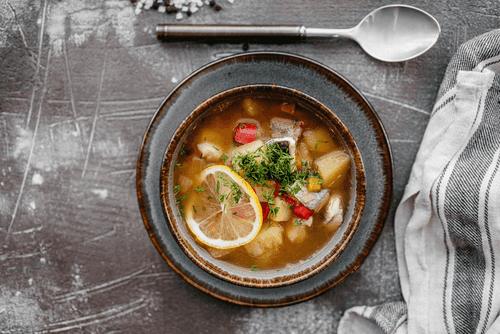
Uha made from sea bass and carp is an exquisite version of traditional Russian fish soup, rooted in the ancient traditions of fishermen. The broth, prepared with aromatic vegetables and spices, gains a rich flavor from the use of two types of fish: sea bass and carp. The light acidity of lemon harmoniously complements the rich taste of the dish, while the addition of millet makes it even more filling and nutritious. This soup not only warms and satisfies but also surprises with the delicate texture of the fish and a balanced combination of ingredients. Uha from sea bass and carp can be served as a main dish for lunch, especially in cold weather when one craves something warm and cozy.
17
3
60
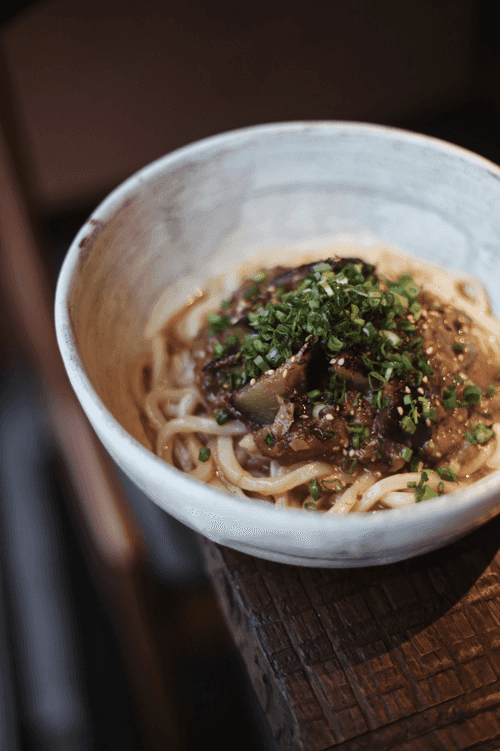
The recipe was shared with us by the chef of Lucky Izakaya Bar Andrey Krasov.
20
9
40
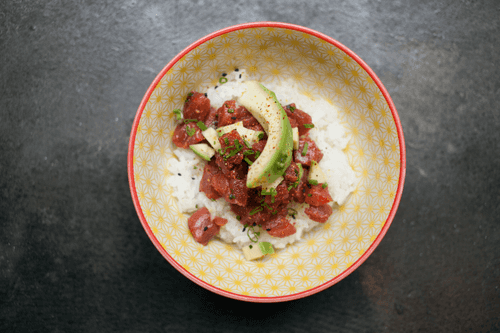
Recipe provided by Cutfish restaurant chef Glen Ballis.
18
6
45
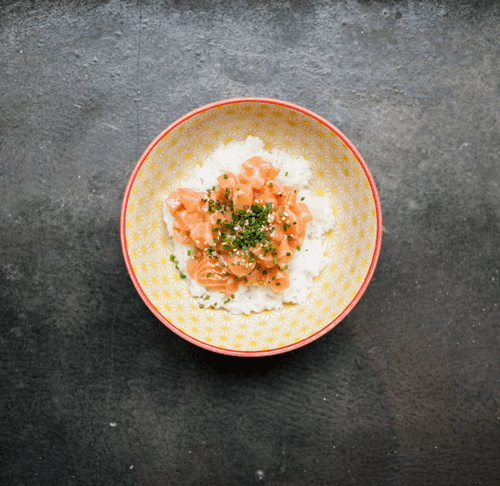
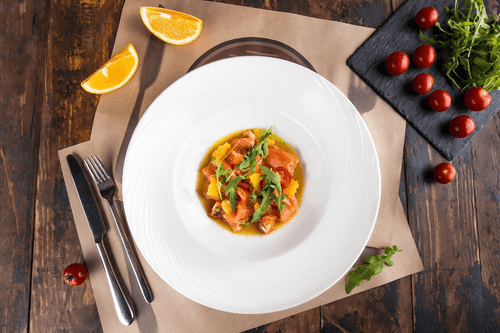
Salmon ceviche with Ponzu sauce is a refined dish rooted in traditional Spanish cuisine with Japanese flavor influences. Tender slices of fresh salmon are infused with the vibrant, multifaceted Ponzu sauce that harmoniously blends citrus freshness and the rich depth of soy sauce, complemented by mirin and bonito flakes. The sweetness of orange highlights the fish's tenderness, while cherry tomatoes add a light tanginess. Arugula and olive oil lend sophistication to the dish, creating a balance between bright and fresh notes. This dish not only pleases the eye with its colorful presentation but also captivates the palate – light, refreshing, elegant. Perfect for summer evenings or special occasions when you want to indulge in something truly refined.
10
2
55
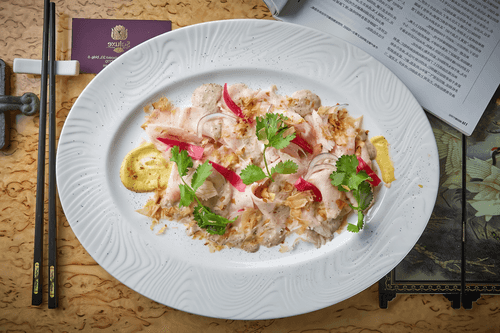
Slow-cooked turkey fillet with tuna sauce is an exquisite dish of European cuisine that combines the tenderness of the bird with a rich marine flavor. The turkey, brined beforehand, achieves remarkable softness, while slow cooking in sous vide retains all the juiciness of the meat. The canned tuna sauce with olive oil adds a pleasant creaminess and umami notes to the dish. Presentation is true art: slices of turkey are garnished with zesty Dijon mustard, fresh herbs, and aromatic cilantro oil, with a final touch of light tuna shavings for textural contrast. This dish is perfect for festive occasions, creating a harmony of flavors and delicacy on the plate.
5
1
30
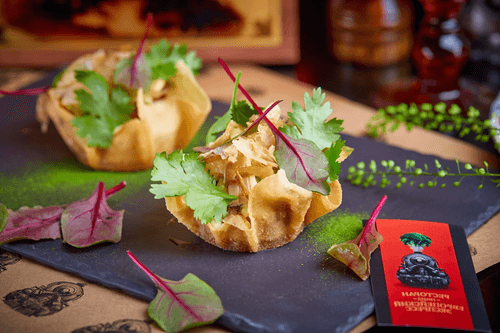
Eel salad with onion marinade and cucumber is an exquisite dish of Pan-Asian cuisine that combines the rich flavors of smoked eel, tangy onion sauce, and the freshness of cucumber. The base of the salad consists of crispy spring roll pastry baskets that harmoniously blend the softness of eel and the spiciness of kimchi mayonnaise. The onion marinade made with teriyaki and caramelized sugar adds a sweet depth to the dish. Tuna flakes and cilantro complete the composition, adding notes of marine freshness and greenery. This dish is perfect as an original appetizer or an exquisite dinner for lovers of Eastern gastronomy. The taste of the salad is a balance of umami, freshness, and mild spiciness that creates an unforgettable gastronomic impression.
10
1
20
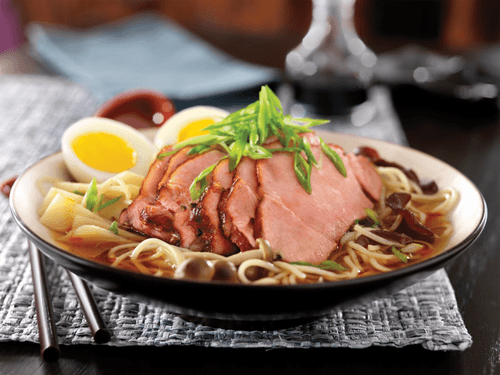
Ramen is the soul of Japanese cuisine, infused with warmth and comfort. Its history began with Chinese noodle dishes, but in Japan, ramen found its unique identity. The rich broth made from chicken, pork, and seafood is packed with umami and depth of flavor. Tender chicken fibers, aromatic pork, and shrimp complement the composition, creating an unforgettable gastronomic journey. Egg noodles absorb all the richness of the broth while marinated eggs, fresh ginger, and green onions add brightness and texture. Ramen is served hot as a comfort on cool days or as a powerful boost of energy. It’s not just soup — it’s a whole culture where each serving carries the warmth of traditions and culinary mastery.
12
6
70