







- Categories
- Main courses (12806)
- Bakery and desserts (12068)
- Appetizers (5704)
- Salads (4899)
- Soups (3502)
- Drinks (2372)
- Breakfast (2278)
- Pasta and pizza (1930)
- Sauces and marinades (1410)
- Sandwiches (562)
- Risotto (313)
- Broths (106)
Yangnyeom (Korean sweet-spicy sauce)

A thick glossy Korean sauce of gochujang, soy sauce, garlic and honey, sticky and spicy-sweet, for glazing fried chicken and wings.
Yangnyeom (Korean sweet-spicy sauce) is a thick glossy Korean sauce of gochujang paste, soy sauce, garlic, ginger, rice syrup or honey, ketchup and sesame oil, sticky, spicy-sweet, with a deep umami taste. It glazes Korean fried chicken (yangnyeom chicken), wings, ribs and tteokbokki, is served as a dipping sauce and added to marinades and stir-fries.
Recipes with this ingredient

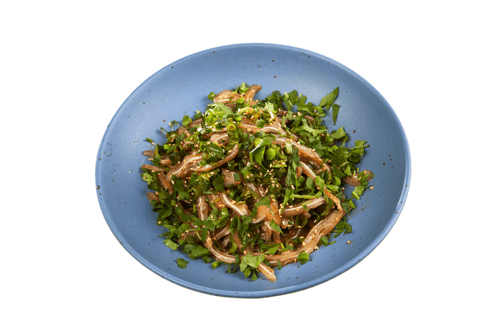
Lopukh in Korean is a unique dish that combines the tenderness of young burdock stems with the rich flavor of soy sauce and the aroma of fried onions. Its origin is closely tied to European culinary traditions, but the unusual choice of ingredients gives it an Asian flair. The dish has a soft texture with a slight spiciness complemented by spicy yanem. It is perfect as a side dish or a standalone snack, especially when paired with rice. Due to its simplicity in preparation and unusual taste, this recipe will beautifully fit into your diet, adding a touch of originality and richness.
5
4
30
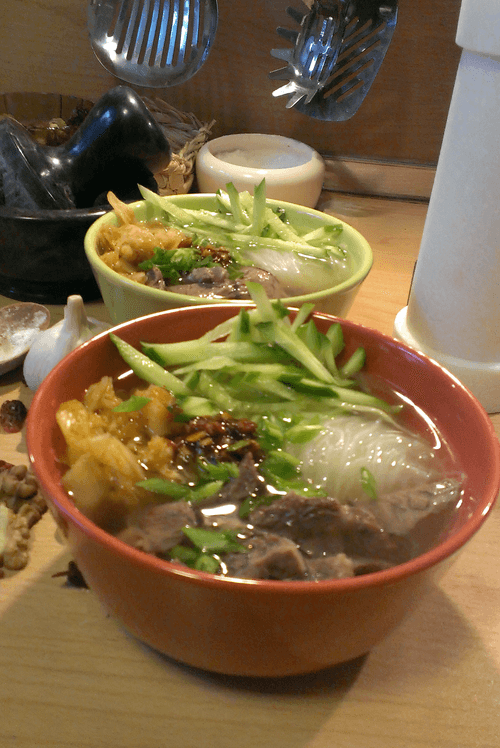
Spicy kuksi soup with kimchi is a vibrant blend of Thai flavors with Korean notes. Its roots trace back to the rich tradition of East Asian soups, where spiciness meets the depth of broth. The beef shank-based broth gives the soup richness, while rice noodles add lightness. Kimchi provides spicy heat and fermented nuances, while fresh cucumbers and green onions refresh the taste. The sauce with chili paste and sesame makes the soup rich and aromatic. This dish warms on cold days and invigorates in heat, offering a balance of spicy, salty, and fresh flavors. Perfect for lovers of Eastern tastes and those who appreciate gastronomic experiments.
9
8
90
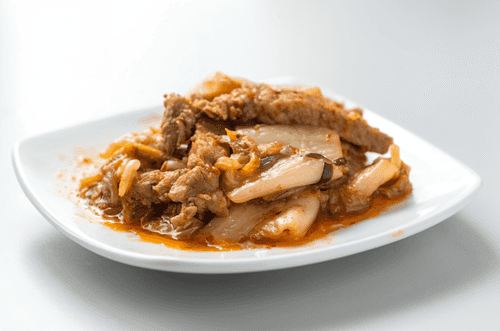
Fried kimchi with pork, or Kimchi Bokkeum, is a passionate blend of spiciness and rich flavor characteristic of Korean cuisine. Kimchi, the main ingredient, not only adds heat but also reveals the depth of fermented aroma. Pork fried to a golden crust absorbs the spicy juices of kimchi, creating a harmony of flavors. Onion adds subtle sweetness while green onion refreshes the dish with light spiciness. Historically, kimchi was used to preserve vegetables for winter and has become an integral part of Korean culinary heritage. Kimchi Bokkeum is served as a standalone dish or as a side to rice, creating a balance of textures and flavors. It is enjoyed hot, savoring the rich depth of flavor that warms and invigorates.
6
6
60