
- Categories
- Main courses (12806)
- Bakery and desserts (12068)
- Appetizers (5704)
- Salads (4899)
- Soups (3502)
- Drinks (2372)
- Breakfast (2278)
- Pasta and pizza (1930)
- Sauces and marinades (1410)
- Sandwiches (562)
- Risotto (313)
- Broths (106)
Salmon skin
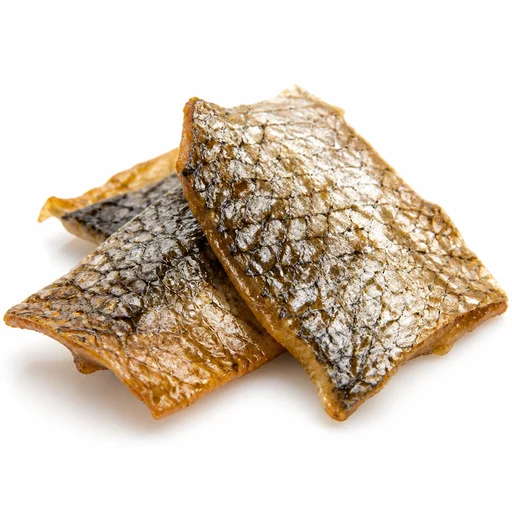
The silvery salmon skin with a layer of subcutaneous fat, very crisp when fried, with a rich fatty fishy taste, for a snack, rolls and salad.
Salmon skin is the silvery skin taken off the fillet with a layer of subcutaneous fat; when fried or baked it becomes very crisp, with a rich fatty fishy taste. It is fried until crisp as a snack and topping, added to warm rolls (spicy kani) and salmon skin salad, fried for chips, used in stock for flavour and in Japanese cuisine as a serving element.
Recipes with this ingredient
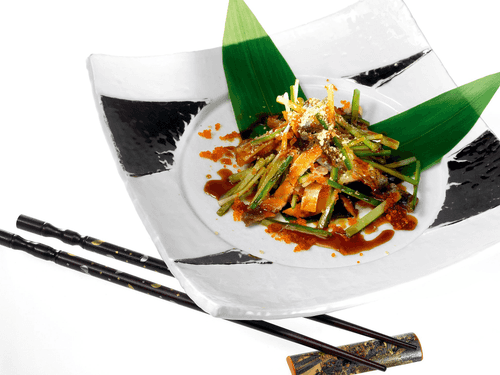
The Japanese consider skin to be a full-fledged ingredient: they cover chicken skin with a sweet glaze and fry it into kushiyaki skewers, roll up boiled pork skin into a butanika roll, and add fried fish skin to salads instead of chips. And this is not food for the poor. It's just that those important truths that the rest of the world is just beginning to come to, like reasonable consumption or waste-free technologies, have been the norm in Japan for centuries: everything that can be eaten should be eaten, everything that should decorate life should decorate it. For example, fish skin is not garbage for the Japanese, but a powerful means of expression. Fried, it looks like crispy mica and adds textural contrasts and sea notes to a vegetable salad. The result is Japanese porridge from topor , where the main feature is made of something we are used to throwing away.
5
1
20