
- Categories
- Main courses (12806)
- Bakery and desserts (12068)
- Appetizers (5704)
- Salads (4899)
- Soups (3502)
- Drinks (2372)
- Breakfast (2278)
- Pasta and pizza (1930)
- Sauces and marinades (1410)
- Sandwiches (562)
- Risotto (313)
- Broths (106)
Devzira rice
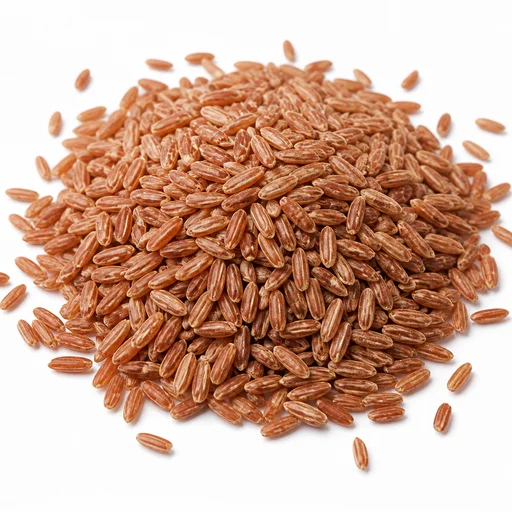
An Uzbek medium-grain rice of a pinkish-brown tint with a ribbed grain for authentic Fergana pilaf.
Devzira rice is an Uzbek medium-grain rice of a pinkish-brown tint with a ribbed grain and a characteristic brown groove, translucent, with a high ability to absorb oil and water. It is aged and used above all for authentic Fergana pilaf, where the grains stay separate and firm.
Recipes with this ingredient

The recipe is taken from the magazine "Culinary Workshop".
9
6
120
Uzbek pilaf with duck is a dish that embodies the rich traditions of Uzbek cuisine. This pilaf is distinguished by its rich aroma thanks to tender duck infused with spices and sautéed onions. The key to preparation is following the correct sequence of steps: from creating the fragrant zirvak to ensuring the rice absorbs all flavor nuances. A key element is the large julienned carrots that add sweetness and brightness to the pilaf. It’s best cooked in a kazan over an open fire, enhancing its traditional taste. The zirvak, containing meat, vegetables, and spices, is simmered to a rich broth that turns the pilaf into a true Eastern delight. It is eaten hot, accompanied by fresh vegetables and herbs, while the aroma of cumin makes it truly unforgettable. Uzbek pilaf with duck is a story of flavor born in the steppes of Central Asia.
8
16
120
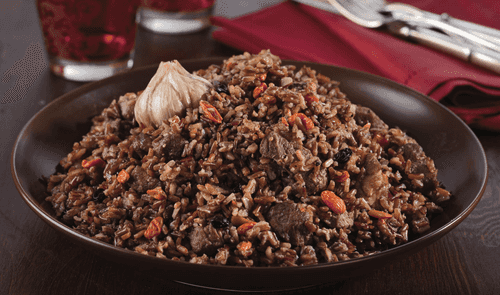
Lamb pilaf with goji berries is a luxurious dish of Kazakh cuisine that combines ancient traditions with modern notes. The devzira rice soaked in the aromas of cumin, spices, and slow-cooked meat gains a rich flavor, while goji berries add a subtle sweet tang and fresh nuances. The lamb, tenderly cooked in its own juice with onions and carrots, becomes soft and juicy, perfectly complementing the texture of the rice. Barberry and cayenne pepper bring spiciness, while garlic adds depth to the dish's flavor. This pilaf is not just food but a true gastronomic symphony that unites Eastern traditions with exotic accents and is ideal for festive gatherings where every detail matters. It is best served hot, garnished with herbs and leaving garlic heads for true gourmets.
14
6
180
Uzbek pilaf with lamb is a true gem of Eastern cuisine, embodying the richness of flavor and tradition. The origins of this dish date back centuries, linking it to caravans traveling along the Silk Road. The main focus is on tender lamb infused with the aromas of cumin and pepper, enriched with sweet carrots and the softness of devzira rice. Each ingredient is carefully selected to create a perfect balance of flavors: from savory to slightly sweet. Cooked in a kazan over low heat, the pilaf acquires a rich taste and appetizing fluffy texture. It is served hot, garnished with fresh herbs and crunchy vegetables, making it not only filling but also aesthetically pleasing. Uzbek pilaf is not just food; it's a gastronomic journey to the heart of the East.
9
4
60
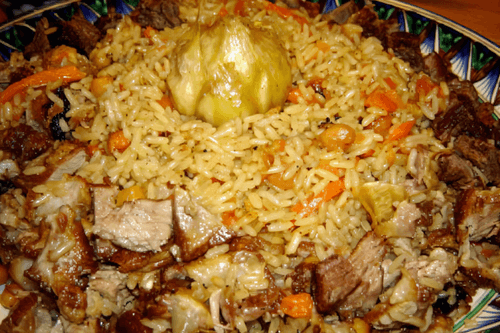
Uzbek pilaf with lamb and barberry is not just a dish but a true culinary masterpiece rooted in the ancient traditions of Central Asia. Its rich, intense flavor comes from a harmonious blend of aromatic spices, juicy meat, and tender devzira rice that absorbs all the juices of the ingredients. Barberry adds a tangy sourness, while garlic and cumin provide depth to the taste. The dish is cooked in a kazan, which creates a characteristic golden hue and rich texture. Uzbek pilaf is perfect for festive gatherings and warm family lunches, enjoyed with fresh vegetables and herbs. It symbolizes the hospitality and generosity of Eastern cuisine, leaving unforgettable impressions on everyone who tries it.
12
10
80
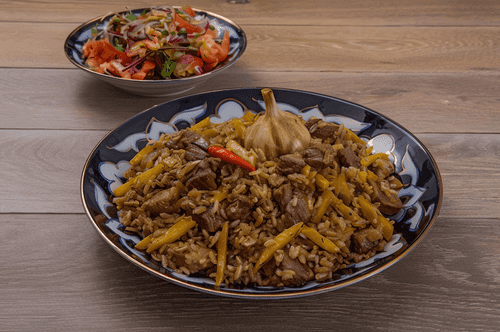
Fergana pilaf with achik-chuchuk is a true treasure of Uzbek cuisine, embodying centuries-old traditions and culinary mastery. This pilaf stands out with its rich, deep flavor thanks to lamb, aromatic cumin, and sweet yellow carrots. Rendered tail fat adds richness and a velvety texture to the dish, while the addition of garlic and chili pepper enriches it with spicy notes. It is customary to serve the pilaf with refreshing achik-chuchuk—a salad of juicy tomatoes, red onions, and greens that perfectly complements the rich flavors of the pilaf. This dish is more than just food; it symbolizes hospitality, the warmth of an Uzbek home, and the tradition of gathering around the table with family and friends.
13
4
60
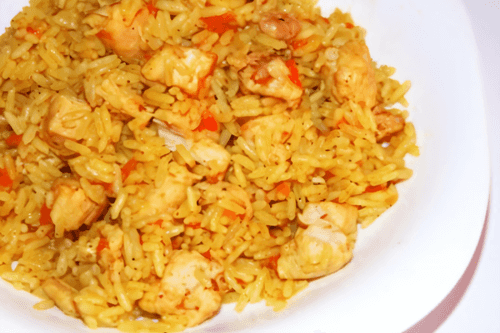
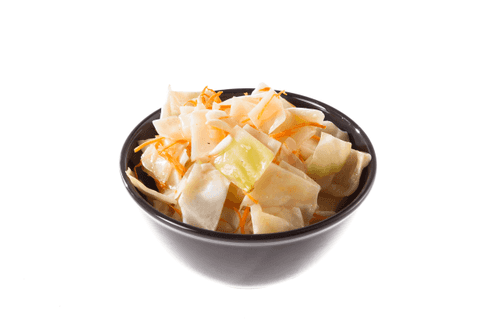
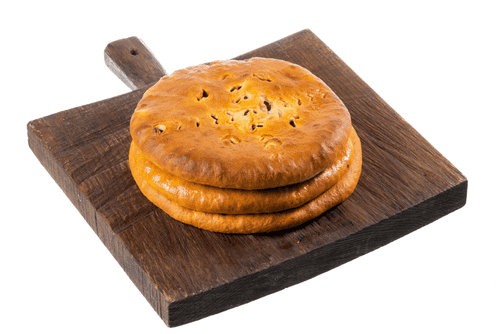
Uzbek chicken pilaf with cumin and coriander is a fragrant and rich dish that carefully preserves the traditions of Uzbek cuisine. Its base is devzira rice, which absorbs the rich flavors of spices and chicken juices during cooking. Cumin and coriander give the pilaf a warm Eastern character, while cardamom and paprika add depth to the flavor. This pilaf is distinguished by its tender texture, juicy meat, and appetizing golden hue. It is perfect for family dinners, festive gatherings, and meetings with friends. It is cooked in a kazan, which helps retain all the aromas of the ingredients and achieve a special flavor balance. The dish pairs best with fresh vegetables and herbs, creating a harmony of spicy and fresh notes. Traditionally, Uzbek pilaf is served with flatbreads and pickled cabbage to enhance its rich gastronomic character.
13
6
120
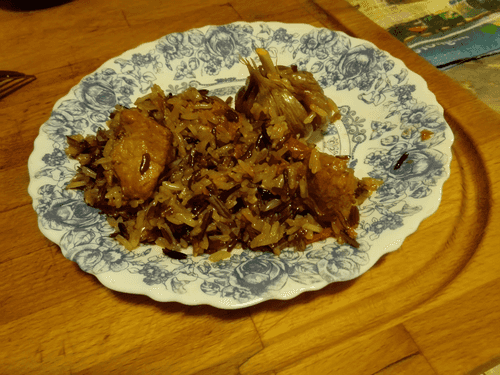
Uzbek plov is not just a dish but a symbol of hospitality and national pride. Its history dates back to ancient times when it was a staple for nomads and warriors. The key to plov is the right combination of ingredients: aromatic lamb, sweet carrots, pungent garlic, and tender devzira rice infused with spices. The taste of this dish is rich and meaty with subtle Eastern notes of cumin. Plov is cooked slowly to allow all components to unfold, and its golden hue and appetizing aroma make it irresistible. In Uzbekistan, plov is often served at celebrations and family gatherings and is considered a means of bringing people together at one table. It is not only nourishing but also soul-warming, providing comfort and a taste of tradition.
8
6
90
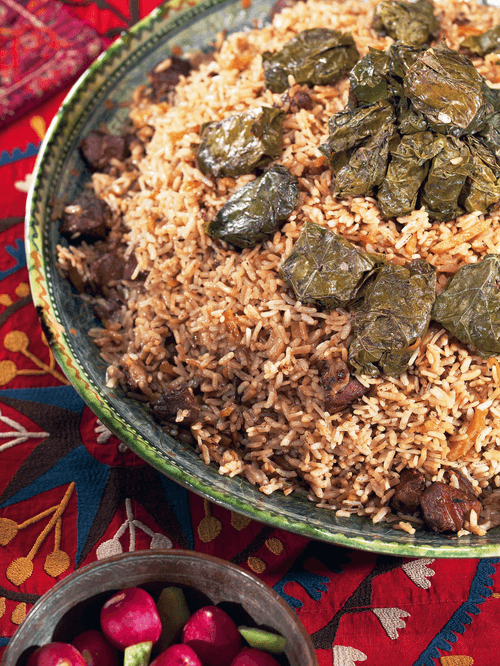
Pilaf with dolma is a culinary symphony of two Eastern classics: fragrant Fergana pilaf and tender dolma wrapped in grape leaves. The origins of the dish date back centuries when pilaf symbolized hospitality and dolma was a sign of refined taste. In this recipe, juicy lamb seasoned with cilantro, coriander, and black pepper becomes the filling for dolma that simmers in the pilaf's zirvak, absorbing its rich flavor. Devzira rice completes the composition by soaking up the juices of meat and spices. The dish's flavor unfolds in every layer: the velvetiness of rice, the spicy meat filling, and the tart freshness of grape leaves. Pilaf with dolma is a dish perfect for festive gatherings, impressing guests with its complexity and rich aroma.
8
12
120
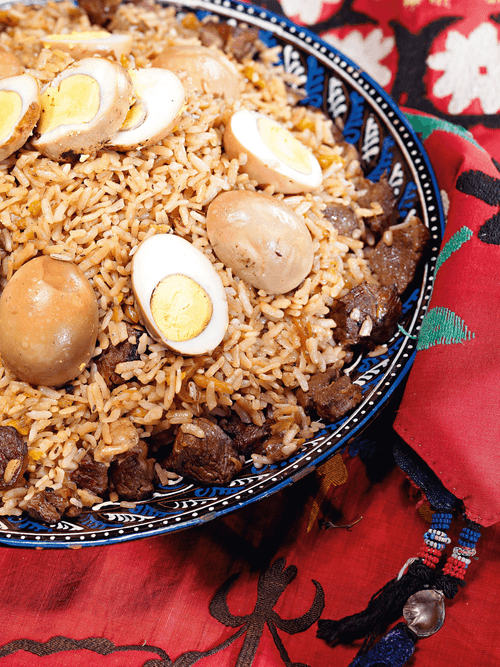
Egg pilaf is a unique author’s recipe that combines the rich flavor of traditional Fergana pilaf with the tenderness of boiled eggs. The origins of this dish can be traced to experimental cuisine, where classic recipes take on unexpected nuances. Eggs fried in lamb fat until golden brown add a special depth of flavor to the pilaf, making it rich and expressive. Devzira rice absorbs the aromas of meat, carrots, and spices, creating a harmony of textures and scents. Egg pilaf is perfect for festive lunches or family dinners, surprising guests with its original execution. This dish pairs excellently with traditional Eastern salads and fresh herbs, highlighting its rich taste and appetizing appearance.
8
10
90
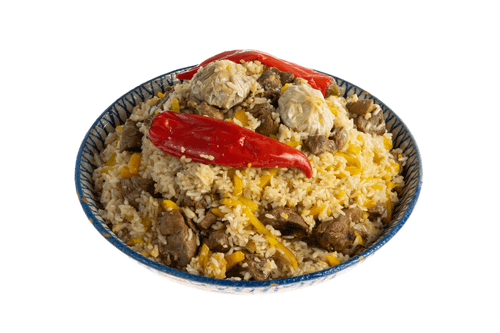
Most of the devzira rice this recipe requires is grown in the Fergana Valley. And in Fergana, as well as in neighboring Namangan and Andijan, pilaf is prepared only from it. Fergana pilaf does not tolerate any sweet additives, no raisins, only garlic and hot pepper. Less often - chickpeas and barberry. This is one of the most famous types of the great Uzbek pilaf and certainly the most canonical. Before you go shopping, pay attention - Fergana pilaf needs yellow carrots!
9
10
90
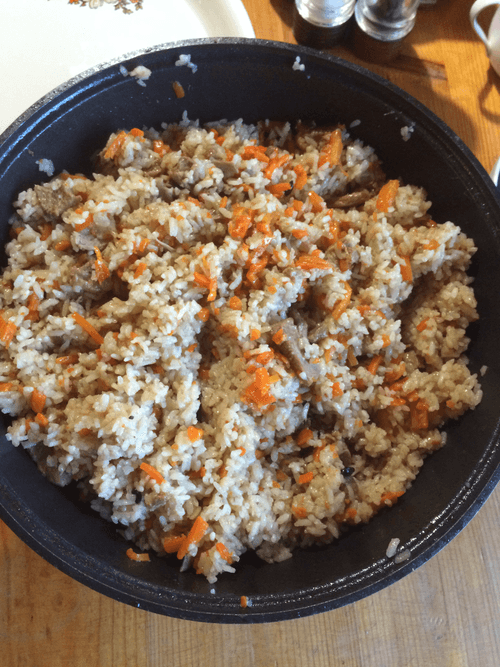
Fergana pilaf is a true gem of Uzbek cuisine that embodies centuries of tradition. Its rich flavor is born in a cauldron where the zervak—a fragrant mix of meat, carrots, and spices—slowly simmers, absorbing all the aromas. The main ingredient, devzira rice, gives the pilaf its firmness and richness, while lamb fat provides an unmatched silky texture. This pilaf is not just food; it is part of culture: it is prepared for celebrations and served to guests with respect and hospitality. Golden onions, spicy cumin, and garlic add deep flavor to the dish while hot pepper adds a subtle spiciness. Fergana pilaf is not only a gastronomic delight but also a symbol of hospitality that brings people together at the table.
10
10
100