



- Categories
- Main courses (12806)
- Bakery and desserts (12068)
- Appetizers (5704)
- Salads (4899)
- Soups (3502)
- Drinks (2372)
- Breakfast (2278)
- Pasta and pizza (1930)
- Sauces and marinades (1410)
- Sandwiches (562)
- Risotto (313)
- Broths (106)
Nori sheets
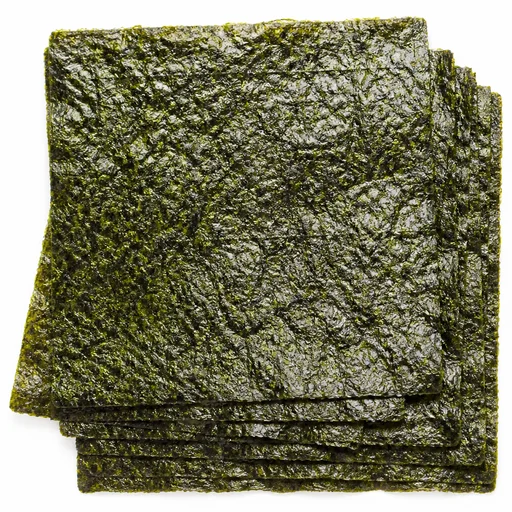
Thin pressed sheets of dried seaweed for sushi rolls, onigiri and topping.
Nori are thin pressed sheets of dried red seaweed with a salty-marine taste and umami, lightly toasted for crispness. They are wrapped around sushi rolls and onigiri, cut into strips for soups, noodles and rice, and used as a crunchy topping.
Recipes with this ingredient
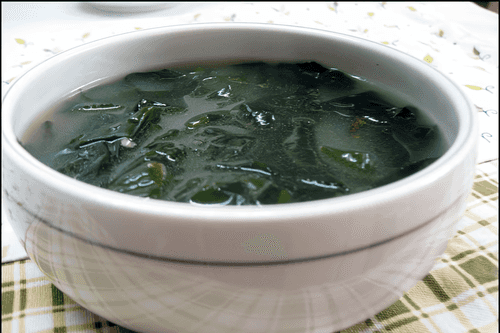
Miyeokguk is a traditional Korean soup with deep historical roots. It has been prepared since ancient times and is especially popular on birthdays as it is believed to bring good luck and strengthen health. The main ingredient is seaweed, rich in minerals and nutrients, while the addition of beef enhances the flavor. Miyeokguk has a mild, slightly salty taste with a pleasant aroma of sesame oil. It can be eaten as a standalone dish or with rice, warming and nourishing the body. This soup symbolizes care and traditions passed down through generations.
8
2
40
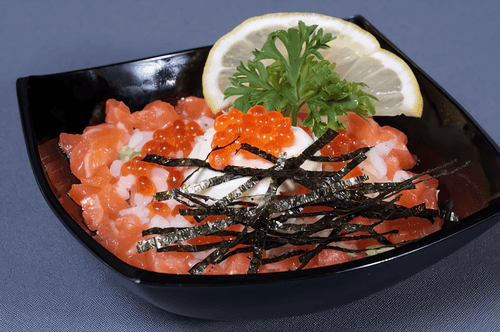
Ikura sarada is a delicate and elegant dish of Japanese cuisine that combines the freshness of seafood with the creamy softness of cheese. This salad incorporates traditional Japanese ingredients such as rice, seaweed, and red caviar, symbolizing richness and refined taste. Historically, dishes with caviar were considered delicacies, and the combination of salmon and caviar signifies luxury. The flavor of this salad is a harmony of tender salmon, crunchy cucumber, and the rich taste of caviar complemented by the softness of Philadelphia cheese. It is perfect as a festive treat or appetizer served with soy sauce that enhances the depth of flavor.
8
4
15
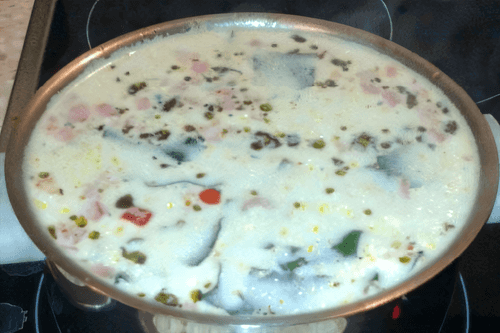
Creamy shrimp soup is a true gastronomic delight inspired by Italian cuisine. Its rich creamy flavor perfectly complements the tenderness of royal shrimp and the subtle notes of basil and black pepper. The rich texture, enhanced with rice and sweet corn, makes this soup nourishing and warming. Seaweed adds a marine freshness, while olive oil deepens the flavor. In Italy, seafood has always held an important place, and this soup beautifully reflects Mediterranean culinary traditions. It is not only exquisite but also healthy due to fish fat and natural ingredients. Perfect for a cozy dinner or as a first course on a festive table.
9
6
60
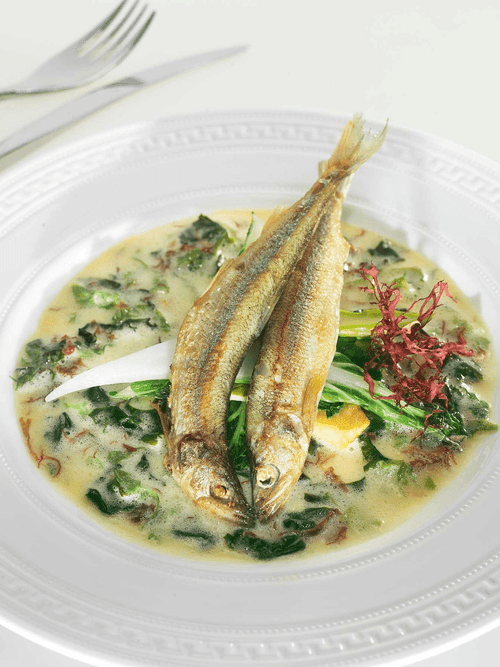
Smelt with seaweed is a refined dish that combines the freshness of the sea and the tenderness of creamy flavor. Smelt, known for its delicate aroma and taste, becomes even more sophisticated thanks to the seaweed, which adds a slight saltiness and depth. The garnish of bok choy and spinach complements the textural balance, while golden potatoes add richness. An airy sauce made from egg yolks and butter with seaweed is a true culinary masterpiece that ties all elements of the dish together. This dish is perfect for lovers of author cuisine who appreciate harmony of flavors and aesthetic presentation. It transports you to the seaside where each ingredient tells its own story.
10
4
45
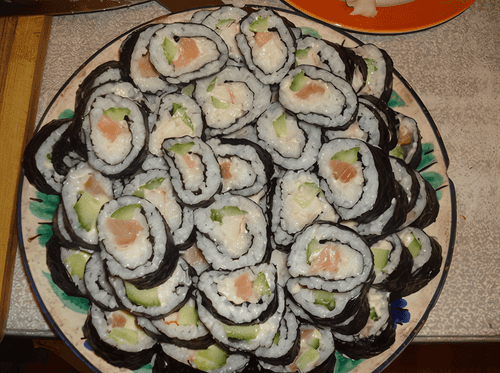
Rolls with red fish are a harmony of flavors from Japanese cuisine, combining the delicate texture of rice, the freshness of cucumber, and the rich taste of lightly salted fish. The history of this dish dates back to traditional sushi that appeared in Japan several centuries ago. Unlike classic sushi, rolls are wrapped in seaweed, making them convenient to eat. Red fish adds a noble flavor to the dish, while the mayonnaise and soy sauce dressing adds tenderness and spiciness. These rolls are perfect for festive gatherings as well as quick snacks. They are delicious fresh, and their neat portions make them aesthetically appealing. Try this dish and immerse yourself in the world of Japanese culinary traditions!
7
10
60
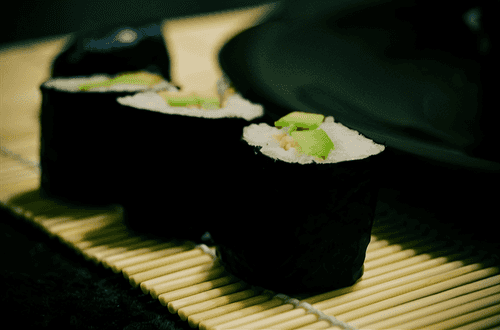
Avocado rolls are the embodiment of simplicity and sophistication in Japanese cuisine. This type of sushi conquered the world with its delicate combination of soft avocado, airy rice, and spicy wasabi. Initially popular in Japan as a light and healthy snack, they have since become loved worldwide. The creamy texture of avocado harmonizes with the graininess of rice, while sesame adds a nutty note. Seaweed holds the filling together, giving each piece a hint of ocean freshness. These rolls are versatile: perfect as a standalone dish, an appetizer for dinner, or part of a festive sushi platter. Their ease of preparation makes them accessible even for beginners in Japanese cooking.
8
2
40

Sea tongue roll with salmon is a gourmet dish that combines the tenderness of fish and the richness of flavors. This recipe merges the textural harmony of sea tongue transformed into airy filling and the creamy richness of salmon infused with fresh lemon zest. Wrapped in nori sheets, the roll acquires a light hint of ocean flavor, while added dill gives it a piquant freshness. The delicate cooking technique of steaming in foil preserves the juiciness of each layer, creating a stunning contrast between the tenderness of the inner structure and the density of marine aroma. The roots of such culinary art can be found in Japanese gastronomy, where traditional methods blend with creative interpretations. Serving with mayonnaise-soy sauce highlights the balance between creamy softness and slight saltiness. This roll is an ideal choice for an elegant dinner where flavor unfolds with each bite.
13
4
60
Can be served as a salad or a main dish.
16
4
50